
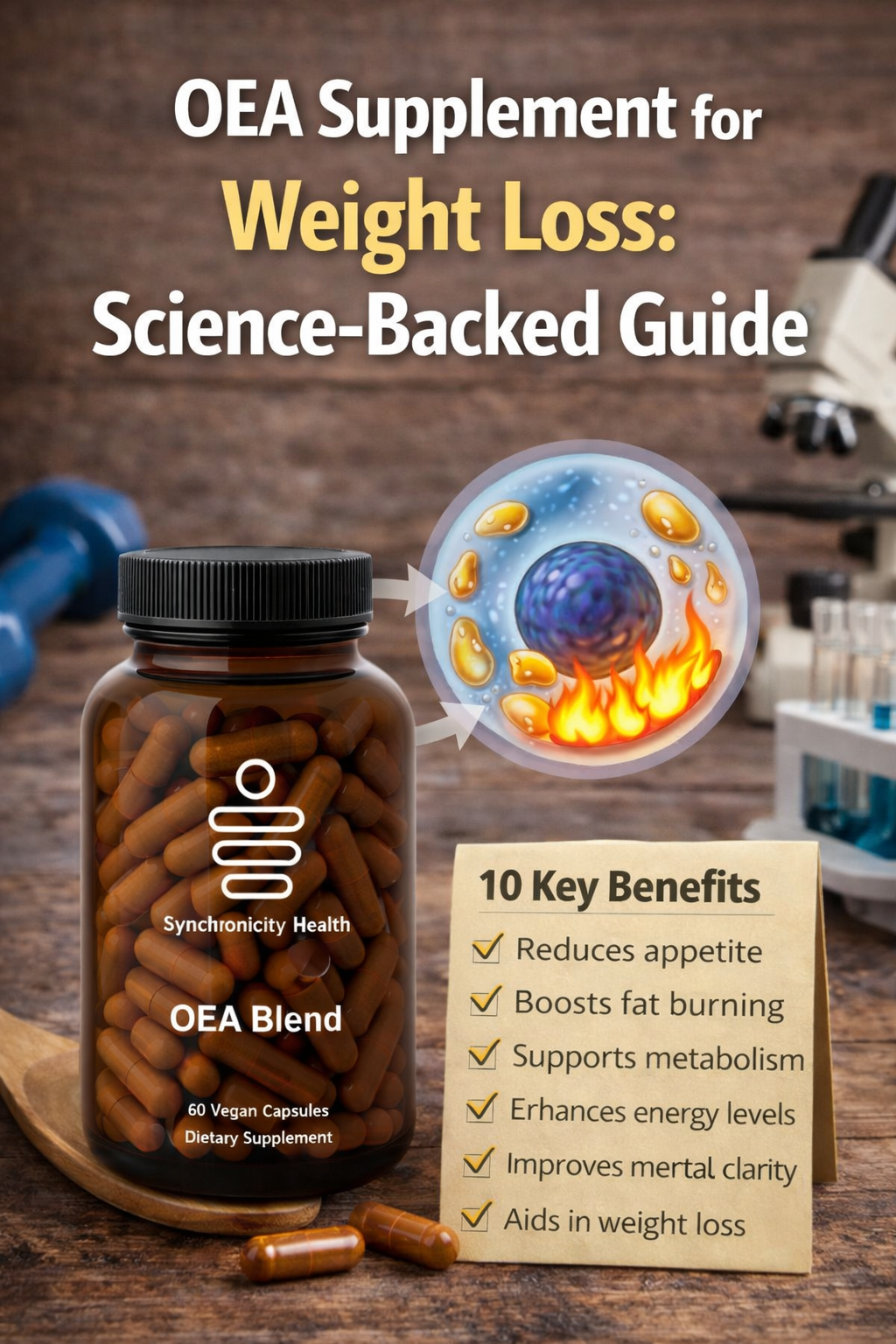
If you track your calories, hit the gym, and still feel like your appetite is always a step ahead of you, you're not broken—and you’re not lazy. For many high performers, the missing piece isn’t more discipline. It’s a misfiring satiety system in the gut–brain axis that makes “stop eating” signals far too weak. That’s exactly where an OEA supplement for weight loss can change the game.
OEA (oleoylethanolamide) is a lipid messenger your small intestine makes every time you eat fat. It tells your brain, via the vagus nerve, that enough energy has arrived and it’s time to put the fork down. When OEA signaling is low, you can polish off a full plate, feel strangely unsatisfied, and be hungry again an hour later. By supporting this native signal with an OEA supplement for weight loss, you’re working with your biology instead of fighting against it.
Whether you’re a biohacker chasing better body composition, a busy professional who wants steady energy without stimulants, or an athlete trying to stay lean without losing strength, understanding how OEA works—and how to use an OEA supplement for weight loss strategically—can make fat loss feel far more predictable.
"Hunger is not a moral failing; it's a biological signal." — Common principle in nutrition and obesity research
Why Willpower Alone Rarely Fixes Stubborn Weight
Most weight-loss advice still assumes that eating less is purely a choice problem. But your hunger, cravings, and even the speed at which you feel full are regulated by hardwired biological systems:
-
Hormones like leptin, ghrelin, insulin, and GLP‑1
-
Neural circuits running between your gut and your hypothalamus
-
Local signals in your small intestine that sense incoming nutrients
When those systems are out of tune—because of chronic stress, ultra-processed food, sleep loss, or past dieting—your brain receives a powerful “eat more” message and a faint “you’re full” response. You can white-knuckle your way through that imbalance for a while, but it’s exhausting and usually temporary.
OEA sits at the center of one of those satiety pathways. Instead of bluntly sedating your appetite like some stimulants or prescription drugs, an OEA supplement for weight loss amplifies a signal your body already uses to decide when enough food is enough.
What Is OEA? The Gut-Derived Signal That Tells Your Brain “Enough”
Oleoylethanolamide (OEA) is a naturally occurring fatty acid amide in the N‑acylethanolamine family, structurally similar to endocannabinoids such as anandamide—but with a very different job.
-
Where It’s Made: Primarily in the cells of your small intestine after you eat, especially when your meal contains fats like olive oil. OEA is also produced in fat tissue and the nervous system.
-
What It Does: Acts as a satiety signal and metabolic regulator, helping control meal size, meal frequency, and how readily you burn fat for fuel.
-
How It’s Different From Endocannabinoids: OEA does not activate CB1 or CB2 cannabinoid receptors. Instead, it mainly activates a nuclear receptor called PPAR‑α (Peroxisome Proliferator‑Activated Receptor alpha), which influences genes involved in fat burning, inflammation, and energy expenditure.
You can find small amounts of OEA supplement in foods like oatmeal, nuts, and cocoa powder, but the levels are too low to meaningfully affect body weight. That’s why a targeted OEA supplement for weight loss is used in clinical studies instead of relying on diet alone.
How An OEA Supplement For Weight Loss Works Inside Your Body
1. Strengthens Satiety Signals From Gut To Brain

When you eat, OEA is synthesized in the small intestine and immediately activates vagal sensory fibers—the same nerve network GLP‑1 drugs tap into. This sends a “you’re full” message to the hypothalamus that:
-
Delays the start of the next meal
-
Reduces portion size
-
Decreases snacking between meals
Supplemental OEA has been shown in human trials to reduce appetite control ratings and spontaneous calorie intake without creating the wired, anxious feeling common with stimulant-based diet pills. For people who constantly think about food, an OEA supplement for weight loss often feels like the mental noise around eating finally quiets down.
"The best appetite control tools don't overpower you; they help your body notice the 'enough' signal sooner." — Common insight among obesity clinicians
2. Activates PPAR‑α To Burn More Fat
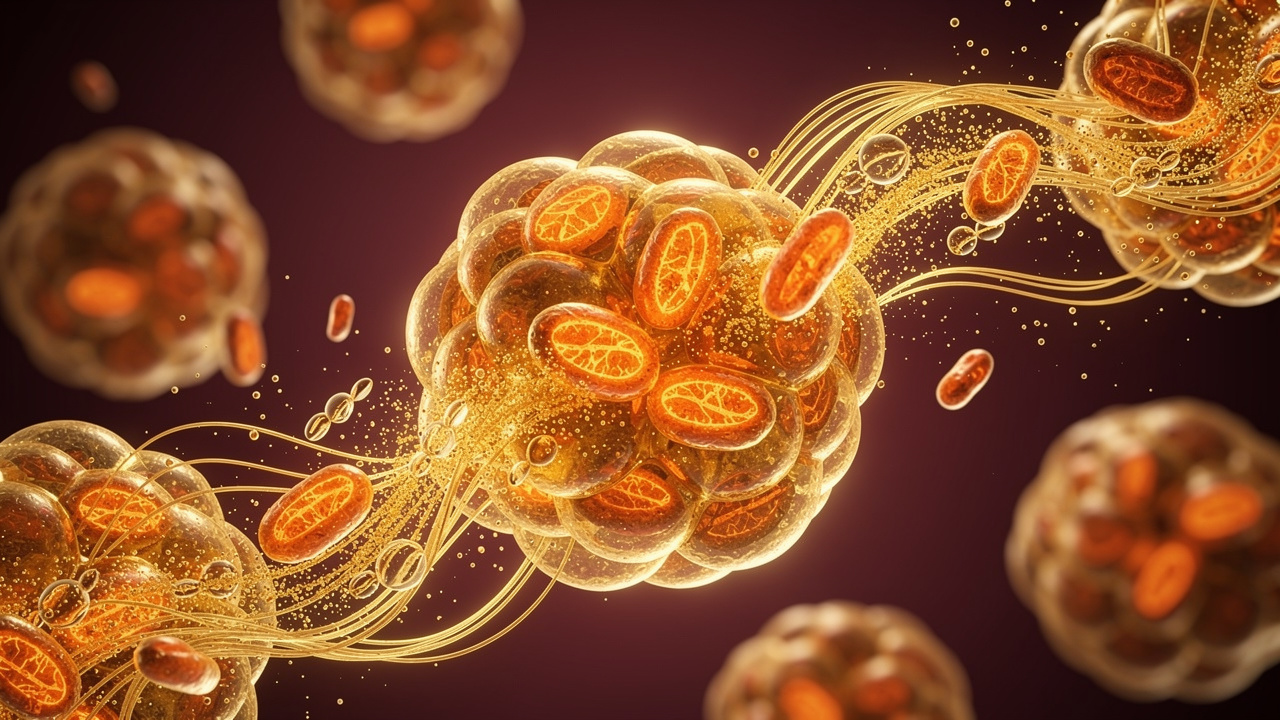
Once OEA enters circulation and cells, it binds to PPAR‑α, a master regulator of lipid metabolism. Activation of PPAR‑α:
-
Increases fatty acid oxidation (“fat burning”) in the liver and white adipose tissue
-
Encourages the body to use stored fat instead of constantly demanding new calories
-
Upregulates mitochondrial genes that support higher energy expenditure
Several randomized controlled trials and meta-analyses show that an OEA supplement for weight loss can significantly reduce body weight, BMI, waist circumference, fat mass, and body fat percentage—while preserving lean mass.
3. Stimulates GLP‑1 And Supports Better Blood Sugar Control
OEA also stimulates the release of GLP‑1 (Glucagon‑Like Peptide‑1) from intestinal L‑cells, and research on GLP-1 and OEA for metabolic health shows this synergistic mechanism is particularly effective for obesity management. GLP‑1:
-
Slows gastric emptying, so meals keep you full longer
-
Supports insulin secretion when blood sugar rises
-
Helps reduce post-meal blood glucose spikes
Clinical data show that OEA supplementation can lower fasting blood glucose, insulin, and HOMA‑IR scores (a marker of insulin resistance), especially at doses of 250 mg/day or higher. For many people pairing an OEA supplement for weight loss with a lower-carb or whole-food diet, this translates to steadier energy and fewer afternoon crashes.
Proven Benefits Of OEA For Body Composition And Performance
Evidence From Human Trials
Across randomized, placebo-controlled studies and pooled meta-analyses—including detailed Comparison with Oleylethanolamide in various populations—OEA shows consistent effects:
-
Body Weight & BMI: Significant reductions, especially with doses ≥250 mg/day and interventions lasting at least 8 weeks.
-
Waist Circumference: Noticeable decrease in central belly fat, a key cardiometabolic risk marker.
-
Body Fat Vs. Muscle: Fat mass and body fat percentage drop, while fat-free mass (muscle, bone, organs) stays stable.
In one trial on obese adults, 250 mg of OEA daily daily led to reduced appetite, smaller waist measurements, and lower body weight over 8 weeks, without changes in training or extreme dieting. For lifters and endurance athletes, this makes an OEA supplement for weight loss particularly attractive: you can cut fat while maintaining lean tissue and performance.
Beyond The Scale: Metabolic, Inflammatory, And Anti-Aging Effects
An OEA supplement for weight loss does more than shrink fat cells. It also improves key markers tied to longevity and cardiometabolic health:
-
Inflammation: Human trials show meaningful drops in C‑reactive protein (CRP) and TNF‑α, two core inflammatory cytokines that are often higher in obesity and metabolic syndrome.
-
Oxidative Stress: OEA reduces malondialdehyde (MDA), a marker of lipid peroxidation, and increases total antioxidant capacity. That means less oxidative damage to cell membranes and blood vessels.
-
Glucose Control: Lower fasting blood glucose and insulin, better insulin sensitivity, and more stable glycemic patterns with OEA and Berberine.
-
Triglycerides: Consistent reductions in circulating triglycerides, even when cholesterol numbers remain unchanged.
-
Liver And Gut Health (From Pre-Clinical Data): OEA supports healthier liver mitochondrial function, reduces fat accumulation in the liver, and increases abundance of Akkermansia muciniphila, a bacterium linked to leanness and better gut barrier integrity.
For biohackers and longevity enthusiasts, these shifts place an OEA supplement for weight loss firmly in the category of metabolic health tools—not just a short-term diet aid.
Who Is A Good Fit For An OEA Supplement For Weight Loss?
You might consider an OEA supplement for weight loss if:
-
You feel driven to finish your plate even when you intellectually know you’ve had enough.
-
You experience constant low-grade hunger, intense evening snacking, or frequent “food noise.”
-
You’ve hit a fat-loss plateau despite tracking macros and training consistently.
-
You want better appetite control and metabolic health but prefer to avoid stimulants.
-
You’re using NAD+ IV therapy or other longevity protocols and want a gut-brain tool that harmonizes with those efforts.
Busy professionals often notice that an OEA supplement for weight loss lets them stay focused through long work blocks without obsessing about their next meal. Athletes appreciate that they can manage body composition without aggressive caloric restriction that tanks recovery.
How To Use An OEA Supplement For Weight Loss: Dosing, Timing, And Stacking
Recommended Doses From Clinical Research
Human studies have used OEA doses between 125 mg and 600 mg per day. The most common, and best-studied, protocol:
-
250 mg per day, usually split into two 125 mg servings
-
Taken about 30 minutes before lunch and dinner
Subgroup analyses suggest:
-
<250 mg/day often shows stronger effects on inflammatory and oxidative stress markers.
-
≥250 mg/day is more effective for weight, BMI, waist circumference, and fasting blood glucose.
For most people starting an OEA supplement for weight loss, 125–250 mg per day taken before the largest meal is a practical entry point. Stay consistent for at least 8 weeks, since that’s where the strongest clinical results appear.
To make this more concrete, here’s a simple overview:
|
Daily OEA Dose |
Primary Goal |
Typical Timing |
|---|---|---|
|
125 mg |
Appetite awareness, inflammation, oxidative stress |
30 minutes before main meal |
|
250 mg |
Weight, BMI, waist size, blood sugar support |
125 mg before lunch and before dinner |
Timing And Lifestyle Synergy
To get the most from an OEA supplement for weight loss:
-
Take it 15–30 minutes before your main meal, ideally one that contains some healthy fat (olive oil, avocado, nuts).
-
Eat slowly and pay attention to the point where food stops tasting better—that’s often the moment OEA signaling is kicking in.
-
Pair it with a whole-food, protein-forward diet and resistance training to preserve or build muscle as fat comes off.
-
Prioritize sleep supplements and stress management; both heavily influence appetite hormones and how your brain responds to gut signals.
Many users find that OEA makes “good” choices feel easier instead of forced—which is exactly what you want when building a sustainable fat-loss strategy.
Why Synchronicity Health’s OEA Formula Is Different
Not all OEA products are built for serious biohackers or performance-driven individuals. At Synchronicity Health, the goal is to create an OEA supplement for weight loss that actually reflects the science on absorption, ingredient interactions, and metabolic signaling.

The OEA supplement formula goes far beyond raw OEA powder in a capsule. It includes:
-
Palmitoylethanolamide (PEA): Another N‑acylethanolamine with well-documented effects on neuroinflammation and pain signaling, which may support comfort and recovery as you lean out.
-
L‑Theanine: An amino acid from green tea that promotes calm focus and helps counteract stress-induced eating.
-
Green Tea Extract: Provides catechins that support metabolic rate and fat oxidation.
-
Absorption Blend: Sunflower lecithin, ginger extract, and black pepper extract to support bioavailability so more OEA reaches systemic circulation.
-
Anandamide: Included at a supportive level to influence mood and reward pathways, helping you maintain a positive relationship with food while changing your body composition.
Every batch is third‑party tested for purity and potency, so what’s on the label is what’s in the capsule. For health-conscious consumers who already invest in lab work, IV NAD+ sessions, or performance testing, that level of quality control is a core requirement.
Safety, Side Effects, And When To Talk To Your Doctor
Because OEA is a molecule your body already produces, it has shown a strong safety profile in clinical trials:
-
Participants generally reported no serious adverse effects.
-
When side effects occurred, they were usually mild gastrointestinal changes (a bit of nausea or digestive shift) that tended to fade as the body adapted.
-
Trials up to 8–12 weeks in length have not flagged major safety concerns in otherwise healthy adults.
That said, long-term data are still limited, and everyone’s physiology is different. You should speak with your healthcare provider before starting OEA if you:
-
Take prescription medications (especially for blood sugar, blood lipids, or mood)
-
Are pregnant, nursing, or trying to conceive
-
Have a history of liver, kidney, or major gastrointestinal disease
If you and your clinician decide to add OEA, track metrics like:
-
Appetite and fullness signals
-
Body weight and waist circumference
-
Fasting glucose or HbA1c (when available)
-
Subjective energy and mental clarity
Adjust dose and timing based on response rather than chasing an arbitrary number.
Making OEA Part Of A Bigger Metabolic Strategy
No supplement can fully compensate for a diet built around ultra-processed food, chronic sleep deprivation, or a sedentary lifestyle. OEA works best as part of a larger system:
-
A nutrient-dense diet centered on protein, healthy fats, and minimally processed carbohydrates
-
Regular resistance training and some form of low-intensity movement (walking, cycling, zone 2 work)
-
Sleep that consistently hits 7–9 hours per night
-
Stress management practices that keep cortisol under control
Think of OEA as a signal amplifier. It doesn’t replace habits; it makes the right habits feel far more sustainable. Instead of relying purely on grit, you’re upgrading the way your gut and brain talk to each other about hunger and satiety.
"You can’t out-supplement poor sleep, low movement, and constant stress." — Common reminder from experienced health coaches
For many people, that’s the missing piece between “I know what to do” and “I can finally do it consistently.”
FAQs
What Are The Benefits Of Taking OEA Supplements?
OEA supplements help:
-
Decrease appetite and reduce meal size
-
Increase feelings of fullness between meals
-
Support fat loss by improving fatty acid oxidation via PPAR‑α
-
Improve key metabolic markers such as fasting glucose, insulin, triglycerides, and inflammatory cytokines
When used consistently with supportive nutrition and training, an OEA protocol can make weight management feel less like a daily battle.
What Are The Benefits Of Oleoylethanolamide Beyond Weight Loss?
Beyond shrinking fat cells, oleoylethanolamide has been shown to:
-
Lower systemic inflammation (CRP, TNF‑α)
-
Reduce oxidative stress and improve total antioxidant capacity
-
Support healthier liver fat metabolism
-
Positively influence the gut microbiome in pre-clinical models
These broader effects make OEA interesting not only for body composition, but also for long-term metabolic and cardiovascular health.
Is OEA An Endocannabinoid?
No. OEA belongs to the same broader family of lipid messengers as endocannabinoids but is not itself an endocannabinoid. It does not activate CB1 or CB2 receptors. Instead, its primary target is PPAR‑α, along with other receptors like GPR119 and TRPV1 that are involved in appetite, pain, and energy regulation.
Where Does Oleoylethanolamide Come From?
Your body makes OEA mainly in the small intestine whenever you eat dietary fat, especially monounsaturated fats such as those in olive oil. Small amounts are also produced in adipose tissue and the nervous system. You can ingest trace amounts of OEA from foods like oatmeal, nuts, and cocoa powder, but therapeutic levels seen in research come from concentrated supplementation rather than diet alone.


Leave a comment
All comments are moderated before being published.
This site is protected by hCaptcha and the hCaptcha Privacy Policy and Terms of Service apply.