
Introduction
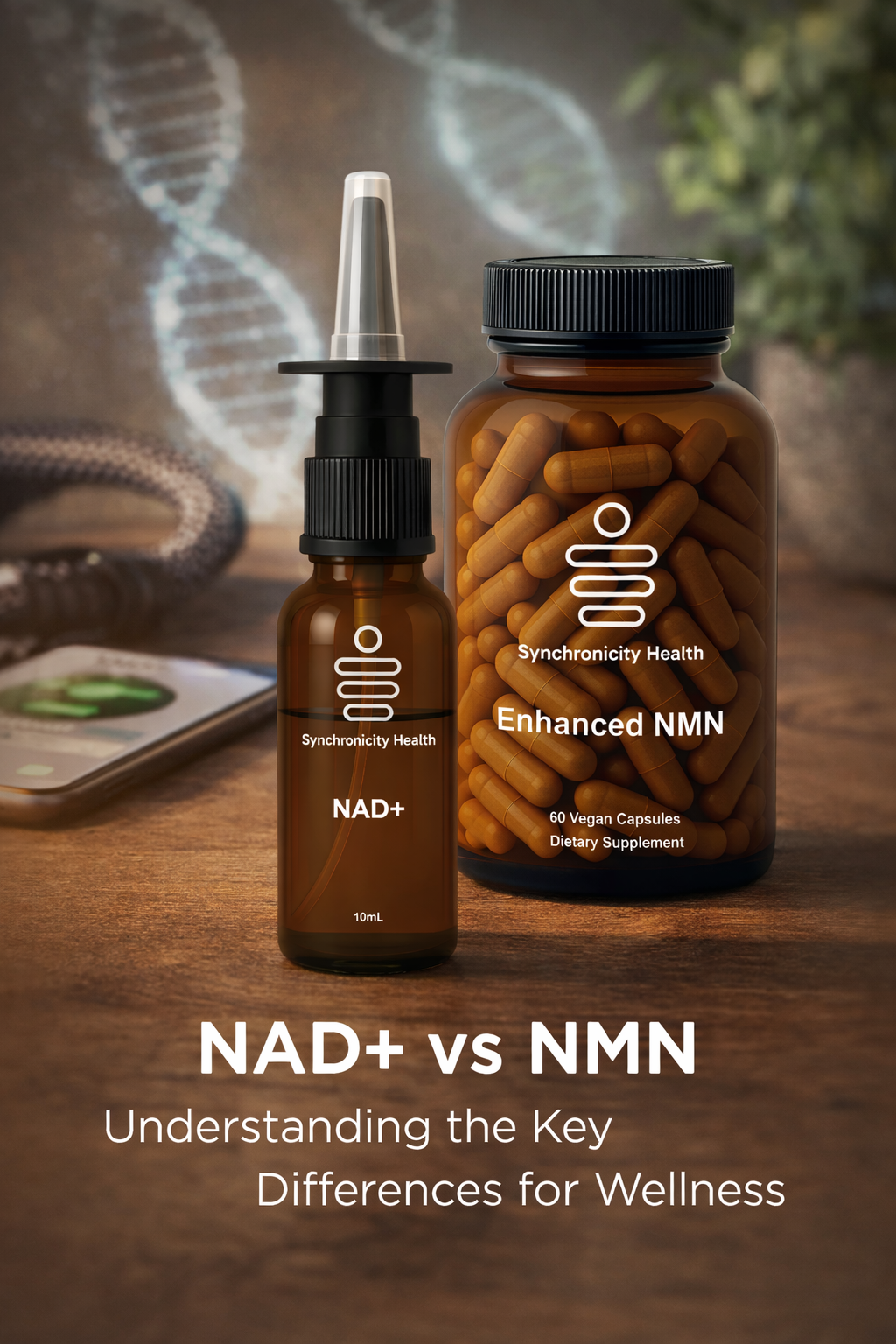
Imagine every cell in the body as a tiny power plant. Inside each one, a helper molecule called NAD+ keeps the lights on, fixes damage, and helps the internal clock stay on beat. When people compare NMN vs NAD+, they are really asking how to best support this helper so energy, focus, and long term health stay strong.
NAD+ is needed for turning food into ATP energy, repairing DNA, running mitochondria, and even regulating sleep–wake cycles. By about middle age, NAD+ levels can fall to around half of what they were in youth. Researchers link this drop to fatigue, brain fog, slower recovery, and higher risk for conditions such as Type 2 diabetes, heart disease, and neurodegeneration.
This is where NMN enters the picture. NMN is the direct precursor the body uses to make NAD+. It sits at the center of many longevity and biohacking discussions, led by scientists such as Dr David Sinclair at Harvard and Dr Shin-ichiro Imai at Washington University. Yet there is a lot of confusion about NMN vs NAD+, NMN supplements, and newer options like NAD+ nasal spray.
This guide walks through the science in plain language. It explains what NAD+ does, how NMN feeds into that system, how aging changes the picture, and where each type of supplement shines. It also explains why delivery methods matter and how Synchronicity Health uses advanced nasal spray technology and physician backed formulas to support the NAD+ pathway. By the end, it becomes much easier to decide which approach fits personal goals for energy, focus, performance, and healthy aging.
Key Takeaways
-
NAD+ is an essential coenzyme present in every cell, and levels drop by about half by middle age. This decline is linked with lower energy, weaker DNA repair, and higher risk for age related conditions, so supporting this pathway can have wide effects across the body and brain.
-
NMN is a direct precursor that cells convert into NAD+ through well studied pathways. It is absorbed well when taken by mouth, and animal studies show rapid rises in blood NMN after oral intake, which supports its use as a daily NMN supplement for broad metabolic support.
-
In practical use, Enhanced NMN often shines for physical and metabolic goals such as energy, weight control support, insulin sensitivity, cardiovascular function, and workout performance. Direct NAD+ support through methods like IV or nasal spray is often chosen when sharper cognitive effects and neurological support are the main focus.
-
Both NMN and NAD+ support anti aging pathways by raising cellular NAD+ levels. This helps mitochondrial function, DNA repair, sirtuin activity, and brain health, which together support longer healthspan rather than only longer lifespan.
-
Delivery method matters as much as the ingredient. Advanced options such as NAD+ nasal spray can greatly improve bioavailability and speed of effect compared with standard oral NAD+ capsules. Synchronicity Health focuses on physician backed, third party tested formulations and nasal delivery technology designed to fit into customizable Sync Stacks for cellular energy and longevity support.
What Is NAD+? Understanding The Body's Master Coenzyme
Nicotinamide adenine dinucleotide, or NAD+, is a coenzyme found in every living cell. It moves in and out of countless reactions that keep cells alive. One of its main roles is helping convert nutrients from food into ATP, the energy currency that powers muscles, organs, and the brain.
NAD+ cycles between two forms, NAD+ and NADH. In this redox cycle, it accepts and donates electrons, which is how it supports mitochondrial energy production. Without enough NAD+, mitochondria slow down, and so does the person who depends on them.
Beyond energy, NAD+ also acts as a raw material for several families of enzymes. Among the best known are sirtuins, often called longevity proteins. These enzymes use NAD+ to regulate gene expression, repair DNA, respond to stress, and support mitochondrial health. Another group, PARPs, also rely on NAD+ to help fix DNA damage that builds up over time.
NAD+ touches many key processes at once. It helps maintain circadian rhythms, which shape sleep and wake cycles. It supports neurons, glial cells, and brain metabolism. It is important for the heart, liver, muscles, and immune cells, all of which need consistent energy and clean DNA to work well.
When NAD+ levels are healthy, cells can make ATP efficiently, repair daily wear and tear, and respond to stress. When levels fall, energy dips, repair slows, and signs of aging speed up. This is why so much attention in longevity and performance circles has shifted toward smart ways to keep NAD+ pathways strong.
As many longevity researchers point out, "If you want cells to age more slowly, keeping NAD+ levels up is one of the best levers you can pull."
What Is NMN? The Direct Precursor To NAD+
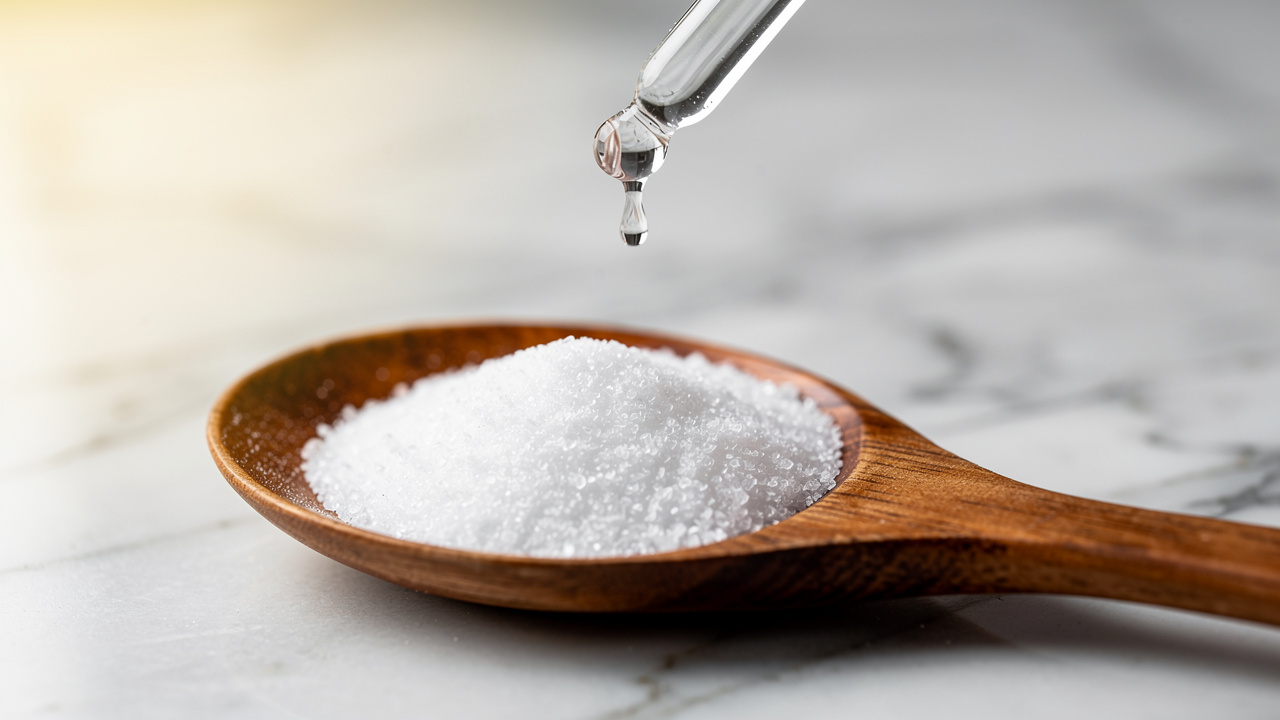
Nicotinamide mononucleotide, or NMN, is a small molecule the body builds from vitamin B3 in the form of nicotinamide. Inside cells, NMN sits one step away from NAD+. Enzymes add one more part to NMN and turn it directly into NAD+, which makes NMN a powerful way to refill the NAD+ pool.
When NMN enters the body, it is taken up through the gut and moved into the bloodstream. From there, it reaches tissues such as muscle, liver, heart, and brain. Inside cells, NMN rapidly converts to NAD+, adding fuel to energy and repair systems. Animal studies show that blood levels of NMN rise within minutes after oral intake, which matches reports that it is well absorbed.
For years, scientists thought NMN had to convert into another molecule, nicotinamide riboside, before cells could use it. More recent work identified a transporter protein called Slc12a8 that moves NMN directly across cell membranes, especially in the small intestine. This helps explain why NMN taken by mouth can have strong effects despite being a charged molecule.
NMN also seems to offer benefits beyond simply acting as a building block. Research in animals shows support for insulin production and glucose tolerance, better lipid profiles, and improved overall metabolic health. These findings match the experiences of many people who use a daily NMN supplement for steadier energy and weight control support.
Small amounts of NMN occur naturally in foods such as broccoli, cabbage, cucumbers, edamame, and avocado. The levels in a normal diet are very low though, far below those used in studies. This is why most people who want to raise NAD+ meaningfully look to supplemental NMN rather than relying on food alone.
The NAD+ Biosynthesis Pathway How NMN Converts To NAD+
The body can make NAD+ through several routes that start from different forms of vitamin B3. Among these, the salvage pathway is the main one in mammals. In this route, the body recycles nicotinamide, turns it into NMN, and then into NAD+. NMN sits at the center of this system, acting as the direct step before NAD+ itself.
Because this network is highly regulated, some enzymes act as bottlenecks. When they slow down, NAD+ production slows with them. This is where both NMN supplementation and direct NAD+ support may help, especially as aging and stress place more pressure on these pathways.
The Critical Role Of NAMPT Enzyme
Nicotinamide phosphoribosyltransferase, usually shortened to NAMPT, is the rate limiting enzyme in the salvage pathway. It converts nicotinamide, which is produced any time NAD+ is used, into NMN. From there, another enzyme finishes the job and creates NAD+.
NAMPT exists in two forms. Inside cells it is called intracellular NAMPT or iNAMPT. Outside cells, in blood plasma and cerebrospinal fluid, it appears as extracellular NAMPT or eNAMPT. The extracellular form has higher activity and is released by several tissues, including fat tissue, liver cells, and immune cells.
Adipose tissue plays a surprising role here. Fat cells release eNAMPT and small membrane bound particles that can carry NMN through the circulation. This supports NAD+ production in distant tissues. With age, NAMPT activity tends to fall, which slows the conversion of nicotinamide into NMN and then into NAD+.
Because NAMPT is a bottleneck, this drop becomes one reason NAD+ levels slide downward with age. Supplying NMN directly through supplementation helps the body move past this slow step. Instead of waiting for NAMPT to create NMN from nicotinamide, cells receive NMN ready to be turned into NAD+.
The Direct Cellular Transport Mechanism
For some time, scientists believed NMN was too large and charged to enter cells directly. The common view was that NMN had to be broken down into nicotinamide riboside outside the cell, then moved in, and then rebuilt into NMN again. This idea raised doubts about how effective oral NMN could be.
The discovery of the Slc12a8 transporter changed that picture. This protein sits in cell membranes and can move NMN straight into the cytoplasm. Its expression is especially high in the small intestine, where levels are about one hundred times higher than in some other tissues.
This means the gut is a major entry point for NMN into the body. NMN taken by mouth can be absorbed through the intestinal wall with the help of Slc12a8 and then carried by the blood to other organs. There is also growing interest in how the gut microbiome may produce or modify NMN and related compounds.
The identification of a direct NMN transporter supports real life reports that NMN supplements are fast acting. It also supports the design of advanced NMN products that aim to improve stability and absorption even further, building on the body’s own transport systems.
The Aging Crisis How NAD+ Levels Plummet Over Time

One of the most striking findings in aging research is how sharply NAD+ levels fall with age. By middle age, many people have about half the NAD+ they had in their twenties. This is not just a side effect of getting older. Many scientists now view falling NAD+ as one of the core features that drive the aging process itself.
As NAD+ drops, energy production weakens, DNA repair slows, and cells become less able to handle stress. Mitochondria work less efficiently and produce more reactive oxygen species. In many systems at once, margins of safety shrink. This is why low NAD+ is linked with metabolic syndrome, cardiovascular disease, neurodegeneration, and faster physical decline.
The good news is that NAD+ is part of a dynamic system. It can be influenced by lifestyle, stress level, and targeted support such as NMN supplementation or direct NAD+ delivery.
Many clinicians describe NAD+ loss as "an aging tax on every cell" and view restoring it as one of the most practical ways to keep tissues resilient.
Why NAD+ Levels Decrease With Age
Several factors combine to drive NAD+ levels down over time:
-
Reduced biosynthesis. As described earlier, NAMPT activity tends to decrease with age. When this enzyme slows, the salvage pathway that turns nicotinamide back into NMN and NAD+ cannot keep up with demand.
-
Increased consumption. Enzymes such as CD38 and certain PARPs use NAD+ as fuel. CD38 activity rises with age and with chronic inflammation. As these enzymes ramp up, they burn through more NAD+, draining cellular stores faster than they can be refilled.
-
Stress and mitochondrial issues. Chronic physical and psychological stress, poor sleep, and overtraining all raise the need for repair and stress responses, which in turn use more NAD+. Mitochondrial dysfunction feeds this cycle by lowering energy output and pushing cells toward an energy crisis.
-
Accumulating DNA damage. DNA damage builds up with age. Each repair event needs NAD+. When damage accumulates, repair demands more NAD+ at the same time that production is slowing. Some research also suggests that aging tissues become less efficient at turning NMN into NAD+, which adds one more layer to the challenge.
The Health Consequences Of NAD+ Depletion
When NAD+ falls, the effects touch nearly every system. Metabolic health often suffers first. Cells process glucose and fats less efficiently, which can feed into weight gain, insulin resistance, and a higher risk of Type 2 diabetes. People may notice this as stubborn weight, energy crashes, and cravings.
Cardiovascular health can also suffer. Blood vessels lose flexibility, endothelial function declines, and the heart becomes more vulnerable to injury. In the brain, lower NAD+ and rising oxidative stress can hurt neurons and glial cells, which may show up as memory trouble, slower thinking, and higher risk for conditions such as Alzheimer’s disease.
At the cellular level, DNA repair slows and damaged cells enter a senescent state more easily. These senescent cells do not divide, but they release inflammatory signals that affect nearby tissues. This low grade, chronic inflammation is often called inflammaging and is closely tied to NAD+ shortages.
Day to day, people may feel this as chronic fatigue, weaker exercise tolerance, longer recovery times, and more aches. Over the long term, the combination of low energy, poor repair, and chronic inflammation speeds many of the hallmarks of aging. This is why strategies that restore or protect NAD+ are of such interest for anyone who cares about healthspan.
NMN vs NAD+ Key Differences Explained
When people compare NMN vs NAD+, they often hope for a simple winner. In reality, these molecules work together. NMN is the direct precursor that turns into NAD+. NAD+ is the active coenzyme cells actually use. Both aim at the same goal, yet they differ in absorption, effects, and best use cases.
Molecular Size And Bioavailability
One of the most important practical differences between NMN and NAD+ is molecular size and how that affects bioavailability.
|
Aspect |
NMN |
NAD+ (Supplemental) |
|---|---|---|
|
Primary Role |
Precursor that cells convert into NAD+ |
Active coenzyme used directly in cellular reactions |
|
Common Forms |
Oral capsules, powder, sublingual tablets, liposomal forms |
IV infusion, injection, NAD+ nasal spray |
|
Typical Everyday Uses |
Metabolic health, cardiovascular support, physical performance |
Fast cognitive support, neurological support |
|
Onset Of Noticeable Effects |
Gradual over days to weeks |
Minutes to hours, depending on delivery route |
NMN is smaller and, as discussed earlier, has a dedicated transporter in the small intestine. Animal studies show that after oral intake, blood NMN levels rise steeply within a few minutes. NMN is also stable in water for days at room temperature, which supports its use in oral and sublingual forms.
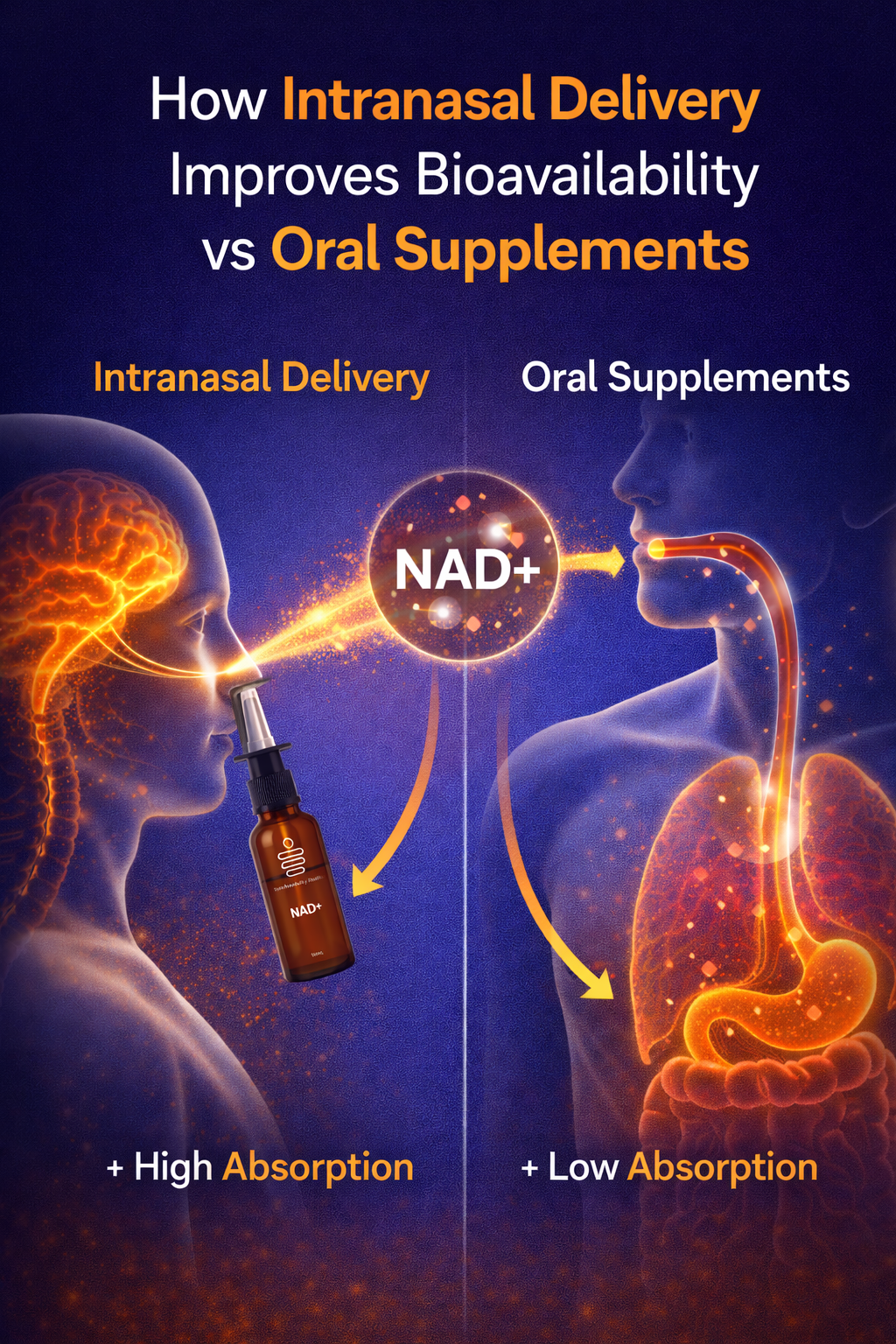
NAD+ is larger and more complex. When taken by mouth in standard capsules or tablets, it tends to break down in the digestive tract before it can reach the bloodstream intact. Enzymes and stomach acid dismantle the molecule, and the liver further alters what remains. The result is low oral bioavailability for intact NAD+.
Because of this, effective NAD+ support often relies on delivery routes that bypass the gut. These include intravenous infusions, injections, and nasal sprays. Synchronicity Health focuses on NAD+ nasal spray because it offers a balance of strong absorption, speed, comfort, and at home convenience that suits busy, performance focused adults.
Targeted Health Effects Metabolic vs Cognitive
Both NMN and NAD+ raise cellular NAD+ levels, but real life experiences and research suggest they often feel different.
NMN’s strengths tend to center on physical and metabolic health. In animal models, NMN improves insulin sensitivity, supports healthy weight, boosts mitochondrial activity, and helps maintain muscle function in older animals. Many users report steadier daily energy, better workout performance, and support for cardiovascular markers.
Direct NAD+ support, especially through fast routes like IV and nasal spray, is often chosen for brain centered goals. Clinicians and users report clearer thinking, sharper focus, better mood, and a sense of mental refresh after NAD+ sessions. This may relate to the high energy demands of neurons and the importance of NAD+ for neurotransmitter balance and protection against oxidative stress.
That does not mean NMN ignores the brain or NAD+ ignores the body. Raising NAD+ in any way helps many systems at once. Still, if the main goal is better metabolic health and long term physical resilience, NMN is often the first choice. If the main goal is an immediate cognitive edge or support after neurological stress, direct NAD+ can be more appealing. Genetics, age, and baseline health all shape how one person responds compared with another.
Delivery Methods And Supplement Forms
Choosing between NMN vs NAD+ is not only about the molecule. It is also about how that molecule enters the body. Each option has its own rhythm, cost, and level of convenience.
For NMN, the most common forms are oral capsules, powders, sublingual tablets, and more advanced liposomal products. Capsules and powders are easy to use, travel friendly, and simple to fit into a morning routine. Sublingual forms may allow some NMN to absorb through the mouth. Liposomal formats wrap NMN in tiny fat like spheres to protect it on the way through the gut.
For NAD+, the picture is different because standard oral capsules are less effective. Intravenous infusions deliver NAD+ directly into the bloodstream and are often used in clinics for intensive protocols. Injections provide another route outside the gut, although they require needles and training.
NAD+ nasal spray offers a middle path. It sends NAD+ across the nasal mucosa directly into the bloodstream and provides a route toward the brain through the olfactory region. Synchronicity Health centers its NAD+ offering on nasal spray because it offers rapid onset, no needles, and fits into normal daily life. Compared with hours in an IV chair, a few sprays at home before deep work or demanding tasks are much simpler for most professionals.
Onset time and cost differ across these methods. IV tends to have a strong, immediate effect but is more expensive and time consuming. Oral NMN is budget friendly for daily use but feels more gradual. Nasal NAD+ sits in between with quick effects and ongoing convenience.
The Comprehensive Health Benefits Of NAD+ Optimization
No matter whether someone uses NMN, NAD+ nasal spray, or a mix of both, the shared target is healthier NAD+ levels in cells. Once that target is reached, many benefits overlap because the same core pathways sit at the center of energy, aging, brain function, and cardiovascular health.
Cellular Energy And Metabolic Enhancement
NAD+ is essential for mitochondrial function, which is where cells create ATP. When NAD+ is plentiful, the electron transport chain runs more smoothly and produces more energy per unit of food. People often feel this as fewer mid afternoon crashes and more stable energy through the day.
In animal studies, raising NAD+ through NMN helped suppress age related weight gain even when food intake did not change. Insulin sensitivity improved, and glucose tolerance moved closer to youthful patterns. These changes support better blood sugar control and a healthier metabolic rate, which can make it easier to manage body composition.
Better mitochondrial function also supports workout performance and recovery. Muscles can contract more powerfully and clear byproducts of exercise more quickly. Over time, this can mean better training results and less fatigue after hard sessions, which is especially valuable for athletes and active adults over thirty.
Anti Aging And Longevity Effects
Many of the cellular processes that define aging are linked to NAD+ status. Sirtuins, especially SIRT1, depend on NAD+ to carry out their roles in gene regulation, stress resistance, and mitochondrial upkeep. When NAD+ is low, these enzymes cannot function at full capacity.
Higher NAD+ supports more effective DNA repair. Every day, DNA takes hits from radiation, chemicals, and normal metabolism. Repair enzymes that use NAD+ help keep these hits from turning into lasting damage. This protects genomic integrity and slows the drift that can drive aging and disease.
NAD+ optimization also supports resistance to cellular stress and may slow the build up of senescent cells, sometimes called zombie cells. These cells no longer divide but release inflammatory signals that can damage nearby tissues. Animal studies of NAD+ precursors show less inflammation, better tissue function, and in some cases, longer lifespan.
Some researchers view NAD+ support as a way to tap into benefits similar to calorie restriction without cutting food intake as sharply. While human data is still developing, the direction of evidence suggests that keeping NAD+ pathways strong can help the body age more slowly on a cellular level.
Cognitive And Neurological Support

The brain uses an enormous amount of energy relative to its size. Neurons depend on NAD+ for ATP production, neurotransmitter synthesis, and defense against oxidative stress. When NAD+ drops, these systems struggle, and cognitive performance can fade.
Raising NAD+ through NMN or direct NAD+ delivery has shown promising effects in animal models of neurodegeneration. In mouse models of Alzheimer’s disease, NMN improved neuron survival, boosted brain energy metabolism, reduced harmful reactive oxygen species, and helped maintain the blood brain barrier. These effects were linked with slower cognitive decline in behavioral tests.
In everyday life, many people who support their NAD+ levels report clearer thinking, better memory recall, and less brain fog. Direct NAD+ routes such as nasal spray tend to be felt quickly, which is why many professionals use them before deep work, critical meetings, or other high focus tasks.
There is also interest in how NAD+ support can aid neuroplasticity, the brain’s ability to adapt and form new connections. While research is still early, the combination of better energy, less oxidative damage, and more efficient repair points toward a brain that can adapt and recover more easily.
Cardiovascular And Physical Performance Benefits
Blood vessels and the heart also gain from higher NAD+ levels. Studies suggest that NAD+ support improves endothelial function, which helps vessels relax and constrict as needed. This supports smooth blood flow and healthier blood pressure patterns.
In animal models, NMN protected heart tissue from damage when blood flow was cut off and then restored, a situation similar to a heart attack followed by treatment. Muscles throughout the body showed better mitochondrial function and greater endurance. For people who train hard or simply want to stay active later in life, these effects can translate into stronger performance and quicker recovery.
Support for joint health and lower inflammation adds another layer. When cellular energy and repair are strong, tissues can handle mechanical stress better. That makes both athletic training and daily movement feel easier and safer.
Scientific Evidence What The Research Shows
Interest in NMN vs NAD+ is driven by real scientific work, not just marketing. Most of the detailed data so far comes from animal studies, especially mice, but human research is growing. The core biology of NAD+ metabolism is well mapped, even as optimal dosing and timing for humans continue to be refined.
As researchers often remind people, "The biology of NAD+ is solid; the fine print on dosing and long term outcomes in humans is still being written."
Breakthrough Findings From Animal Studies
Long term safety data in animals are encouraging. Studies in mice that received oral NMN for a full year at doses up to 300 milligrams per kilogram of body weight did not show significant adverse effects. Instead, many markers of health moved in a positive direction.
Metabolic improvements are among the clearest findings. NMN suppressed age related weight gain, improved insulin sensitivity, and helped both the action and secretion of insulin in diabetic and obese mouse models. Energy metabolism rose, and physical activity increased, suggesting better overall vitality.
Skeletal muscle also responded well. Older mice given NMN showed restored muscle function and improved mitochondrial metabolism. In cardiovascular research, NMN protected hearts from ischemia reperfusion injury, which models the damage that can occur when blood supply is cut off and then restored.
Brain and nervous system effects are especially exciting. In mouse models of Alzheimer’s disease, NMN slowed cognitive decline, supported neuron survival, and reduced oxidative stress in the brain. It helped maintain the integrity of the blood brain barrier, a critical shield that protects neural tissue. Eye studies found better retinal function and protection against age related changes.
Inflammation patterns improved as well. Older mice receiving NMN showed lower inflammation in fat tissue and other organs, which fits with the concept of fighting inflammaging. Interestingly, older animals often responded more strongly than young ones, which may mirror the greater need in aging humans. Rapid absorption and stability data in these studies also support the practical use of NMN as a supplement.
Emerging Human Clinical Trials
Human research on NMN and NAD+ is still early but moving steadily. Leading figures in the field include Dr Shin-ichiro Imai at Washington University and Dr David Sinclair at Harvard. Both have published extensively on NAD+ biology and are involved in clinical work.
Early human trials have focused on safety, pharmacokinetics, and basic metabolic effects. So far, NMN has shown good tolerability, with few and mild side effects at doses commonly used in practice. Some studies report improvements in insulin sensitivity and other metabolic markers, although sample sizes remain modest.
Dr Imai has discussed the idea that NMN may help adult human metabolism behave more like that of someone ten to twenty years younger, based on early data and animal results. Dr Sinclair has shared his personal experiences with NMN, including better lipid profiles and youthful blood markers in his late fifties, though he is careful to separate such anecdotes from formal research.
Larger and longer human trials are under way to clarify optimal dosing, timing, and combinations with lifestyle measures. The scientific community is optimistic yet cautious, balancing strong mechanistic support and animal data with the need for long term human outcomes.
The Importance Of Third Party Testing
While the science of NMN vs NAD+ is advancing, the supplement market itself can be uneven. Label claims do not always match what is in the bottle, and contamination or under dosing can compromise both safety and effect.
Third party testing is one of the best ways to address this. Independent labs can verify the identity, purity, and strength of active ingredients and screen for heavy metals, microbes, and other unwanted compounds. For NAD+ precursors and NAD+ products, which are often used by health focused and performance driven individuals, this extra step matters a great deal.
Synchronicity Health builds third party testing into every batch. Formulations are physician backed, dose transparent, and checked for potency so that users receive what research supports. This approach helps match the science discussed in studies to practical use, giving buyers confidence that their NMN supplement or NAD+ nasal spray aligns with the data they care about.
How To Choose NMN Or NAD+ For Your Goals
There is no single best choice for everyone in the NMN vs NAD+ discussion. Both can play powerful roles in supporting healthspan. The right fit depends on primary goals, lifestyle, budget, and comfort with different delivery methods. Thinking in terms of use cases rather than winners makes the decision much easier.
Choose NMN Supplements If...
NMN is often the best starting point when the main goals involve daily metabolic health, steady physical energy, and long term maintenance. People who want better blood sugar control support, healthier lipids, and cardiovascular function often do well with a consistent NMN routine. Athletes and active adults also use NMN to support workout performance and recovery over months and years rather than days.
Oral NMN is simple to add to a morning stack. Capsules and powders travel easily and fit into busy schedules without clinic visits or special equipment. For many, this makes NMN a cost effective base for decade long health planning rather than a short term experiment.
Health optimization fans, recreational athletes, and professionals who care about staying sharp and active into their forties and fifties fit this profile well. Synchronicity Health designs NMN based products to sit at the center of Sync Stacks that support cellular energy, pairing them with other targeted ingredients chosen to match common goals.
Choose NAD+ Supplements If...
Direct NAD+ support stands out when cognitive and neurological goals sit at the top of the list. People who want a fast boost in mental clarity, focus, and processing speed often look to NAD+ nasal spray or periodic IV sessions. Those recovering from heavy neurological stress, such as intense work sprints or demanding life periods, may also lean this way.
NAD+ through nasal spray can act within minutes rather than days. Professionals who must show up sharp on demand appreciate this timing. They may use a few sprays before high stakes meetings, deep work sessions, or training that taxes both body and brain.
Clinical use of NAD+ often involves IV protocols for more intense needs such as support during substance misuse recovery or chemotherapy. While powerful, these routes are less practical for day to day life. Synchronicity Health focuses on NAD+ nasal spray instead, offering rapid absorption, precise dosing, and physician built formulas that can be used at home. Cost per use is higher than basic oral NMN, but the immediacy of cognitive impact can make it worthwhile for the right person.
The Synergistic Approach Combining Both
A growing number of health enthusiasts and clinicians see the best results by using NMN and NAD+ together in a thoughtful way. Daily oral NMN can support baseline NAD+ levels in tissues tied to metabolism, cardiovascular health, and long term resilience. On top of that, NAD+ nasal spray can be added on days that call for extra cognitive sharpness or during phases when extra support is desired.
This is the thinking behind Synchronicity Health’s Sync Stack approach. Products are designed to work as stand alone options but also to mesh well when combined. For example, someone might take NMN each morning and reserve NAD+ nasal spray for key workdays or before demanding training. Work with a healthcare provider can help refine timing and doses, but the core idea is simple: use NMN for steady background support and add NAD+ in bursts for fast, targeted benefit.
Advanced Delivery Systems Maximizing Bioavailability
Even the best active ingredient cannot help if it never reaches the bloodstream or the cells that need it. Bioavailability, or how much of a dose actually becomes available to tissues, is as important as the choice between NMN vs NAD+. Modern delivery systems aim to solve the gaps left by basic capsules.
The Bioavailability Challenge
Many compounds face hurdles between the capsule and the cell. Stomach acid, digestive enzymes, and gut bacteria can break them apart. What survives must then pass through the intestinal wall and the liver before it reaches general circulation, a process known as first pass metabolism. Large or fragile molecules may be heavily altered along the way.
Cell membranes pose another barrier. Even once a compound is in the blood, it has to cross into cells to do its work. Transport proteins, charge, and solubility all influence how well this happens. For brain targeted effects, the blood brain barrier adds an extra layer of selectivity that only certain molecules can pass.
These challenges explain why some supplements feel strong while others disappoint even with similar labels. Delivery methods that protect active compounds and guide them to absorption points can turn a promising ingredient into a reliable tool.
Nasal Spray Technology A Superior Delivery Method
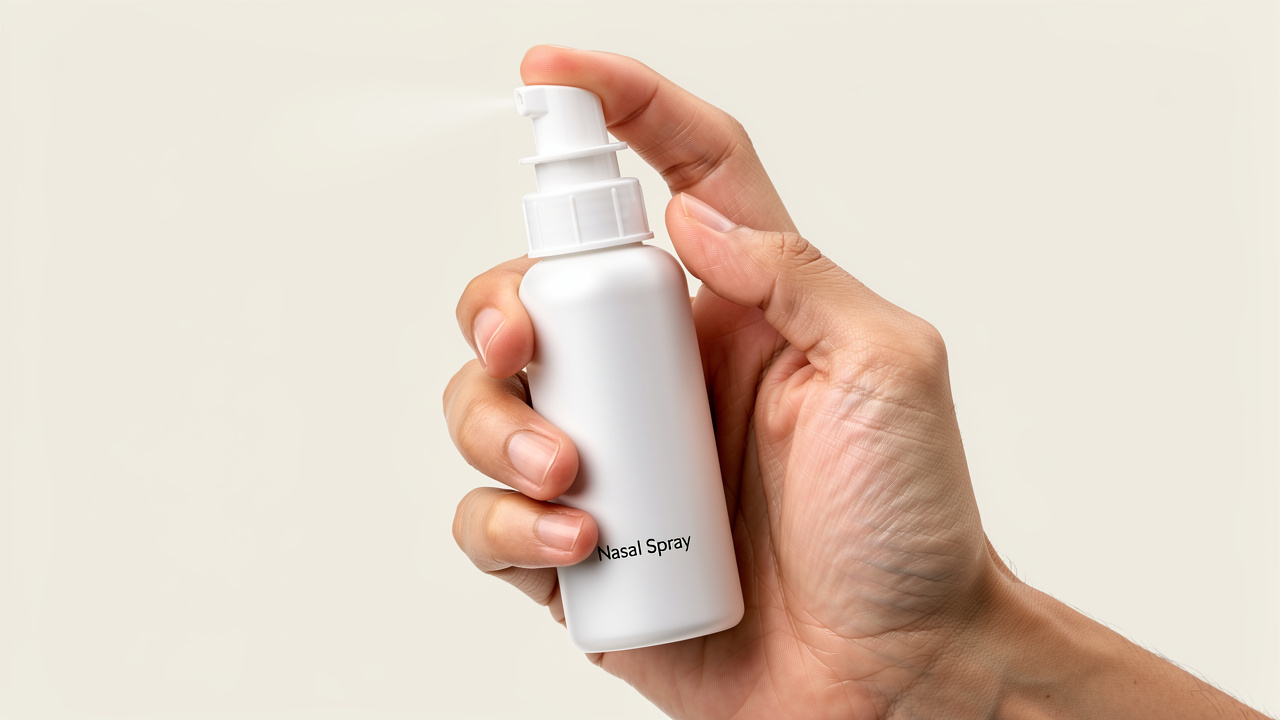
Nasal spray delivery offers a powerful workaround for many of these obstacles. When a fine mist is sprayed into the nose, active ingredients contact the nasal mucosa, a thin, well supplied tissue rich in blood vessels. From there, they can cross directly into the bloodstream without passing through the stomach or liver first.
This route offers several advantages. It avoids digestion related breakdown, reduces losses from first pass metabolism, and can create effects within minutes rather than hours. For compounds that support the brain, nasal delivery has an extra edge. Pathways near the olfactory region provide a more direct connection to the central nervous system through the olfactory and trigeminal nerves.
For NAD+, this combination of speed and access is especially attractive. Synchronicity Health has invested heavily in advanced NAD+ nasal spray technology, building formulations that are physician guided, carefully balanced for absorption, and third party tested for strength and purity. Users can apply measured doses at home without needles or clinic time, which fits well with the lifestyle of busy professionals and biohackers seeking reliable performance tools.
Compared with oral capsules, nasal spray offers much higher functional bioavailability for NAD+. Compared with IV, it trades some maximal intensity for convenience, lower cost, and ease of use. For many, this balance is ideal.
Liposomal Formulations And Extracellular Vesicles
Another modern approach uses liposomal delivery. Liposomes are tiny spheres with a double lipid layer similar to a cell membrane. They can carry active ingredients such as NMN inside and protect them as they move through the gut. Because their structure mimics cell membranes, they may merge more easily with cells and release their contents where needed.
This method mirrors the body’s own use of extracellular vesicles, which are small membrane bound particles that move signals and nutrients between tissues. Research has found that fat tissue can send out vesicles enriched with NMN as part of systemic NAD+ regulation.
Synchronicity Health closely follows research on liposomes and extracellular vesicles and explores how such technologies can be woven into future Sync Stacks. The goal is always the same: deliver active ingredients to cells in the most efficient, reliable way possible.
Safety Side Effects And Dosage Considerations
Any supplement plan deserves a clear look at safety, side effects, and sensible dosing. NMN and NAD+ are both forms of molecules the body already uses, which gives them a different profile from many drugs. Even so, careful use, high quality sourcing, and medical guidance are essential.
General Safety Profile
So far, preclinical and early clinical data support the idea that NMN and NAD+ support are generally safe when used as directed. Long term mouse studies with high dose NMN over a full year did not show major organ toxicity or worrisome lab changes. Instead, most measured markers of health moved in a positive direction.
Human trials, while smaller and shorter, have also found NMN to be well tolerated over months at typical dose ranges. NAD+ delivered through IV or nasal spray is widely used in clinics, with safety overseen by medical staff. Because these compounds plug into existing cellular systems, the body has ways to regulate their use and maintain balance.
That said, not all products on the market meet the same quality standards. Impurities, wrong dosing, or mislabeled ingredients can change the risk profile. Synchronicity Health addresses this by using third party testing, physician guidance, and careful manufacturing practices so that users receive clean, accurately dosed products that match research conditions as closely as possible.
Common Mild Side Effects
Most side effects reported with NMN and NAD+ are mild and temporary:
-
With NMN, some people notice brief nausea, a sense of fullness, or mild digestive discomfort when they first start.
-
Headaches or a wired feeling can appear if the starting dose is high for that person’s current NAD+ status.
-
With direct NAD+ delivery, especially IV, some people feel chest tightness, flushing, or anxiety if the infusion runs too quickly.
-
NAD+ nasal spray can cause slight nasal irritation or a brief unusual taste in the throat.
These sensations usually fade as the body adjusts or when the rate or dose is adjusted. Starting with a lower dose and building up gives the body time to adapt. Taking NMN with food may reduce stomach upset. Spreading doses earlier in the day can reduce interference with sleep. If symptoms persist or feel worrisome, it is wise to pause and speak with a healthcare professional.
Dosage Guidelines And Optimization
There is no single ideal dose that fits everyone, but there are common ranges used in practice and in early studies. For NMN, many adults start between 250 and 500 milligrams per day, often taken in the morning. Some advanced users go higher under medical supervision, especially if targeting specific issues.
For NAD+ nasal spray, dosing depends on the exact concentration and design of the product. It is important to follow the manufacturer’s instructions and not exceed recommended sprays per day without medical advice. Because the nasal route is fast acting, some users reserve it for times when they want an extra cognitive lift.
Consistency matters more than constant tinkering. Sticking to a routine for several weeks gives a fair view of how the body responds. Age, weight, existing health conditions, and goals all shape what an ideal protocol looks like, which is why personalization is so important.
The Critical Importance Of Professional Consultation
Before starting NMN, NAD+ nasal spray, or any other NAD+ related support, it is essential to speak with a qualified healthcare provider. This is especially true for people with existing medical conditions, those taking prescription drugs, women who are pregnant or nursing, and anyone under eighteen.
A professional can review medications for possible interactions, consider family and personal history, and help select sensible doses and timing. Baseline lab work and periodic checks can add another layer of safety and insight. Synchronicity Health’s physician backed approach is built to support this kind of informed, guided use.
Frequently Asked Questions About NMN And NAD+
The science of NMN vs NAD+ can feel dense, and many people ask the same practical questions. The following answers cover the topics that come up most often in clinics, biohacking communities, and longevity circles.
Can You Take NMN And NAD+ Together?
Yes, NMN and NAD+ can be used together, and many people do just that. Since NMN acts as a precursor and direct NAD+ delivery feeds the system from another angle, the two approaches can complement each other rather than compete. There is no clear evidence that combining them creates harmful interactions in healthy adults.
A sensible plan often uses NMN as a daily base for metabolic and cardiovascular support. NAD+ nasal spray or other direct forms can then be layered in on days when extra cognitive performance or recovery support is desired. The main caution is to avoid chasing constant higher doses without guidance. Working with a healthcare provider and paying attention to how the body responds is key. Synchronicity Health designs Sync Stack strategies with this synergy in mind so that combinations stay both effective and reasonable.
How Long Does It Take To Feel The Effects?
Timing depends on both the delivery method and the individual. NAD+ nasal spray often produces noticeable mental clarity, energy, and focus within fifteen to thirty minutes of use. This speed is one reason it is so popular for pre work or pre workout routines among high performers.
Oral NMN tends to feel more gradual. Some people notice subtle energy improvements within a few days, while others report clearer benefits after two to four weeks of consistent daily use. Deeper changes in metabolic markers and body composition can take several months. Intravenous NAD+ infusions create strong effects during and shortly after the session. Keeping a simple journal of sleep, energy, mood, and performance can help track these changes over time.
What Is The Best Time Of Day To Take NMN Or NAD+?
For most people, morning is the best time to take NMN and other NAD+ support. NAD+ levels in the body naturally follow a circadian rhythm, peaking earlier in the day and dipping at night. Morning dosing lines up with this pattern and supports daytime energy and activity.
Some people also like to take NMN shortly before a workout to support performance. Evening dosing can keep some people more alert than they would like near bedtime, so it is often avoided unless there is a specific reason. NAD+ nasal spray can be used as needed through the day before demanding cognitive tasks. Each person’s rhythm is different, so a little experimenting within these guidelines can help find the best schedule.
Are There Any Contraindications Or Who Should Avoid These Supplements?
Certain groups should be cautious or avoid NMN and NAD+ support unless a specialist gives clear guidance. Pregnant or nursing women fall into this category because there is not enough human safety data yet. Children and teens should not use these supplements unless part of a study or under direct medical supervision.
People with active cancer need careful evaluation. Because NAD+ supports cellular energy and repair, there is a theoretical concern about feeding rapidly dividing cells. Oncologists can give the best advice in such cases. Those with complex chronic conditions or on multiple medications should also seek medical input to check for interactions and adjust doses. For healthy adults, NMN and NAD+ appear safe, but personal medical history always matters.
How Do You Know If You Need NAD+ Support?
There is no simple home test for NAD+ levels yet, though research labs can measure them in blood and tissues. Instead, most people go by risk factors and symptoms. Signs that may point toward low NAD+ include chronic fatigue, frequent brain fog, slow recovery from exercise, declining exercise capacity, stubborn weight gain, and early metabolic issues such as elevated fasting glucose.
Risk goes up with age, especially after forty, and with high stress, poor sleep, and sedentary habits. A preventive mindset treats NAD+ support as one tool among many to keep systems strong before obvious problems appear. A healthcare provider can assess symptoms, run lab tests where useful, and help decide whether NMN or NAD+ fits into a broader health plan.
What Makes Synchronicity Health's NAD+ Products Different?
Synchronicity Health focuses on combining strong science with practical delivery methods. The core NAD+ offering is an advanced nasal spray designed to give much better bioavailability than oral NAD+ capsules while staying far more convenient than regular IV sessions. This format supports fast, noticeable cognitive and energy effects that fit into real life.
All formulations are physician backed, built on current research in NAD+ biology, and designed to stack well with other products for full system support. Every batch goes through third party testing to confirm potency and purity, and labels clearly show doses and ingredients. Sync Stack design makes it easy to pair NAD+ nasal spray with NMN and other targeted products for specific goals such as focus, recovery, or longevity. For health optimization enthusiasts who demand premium quality and transparent science, this combination of features sets Synchronicity Health apart.
Conclusion
NAD+ sits at the center of cellular energy, repair, and resilience. It powers mitochondria, supports DNA maintenance, and helps keep the brain and body performing at a high level. With age, NAD+ levels fall, and this drop is tightly linked with many signs of physical and cognitive decline.
In the NMN vs NAD+ discussion, it helps to remember that these are partners rather than rivals. NMN is the direct precursor that cells turn into NAD+ through well mapped pathways, making it a strong choice for daily metabolic and cardiovascular support through simple oral routines. Direct NAD+ support, especially through advanced methods like nasal spray, offers fast and often noticeable cognitive and neurological effects that many busy professionals and biohackers value.
Both approaches are grounded in solid biology, with extensive animal research and a growing body of human data pointing in the same direction. The best choice is personal. Some will focus on NMN for long term physical and metabolic gains. Others will prioritize NAD+ nasal spray for on demand mental performance. Many will find that a thoughtful combination gives the broadest benefits, with NMN as a base and NAD+ used strategically when extra support is needed.
Quality, delivery method, and medical guidance matter as much as the ingredients themselves. Synchronicity Health was built with these needs in mind. Physician guided formulations, advanced nasal spray technology, third party tested purity, and flexible Sync Stacks give health conscious adults a science based way to support their NAD+ pathways.
Taking control of NAD+ status is one of the most promising, research supported strategies for protecting cellular health, extending healthspan, and staying sharp and active with age. With careful use of NMN, NAD+ nasal spray, or both under professional guidance, it becomes possible to move from passive aging to active maintenance of energy, focus, and resilience. Synchronicity Health stands ready to support that plan with tools designed for people who take their long term health as seriously as their work and performance.

Leave a comment
All comments are moderated before being published.
This site is protected by hCaptcha and the hCaptcha Privacy Policy and Terms of Service apply.