

Glutathione is often called the body’s master antioxidant for good reason. It supports cellular defense, detoxification, and brain function, yet levels naturally fall with age, chronic stress, and toxin exposure. For many high performers and health enthusiasts, the question is no longer if glutathione matters, but how to deliver it effectively.
Functional medicine physician Mark Hyman, MD, has called glutathione “the mother of all antioxidants,” highlighting how central it is to cellular protection.
That’s where intranasal delivery comes in. Products like Synchronicity Health’s glutathione nasal spray are designed to move beyond the limits of oral supplements and target the brain, sinuses, and systemic circulation more directly. This guide walks through the most important glutathione nasal spray benefits, who it may help, how it’s absorbed, and what the current science actually shows.
What Is Glutathione And Why It Matters

Glutathione is a tripeptide made from the amino acids cysteine, glutamate, and glycine. Every cell in your body produces it, and healthy cells keep a high ratio of reduced glutathione (GSH) to oxidized glutathione (GSSG). That ratio is a sensitive marker of oxidative stress. The liver, brain, and immune cells carry especially high glutathione concentrations because of their intense metabolic demands.
Key roles of glutathione include:
-
Antioxidant defense – Neutralizes reactive oxygen species (ROS) that damage DNA, proteins, and cell membranes.
-
Detoxification – Conjugates (binds) to heavy metals, pollutants, and metabolic waste so they can be excreted.
-
Immune regulation – Supports T cells, NK cells, and other immune defenses.
-
Cellular maintenance – Helps control cell growth and programmed cell death, clearing damaged or dysfunctional cells.
Low glutathione is associated with:
-
Neurodegenerative conditions (e.g., Parkinson’s, Alzheimer’s)
-
Chronic respiratory issues and sinus inflammation
-
Multiple chemical sensitivity (MCS)
-
Fatigue, brain fog, and accelerated aging
This connection helps explain why interest in glutathione nasal spray benefits has grown among biohackers, longevity-focused individuals, athletes, and clinicians.
Why Intranasal Glutathione Instead Of Oral Or IV?
Oral glutathione sounds convenient, but the digestive tract is not friendly to this molecule. Enzymes in the gut rapidly break it down before it reaches systemic circulation in meaningful amounts.
You can read more about this in the comparison of intranasal vs oral dosing here: Oral glutathione.
IV glutathione bypasses digestion and delivers nearly 100% of the dose to the bloodstream, but it requires a clinic visit, needles, and medical supervision—impractical for daily, long-term use.
Intranasal delivery, as used in glutathione nasal spray, aims to bridge that gap: more targeted than standard oral forms, far more convenient than IV, and with a strong rationale for brain and sinus support.
Intranasal Vs Oral Vs IV: At A Glance
|
Delivery Form |
Pros |
Cons |
|---|---|---|
|
Standard oral glutathione |
Easy to take, familiar format |
Low bioavailability, degraded in the gut |
|
Liposomal oral forms |
Better absorption than standard oral |
Still passes through digestion, variable quality |
|
IV glutathione |
Direct bloodstream access, highest systemic levels |
Invasive, costly, time-consuming |
|
Intranasal glutathione |
Noninvasive, brain and sinus targeting, home use |
May cause nasal irritation in some, dosing still being refined |
For people seeking practical, science-aligned glutathione nasal spray benefits—especially for brain and respiratory health—the intranasal route has become an appealing middle ground.
How Glutathione Nasal Spray Is Absorbed
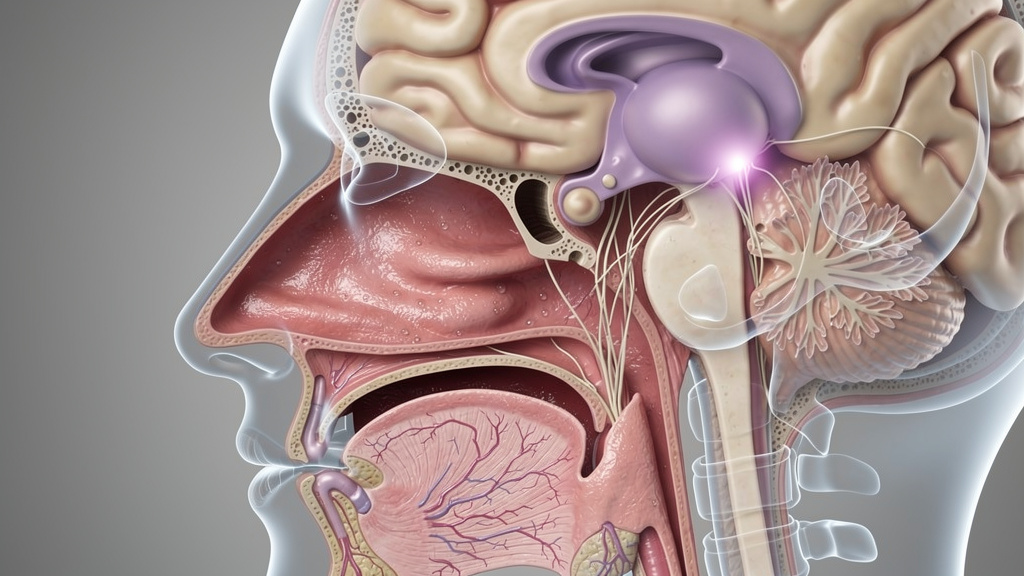
A well-formulated glutathione nasal spray takes advantage of the rich blood supply and neural pathways inside the nose.
One research group has described the nasal cavity as “a fast and noninvasive portal to the central nervous system,” which is why this route attracts so much interest for brain-directed therapies.
Key Absorption Pathways
-
Systemic Absorption Through Nasal Mucosa
Tiny blood vessels in the nasal lining absorb small, water-soluble molecules. Glutathione (307.33 Da, polar) fits this profile, allowing some of the dose to reach the bloodstream quickly while avoiding first-pass liver metabolism. -
Direct Access To The Brain
Research suggests two main routes from nose to brain:-
Intraneuronal pathway: Transport along the olfactory and trigeminal nerves (hours to days).
-
Extraneuronal pathway: Diffusion across the olfactory epithelium and cribriform plate (tens of minutes).
-
-
Local Effect On Nasal And Sinus Tissue
Because the spray directly contacts the mucous membranes, it can support antioxidant defenses right at the site of chronic inflammation in sinusitis and allergies.
What The Imaging Studies Show
Magnetic resonance spectroscopy (MRS) studies in people with mid-stage Parkinson’s disease found:
-
Up to a 240% increase in brain glutathione within 20–60 minutes of a single intranasal dose.
-
Clear evidence that intranasal glutathione can raise brain levels, even though ideal dosing schedules remain under active investigation and sample sizes have been modest so far.
These data form a central pillar behind modern glutathione nasal spray benefits for brain health and cognitive performance.
Evidence-Based Glutathione Nasal Spray Benefits
When people talk about glutathione nasal spray benefits, they’re usually describing changes they notice after consistent use of products such as glutathione nasal spray. Surveys, early-stage trials, and mechanistic studies all help explain why.
Respiratory And Sinus Health
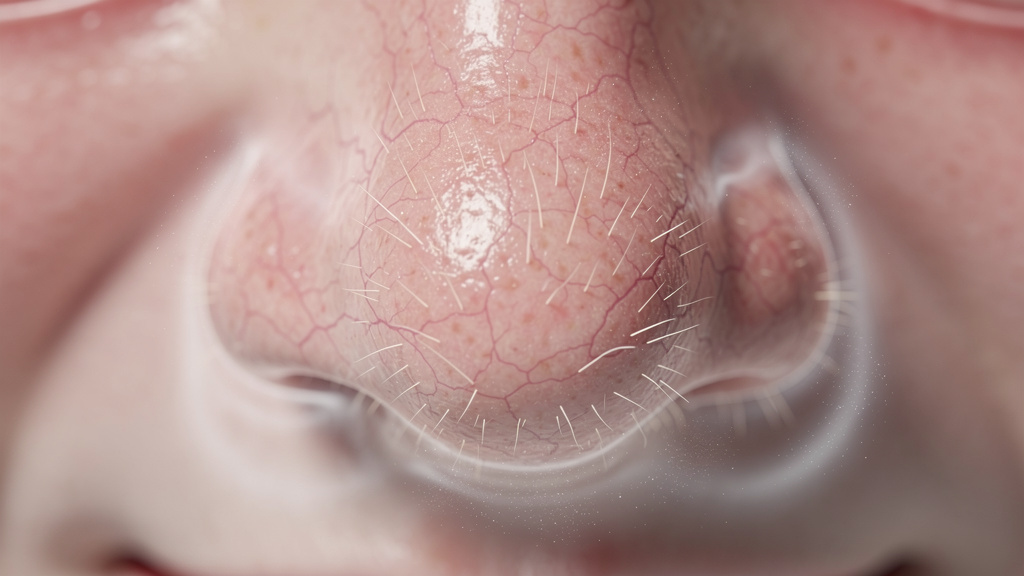
Oxidative stress and depleted antioxidants are common findings in chronic sinusitis and allergic inflammation.
Reported respiratory-related benefits include:
-
In a safety survey of intranasal glutathione users:
-
52% of those using it for allergies or sinusitis reported symptom improvement.
-
48% experienced fewer sinus infections.
-
-
In children with chronic otitis media (often linked with sinus issues), nasal aerosol glutathione:
-
Increased glutathione levels in nasal mucosa within an hour.
-
Improved nasal obstruction, rhinorrhea, and ear fullness.
-
For health enthusiasts dealing with frequent sinus infections or allergy-driven congestion, these glutathione nasal spray benefits can be especially relevant.
Using a product like glutathione nasal spray may also pair well with saline rinses and other physician-guided therapies for upper airway support.
Brain Health, Mood, And Cognitive Performance

Glutathione depletion is a consistent theme across many brain-related conditions:
-
Parkinson’s disease (PD): One of the earliest biochemical changes in PD is a drop in glutathione in the substantia nigra, even before dopamine neurons die.
-
Alzheimer’s disease (AD) and Mild Cognitive Impairment (MCI):
-
Lower brain glutathione levels have been measured in the hippocampus and frontal cortex.
-
Lower glutathione correlates with worse cognitive scores.
-
In cognitively normal older adults, lower glutathione is linked with higher amyloid plaque burden.
-
-
Other CNS conditions: Multiple sclerosis, autism, schizophrenia, and bipolar disorder have all been associated with disrupted glutathione metabolism.
In pilot research using intranasal glutathione formulations similar to glutathione nasal spray:
-
Brain glutathione levels rose quickly on MRS imaging.
-
Small clinical trials in PD showed mixed symptom results—likely due to limited sample size and suboptimal dosing—but confirmed a generally favorable safety profile.
For busy professionals and biohackers, the most noticeable glutathione nasal spray benefits tend to be:
-
Clearer thinking and improved focus
-
Reduced “brain fog”
-
Better perceived mental energy and resilience to stress
Detoxification, MCS, And Environmental Load
Multiple chemical sensitivity (MCS) and related toxin-intolerance syndromes often involve:
-
Heightened oxidative stress
-
Reduced glutathione and glutathione-metabolizing enzymes
-
Impaired detoxification pathways
In a large survey of intranasal glutathione users with self-reported MCS:
-
62.1% experienced overall health benefits.
-
44.8% noted better control of their MCS symptoms.
-
31.0% reported an improved sense of well-being.
-
13.8% had fewer headaches.
For individuals with high environmental exposures—urban pollution, solvents, or heavy industrial work—regular use of a stabilized glutathione nasal spray may support the body’s existing detox pathways without needing IV access. It is usually most helpful when combined with lifestyle measures such as clean air, nutrient-dense food, and adequate sleep.
Longevity, Skin, And Anti-Aging
Oxidative stress and mitochondrial dysfunction are central drivers of aging. Because glutathione protects mitochondria and cellular components, supporting its levels intranasally may have broad longevity-related benefits, including:
-
Support for healthier aging of brain and cardiovascular tissues
-
Better protection against daily oxidative insults from metabolism, exercise, and pollutants
-
Support for skin tone and clarity through:
-
Protection against UV-induced oxidative damage
-
Modest inhibition of melanin production, which can improve the appearance of dark spots and uneven tone over time
-
People using glutathione nasal spray for anti-aging often do so as part of a broader stack that includes sleep support, nutrition, and other antioxidants.
Athletic Performance, Recovery, And Sleep
High-intensity training dramatically increases free radical production. If antioxidant defenses are overwhelmed, the result is more soreness, slower recovery, and less consistent performance.
Relevant glutathione nasal spray benefits for athletes and regular exercisers include:
-
Support for mitochondrial energy production pathways
-
Reduced oxidative stress in muscle tissue
-
Faster perceived recovery and lower post-workout fatigue
-
Possible support for cardiovascular resilience via lower oxidative load
Some athletes stack glutathione nasal spray with:
-
NAC nasal spray – N-acetylcysteine is a precursor to glutathione and also has mucolytic effects, which can be helpful for heavy breathers and endurance athletes.
-
Theanine nasal spray GABA – L-theanine and GABA can support relaxation and sleep quality, helping the nervous system recover between intense sessions.
Glutathione Nasal Spray Vs NAC And Theanine/GABA Sprays
Nasal delivery is a platform, not a single product. Understanding how different sprays compare helps you build a more targeted stack.
-
Glutathione nasal spray
-
Directly supplies glutathione for antioxidant defense, detoxification, and immune support.
-
Central for brain, respiratory, and systemic oxidative stress.
-
-
NAC nasal spray
-
Supplies N-acetylcysteine, which the body uses to make more glutathione.
-
Adds mucolytic benefits for congested airways.
-
Often combined with glutathione nasal spray to support both precursor and active antioxidant levels.
-
-
Theanine nasal spray GABA
-
Targets relaxation, stress reduction, and mental calm.
-
Supports sleep and mood rather than directly raising glutathione.
-
Can complement glutathione nasal spray benefits by addressing nervous-system overactivation that drains resilience.
-
Used thoughtfully and under professional guidance, these sprays can work together to support performance, focus, and recovery without relying solely on stimulants or sedatives.
Who Might Consider Glutathione Nasal Spray?
While intranasal glutathione is not a treatment or cure for any disease, certain groups are especially interested in glutathione nasal spray benefits:
-
Health optimization enthusiasts and biohackers
Seeking sharper cognition, better resilience to stressors, and measurable biomarkers of redox balance. -
Busy professionals
Experiencing brain fog, frequent travel, or high toxin exposure (e.g., urban air pollution, office solvents). -
Longevity-focused individuals
Looking to support antioxidant status, mitochondrial health, and age-related brain changes. -
Athletes and fitness enthusiasts
Focused on recovery, immune resilience during hard training blocks, and clear airways. -
People with high environmental exposures or MCS
Working with a clinician on comprehensive detoxification and symptom management.
If you fit one of these profiles and are considering glutathione nasal spray, it’s wise to review your medical history and current supplements with a qualified practitioner first.
How To Use Glutathione Nasal Spray Effectively

Correct technique and consistent use are essential for experiencing the full range of glutathione nasal spray benefits. The specifics can vary by product, but these principles apply broadly to options like glutathione nasal spray.
Step-By-Step Technique
-
Prepare
-
Wash your hands.
-
Gently blow your nose.
-
Shake the bottle if the label instructs.
-
-
Prime The Spray (First Use Or After A Break)
-
Pump the spray into the air until a fine mist appears.
-
-
Position Correctly
-
Sit or stand upright with your head slightly tilted forward (not fully back).
-
Insert the nozzle into one nostril while gently closing the other with a finger.
-
Aim the tip slightly outward, away from the septum.
-
-
Spray And Inhale
-
Breathe in gently through your nose as you press the pump.
-
Avoid sharp sniffs; you want the mist to coat the mucosa, not shoot straight into the throat.
-
Repeat in the other nostril if directed on the label.
-
-
Afterward
-
Do not blow your nose for several minutes to allow absorption.
-
Wipe the nozzle with a clean tissue and replace the cap.
-
Frequency And Stacking
-
Follow the dosing schedule on your product label or as advised by your clinician.
-
If you are also using NAC nasal spray or a theanine nasal spray GABA product:
-
Separate different sprays by at least several minutes.
-
Coordinate timing with a healthcare professional to reduce risk of overuse or unwanted interactions.
-
Safety, Side Effects, And Dosing Insights
Overall, intranasal glutathione appears well tolerated for most users, but like any bioactive compound, it is not risk-free.
A common clinical principle applies here: “Start low and go slow,” especially if you tend to be sensitive to medications or supplements.
Commonly Reported Side Effects
In surveys and clinical trials, the most frequent issues were mild and related to the nasal route:
-
Irritation or burning in the nose or sinuses
-
Headache
-
Mild nosebleeds
-
Temporary change in smell or metallic taste
In one safety survey, about 12.1% of users reported any adverse event. People with Multiple Chemical Sensitivity were roughly twice as likely to notice side effects, which may reflect their heightened reactivity in general.
Rare Events And High-Dose Concerns
A Phase 2b trial in Parkinson’s disease reported one notable event:
-
A participant on 600 mg/day intranasal glutathione developed cardiomyopathy and tachycardia.
-
Symptoms resolved after stopping the spray.
-
Investigators suggested the possibility of “reductive stress”—cellular stress from overly high antioxidant levels—especially when combined with other potent antioxidants.
This does not mean normal doses of glutathione nasal spray are unsafe, but it does reinforce the importance of:
-
Respecting label instructions
-
Avoiding very high doses on your own
-
Reviewing all antioxidant supplements with a clinician
Dosing: What We Know So Far
-
Clinical trials often used 100–200 mg three times daily (total 300–600 mg).
-
These doses were safe but did not consistently yield strong clinical outcomes in PD, suggesting dosing schedules may need refinement.
-
Stability of the formulation matters; stabilized products can maintain >90% of reduced glutathione content over 1–2 months.
These figures are for context, not personal dosing advice. Special populations—pregnant or nursing individuals, children, and people with serious cardiovascular or respiratory disease—should only use intranasal glutathione under direct medical supervision.
How To Choose A Quality Glutathione Nasal Spray
Not all formulations are equal. When evaluating options such as Synchronicity Health’s glutathione nasal spray, look for:
-
Meaningful dose per spray
Clearly labeled glutathione content per actuation and per daily serving. -
Stabilized reduced glutathione
Formulated to keep glutathione in its reduced, active form for weeks after compounding or manufacture. -
Clean ingredient profile
Minimal excipients, with clear justification for each (e.g., pH adjustment, preservation, isotonicity). -
Manufacturing standards
-
Produced in facilities following Good Manufacturing Practices (GMP).
-
Preferably third-party tested for potency and purity.
-
-
Transparent brand and education
Brands that provide detailed FAQs, mechanism explanations, and realistic discussions of both benefits and limitations are generally more trustworthy. -
Support For Stacking
If you also plan to use NAC nasal spray or theanine nasal spray GABA, check that the brand provides guidance—either on-site or through clinicians—on safe combination strategies.
Well-chosen products maximize the chance that you’ll experience the intended glutathione nasal spray benefits while minimizing the variables that cloud results.
Key Takeaways
-
Glutathione is central to antioxidant defense, detoxification, immune balance, and brain function.
-
Intranasal delivery offers a practical alternative to oral and IV routes, with strong rationale for targeting the brain and respiratory tract.
-
Imaging studies confirm that intranasal dosing can raise brain glutathione quickly, and user surveys report meaningful improvements in sinus symptoms, MCS, general well-being, and perceived energy.
-
Glutathione nasal spray benefits appear especially relevant for:
-
Cognitive performance and brain fog
-
Chronic sinus and allergy issues
-
Environmental and chemical sensitivities
-
Athletic recovery and resilience
-
Longevity and healthy aging strategies
-
-
Side effects are usually mild and localized, but high-dose use without guidance is not recommended.
-
Product choice and correct technique matter; selecting a stabilized, transparent formulation such as glutathione nasal spray and working with a knowledgeable practitioner can help you get the most from this delivery method.
If you’re considering adding intranasal glutathione to your regimen, treat it like any other serious tool: understand the mechanism, respect the dose, and align it with your broader goals for health, performance, and longevity.


Leave a comment
All comments are moderated before being published.
This site is protected by hCaptcha and the hCaptcha Privacy Policy and Terms of Service apply.