
The Ultimate Guide To Anandamide Supplements For Mental Clarity
Anandamide supplements for mental clarity sit at the intersection of neuroscience, performance science, and wellness marketing. If you’re a biohacker, high-performing professional, athlete, or someone already experimenting with NAD+ IV therapy and other longevity tools, you’ve likely seen products promising to “boost the bliss molecule” and sharpen your thinking.
This guide from Synchronicity Health breaks down what anandamide actually is, how it shapes focus and mood, what we really know about anandamide supplements for mental clarity, and how to approach this topic with both curiosity and scientific skepticism.
This content is for educational purposes only and is not medical advice. Always speak with a qualified clinician before starting any new supplement, especially if you take medications or have a medical condition.
As many neuroscientists describe it, “the endocannabinoid system acts like a dimmer switch, tuning brain circuits up or down rather than simply turning them on or off.”
What Is Anandamide And Why It Matters For Mental Clarity
Anandamide (N-arachidonoylethanolamine, or AEA) is an endocannabinoid—a signaling molecule your body makes on its own. It was discovered in 1992 and named from the Sanskrit word ananda (“bliss”) because of its role in feelings of well-being and ease.
Unlike classic neurotransmitters such as serotonin or dopamine that are stored in vesicles, anandamide is:
-
Lipid-based (fat-like)
-
Made on demand from membrane phospholipids
-
Broken down quickly, giving it a short life span in the brain
Anandamide binds to the same cannabinoid receptors that THC from cannabis activates, but in a far more subtle and tightly regulated way. It works alongside another major endocannabinoid, 2‑AG (2‑arachidonoylglycerol). Compared to 2‑AG, anandamide:
-
Exists at much lower concentrations
-
Acts as a partial agonist (weaker activator) at cannabinoid receptors
-
Has a shorter window of action
For mental clarity, anandamide stands out because it helps tune:
-
Attention and cognitive flexibility
-
Stress and anxiety responses
-
Motivation and reward processing
-
Pain perception and physical comfort (which strongly affects focus)
When people look at anandamide supplements for mental clarity, the goal is usually to nudge this system into a zone where thinking feels clear, calm, and steady rather than wired or foggy.
How Anandamide Works In Your Brain: The Endocannabinoid System
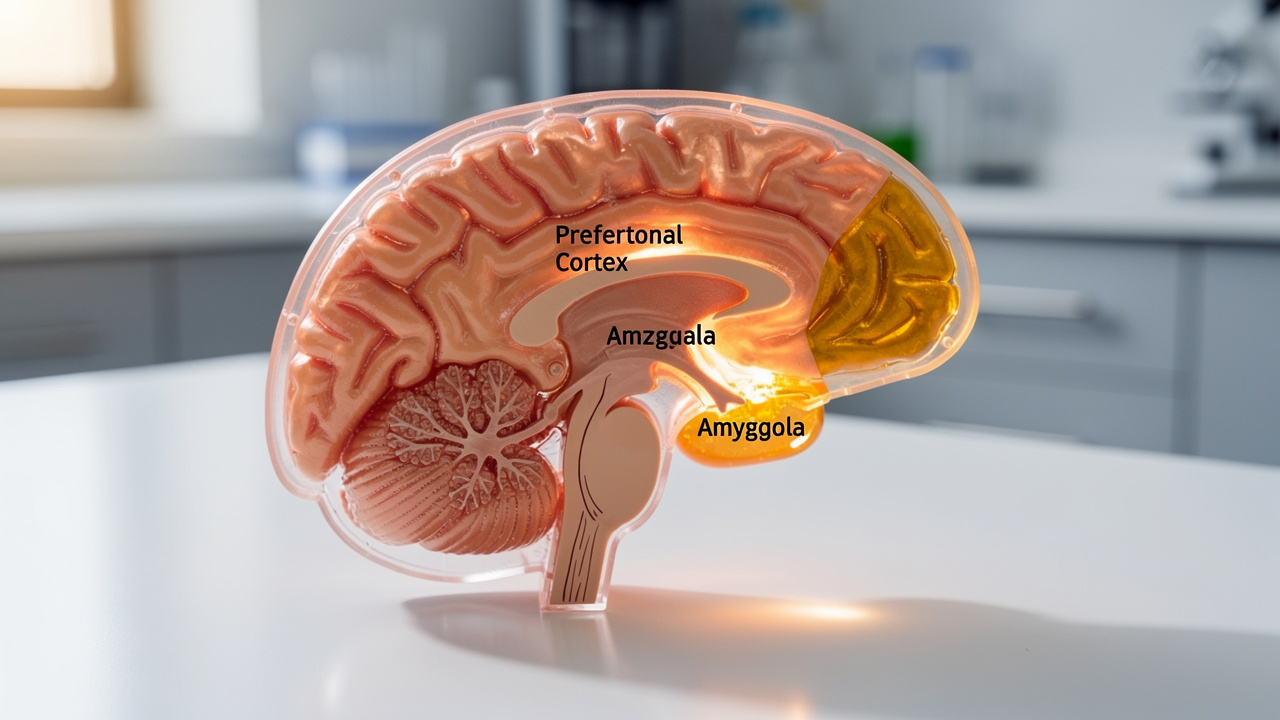
To understand anandamide supplements for mental clarity, you first need a basic grasp of the endocannabinoid system (ECS). The ECS is a signaling network that helps maintain internal balance across many processes: mood, appetite, sleep, pain, immune function, and more.
The ECS includes:
-
Endocannabinoids – anandamide (AEA), 2‑AG
-
Receptors – mainly CB1 and CB2
-
Enzymes – that make and break down these molecules (notably FAAH for anandamide)
CB1 And CB2 Receptors
CB1 receptors
-
Extremely abundant in the brain
-
Dense in regions tied to cognition and emotion: prefrontal cortex, hippocampus, amygdala, basal ganglia, cerebellum
-
Located mostly on presynaptic terminals, where they regulate how much neurotransmitter is released
When anandamide binds CB1 receptors, it generally reduces neurotransmitter release, fine-tuning circuits involved in:
-
Short- and long-term memory
-
Executive function
-
Emotional regulation
-
Pain and sensory processing
CB2 receptors
-
Found mainly in immune tissues and cells
-
Also present in microglia and some neurons in the brain
-
Involved in immune modulation and neuroinflammation
Activation of CB2 by anandamide can influence brain inflammation and may indirectly support long-term brain health.
Retrograde Signaling: Anandamide Runs “Backwards”
Unlike most neurotransmitters (which go from presynaptic to postsynaptic neuron), anandamide often acts as a retrograde messenger:
-
A postsynaptic neuron becomes highly active.
-
It synthesizes anandamide on demand from membrane lipids.
-
Anandamide diffuses backward to the presynaptic terminal.
-
It binds CB1 receptors and suppresses further neurotransmitter release (glutamate, GABA, etc.).
This retrograde signaling creates:
-
Depolarization-induced suppression of inhibition (DSI) – reduces GABA release
-
Depolarization-induced suppression of excitation (DSE) – reduces glutamate release
In practice, this means anandamide behaves like a circuit breaker and fine-tuner. It can dampen noise, prevent runaway excitation, and refine signal flow through key cognitive and emotional networks—exactly the processes people hope to influence with anandamide supplements for mental clarity.
Beyond Cannabinoid Receptors: TRPV1, GPR55, And PPARs
Anandamide is not limited to CB1 and CB2. It also interacts with several other targets that matter for cognition, pain, and inflammation:
-
TRPV1 (vanilloid) receptors
-
Same receptors activated by capsaicin (chili pepper heat)
-
Involved in pain, temperature, and blood vessel dilation
-
Anandamide can activate TRPV1 at higher concentrations, influencing pain and vascular tone
-
-
GPR55
-
An orphan GPCR sometimes called a “candidate” cannabinoid receptor
-
Expressed in sensory neurons and brain regions linked to movement and pain
-
Anandamide can modulate its activity, affecting calcium signaling inside cells
-
-
PPARα and PPARγ
-
Nuclear receptors that regulate gene expression related to inflammation, metabolism, and cellular stress
-
Anandamide can activate them, contributing to anti-inflammatory and metabolic effects independent of CB1/CB2
-
These multiple receptor targets help explain why anandamide influences not just mood and focus, but also pain, cardiovascular function, and immune responses.
Anandamide, Mood, Stress, And Mental Clarity
Mental clarity is not just about processing speed; it’s about how your brain performs under emotional load. Here’s where anandamide becomes especially relevant.
Anxiety And Fear
Studies in animals and humans show that higher anandamide levels are often associated with:
-
Lower baseline anxiety
-
Reduced fear responses
-
Better recovery after stress
Conversely, low anandamide has been linked to elevated anxiety and increased risk for conditions such as PTSD. By modulating key circuits in the amygdala, hippocampus, and prefrontal cortex, anandamide helps calibrate how strongly you respond to threats—perceived or real.
For busy professionals and entrepreneurs, this can translate to:
-
Feeling less rattled by high-stakes situations
-
Better decision-making under pressure
-
Reduced “mental noise” from chronic stress
Reward, Motivation, And Dopamine
Anandamide also modulates the mesocorticolimbic dopamine system—the brain’s core reward pathway from the ventral tegmental area (VTA) to the nucleus accumbens.
-
Direct administration of anandamide can increase dopamine release in the nucleus accumbens (in animal models).
-
This influences motivation, reinforcement, and how rewarding experiences or substances feel.
However, the effects are complex and dose-dependent. Some experiments show rewarding properties; others show neutral or even aversive effects, especially when anandamide breakdown is heavily blocked. The takeaway: simply pushing anandamide higher does not guarantee a blissful, focused state.
Factors That Shape Your Anandamide Levels
Before considering anandamide supplements for mental clarity, it helps to know what already controls your baseline levels.
FAAH: The Main “Off Switch”
The enzyme fatty acid amide hydrolase (FAAH) is the primary way your body shuts down anandamide signaling. Once anandamide is taken back into cells, FAAH rapidly breaks it into:
-
Arachidonic acid
-
Ethanolamine
Higher FAAH activity = lower anandamide levels
Lower FAAH activity = higher anandamide levels
Genetic variations in the FAAH gene (such as the Pro129Thr variant) can:
-
Reduce FAAH efficiency
-
Lead to elevated baseline anandamide
-
Alter stress responses, pain sensitivity, and possibly substance use risk
THC And Cannabis Use
Chronic THC exposure appears to upregulate FAAH in some studies, leading to:
-
Faster breakdown of anandamide
-
Lower endogenous anandamide tone
-
Potential shifts in mood and stress regulation when not using cannabis
If you use cannabis frequently and are also interested in anandamide supplements for mental clarity, this background shift in your ECS is important to keep in mind.
Can You Really Take Anandamide Supplements For Mental Clarity?
Here’s the key reality: there is currently no well-validated way to supplement pure anandamide orally and reliably raise brain levels in humans.
Anandamide itself is:
-
Chemically unstable
-
Rapidly broken down in the gut and liver
-
Poor at crossing the blood–brain barrier when taken orally
Despite this, the supplement market offers many products branded as anandamide supplements for mental clarity. Most fall into one of three categories:
|
Product Type |
What It Actually Is |
Scientific Support |
|---|---|---|
|
“Pure anandamide” capsules or powders |
Often claims more than they can deliver; true oral anandamide is unstable and poorly absorbed |
Very limited; serious pharmacology challenges |
|
FAAH-inhibiting drugs (research compounds) |
Prescription or experimental molecules like URB597 tested in preclinical models |
Strong preclinical data for pain, anxiety, addiction—but not sold as dietary supplements |
|
Endocannabinoid-support blends |
Herbs, flavonoids, fats, chocolate, CBD, etc., meant to support ECS function indirectly |
Some mechanistic and early human data, but effects on anandamide levels and mental clarity are not well quantified |
So when you see anandamide supplements for mental clarity online, they are almost always ECS-supporting formulas, not actual, stabilized anandamide.
That doesn’t mean they are useless—it just means:
-
Their effects are likely modest and indirect.
-
Marketing claims frequently exceed the current evidence.
-
You should evaluate them as you would any other nootropic blend, not a precise anandamide “replacement.”
Natural And Lifestyle Strategies To Support Anandamide And Focus

Because direct supplementation is shaky, many performance-oriented clinicians and researchers focus on supporting your own production and retention of anandamide.
Exercise: The “Runner’s High” Candidate
Intense aerobic exercise has been linked to increases in circulating anandamide and is a strong candidate for the “runner’s high” effect:
-
Euphoria or lightness
-
Reduced pain
-
Calm focus after training
Animal and human data support a rise in endocannabinoids after sustained exercise, though endorphins and other factors are also involved.
Practical Tip
-
Aim for moderate-to-vigorous cardio (about 20–45 minutes) a few times a week.
-
This is one of the most credible “anandamide boosters” you have access to, while also supporting cardiovascular and brain health.
Mind–Body Practices
Meditation, breathwork, and acupuncture have been reported in some studies to influence endocannabinoid levels:
-
Reduced stress hormones
-
Improved mood and sleep
-
Potential increases in anandamide and 2‑AG in certain contexts
Evidence here is still early, but even without direct anandamide data, these practices clearly support mental clarity and resilience.
Diet And ECS-Friendly Nutrients
Several dietary factors may help maintain favorable endocannabinoid tone:
-
Essential fatty acids
-
Anandamide is derived from arachidonic acid (omega‑6), but overall omega‑3 to omega‑6 balance seems important for ECS function.
-
Cold-water fish, algae oils, walnuts, and flaxseed support a healthier ratio.
-
-
Flavonoids that may inhibit FAAH (lab data)
-
Kaempferol in apples, grapes, broccoli, and tea has shown FAAH inhibition in vitro.
-
Human data are limited, but these foods align with general health goals.
-
-
Chocolate and truffles
-
Dark chocolate contains compounds that can interact with the ECS, and black truffles contain anandamide-like molecules.
-
Treat these as interesting extras, not as reliable therapeutic tools.
-
-
CBD (cannabidiol)
-
CBD may inhibit FAAH and influence anandamide levels, though its effects vary by dose and individual biology.
-
Some people report calmer focus when combining CBD with other nootropics; others feel sedated.
-
Lifestyle strategies will often have a larger, more predictable impact than most commercial anandamide supplements for mental clarity.
Forms Of Anandamide-Focused Products: Pros And Cons
Even though most products do not deliver pure anandamide, ECS-supporting formulas and related nootropics are sold in several forms. Understanding these helps you choose what fits your routine.
Capsules
Pros
-
Simple dosing and travel-friendly
-
Easy to stack with other supplements
-
Longer shelf life
Cons
-
Slower onset (digestion required)
-
Fixed dosing; less flexible if you’re titrating carefully
Tinctures (Liquids/Oils)
Pros
-
Faster absorption through oral mucosa
-
Flexible dosing via dropper
-
Can be blended into drinks or taken sublingually
Cons
-
Taste can be off-putting
-
Glass bottles are less convenient for travel
Edibles (Bars, Gummies, Drinks)
Pros
-
Pleasant to take; easy adherence
-
Discreet in office or travel settings
Cons
-
Slower and more variable absorption
-
Added sugars or fillers that don’t fit every diet
-
Harder to fine-tune dose
Powders
Pros
-
Can be mixed into smoothies or pre-workout drinks
-
Customizable dosing
Cons
-
Requires measuring equipment and prep time
-
Risk of dosing errors without precision
Topicals
Some ECS-targeted topicals (creams, balms) are marketed for pain and inflammation relief.
-
Pros: Helpful for localized discomfort
-
Cons: Unlikely to affect brain anandamide levels or mental clarity in a meaningful way
For anyone specifically seeking anandamide supplements for mental clarity, oral capsules or tinctures tend to be the most practical, while recognizing their indirect mode of action.
How To Choose Anandamide Supplements For Mental Clarity Wisely
Because the science and marketing are misaligned, careful product selection is essential—especially if you care about longevity, lab markers, and performance.
1. Clarify Your Main Goal
Be specific:
-
“I want smoother focus without stimulants.”
-
“I want to feel calmer before high-pressure meetings.”
-
“I want better post-workout mental recovery.”
This helps you evaluate whether anandamide supplements for mental clarity are the right category at all, or if you’d be better served by better sleep, B vitamins, choline donors, or NAD+ support.
2. Examine The Ingredient Panel
Look for:
-
Clear listing of all ingredients and amounts
-
Realistic claims around mood, stress, and focus
-
Evidence-based components (e.g., magnesium, L‑theanine, bacopa, CBD, omega‑3s) rather than a vague “proprietary ECS blend”
Red flags:
-
No transparency on dosing
-
Overstated promises (“guaranteed bliss,” “instant cognitive overhaul”)
-
Claims that sound more like pharmaceuticals than supplements
3. Demand Quality And Testing
Given the audience’s focus on health-span and lab data, you should expect:
-
Third-party testing for identity, purity, and contaminants
-
Certificates of Analysis (COAs) available on request
-
Manufacturing in facilities that follow GMP standards
For those already investing in NAD+ IV therapy or peptide programs, it makes little sense to cut corners on the quality of anandamide supplements for mental clarity.
4. Consider How It Fits Your Stack
Think about:
-
Your caffeine intake
-
Other nootropics or adaptogens (e.g., ashwagandha, rhodiola)
-
Prescription meds (SSRIs, benzodiazepines, stimulants, beta-blockers)
Some combinations can lead to excessive sedation, blood pressure changes, or mood swings. This is a good point to bring in a clinician with experience in nootropics or functional medicine.
Stacking Anandamide-Supporting Products With Other Nootropics
If you decide to experiment with anandamide supplements for mental clarity, consider combinations that support calm focus without pushing any single system too hard.
Common pairings (always vet for interactions):
-
Omega‑3 fatty acids (DHA/EPA)
-
Support membrane health and ECS balance
-
Complement both cognitive function and cardiovascular health
-
-
Magnesium (especially glycinate or threonate forms)
-
Supports GABAergic tone and NMDA regulation
-
Can improve sleep quality and stress resilience
-
-
L‑theanine
-
Promotes relaxed alertness
-
May help smooth out any anxiety or racing thoughts
-
-
-
Traditional herb with data for memory and anxiety reduction
-
Often used in long-term cognitive support plans
-
-
Curcumin
-
Anti-inflammatory and antioxidant properties
-
May support brain health and possibly ECS function indirectly
-
-
NAD+–related support (IV or oral precursors like NR/NMN)
-
Targets cellular energy and mitochondrial function
-
Can be combined with ECS support to address both energy and stress regulation, though this is more about complementary systems than direct interaction
-
Start with one change at a time so you can actually tell what is helping and what is not.
Dosage, Timing, And Tracking Your Response

There is no established clinical dosing for anandamide itself as an oral supplement. Dosing guidance from manufacturers usually refers to their specific blends, not anandamide per se.
Practical Guidelines
-
Start low
-
Begin at the lower end of the product’s suggested range.
-
For many ECS-supporting blends, that might be 1 capsule or a small fraction of a dropper daily.
-
-
Increase slowly
-
If you tolerate it well for 5–7 days, consider a small increase while watching for mood or sleep changes.
-
-
Time of day
-
Many people prefer morning or early afternoon for focus-related effects.
-
If a product is calming or somewhat sedating (e.g., combined with CBD or L‑theanine), evening dosing may make more sense.
-
Track Data, Not Just Impressions
For performance-oriented readers, treat anandamide supplements for mental clarity like any other experiment:
-
Keep a simple journal or app log including:
-
Dose and timing
-
Sleep quality
-
Perceived focus and stress (e.g., 1–10 scale)
-
Training load (if you’re an athlete)
-
Any side effects
-
-
Consider periodic biomarkers with your clinician:
-
Blood pressure and heart rate
-
Inflammatory markers
-
Sleep tracking via wearables
-
Cycling on and off after several weeks can help you see whether the supplement is truly contributing or if lifestyle changes are doing the heavy lifting.
Risks, Side Effects, And Who Should Avoid These Products
Even though anandamide is endogenous, pushing on the ECS with supplements is not risk-free.
Commonly Reported Side Effects (From ECS-Supporting Blends)
-
Drowsiness or low energy
-
Dizziness or feeling “off”
-
Mild headaches
-
Nausea or GI discomfort
-
Irritability or subtle mood swings
These often improve by reducing the dose or changing timing, but they are a sign to proceed carefully.
More Serious Concerns
You should seek medical guidance and likely avoid anandamide-focused products if you:
-
Take medications for:
-
Depression, anxiety, psychosis, or bipolar disorder
-
Blood pressure or heart rhythm
-
Seizures or significant neurologic disease
-
-
Are pregnant, trying to conceive, or breastfeeding
-
Have a history of serious psychiatric conditions or substance use disorders (given the ECS’s role in reward and relapse)
Long-term effects of pushing anandamide signaling through supplements—particularly in high doses or complex stacks—are not well studied.
FAQs About Anandamide Supplements For Mental Clarity
1. Do Anandamide Supplements For Mental Clarity Actually Work?
Most products sold as anandamide supplements for mental clarity do not contain stable, bioavailable anandamide. They contain compounds that may support the ECS indirectly. Some people report better calm focus, while others feel little difference. Rigorous human trials are still limited.
2. Are These Supplements Legal In The US?
ECS-supporting dietary supplements that use legal ingredients (herbs, nutrients, CBD from hemp where allowed, etc.) are generally legal. Experimental FAAH inhibitors and pharmaceutical-grade anandamide analogs are not sold as supplements and remain in the research or drug-development pipeline.
3. Can They Replace Prescription Medications For Anxiety Or ADHD?
No. Anandamide supplements for mental clarity are not substitutes for prescribed therapies. Never stop or change prescription medications without working directly with your prescribing clinician.
4. How Long Before I Notice Any Effects?
If a product is going to help, some people notice changes in:
-
Perceived stress or calm within a few days
-
Sleep or recovery within 1–2 weeks
-
Cognitive changes (attention, recall) over several weeks of consistent use
However, many users experience only mild or no noticeable effects.
5. Are These Supplements Addictive?
There is no strong evidence that typical ECS-supporting blends cause physiological dependence. That said, anything that affects mood or stress can be psychologically reinforcing. Stick to labeled doses and avoid escalating purely in search of “more effect.”
6. Can I Combine Anandamide-Focused Products With Caffeine Or Other Stimulants?
Many people do, but the combination can feel mixed:
-
Some notice a smoother, less jittery caffeine experience.
-
Others feel flattened or “off.”
Because both systems affect arousal and cardiovascular function, introduce combinations cautiously and under professional guidance if you have any heart or blood pressure issues.
Putting It All Together: Is Anandamide Support Right For You?
Anandamide is a powerful, nuanced signaling molecule that shapes how you experience stress, reward, pain, and cognitive load. That makes anandamide supplements for mental clarity an appealing idea—but also a field where marketing is ahead of hard data.
If you are:
-
Already investing in your sleep, training, and nutrition
-
Carefully monitoring lab work and responses to NAD+ or other therapies
-
Open to experimentation but grounded in evidence
…then targeted ECS-supporting formulas may be worth a structured trial, provided you:
-
Choose transparent, third-party-tested products
-
Start with low doses and adjust slowly
-
Track your response objectively
-
Work with a clinician who understands both performance and safety
For many people, consistent exercise, stress management, high-quality nutrition, and adequate recovery will deliver more reliable improvements in mental clarity than any single supplement.
Used thoughtfully, anandamide-focused strategies can be one more tool in your performance and longevity toolkit—but they are best treated as fine-tuning, not a magic switch.


Leave a comment
All comments are moderated before being published.
This site is protected by hCaptcha and the hCaptcha Privacy Policy and Terms of Service apply.