

Glutathione has become a go-to antioxidant for people serious about performance, longevity, and brain health. As awareness grows, more clinics are offering intravenous (IV glutathione), while at-home options like glutathione nasal spray are gaining traction with health enthusiasts and biohackers.
Both approaches bypass the digestive tract and aim to raise glutathione where it matters. They are not interchangeable, though. Each has its own strengths, limitations, and best-use scenarios.
This guide walks through the science behind glutathione, compares IV therapy and glutathione nasal spray side by side, and helps you decide which approach may fit your health goals. It is for educational purposes only and does not replace personalized medical advice.
Glutathione 101: Why This Antioxidant Matters

Glutathione is a small protein (a tripeptide) made from three amino acids: cysteine, glutamate, and glycine. Your cells manufacture it continuously, and it is present almost everywhere in the body, especially in the liver and brain.
Inside cells, glutathione exists in two main forms:
-
Reduced glutathione (GSH) – the active form that neutralizes free radicals
-
Oxidized glutathione (GSSG) – the “used” form created after GSH quenches oxidative stress
A healthy cell maintains a high GSH-to-GSSG ratio. When that ratio drops, it signals increasing oxidative stress and cellular strain.
Key roles of glutathione include:
-
Antioxidant defense – neutralizes reactive oxygen species that damage DNA, proteins, and cell membranes, as documented in research on the Past and Present of antioxidant studies spanning multiple decades
-
Detoxification – binds to heavy metals, pollutants, and drug metabolites so they can be excreted in urine or bile
-
Immune balance – supports T cells and other immune cells that respond to infections and inflammation
-
Mitochondrial protection – guards the energy-producing machinery in cells from oxidative damage
-
Cell repair and turnover – influences cell growth and programmed cell death (apoptosis)
Glutathione levels tend to decline with:
-
Age
-
Chronic stress and poor sleep
-
Environmental toxin exposure
-
Chronic illness and ongoing inflammation
That decline is linked to neurodegenerative conditions, immune dysregulation, and respiratory disease, which is why so many people look for effective ways to support glutathione.
“The human body has an astonishing capacity for repair when given the right inputs.”
This principle underlies much of modern interest in antioxidant support, including NAC.
Why Delivery Method Matters For Glutathione
Swallowing glutathione seems simple, but oral glutathione faces a major hurdle: digestive enzymes. Much of it is broken down in the gut before it can reach your bloodstream.
To work around that, two non-oral delivery methods have become popular:
-
IV glutathione – a sterile solution infused directly into a vein
-
Glutathione nasal spray – a fine mist of reduced glutathione delivered into the nasal passages
Both routes bypass the digestive system, but they send glutathione into the body in different ways:
-
IV therapy mainly floods the systemic circulation with a high short-term dose.
-
Glutathione nasal spray primarily targets the nasal mucosa, sinuses, and brain, with some systemic absorption as well.
Understanding those differences is key when you are choosing between them.
Glutathione IV Therapy: How It Works

In IV glutathione therapy, glutathione is dissolved in a sterile fluid and infused into a vein over 10–30 minutes, often as part of a broader IV “nutrient drip.” Because it goes straight into circulation, bioavailability is essentially 100% at the moment of infusion.
“The vein is the express lane to your bloodstream,” as many infusion clinicians put it when explaining why IV routes act so quickly.
Potential Benefits Of IV Glutathione
People and clinicians turn to IV glutathione for several reasons:
-
Rapid systemic antioxidant support – creates a quick spike in blood glutathione levels
-
Support for detoxification protocols – often used alongside chelation or other detox strategies under medical supervision
-
Skin and cosmetic goals – some clinics use IV glutathione for skin brightening, though evidence is mixed and safety at high cosmetic doses is still under review
-
Adjunct in neurological protocols – small studies and clinical experience have explored IV glutathione in Parkinson’s disease and other neurodegenerative conditions, with mixed but intriguing results
-
Short-term recovery – some athletes and busy professionals use IV sessions around periods of heavy stress, travel, or intense training
Because IV delivery provides a large amount of glutathione in one sitting, you may feel a noticeable effect shortly after treatment, especially if your baseline levels are low.
Limitations And Risks Of IV Glutathione
Despite its popularity, IV therapy has important trade-offs:
-
Inconvenience and time – requires clinic visits, an IV line, and staff
-
Cost – regular infusions can become expensive as a long-term strategy
-
Needle and infection risk – any IV access carries a small risk of infection, bruising, or vein irritation
-
Short-lived peaks – blood glutathione levels often spike and then fall relatively quickly after infusion
-
Targeting limits – IV therapy raises systemic levels but does not specifically direct glutathione to the sinuses or brain
Side effects are usually mild (flushing, lightheadedness, nausea), but rare allergic reactions or breathing changes can occur. IV glutathione should always be administered by a qualified professional who can monitor you during the infusion.
What Is Glutathione Nasal Spray?

Glutathione nasal spray is a sterile solution of reduced glutathione (GSH) compounded for intranasal use. It is dispensed as a fine mist into each nostril, either from a metered spray bottle or an atomization device.
Many health-focused individuals prefer this route because it can be used at home, does not require needles, and has potential advantages for both respiratory and brain-related goals.
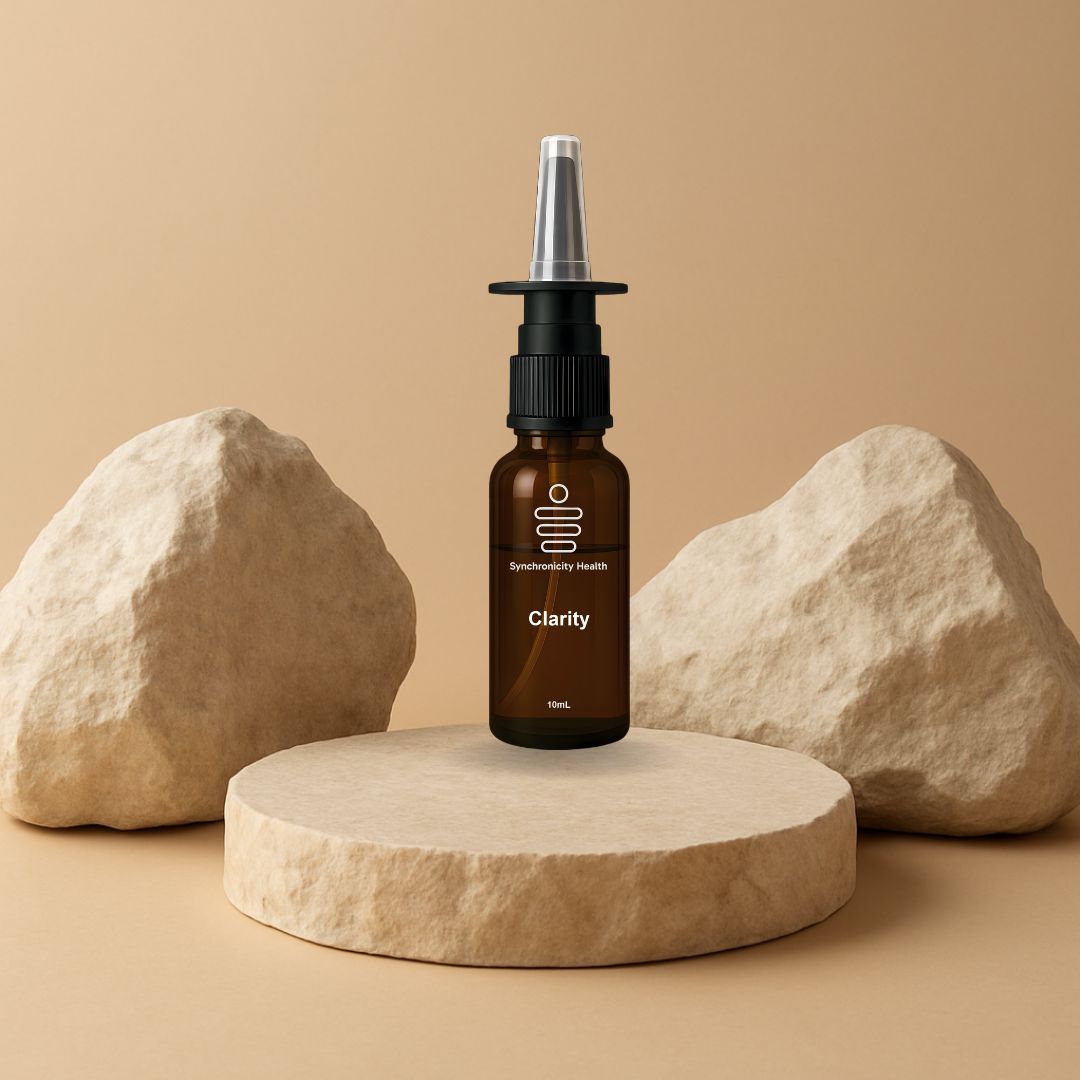
For example, Glutathione nasal spray from Synchronicity Health is designed for convenient, direct delivery to the nasal passages while avoiding the digestive system.
How Glutathione Nasal Spray Reaches Target Tissues
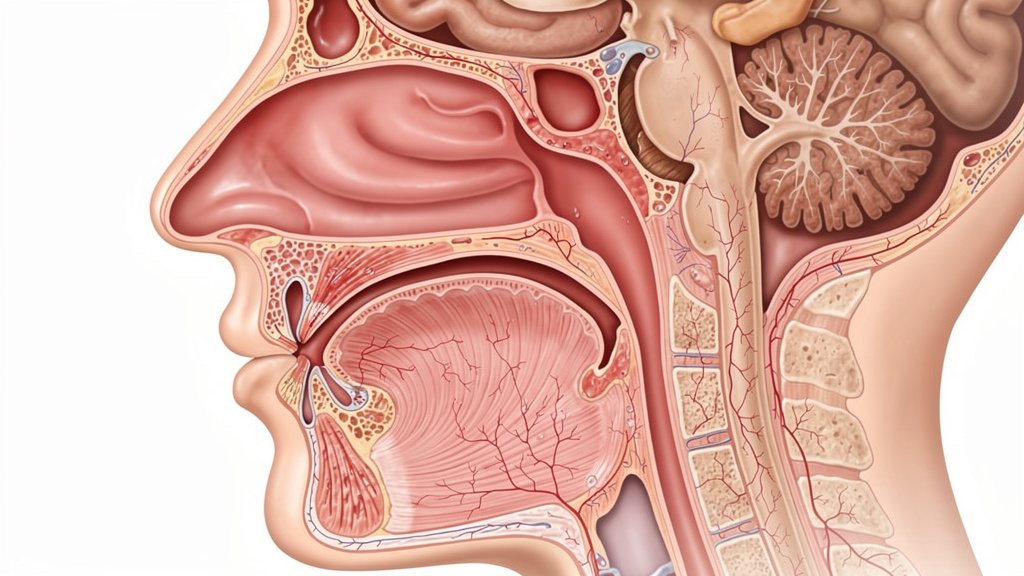
The nasal cavity is more than just an airway. It is lined with a thin, highly vascular mucosa and has direct connections to the brain.
Early research suggests glutathione nasal spray can:
-
Act locally in the nasal passages and sinuses
-
The spray contacts mucous membranes involved in sinus and upper airway health.
-
This local exposure is relevant for people with chronic sinus congestion, allergies, or frequent upper respiratory infections.
-
-
Enter the bloodstream quickly
-
The nasal mucosa contains dense capillary networks.
-
When you use glutathione nasal spray, a portion is absorbed into circulation without passing through the digestive tract or first-pass liver metabolism.
-
-
Access the central nervous system (nose-to-brain route)
-
Molecules can move along the olfactory and trigeminal nerve pathways into brain regions.
-
A small clinical imaging study in Parkinson’s disease patients showed that intranasal glutathione could raise brain glutathione levels within 20–45 minutes, although the amount and duration varied widely among individuals.
-
Glutathione is a small, water-soluble, polar molecule (~307 Da), which is a favorable profile for intranasal absorption. That is part of why glutathione nasal spray attracts interest for neurological and cognitive applications.
Potential Benefits Of Glutathione Nasal Spray
Based on early research, clinical experience, and patient surveys, glutathione nasal spray may offer:
-
Support for sinus and allergy symptoms
-
Studies have found reduced glutathione levels in the nasal mucosa of people with chronic sinusitis.
-
In one pediatric trial using a glutathione nasal aerosol for chronic ear and sinus issues, children experienced improved nasal obstruction, runny nose, and ear fullness.
-
A 2013 survey of intranasal glutathione users reported fewer sinus infections among many respondents.
-
-
Targeted respiratory antioxidant support
-
Direct contact with upper airway tissues may help counter local oxidative stress from pollution, smoke, or recurrent infection.
-
-
Brain-focused support
-
Reduced brain glutathione has been observed in Parkinson’s disease, Alzheimer’s disease, and mild cognitive impairment.
-
While clinical trials are limited and inconclusive, nose-to-brain delivery makes glutathione nasal spray a promising candidate for future research in cognitive and neurological health.
-
-
Energy and mental clarity
-
Because glutathione protects mitochondria, many users subjectively report improved energy, focus, or sense of well-being when they use glutathione nasal spray, especially over weeks to months.
-
-
Convenience for daily or long-term use
-
No IV line or clinic visits
-
Easier to maintain consistent dosing, which may matter more than occasional large spikes
-
Evidence is still emerging, and glutathione nasal spray has not been approved as a treatment for any specific disease. But the combination of biological plausibility, early research, and real-world experience has made it a favorite among many biohackers and wellness-focused patients.
Safety Profile And Side Effects Of Glutathione Nasal Spray
Available data suggest glutathione nasal spray is generally well tolerated:
-
A 2013 survey of long-term users found:
-
78.8% reported a positive overall experience
-
62.1% felt they gained health benefits
-
Most found the spray easy and comfortable to use
-
Most commonly reported side effects:
-
Mild sinus or nasal irritation
-
Headache
-
Occasional nosebleeds (epistaxis)
These effects were usually transient. Interestingly, people with multiple chemical sensitivity (MCS) reported nasal irritation and related side effects more often, reflecting their overall higher sensitivity.
A single serious event has been reported in research: one Parkinson’s patient at a high daily dose (600 mg) developed rapid heart rate and cardiomyopathy that resolved after stopping intranasal glutathione. Investigators suggested a possible role for reductive stress — too much antioxidant activity — especially when combined with other strong antioxidants.
Key takeaways for safety:
-
Stick to dosing recommended by your clinician or the product label.
-
Be cautious with very high doses or stacking large amounts of multiple antioxidant supplements at once.
-
Talk to a healthcare professional if you have cardiovascular disease, are pregnant, or have complex medical conditions.
Glutathione IV Vs Glutathione Nasal Spray: Direct Comparison
Both methods aim to raise glutathione, but they do so differently. Here is a side-by-side look:
|
Factor |
IV Glutathione |
Glutathione Nasal Spray |
|---|---|---|
|
Primary Target |
Systemic circulation (whole body) |
Nasal/sinus tissues, some systemic, potential nose-to-brain |
|
Onset |
Rapid spike during and shortly after infusion |
Gradual, can build with repeated dosing |
|
Brain Targeting |
Indirect; must cross blood–brain barrier from blood |
Direct nose-to-brain pathways may raise local brain GSH |
|
Respiratory Focus |
Indirect |
Direct contact with nasal and sinus mucosa |
|
Convenience |
Requires clinic visit, IV line, staff |
At-home, self-administered |
|
Cost Over Time |
Higher ongoing cost for frequent sessions |
Generally lower ongoing cost for regular use |
|
Invasiveness |
Needle-based, small infection and vein irritation risk |
Noninvasive; mild local nasal irritation most common |
|
Evidence Base |
Some clinical trials and case series; mixed results for specific conditions |
Small trials, imaging studies, and user survey data; more research needed |
|
Best Fit |
Short-term systemic boost, part of supervised protocols |
Long-term maintenance, brain and sinus support, frequent travelers, busy professionals |
Instead of asking, “Which one is better?” it is more accurate to ask, “Which one fits my specific goal, risk tolerance, and lifestyle?”
“There is rarely a single ‘best’ therapy; there is the option that fits your goals and context.”
Many integrative clinicians use this perspective when discussing glutathione delivery methods with patients.
Matching The Method To Your Goals
If You Prioritize Brain Health And Cognitive Performance
For people focused on memory, focus, and long-term brain resilience:
-
Pros for glutathione nasal spray
-
Direct nose-to-brain access
-
Early imaging evidence of raised brain glutathione after dosing
-
Practical for consistent daily or near-daily use
-
-
Considerations
-
Clinical efficacy for diseases like Alzheimer’s and Parkinson’s still needs large, well-designed trials.
-
Best viewed as a supportive tool, not a stand-alone treatment.
-
In this scenario, glutathione nasal spray is often the more logical first-line choice, especially when combined with sleep, nutrition, exercise, and other brain-supportive habits.
If You Struggle With Chronic Sinus Or Respiratory Issues
For chronic sinusitis, frequent colds, or allergy-driven congestion:
-
Glutathione nasal spray has a direct advantage:
-
Delivers glutathione exactly to the tissues involved
-
Early data and survey reports show fewer sinus infections and improvement in nasal symptoms for many users
-
IV therapy can still contribute to overall antioxidant capacity, but for localized sinus support, glutathione nasal spray is better targeted.
If You Want Systemic Detox Or Whole-Body Support
When the primary aim is short-term systemic glutathione support (such as during an intensive detox protocol guided by a clinician):
-
IV glutathione can:
-
Create rapid, high plasma levels
-
Be stacked within a broader supervised infusion protocol
-
Glutathione nasal spray, especially when paired with NAD+, can still play a role as a maintenance tool between IV sessions or after a protocol ends, supporting ongoing antioxidant balance in a gentler, more sustainable way.
If You’re Focused On Longevity, Energy, And Daily Performance
For busy professionals, athletes, and health optimizers who want something they can use consistently:
-
Glutathione nasal spray often fits better:
-
Easy to keep in your daily routine
-
No appointment or downtime
-
Flexible dosing (e.g., once or twice daily as advised)
-
IV therapy may still be used occasionally — for instance, around heavy training blocks, competition, or major life stress — but glutathione nasal spray is typically more realistic as a long-term strategy.
Practical Guidance If You’re Considering Glutathione
1. Work With A Knowledgeable Healthcare Professional
Before starting IV glutathione or glutathione nasal spray:
-
Review your medical history, medications, and supplements.
-
Discuss appropriate dosing, frequency, and monitoring.
-
If you have neurological, cardiac, or complex chronic conditions, individualized guidance is especially important.
2. Choose High-Quality, Tested Products
Quality matters for both routes, but especially for intranasal use:
-
Look for sterile, compounded nasal formulations made in pharmacies that follow strict standards.
-
Favor products that undergo third-party testing for purity and potency.
Synchronicity Health focuses on scientifically grounded, third-party tested formulations such as our Glutathione nasal spray, designed for consistent dosing and ease of use.
3. Start Low, Monitor, And Adjust
Everyone responds differently to glutathione:
-
Begin with the recommended starting dose for your product or as directed by your clinician.
-
Notice changes in sleep, energy, focus, sinus symptoms, and overall well-being over several weeks.
-
Watch for side effects like nasal irritation, headaches, or palpitations, and report anything concerning.
Keeping a simple journal or app-based log for the first month can help you and your provider spot patterns and decide whether to adjust the dose.
4. Remember Glutathione Is One Piece Of The Puzzle
Glutathione support works best alongside:
-
Consistent, restorative sleep
-
Nutrient-dense food and adequate protein
-
Regular movement and resistance training
-
Thoughtful use of other supplements (not overloading on antioxidants)
-
Stress management practices such as breathing exercises, meditation, or time outdoors
As Hippocrates is often quoted: “Let food be thy medicine and medicine be thy food.”
Glutathione can be part of a comprehensive plan, but fundamentals like diet and sleep still carry the most weight.
Key Takeaways
-
Glutathione is a central antioxidant involved in detoxification, mitochondrial function, immune balance, and brain health.
-
Delivery method matters because oral glutathione is largely broken down in the gut.
IV glutathione:
-
Delivers rapid, high systemic levels
-
Is best suited to supervised protocols and short-term systemic support
-
Requires clinic access, needles, and a higher long-term cost
Glutathione nasal spray:
-
Targets nasal and sinus tissues directly
-
Has a promising nose-to-brain route for supporting brain glutathione
-
Is noninvasive, convenient, and better suited for consistent, long-term use
For many health-focused individuals, glutathione nasal spray offers a practical way to support antioxidant defenses, respiratory health, and cognitive performance without the time and cost burden of frequent IV sessions.
If you are considering either method, talk with a qualified provider and choose carefully sourced products. When used thoughtfully, glutathione support can be a meaningful addition to a broader strategy for long-term health and performance.


Leave a comment
All comments are moderated before being published.
This site is protected by hCaptcha and the hCaptcha Privacy Policy and Terms of Service apply.