
Introduction
That mid-afternoon crash, slower workout recovery, the sense that focus takes more effort than it used to — none of it is random. Under the surface, one tiny molecule called NAD+ has a lot to do with how much energy and resilience your body can bring to each day.
NAD+ (nicotinamide adenine dinucleotide) is a coenzyme present in every living cell. It helps turn food into usable cellular energy, supports DNA repair, and keeps key longevity pathways running. Think of it as an internal power adapter and control switch that keeps mitochondria, genes, and repair systems talking to each other.
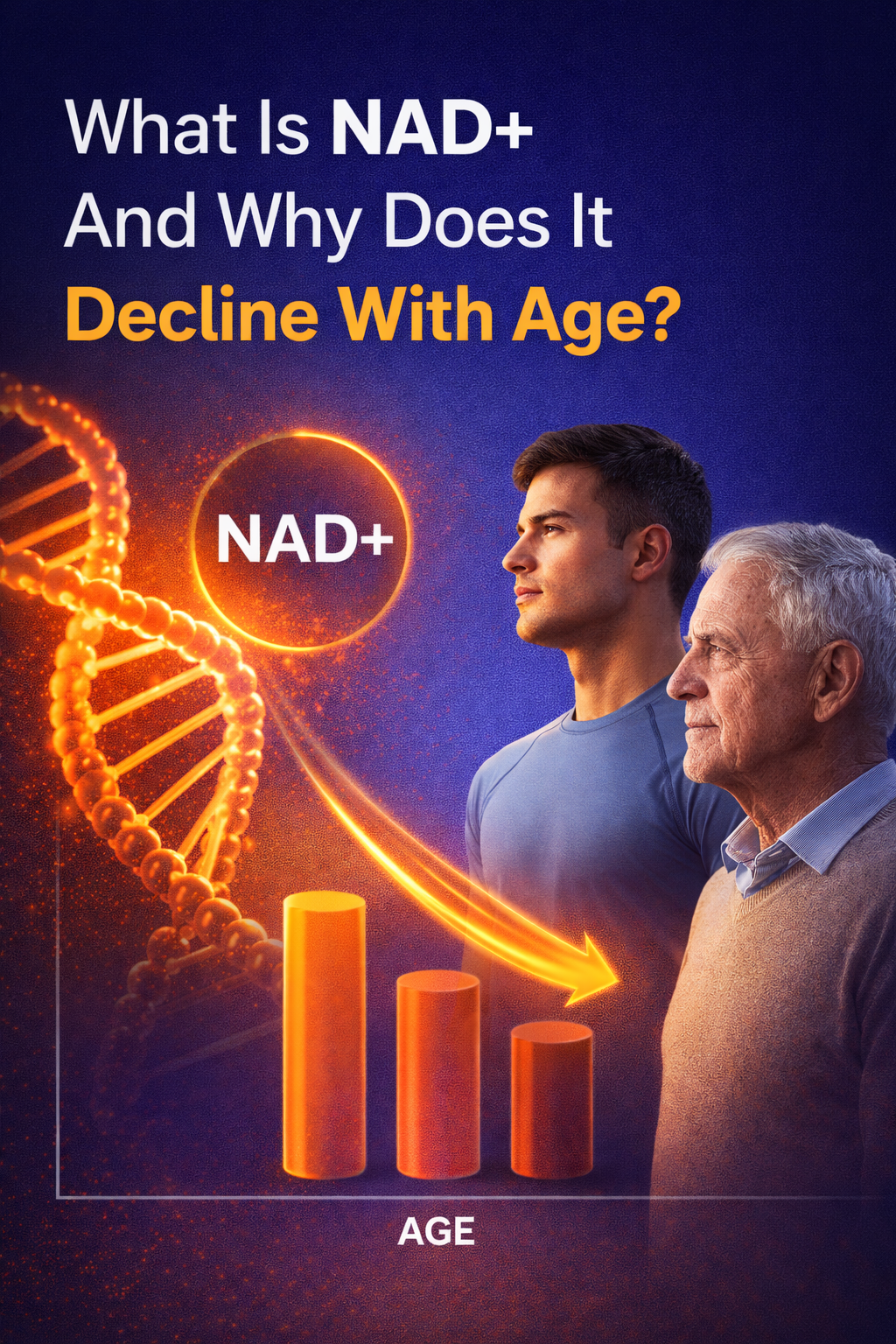
Here is the twist. Research shows that NAD+ levels do not stay steady. They drop by roughly half between youth and middle age, then keep sliding. That decline is linked with many signs people associate with aging, from fatigue and brain fog to slower recovery and skin changes. This article breaks down what NAD+ actually is, why it falls with age, and what science-backed strategies — including advanced delivery systems like the NAD+ Nasal Spray and NMN Capsules from Synchronicity Health — may help support healthy levels.
Dr. David Sinclair of Harvard Medical School notes, "NAD+ levels drop as we get older, and that loss appears to drive many features of aging."
Key Takeaways
-
NAD+ is a core molecule that powers energy production, DNA repair, and longevity pathways in every cell. When levels are strong, mitochondria run more smoothly, repair systems work better, and cells adapt more easily to stress. This provides a foundation for steady energy, clear thinking, and healthy aging.
-
Cellular NAD+ levels drop by around fifty percent between youth and midlife, then continue to fall. This decline is tied to more DNA damage, weaker mitochondrial function, and rising cellular stress. In day-to-day life, that can show up as lower stamina, slower recovery, and more visible signs of aging.
-
Three main forces drive NAD+ loss over time: higher consumption from repair and inflammatory enzymes, weaker recycling through the salvage pathway, and chronic low-grade inflammation. Together they create a metabolic spiral that pushes NAD+ downward as the years pass.
-
Research points to practical ways to support NAD+ levels. Approaches include precursor supplements like NMN, multi-target formulas that address both supply and loss, and higher-bioavailability methods such as nasal delivery. The delivery method matters a lot because it shapes how much of each dose actually reaches cells.
What Is NAD+? Understanding This Essential Cellular Coenzyme
NAD+ stands for nicotinamide adenine dinucleotide, a coenzyme found in every living cell, from brain neurons to muscle fibers. Chemically, it is built from two linked nucleotides, one based on adenine and the other on nicotinamide. This simple structure allows NAD+ to slip into enzyme pockets and move electrons around, which is why it sits at the center of so many metabolic reactions.
NAD+ exists in two main forms. The oxidized form is called NAD+, and the reduced form is called NADH. The plus sign on NAD+ reflects a positive formal charge in the molecule. During metabolism, NAD+ accepts electrons and a hydrogen ion to become NADH. Later, NADH gives those electrons away and converts back to NAD+. This constant cycling is what lets cells tap the energy stored in food.
Inside the body, the balance between NAD+ and NADH is a key marker of metabolic health. In the fluid part of mammalian cells, the NAD+/NADH ratio is very high, roughly 700 to 1 in favor of NAD+. That high ratio keeps energy-producing reactions moving forward. Total NAD+ plus NADH concentration in tissues like liver is around one micromole per gram of wet weight, which is more than related compounds such as NADP and NADPH.
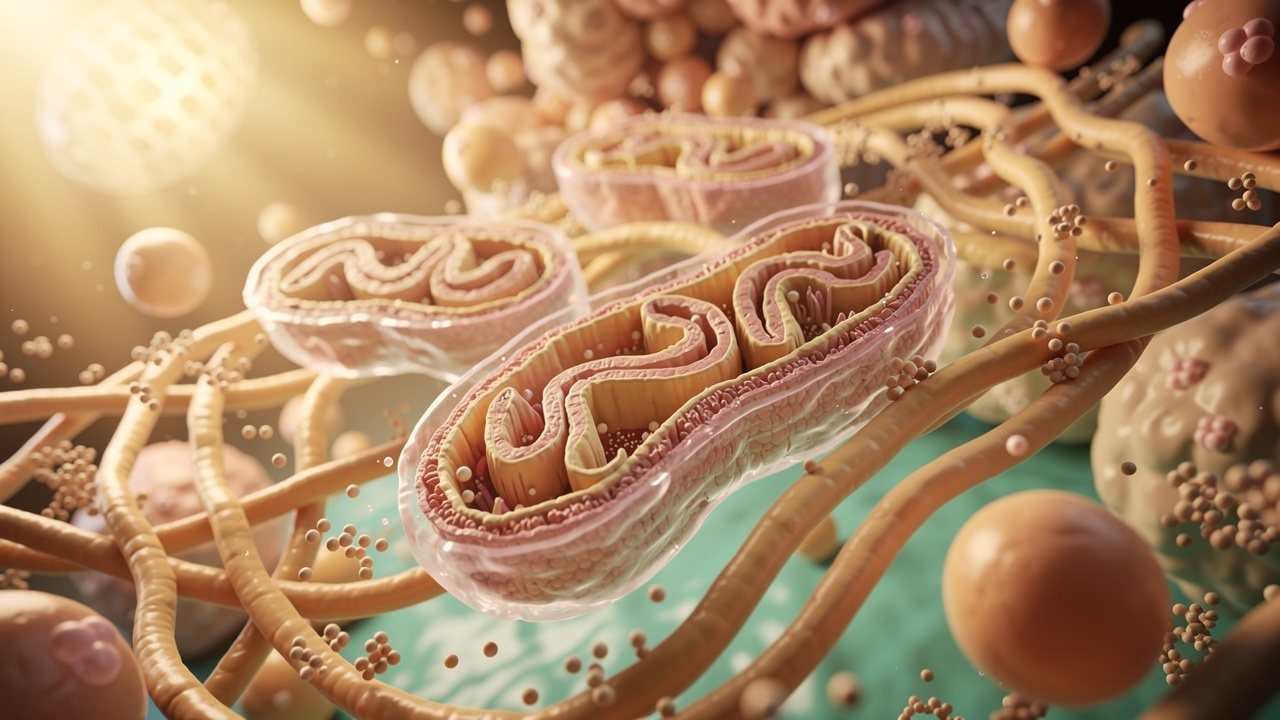
A large share of NAD+, about forty to seventy percent, sits inside mitochondria, often called the cell’s power plants. There, NAD+ helps drive the electron transport chain that makes ATP, the cell’s energy currency. A helpful way to picture it is as a tiny shuttle or wiring system that lets mitochondria pull power from nutrients without burning out. When NAD+ levels fall or the NAD+/NADH ratio drops, that wiring starts to strain, and the whole system runs less efficiently.
As MIT biologist Dr. Leonard Guarente has described it, "NAD+ sits at the center of metabolism, connecting how we produce energy with how we respond to stress."
The Critical Roles Of NAD+ In Cellular Function And Energy Metabolism
NAD+ is sometimes sold as an anti-aging buzzword, but its real importance is deeper. Cells cannot make energy, keep DNA intact, or maintain many long-term repair programs without it. It acts both as a recyclable electron carrier and, in other processes, as a raw material that is broken down to send signals or repair damage.
Primary Role: Energy Production Through Redox Reactions
The most basic job of NAD+ is to move electrons during redox reactions, the chemical exchanges that turn food into ATP. During glycolysis in the cytoplasm, enzymes strip electrons from glucose and pass them to NAD+, forming NADH. In the mitochondria, beta-oxidation breaks down fatty acids and the citric acid cycle handles carbon fragments, again using NAD+ to capture electrons as NADH.
For example, NAD+ is central to:
-
Glycolysis in the cytoplasm, where glucose is split to generate quick ATP.
-
Beta-oxidation of fatty acids, which feeds the citric acid cycle.
-
The citric acid cycle itself, which hands high-energy electrons to NAD+ for delivery to the electron transport chain.
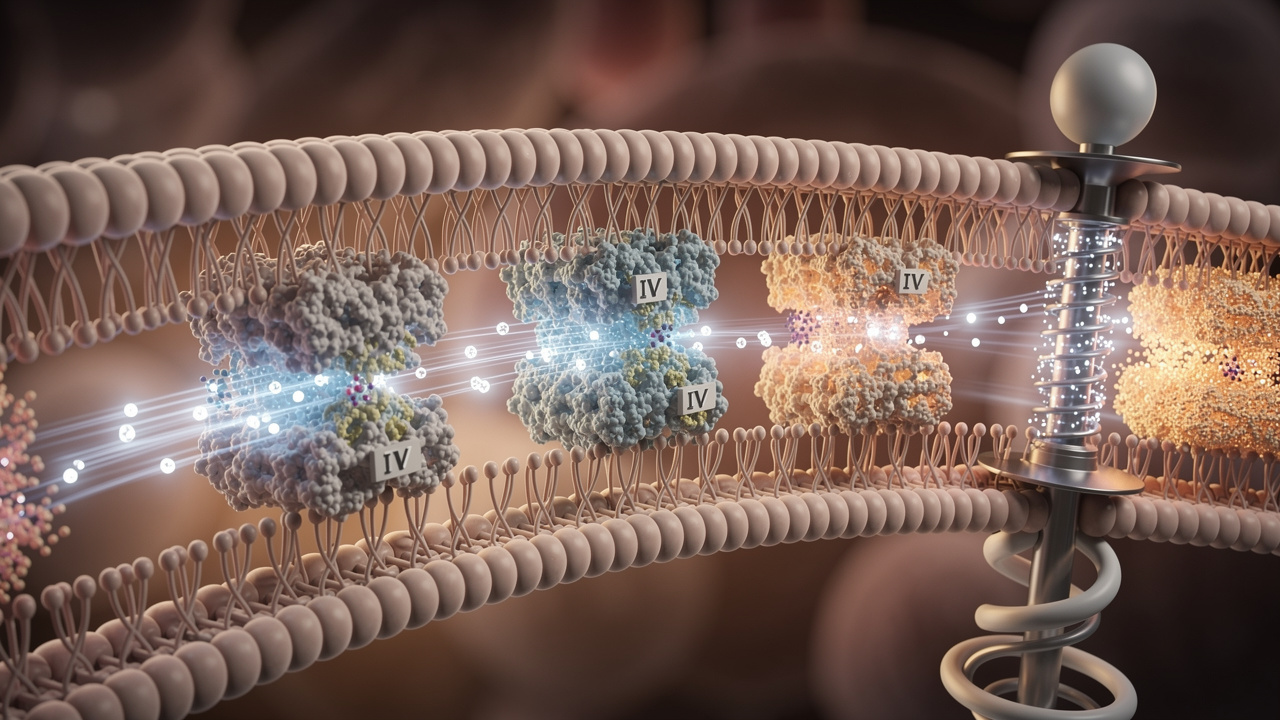
NADH then carries those high-energy electrons to the electron transport chain in the inner mitochondrial membrane. As electrons flow down this chain, protons are pumped across the membrane, building a gradient that powers ATP synthase. ATP is the immediate energy form used for muscle contraction, neurotransmission, and countless cellular tasks.
To keep this engine running, cells maintain a very high NAD+/NADH ratio in the cytoplasm. With age, that ratio often shifts downward, meaning less free NAD+ is available to accept electrons. The result is slower, less efficient energy production, which can feel like low stamina, heavier mental effort, and slower recovery after stress or workouts.
Critical Non-Redox Functions: Beyond Energy
NAD+ also plays several roles that go beyond simple electron transfer. In these pathways, the molecule is not recycled but consumed, which makes steady production and recycling especially important.
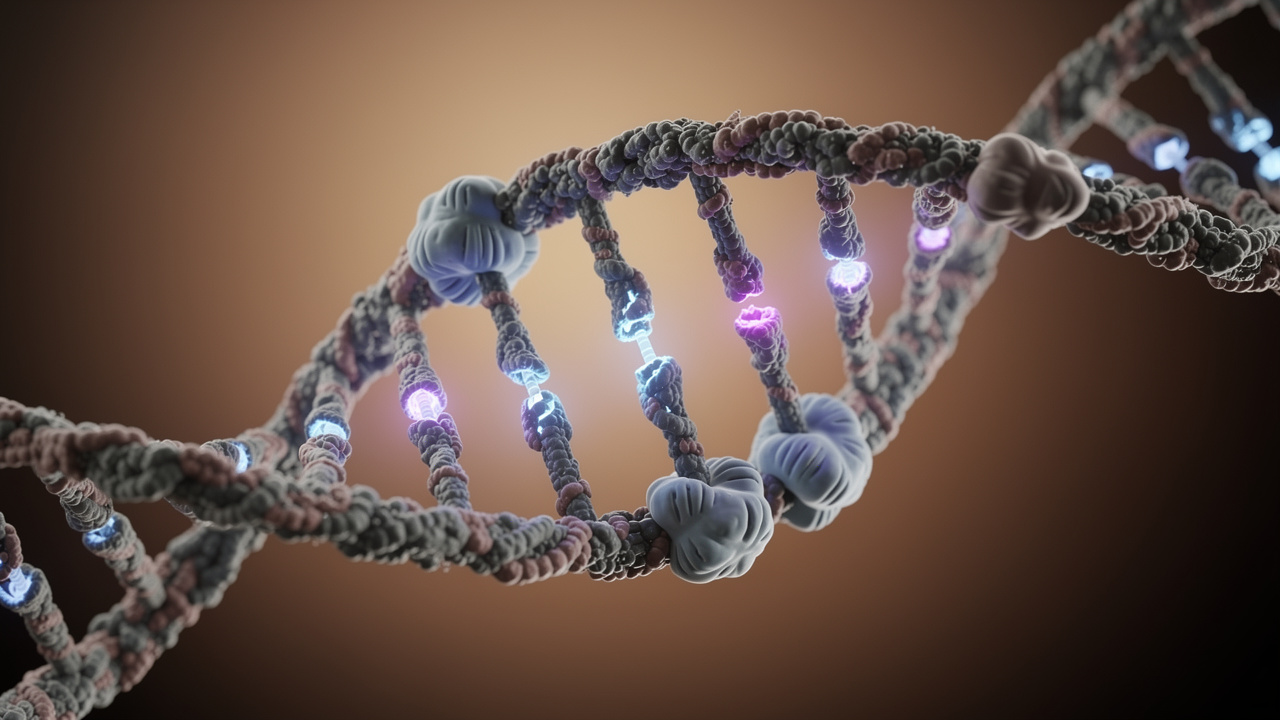
DNA repair is one of those roles. When strands of DNA break, enzymes called PARPs bind to the damage and use NAD+ to build chains of ADP-ribose on nearby proteins. Those chains act as flags that call in other repair factors. If NAD+ is in short supply, PARPs cannot work at full capacity, and genetic damage builds up over time.
Another major family of NAD+-dependent enzymes is the sirtuins. These proteins remove acetyl groups from histones and other targets, using NAD+ in the process. By doing this, they influence which genes are active, support stress resistance, and help maintain youthful patterns of gene expression. Sirtuins also help regulate mitochondrial biogenesis and mitophagy, which means they influence both the creation of new mitochondria and the clearance of damaged ones.
NAD+ also feeds into epigenetic regulation more broadly and acts as a precursor to cyclic ADP-ribose, a signaling molecule that helps control calcium release inside cells. Calcium signals affect everything from muscle contraction to neurotransmitter release. All of these pathways matter for real-world outcomes such as cognitive performance, stress resilience, sleep quality, and how quickly tissues repair after strain.
Why NAD+ Levels Decline With Age: The Perfect Metabolic Storm
NAD+ does not just drift downward with age for one simple reason. Levels reflect a three-way balance between how much the body makes, how efficiently it recycles spent molecules, and how fast various enzymes burn through the supply. With aging, all three areas shift in the wrong direction, which creates what many researchers call a “perfect storm” for NAD+ depletion.
By the time many people reach their forties or fifties, average NAD+ levels are about half of what they were in youth. That drop does not happen overnight. It reflects years of rising cellular stress, more DNA damage, chronic low-grade inflammation, and a recycling system that can no longer keep up.
Increased NAD+ Consumption: Rising Demand
Several enzyme families feed on NAD+, and their activity rises with age. One of the most important is the PARP group that responds to DNA damage. Years of exposure to ultraviolet light, pollution, and reactive byproducts of normal metabolism leave more and more nicks and breaks in DNA. PARPs stay active for longer stretches and burn through large amounts of NAD+ as they build repair signals.
At the same time, an enzyme called CD38 becomes more active. CD38 sits on the surface of many immune and inflammatory cells and is a powerful NAD+ glycohydrolase, meaning it chops up NAD+. Its expression goes up in the setting of chronic low-grade inflammation, often called inflammaging. The more inflamed tissues become, the more CD38 chips away at NAD+ reserves.
Sirtuins, which help with long-term cellular maintenance, also consume NAD+. In a young cell with plenty of NAD+, there is enough to go around. With aging, overactive PARPs and CD38 pull most of the supply. It is similar to a household budget where emergency bills swallow up nearly all the income, and there is little left for long-term investments like savings and maintenance.
Decreased NAD+ Recycling: Faltering Supply
On the supply side, cells rely heavily on a salvage pathway to recycle nicotinamide, a breakdown product of NAD+-using reactions, back into fresh NAD+. This process is far more efficient than building NAD+ from scratch out of amino acids. The key gatekeeper enzyme in this pathway is called NAMPT (nicotinamide phosphoribosyltransferase).
With age, NAMPT levels and activity fall in many tissues, including muscle, fat, and brain. When NAMPT slows down, the entire salvage pathway becomes a bottleneck. Even if plenty of nicotinamide is available from diet or internal breakdown, cells cannot convert it back into NAD+ quickly enough.
This is where the “leaky bucket” picture fits well. The holes at the bottom of the bucket represent high PARP and CD38 activity, which drain NAD+ more quickly. The faucet at the top represents the salvage pathway and de novo production. As the faucet slows and the holes widen, the water level in the bucket — meaning NAD+ levels — keeps dropping. The lower it gets, the harder it is for repair and energy pathways to work, which leads to even more stress and damage.
The Inflammatory Connection
Inflammaging ties these trends together. As we age, immune cells often stay slightly activated, even without infection. They release inflammatory signals that drive CD38 expression and boost NAD+ breakdown. Low NAD+ then weakens repair systems, increasing cellular damage and feeding back into more inflammation. Supporting healthy NAD+ levels may help interrupt this loop by giving cells more resources to repair damage and calm overactive stress pathways.
Geroscience researchers often warn that "low-grade inflammation and low NAD+ feed each other, creating a feedback loop that wears tissues down."
NAD+ Decline And The Hallmarks Of Aging: Cellular Consequences
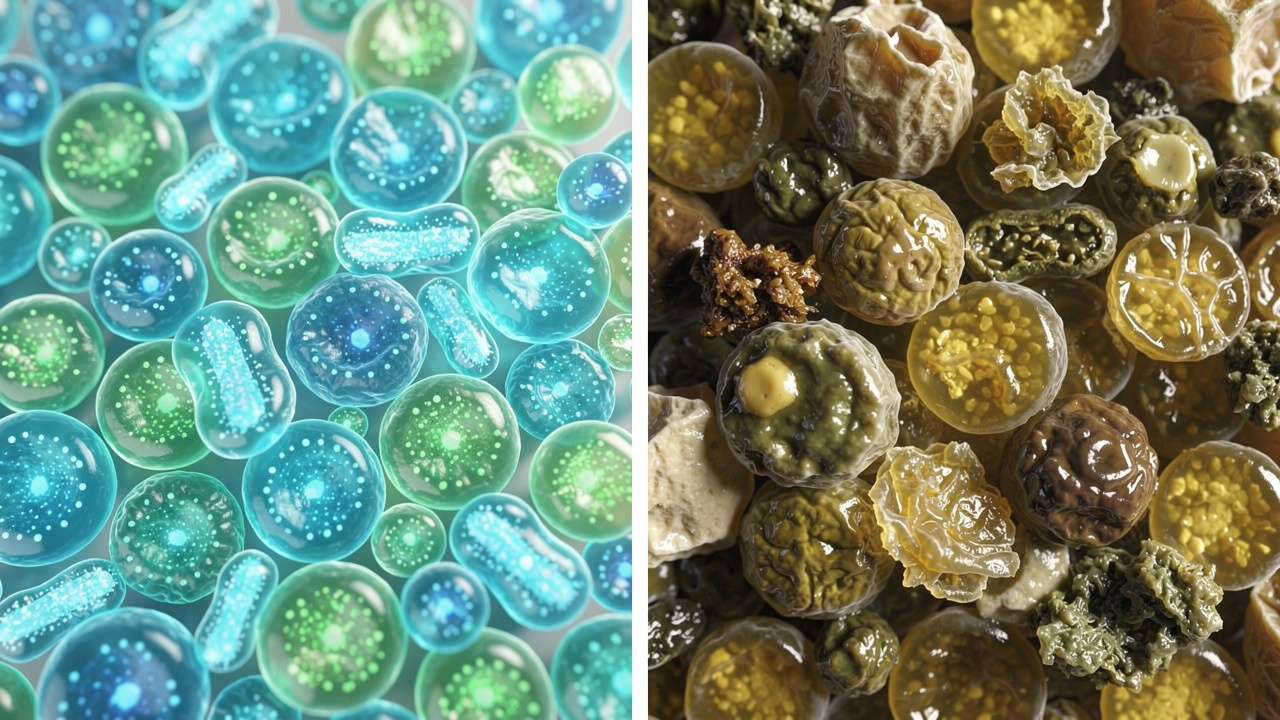
Biologists often describe aging through the hallmarks of aging, a set of cellular changes that show up across many tissues and species. These include genomic instability, mitochondrial dysfunction, loss of proteostasis, cellular senescence, and several others. Falling NAD+ levels link many of these hallmarks together.
When NAD+ is abundant, cells are better at repairing DNA, keeping mitochondria in good working order, clearing damaged proteins, and managing stress signals. When NAD+ is scarce, those same systems stumble. The result is a steady build-up of errors and wear that eventually shows up as disease risk, slower performance, and visible signs of aging.
How Low NAD+ Accelerates Multiple Aging Processes
When scientists zoom in on specific hallmarks of aging, NAD+ shows up again and again as a key player.
-
Genomic instability and DNA repair. PARPs and sirtuins like SIRT1 and SIRT6 all depend on NAD+ to respond to DNA damage. When NAD+ runs low, these guardians cannot keep up with daily hits from ultraviolet light and metabolic byproducts. Over time, mutations accumulate, and chromosomes become less stable, which raises the risk of age-related diseases and weakens tissue function.
-
Mitochondrial dysfunction and energy decline. Mitochondria need NAD+ for the electron transport chain and for signals that guide mitochondrial biogenesis and mitophagy. Low NAD+ means fewer electrons flow through the chain and more reactive oxygen species leak out. People may notice this as lower physical endurance, more fatigue after stress, and longer recovery from intense exercise.
-
Cellular senescence and inflammatory secretions. When damage piles up and repair systems fall behind, cells can enter a state called senescence where they no longer divide but stay active. Senescent cells release a mix of inflammatory and tissue-degrading molecules known as SASP. Low NAD+ favors senescence because sirtuins cannot hold stress responses in check, which adds to chronic inflammation.
-
Epigenetic drift and gene miscommunication. Sirtuins use NAD+ to remove acetyl groups from histones and keep gene expression patterns youthful. When NAD+ tanks, these enzymes slow down, and epigenetic marks drift out of their original patterns. This drift can be measured as an increase in biological age on epigenetic clocks and is linked with misfires in many cellular programs.
-
Loss of proteostasis and cellular housekeeping. Cells rely on autophagy to clear out damaged proteins and organelles, and this process is supported by SIRT1 and related NAD+-dependent pathways. Poor NAD+ availability leads to weaker autophagy, so junk proteins and crosslinked structures build up. That clutter interferes with normal cell function and makes tissues less flexible and resilient.
-
Stem cell exhaustion and slower repair. Tissue stem cells need healthy mitochondria and strong stress responses to keep renewing organs and muscles. Studies in animals show that boosting NAD+ can restore some stem cell function, improving regeneration. When NAD+ is low, stem cells are more likely to become exhausted or senescent, which slows healing and maintenance.
-
Deregulated nutrient sensing and poor stress adaptation. NAD+ acts as a metabolic signal that informs pathways such as sirtuins and AMPK about the energy state of the cell. When NAD+ signals are weak, cells respond less well to fasting, exercise, and other mild stresses that normally build resilience. This contributes to insulin resistance and metabolic slowdown.
-
Altered intercellular communication and tissue-level aging. As senescent cells and immune cells pump out more inflammatory molecules, communication between neighboring cells shifts. Low NAD+ plays into this by encouraging senescence and limiting repair. In skin, this can show up as reduced collagen, thinner dermis, more wrinkles, and slower healing after sun damage, all linked to fewer working fibroblasts and more senescent cells.
Science-Backed Strategies For NAD+ Restoration
Given how central NAD+ is to energy, repair, and longevity pathways, it makes sense that many people are looking for ways to support it. Research suggests that while aging pushes NAD+ downward, levels are not fixed. With the right mix of inputs, it is possible to raise NAD+ in blood and tissues and improve several markers of cellular health.
Not all approaches are the same, though. Some focus only on providing more building blocks, while others also target the main leaks and blockages in NAD+ metabolism. Synchronicity Health centers its work on this more complete view, combining precursors with advanced delivery systems and synergistic formulations.
NAD+ Precursor Supplementation: The Foundation
The most common way to support NAD+ is by taking precursor molecules that cells can convert into NAD+ through their existing pathways. The main precursors studied in humans include NMN (nicotinamide mononucleotide), NR (nicotinamide riboside), and familiar forms of vitamin B3 such as nicotinamide.
These compounds feed into the salvage pathway, where enzymes like NAMPT turn them into NAD+. Several clinical trials have shown that oral NR or NMN can raise NAD+ and related metabolites in blood and sometimes in tissues like muscle. That makes precursor support a solid baseline for people who want to nudge their NAD+ status in a better direction.
Direct NAD+ pills are less effective because the molecule is unstable in the gut and poorly absorbed. Even with precursors, absorption and first-pass metabolism in the liver can limit how much actually reaches cells, which is why bioavailability matters so much. Another limitation is that precursors only feed the supply side; they do not directly slow the enzymes that burn through NAD+. This is where the leaky bucket picture comes back into focus. Pouring more water in helps, but if the holes stay wide open, gains can be modest.
Multi-Targeted Approaches: Addressing Root Causes
A more advanced strategy looks at the whole NAD+ network rather than just one input. This kind of multi-target approach aims to raise supply, reduce wasteful consumption, and support recycling at the same time. Formulas built on this model align more closely with what researchers see in systems biology.
In practice, that often means starting with a strong precursor such as NMN or NR to provide raw material for NAD+ synthesis. On top of that, some formulas include natural compounds that modulate CD38 activity, such as certain plant flavonoids like apigenin. By dialing down CD38, they help slow NAD+ breakdown in immune and inflammatory cells.
Support for the salvage pathway also matters. Ingredients and lifestyle practices that promote NAMPT expression can help nicotinamide flow back into NAD+ more efficiently. When supply, recycling, and consumption are all addressed together, they tend to reinforce each other. The result is a more stable and higher NAD+ level than precursor-only plans often produce. Synchronicity Health designs its Sync Stacks around this systems view, so different products work together rather than in isolation.
Bioavailable Delivery Systems: The Game-Changer

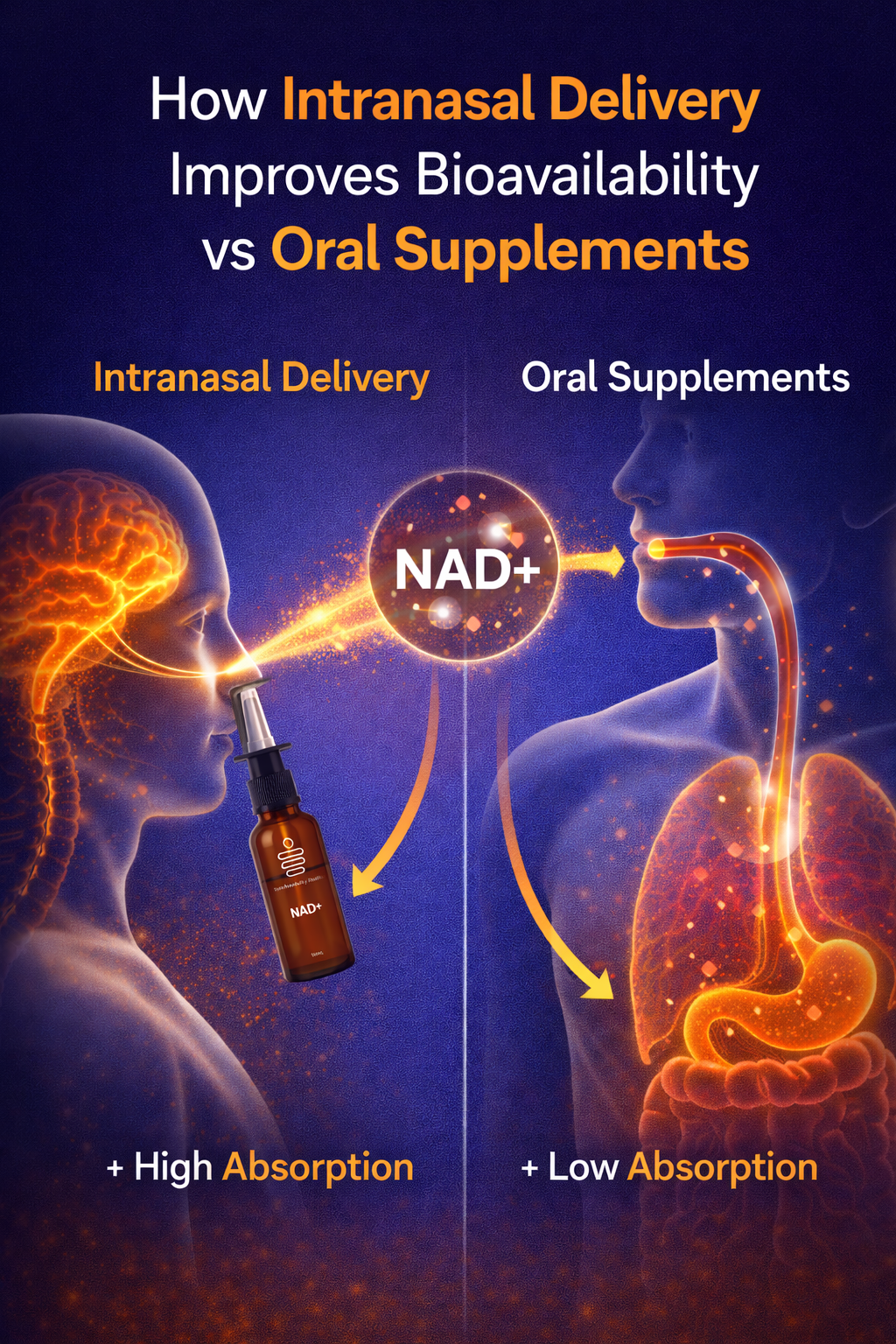
What goes into a supplement is only part of the picture. How it gets into the body matters just as much. Traditional oral capsules must survive stomach acid and liver metabolism, which can leave only a fraction of the dose available for tissues.
Nasal delivery offers a modern alternative. A NAD+ Nasal Spray can be absorbed through the rich blood vessels in the nasal passages, bypassing much of the digestive breakdown. This can lead to faster and higher rises in NAD+-related compounds from a given amount of active ingredient. Synchronicity Health uses this route for its NAD+ Nasal Spray and backs it with third-party testing, giving health-focused users a reliable, high-bioavailability option.
Emerging Clinical And Wellness Benefits Of NAD+ Restoration
The science around NAD+ has moved fast from basic cell studies to animal work and now to human trials. While research is still growing, results so far suggest that supporting NAD+ can touch many areas that biohackers, athletes, and busy professionals care about, from heart and metabolic health to energy and cognition.
It is important to keep expectations grounded. NAD+ support is not a magic reset, but rather a way to strengthen the cellular foundation so that other healthy habits and therapies work better. When viewed in that light, the pattern across studies becomes encouraging.
Observed Benefits In Human Studies
Several placebo-controlled trials have given NAD+ precursors such as NR or NMN to middle-aged and older adults. In many of these, researchers saw reliable changes:
-
Increases in NAD+ metabolites in blood within a few weeks.
-
Trends toward lower systolic blood pressure and reduced arterial stiffness, both markers of better cardiovascular health.
-
Shifts within skeletal muscle toward a richer NAD+ metabolome, gene expression changes linked with stronger mitochondrial function, and signatures associated with lower inflammation.
-
Lower circulating inflammatory cytokines in some groups of older adults, supporting the idea that better repair and mitochondrial function can help calm chronic immune activation.
-
In patients with heart failure, higher NAD+ was associated with stronger mitochondrial function in blood cells and fewer pro-inflammatory signals.
On the subjective side, many participants in trials and real-world users report changes such as steadier energy, clearer focus, and better resilience to stressors. These reports still need more formal study, but they match what would be expected if cells had more NAD+ available for both energy production and repair.
Preclinical Promise: Animal Model Insights
Animal studies, especially in mice, provide a deeper look at what happens when NAD+ is restored to youthful levels, with research showing how NAD+ reverses Alzheimer's neurological deficits in animal models. Researchers often see about a fifty percent drop in NAD+ by middle age in rodents, similar to patterns in humans. When that loss is reversed with precursors or other interventions, multiple systems improve.
In aged mice, higher NAD+ has been tied to better muscle endurance, stronger mitochondrial function, and more responsive muscle stem cells, with recent research on pharmacologic reversal of advanced cognitive decline highlighting NAD+'s therapeutic potential. Other experiments show improved learning and memory, protection against neurodegenerative changes, and better resilience of organs such as heart, liver, and kidney after injury. Some work even reports improved egg quality and fertility in older female mice, with studies showing nicotinamide mononucleotide protects ovarian function, and increases in overall lifespan. These results cannot be copied directly to humans, but they give a strong scientific base for current clinical research and wellness use.
Optimizing Your NAD+ Levels: Practical Strategies
Understanding the science is helpful, but most readers also want to know what to do right now. Supporting NAD+ works best when supplements and lifestyle choices pull in the same direction. For many health-focused professionals and athletes, that means combining smart products with simple daily habits.
-
Choosing evidence-based, transparent supplements makes a big difference. Products that are physician-backed and third-party tested give more confidence that labels match what is in the bottle. Synchronicity Health builds its NMN Capsules as a strong precursor base and its NAD+ Nasal Spray as a fast, high-bioavailability option, then links them through customizable Sync Stacks so they work together on supply, delivery, and synergy.
-
Looking for multi-targeted formulas can pay off over time. Instead of chasing single ingredients, it helps to pick stacks that address NAD+ supply, consumption, and recycling in one plan. When precursors, CD38-modulating compounds, and salvage pathway support sit in the same strategy, the body does not have to work as hard to keep NAD+ levels in a healthy range.
-
Paying attention to bioavailability matters almost as much as ingredient choice. Capsules are convenient but must get through digestion and liver processing. Nasal sprays and other advanced routes give more direct access to the bloodstream, so a smaller dose can sometimes have a larger impact. Synchronicity Health focuses on these delivery details because they shape real-world results.
-
Lifestyle habits form the base for every NAD+ plan. Regular physical activity encourages better NAD+ metabolism and supports mitochondrial health. An eating pattern rich in polyphenol-containing plants and omega-3 fats can help calm inflammation, while sun protection and antioxidant-rich foods reduce DNA damage that drives PARP activation. Quality sleep and consistent stress management support circadian rhythms that interact with NAD+ cycles, so the body can refill its cellular energy reservoir more predictably.
Personal needs differ, so it can be helpful to work with a healthcare professional familiar with longevity medicine when building a personalized plan. Still, these pillars offer a solid starting point for most people who care deeply about long-term performance and healthspan.
As many longevity clinicians put it, "Supplements work best when they ride on top of solid habits, not instead of them."
Conclusion
NAD+ is far more than a trendy term in longevity circles. It is a master coenzyme that sits at the center of energy production, DNA repair, epigenetic control, and mitochondrial quality. When NAD+ levels are high and the NAD+/NADH ratio is favorable, cells have the resources they need to stay resilient under stress.
The challenge is that NAD+ almost always declines with age, often dropping by about half by midlife. This fall is not harmless. It feeds into many hallmarks of aging, from mitochondrial dysfunction and genomic instability to chronic inflammation and stem cell fatigue. The encouraging news is that research now points to realistic ways to push back, using targeted precursors, network-based formulas, and smarter delivery systems.
Effective NAD+ support means more than swallowing a generic capsule. It calls for thoughtful combinations that address supply, recycling, and consumption, along with methods that deliver active ingredients where they are needed. Synchronicity Health is built around this deeper view, offering physician-backed NMN Capsules, advanced NAD+ Nasal Spray technology with high bioavailability, and customizable Sync Stacks that can be tuned to individual goals. For anyone serious about energy, cognitive performance, and long-term health, investing in NAD+ support is a practical way to strengthen the cellular base on which everything else depends.
FAQs
Question 1: What Is The Difference Between NAD+ And NADH?
NAD+ and NADH are two forms of the same molecule. NAD+ is the oxidized form that accepts electrons during metabolic reactions, while NADH is the reduced form that carries those electrons to other enzymes, especially in the mitochondria. In simple terms, NAD+ picks up energy, and NADH delivers it. Cells keep a much higher level of NAD+ than NADH to keep energy production moving forward. With age, it is mainly the NAD+ pool that shrinks, which stresses both energy and repair pathways.
|
Molecule |
Role In The Cell |
Typical State |
|---|---|---|
|
NAD+ |
Accepts electrons during metabolism; supports sirtuins and PARPs |
Kept high in healthy cells |
|
NADH |
Donates electrons to the electron transport chain to help make ATP |
Present at lower levels relative to NAD+ |
Question 2: At What Age Does NAD+ Start To Decline?
Research suggests that NAD+ levels begin to slide in early midlife, often during the thirties and forties. By around age fifty, average levels are roughly half of what they were in youth, and the drop tends to speed up after that. The exact timing and rate vary from person to person based on genetics, activity level, diet, sleep, and overall health. Taking action earlier in midlife may help preserve function rather than trying to catch up later.
Question 3: Can I Get Enough NAD+ From Food?
Foods can provide vitamin B3 forms such as niacin and nicotinamide, which the body can use as NAD+ precursors. Meat, fish, dairy, nuts, and green vegetables all contribute to this baseline intake. For most healthy people, diet alone is enough to prevent severe deficiency diseases. However, the amounts from food are usually not high enough to reverse the age-related decline that shows up in studies. On top of that, the age-related slowdown in the NAD+ salvage pathway means cells recycle precursors less efficiently. Targeted supplementation with well-absorbed precursors goes beyond basic maintenance and aims for optimization, which is why many longevity-focused individuals use products such as Synchronicity Health NMN Capsules.
Question 4: How Long Does It Take To See Results From NAD+ Supplementation?
The timeline can vary based on health status, dose, and delivery method. Biochemical changes, such as higher NAD+ and related metabolites in blood, often appear within one to four weeks in clinical trials. Some people report noticeable changes in energy, focus, or workout recovery within days to a couple of weeks, especially when using higher-bioavailability forms such as NAD+ Nasal Spray. Deeper shifts, like better metabolic markers or more obvious improvements in endurance, may take eight to twelve weeks of consistent use. It is best to view NAD+ support as an ongoing practice rather than a quick fix.
Question 5: Is NAD+ Supplementation Safe?
Human studies of NAD+ precursors like NMN, NR, and nicotinamide show a strong safety record at commonly used doses. These compounds are all related to vitamin B3, which has a long history of use in nutrition. Side effects, when they occur, are usually mild, such as brief flushing with certain niacin forms or slight digestive discomfort at high doses. Choosing products that are third-party tested, like those from Synchronicity Health, helps reduce concerns about contaminants or mislabeling. As with any supplement, it is wise to speak with a healthcare provider first, especially for people who are pregnant, nursing, or managing medical conditions.
Question 6: Why Is Bioavailability Important For NAD+ Supplements?
Bioavailability describes how much of a nutrient or compound actually reaches circulation in an active form after taking it. Traditional oral NAD+ precursors must pass through stomach acid and liver metabolism, which can reduce the fraction that gets to the rest of the body. Advanced delivery routes, such as nasal sprays, can bypass much of this early breakdown. A NAD+ Nasal Spray allows absorption through the nasal lining straight into nearby blood vessels, which can provide faster and more efficient increases in NAD+-related molecules. This is why Synchronicity Health invests in nasal delivery technology so that each dose has a greater chance of making a real difference at the cellular level.


Leave a comment
All comments are moderated before being published.
This site is protected by hCaptcha and the hCaptcha Privacy Policy and Terms of Service apply.