

Introduction
Lying in bed with a tired body and an alert brain feels like having one foot on the gas and one on the brake. High performers, biohackers, and busy professionals know this clash well. That is why interest in Apigenin vs Magnesium vs Melatonin has exploded among people who want better sleep without knocking themselves out with heavy drugs.
Deep, consistent sleep is not just about feeling rested. It shapes hormone balance, muscle repair, memory, emotional control, and long-term health. For anyone serious about performance and longevity, sleep is the base layer that everything else sits on. Sleep supplements can help, but only when they match the real reason sleep falls apart in the first place.
Apigenin, magnesium, and melatonin each act on different parts of the sleep system. One helps set timing, one calms the nervous system, and one reduces anxiety. This article walks through how each one works, where each shines, and how they fit together. By the end, you will know how to use Apigenin vs Magnesium vs Melatonin in a science-based way, how delivery methods change results, and how Synchronicity Health’s physician-formulated nasal sprays fit into a high-level sleep and recovery plan.
“Sleep is the single most effective thing we can do to reset our brain and body health each day.”
— Dr. Matthew Walker, neuroscientist and author of Why We Sleep
Key Takeaways
Before diving into details, it helps to see the big picture. These points give a fast overview of how apigenin, magnesium, and melatonin compare for sleep and recovery.
-
Melatonin acts as a timing signal for your internal clock rather than a heavy sedative. It shines when sleep problems come from circadian rhythm issues such as jet lag, shift work, or drifting bedtimes. For people comparing Apigenin vs Magnesium vs Melatonin, melatonin is the go-to tool when the body does not feel sleepy at the right time.
-
Magnesium, especially Magnesium L-Threonate, calms the nervous system by supporting GABA, the brain’s main “brake” signal. It helps quiet racing thoughts, relax muscles, and ease stress that blocks sleep. Among popular sleep supplements, this form of magnesium is a strong choice when the mind feels wired even after the lights go out.
-
Apigenin, a chamomile flavonoid, binds to benzodiazepine receptors in a gentle way that reduces anxiety without addiction risk. It feels like a soft mental and physical exhale, making it ideal when tension and worry keep the body from dropping into deeper stages of sleep. The best results often come from stacking all three compounds and choosing high-quality, well-tested products such as those from Synchronicity Health.
What Is Melatonin and How Does It Regulate Your Sleep-Wake Cycle?
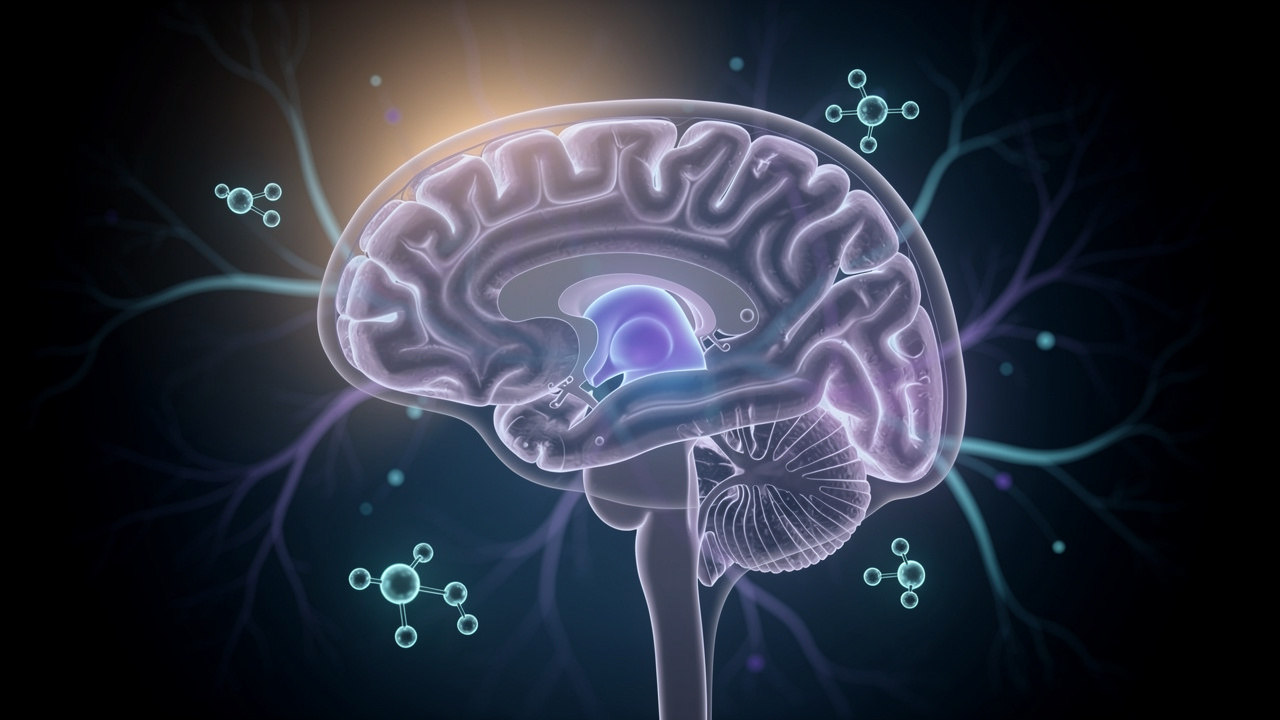
Melatonin is a hormone released by the pineal gland in response to darkness. It works as the body’s internal “lights out” messenger, signaling that it is time to prepare for sleep. When people compare Apigenin vs Magnesium vs Melatonin, melatonin stands apart because its core job is timing, not brute-force sedation.
After sunset, rising melatonin binds to MT1 and MT2 receptors in the brain’s master clock region, the suprachiasmatic nucleus. This binding tells the body to:
-
Drop core temperature
-
Lower alertness
-
Shift many processes into the night phase of the 24-hour cycle
Heart rate slows, digestion changes gear, and the brain prepares for the memory and repair work done during sleep.
Melatonin does not work like a sleeping pill that knocks someone out. Instead, it nudges the entire system toward “night mode.” That is why small, well-timed doses can be more effective than large, random ones. Too much melatonin can lead to grogginess or a “hangover” feeling, especially when doses stay in the 5–10 mg range or higher.
Under natural conditions, melatonin:
-
Rises a few hours before usual bedtime
-
Peaks in the middle of the night
-
Falls again toward morning
Late-night screen use, bright indoor lighting, and irregular bedtimes flatten and delay this curve. The brain reads that light as daytime and reduces melatonin output, even if someone feels exhausted.
Supplemental melatonin works best when used to correct correct timing problems. Studies show that low to moderate doses can shorten sleep latency (time to fall asleep) when taken 30–60 minutes before target bedtime. This is especially helpful for:
-
Jet lag
-
Shift work
-
Delayed sleep phase
-
Irregular schedules common among entrepreneurs and professionals
There are some simple cautions:
-
High doses or very late dosing can leave melatonin levels elevated when the alarm goes off, which leads to morning fog.
-
Some people notice vivid dreams or mild dizziness.
For most healthy adults, lower doses in the 0.3–3 mg range, guided by a consistent schedule and dim evening light, give the best balance between falling asleep faster and clear-headed mornings.
What Is Magnesium and Why Is L-Threonate the Superior Form for Sleep?

Magnesium is an essential mineral involved in more than 300 biochemical reactions. It supports muscle function, energy production, heart rhythm, and nervous system balance. Yet many adults fall short on daily intake, which can feed into anxiety, tension, and poor sleep. When people weigh Apigenin vs Magnesium vs Melatonin, magnesium stands out for its broad impact on relaxation and recovery.
In the brain, magnesium helps GABA receptors work properly. GABA is the main inhibitory neurotransmitter, often described as the brain’s braking system. When magnesium levels are adequate, GABA can slow nerve firing more effectively, lowering mental noise and the “thought loops” that keep many people awake.
Magnesium also helps muscles relax after contraction. Low levels raise the chance of:
-
Nighttime cramps
-
Twitching
-
A general sense of physical restlessness
For athletes and heavy lifters, this mineral supports both day-time performance and night-time repair, which makes it a natural foundation for those chasing optimal sleep and recovery.
However, not all magnesium forms act the same way in the body. Common types like magnesium oxide are inexpensive but poorly absorbed and tend to stay in the gut, where they mainly affect digestion. Citrate and glycinate absorb better and help with muscle and general relaxation, but they still have limited impact on brain levels.
Magnesium L-Threonate is different because it was designed to cross the blood-brain barrier effectively. Research, including work reported in The Journal of Neuroscience, shows that this form raises brain magnesium levels more than other types. Higher brain magnesium has been linked with better synaptic density, learning, memory, and a calmer nervous system.
For sleep, many people describe Magnesium L-Threonate as giving a “mental massage.” Over days and weeks, it can make the mind feel less jumpy at night, reduce the feeling of being “tired but wired,” and support deeper, more continuous sleep. This makes it a strong contender in any Apigenin vs Magnesium vs Melatonin comparison when racing thoughts and stress are the main obstacles.
Doses in human studies often fall between 1500–2000 mg of Magnesium L-Threonate powder daily, which yields roughly 144–192 mg of elemental magnesium. Splitting the dose between late afternoon and evening works well for many people, with the last portion taken one to two hours before bed to set up calm for the night.
What Is Apigenin and How Does This Chamomile Compound Promote Relaxation?

Apigenin is a flavonoid found in plants such as chamomile, parsley, and celery, with research on herbal and natural supplements demonstrating its role as one of the main reasons chamomile tea has served as a classic night-time drink for centuries. When people weigh Apigenin vs Magnesium vs Melatonin, apigenin holds a distinct place as a gentle anxiety-reducing compound that eases both mind and body.
In the brain, apigenin binds to benzodiazepine receptors, the same general targets touched by drugs like Valium and Xanax. However, apigenin does this in a far milder way. It appears to boost the calming effect of GABA without the sharp sedation, memory issues, or risk of dependence seen with those medications.
This dual action reduces anxiety while also relaxing muscles. Many users describe the feeling as:
-
A soft mental quiet
-
A loosening of physical tension
-
A sense of a heavy blanket settling over the nervous system
Unlike heavy sedatives that can flatten natural sleep architecture, apigenin seems to support entry into sleep while allowing normal cycling through sleep stages.
Early research suggests apigenin can lower markers of anxiety and support better subjective sleep quality. For people whose insomnia is clearly tied to stress, bedtime worry, or an overactive mind, apigenin may work better than melatonin alone. In an Apigenin vs Magnesium vs Melatonin match-up focused on pure anxiety relief, apigenin compares well with magnesium and has a different yet complementary mechanism.
Natural sources include:
-
Chamomile tea
-
Fresh parsley and celery
-
Some fruits and herbs with lower apigenin content
While these foods are healthy, the apigenin amounts per serving are quite low. To reach the 50–100 mg range that many sleep protocols use, concentrated supplements are usually needed.
From a safety standpoint, apigenin has a long history of use through chamomile, which has been consumed worldwide for generations. Most people tolerate supplemental apigenin well, with drowsiness as the main “side effect,” which is often the desired outcome at night. As with any compound that acts on the nervous system, people taking sedatives or blood thinners should talk with a health professional before starting higher-dose apigenin.
Head-to-Head Comparison: Apigenin vs Magnesium vs Melatonin for Different Sleep Challenges
Knowing mechanisms is helpful, but real-life sleep problems rarely feel abstract. Trouble falling asleep, waking at 3 a.m., or lying awake with looping thoughts each point toward different weak links in the sleep system. Looking at Apigenin vs Magnesium vs Melatonin through that lens makes supplement choices much clearer.
Each of these sleep supplements has a “home turf” where it tends to work best:
-
Melatonin for timing issues
-
Magnesium L-Threonate for nervous system overactivity
-
Apigenin for stress and tension
In many cases, combining them brings the best results, but it still helps to know which one to emphasize for a given problem.
For Difficulty Falling Asleep (Sleep Onset Latency)
When the main complaint is “I just cannot fall asleep,” melatonin usually takes first place. It sends a clear biological signal that night has started, which is especially helpful when late light exposure, travel, or drifting schedules confuse the internal clock. In this kind of Apigenin vs Magnesium vs Melatonin matchup, melatonin addresses the root cause by aligning circadian timing with the desired bedtime.
Magnesium and apigenin still have value here, but more as supporting players. If anxiety, muscle tension, or mental chatter are mild, small amounts of Magnesium L-Threonate or apigenin can smooth the path that melatonin opens. When timing is not the issue and the person simply feels stressed or upset, starting with magnesium or apigenin can make more sense than raising melatonin doses.
For Waking Up in the Middle of the Night (Sleep Maintenance)
Night-time awakenings often point toward stress hormones, unstable blood sugar, or a nervous system that cannot stay in a calm state. In this case, Magnesium L-Threonate and apigenin tend to outperform melatonin. Magnesium keeps GABA signaling steady through the night, while apigenin maintains a gentle brake on anxiety and physical tension.
Melatonin’s main action happens around sleep onset and in setting the timing of the night, so its influence often fades by the time those 2–4 a.m. wake-ups appear. For people who fall asleep fine but wake repeatedly, a focus on magnesium and apigenin, plus daytime stress management, gives a better return. This is a key point when comparing Apigenin vs Magnesium vs Melatonin based on real patterns rather than theory.
For Racing Thoughts and Bedtime Anxiety
If the body feels tired but the brain acts like a late-night group chat, Magnesium L-Threonate is usually the most effective first choice. Its ability to raise brain magnesium and reinforce GABA’s calming power makes it well suited to direct mental overactivity. Over several days, many people notice a smoother transition from work mode to sleep mode.
Apigenin comes in as a very close second through its action on benzodiazepine receptors. It especially helps when anxiety has a strong physical edge such as a tight chest, shallow breathing, or a restless, keyed-up feeling. Melatonin, by contrast, does not directly address anxiety, so by itself it often disappoints in these cases. Many severe anxiety-driven insomnia patterns respond best to a combination of Magnesium L-Threonate, apigenin, and precise low-dose melatonin used together.
For Jet Lag and Circadian Rhythm Disruptions
This is where melatonin carries the day. When crossing time zones or flipping work shifts, the main problem is misalignment between the internal clock and the outside world, not anxiety or muscle tightness. Timed correctly a few days before and after travel, melatonin helps shift the clock toward the new time zone by moving the body’s internal night earlier or later.
Magnesium and apigenin do not directly reset circadian rhythms, although they can still support sleep comfort during the transition. In an Apigenin vs Magnesium vs Melatonin comparison focused on jet lag, melatonin is the clear winner. Most protocols suggest taking melatonin 30–60 minutes before the planned local bedtime at the destination for several nights, keeping light exposure patterns aligned with the new schedule.
The Science Behind the Synergistic "Sleep Stack" Approach
Rather than picking a single “winner” in Apigenin vs Magnesium vs Melatonin, many people see better results by using them together in a structured sleep stack. Each compound covers a different part of the sleep system, so combining them can create smoother, more reliable nights. This approach matches how Synchronicity Health thinks about sleep: correcting timing, calming the nervous system, and lowering stress instead of chasing one magic pill.
-
Melatonin provides the night signal so the brain knows when to start winding down.
-
Magnesium L-Threonate reinforces the brain’s own brakes by supporting GABA and raising brain magnesium.
-
Apigenin adds targeted anxiety relief through benzodiazepine receptor activity without the heavy sedation of drugs.
These three can be viewed like members of an orchestra working toward the same song:
-
Melatonin sets the tempo of your internal clock so the entire system knows when to play. By aligning the timing of hormones, temperature, and alertness with the dark hours, it prepares the stage for natural sleep.
-
Magnesium L-Threonate smooths out the “sound” of the mind, almost like turning down background noise in the concert hall. It quiets hyperactive neural circuits that replay work problems or training numbers at bedtime.
-
Apigenin softens tension in both mind and body so the “music” of sleep does not get interrupted. By easing anxiety and physical tightness, it helps people drift rather than fight their way into sleep.
Many advanced stacks also include L-Theanine, an amino acid that promotes alpha brain waves associated with calm focus. Synchronicity Health builds on this science with a Melatonin Nasal Spray that includes L-Theanine, giving rapid circadian signaling plus nervous system calming in one physician-formulated product. Within their Sync Stack philosophy, that nasal spray can be combined with Magnesium L-Threonate, apigenin, NAD+ Nasal Spray, strength training, and protein timing to create an integrated sleep and recovery system.
In short, single ingredients can help specific problems, but layered, well-designed stacks often work better for complex, real-world sleep challenges.
Why Delivery Method Matters: Nasal Spray vs Oral Supplements
Most people first meet melatonin, magnesium, or apigenin as capsules, tablets, or powders. Oral supplements can work, but they must pass through the stomach and liver before reaching the bloodstream. This “first-pass” processing breaks down a portion of the active compound, delays onset, and makes effects less predictable from person to person.
For melatonin, delayed and uneven absorption means the timing signal may arrive later than planned. Someone might take a tablet at 10 p.m., but peak blood levels may not show up until midnight. That gap matters when the goal is precise circadian control. Magnesium forms that do not absorb well simply pass through the gut, leading mostly to digestive effects. Apigenin can also lose some potency in the digestive tract.
Nasal spray delivery approaches this problem from another angle. The thin tissue inside the nose sits close to blood vessels and, importantly, close to the brain. When a melatonin or L-Theanine nasal spray is used, those compounds can reach circulation much faster and at higher effective levels than the same dose swallowed in a pill. For sleep supplements where timing is everything, faster entry often means better alignment with planned bedtime.
Emerging research on intranasal delivery shows higher bioavailability and quicker onset for several compounds compared with oral use. That is why Synchronicity Health focuses on nasal sprays for key ingredients such as melatonin, L-Theanine, and NAD+. Their Melatonin Nasal Spray provides physician-calibrated doses designed to send a clean, fast timing signal without the rollercoaster of large oral doses.
Compared with IV therapy, nasal sprays offer a more practical way to reach high bioavailability levels at a fraction of the cost and hassle. For health-conscious adults who want near-clinic grade effects without weekly IV sessions, nasal sprays sit in a powerful middle ground. When combined with third-party testing and pharmaceutical-grade ingredients, this delivery method becomes a strong tool for precise sleep and performance protocols.
Magnesium Forms Decoded: Why L-Threonate Outperforms Other Types for Sleep
Magnesium labels can be confusing. Oxide, citrate, glycinate, malate, L-Threonate, and more all look similar on a bottle, yet they behave very differently in the body. For people comparing Apigenin vs Magnesium vs Melatonin, the form of magnesium chosen often decides whether the supplement calms the mind or mostly affects digestion.
Here is a simplified look at common magnesium forms.
|
Form |
Bioavailability |
Primary Benefits |
Blood-Brain Barrier |
Ideal Uses |
Cost Level |
|---|---|---|---|---|---|
|
Oxide |
Low |
Bowel movement support |
No |
Occasional constipation |
Low |
|
Citrate |
Moderate |
General supplementation |
Minimal |
Overall magnesium intake, digestion |
Low |
|
Glycinate |
Moderate to High |
Muscle and general calming |
Limited |
Muscle relaxation, gentle daily use |
Medium |
|
Malate |
Moderate |
Energy and muscle function |
Limited |
Fatigue, muscle support |
Medium |
|
L-Threonate |
High for brain magnesium |
Cognitive and sleep support |
Yes |
Racing thoughts, memory, brain health |
Higher |
Magnesium L-Threonate was developed through research at MIT with a goal of raising brain magnesium levels more effectively than older forms. Animal and human data suggest it succeeds at that task, which explains its impact on learning, memory, and stress resilience. For sleep, this brain-focused action means less mental noise and smoother transitions into and through the night.
Other forms still have roles:
-
Glycinate can be very helpful for muscle relaxation without much digestive upset.
-
Citrate and malate can support general magnesium status, which still matters for heart, bone, and metabolic health.
The key is matching the form to the goal rather than grabbing any random “magnesium” product.
Dosing also varies because each form carries a different amount of elemental magnesium. Labels that clearly list both the compound (such as Magnesium L-Threonate) and the elemental magnesium content are more trustworthy. Synchronicity Health’s commitment to premium ingredients aligns with these principles, focusing on forms and doses that support brain and sleep benefits instead of chasing the lowest price per capsule.
Beyond Sleep: Additional Health Benefits of Apigenin, Magnesium, and Melatonin
Better sleep is reason enough to care about Apigenin vs Magnesium vs Melatonin, but their impact reaches far beyond bedtime. These compounds influence brain health, immune function, aging, and physical performance. That is why they show up so often in longevity and biohacking circles, not just among people with insomnia.
Cognitive Function and Neuroprotection
Magnesium L-Threonate stands out for its documented effects on synaptic plasticity and memory. By raising brain magnesium, it appears to support stronger connections between neurons, which translates into better learning and recall in several studies. Melatonin adds powerful antioxidant and anti-inflammatory support inside the brain, helping protect neurons from oxidative stress.
Apigenin may also support brain health through antioxidant and anti-inflammatory actions and possible influence on brain-derived neurotrophic factor (BDNF), which helps neurons grow and adapt. Taken together, these effects make a well-designed sleep stack do double duty as a brain health stack for people who care about long-term mental performance.
Immune System Support and Longevity
Sleep and immunity work in both directions; poor sleep weakens defenses, and illness disrupts sleep. Melatonin acts as both a circadian signal and a wide-reaching antioxidant that modulates immune activity. Magnesium participates in the activation and function of many immune cells, so deficiencies can blunt normal responses.
By lowering chronic stress and inflammation, apigenin may support a more balanced immune environment over time, with nutritional interventions for enhancing sleep quality also showing broader effects on immune function and metabolic health. For people focused on healthspan, not just lifespan, high-quality sleep supported by these compounds becomes a central strategy. Synchronicity Health builds this view into its longevity focus, where NAD+ nasal sprays, sleep optimization, and muscle-focused protocols all converge on better long-term health.
Athletic Recovery and Performance
For athletes and dedicated lifters, magnesium is vital for ATP production, muscle relaxation, and protein synthesis. Low magnesium can derail training progress through cramps, fatigue, and prolonged soreness. Deep sleep, supported by melatonin’s timing signal, is when growth hormone peaks and tissues repair from training stress.
Melatonin’s anti-inflammatory properties may also help limit excess damage from heavy workouts, while apigenin’s calming effect helps the nervous system shift from “fight or flight” to “rest and rebuild.” In Synchronicity Health’s Sync Stack model, sleep supplements sit alongside protein intake and resistance training to support both performance and long-term muscle-centered longevity.
Safety, Quality Standards, and Long-Term Use Considerations
Many people look to Apigenin vs Magnesium vs Melatonin because they want to avoid habit-forming sleep drugs. One of the major strengths of this trio is that they work with the body’s own systems rather than overriding them. When used at reasonable doses, they are considered non-habit-forming and suitable for longer-term use for many adults.
-
Magnesium is an essential mineral, and a large share of the population does not reach optimal intake through diet alone. Long-term supplementation, especially with well-absorbed forms, can correct this gap. Side effects are rare and usually limited to digestive upset with certain forms or very high doses. The body also has built-in ways to manage extra magnesium through the kidneys.
-
Melatonin sometimes raises worries because it is a hormone. Research suggests that, at appropriate doses used for circadian support, it does not shut down the body’s own melatonin production. Problems such as morning grogginess tend to appear when doses are too high or taken too late at night. Staying within lower ranges and pairing melatonin with good light habits keeps things safer and more effective.
-
Apigenin has a long safety record through chamomile use across many cultures. Supplemental doses used in sleep stacks are generally well tolerated, with drowsiness and deeper relaxation as the main effects. People on blood thinners, sedatives, or with serious medical conditions should still speak with a clinician before adding it.
Quality matters just as much as dosage. Important markers include:
-
Third-party testing for purity and potency
-
Certificates of Analysis (COAs)
-
Non-GMO and gluten-free standards
-
GMP-certified manufacturing
Synchronicity Health builds these standards into its physician-formulated nasal sprays and Sync Stacks, giving health-conscious users confidence that the label matches what goes into the body.
Optimizing Sleep Beyond Supplements: Foundational Sleep Hygiene Practices
Sleep supplements work best on top of strong habits. Melatonin, Magnesium L-Threonate, and apigenin can only do so much if bedtimes swing wildly, screens glow until midnight, and caffeine flows late into the afternoon. Synchronicity Health’s Sync Stack approach treats supplements as amplifiers of good behavior rather than replacements for it.
Key foundations include:
-
Circadian Rhythm Consistency
Going to bed and waking up at roughly the same time every day teaches the brain and body when to feel sleepy and when to feel alert. Constantly shifting sleep and wake times creates a kind of “social jet lag” that stresses metabolism, mood, and performance even if total hours slept look decent on paper. -
Light Exposure Management
Bright morning light, ideally outside, anchors the body clock and helps melatonin fall at the right time each night. In the evening, dimmer, warmer light and reduced screen time prevent late suppression of melatonin. Simple steps such as device cutoffs, screen filters, or blue-light-blocking glasses can make modern life more compatible with natural melatonin curves. -
Supportive Sleep Environment
A cool, dark, quiet bedroom in the 65–68°F range works well for most people. Tools like blackout curtains, white noise machines, or breathable bedding help remove small disruptions that add up over time. Keeping work, email, and stressful conversations out of the bedroom helps the brain link that space with relaxation, not tension. -
Smart Diet and Substance Use
Caffeine has a half-life of six to eight hours, so afternoon coffee can still interfere with night-time sleep. Alcohol may feel relaxing at first but disrupts deep sleep and REM later in the night. Lighter dinners and avoiding very heavy or spicy foods near bedtime keep digestion from stealing resources from the brain’s repair work.
“The average adult needs between seven and nine hours of sleep per night.”
— National Sleep Foundation
Synchronicity Health pairs these habits with targeted nasal sprays and Sync Stacks to address regularity, duration, quality, daytime function, and satisfaction. When habits and supplements line up, sleep becomes a reliable training partner instead of a nightly gamble.
Natural Dietary Sources of Apigenin, Magnesium, and Melatonin
Food should lay the foundation for any supplement plan. While diet alone rarely delivers therapeutic doses of apigenin, Magnesium L-Threonate, or melatonin, smart choices can still support better sleep and overall health. Supplements then add precision and consistency on top of that base.
For apigenin, chamomile tea is the classic choice. Steeping high-quality chamomile flowers for at least five to ten minutes in hot water allows more of the flavonoids to enter the tea. Fresh herbs such as parsley, celery leaves, and cilantro also contain apigenin, as do some fruits and vegetables, though in modest amounts. Reaching the 50–100 mg range used in many sleep protocols would require very large servings, which is why concentrated supplements are often used.
Magnesium shows up in many whole foods:
-
Leafy greens like spinach, kale, and Swiss chard
-
Nuts and seeds such as pumpkin seeds, almonds, and cashews
-
Legumes, dark chocolate with high cacao content, and whole grains like quinoa and brown rice
These foods support overall magnesium status, but they do not provide Magnesium L-Threonate specifically, so they cannot fully replace a brain-focused supplement in people with big sleep or stress issues.
Melatonin appears in smaller amounts in foods such as:
-
Tart cherries and tart cherry juice
-
Walnuts and pistachios
-
Tomatoes and grapes
These foods can slightly support the body’s own melatonin rhythm, especially when eaten in the evening. However, the melatonin content is much lower than in even a small supplement dose, so they work best as gentle helpers rather than as primary circadian tools.
A practical approach uses food to cover base needs and general health while relying on carefully dosed sleep supplements for targeted goals such as faster sleep onset, better maintenance, or deeper recovery.
How to Choose High-Quality Sleep Supplements: A Buyer's Guide
The market for sleep supplements is crowded, and quality varies widely. Two products labeled the same can behave very differently once swallowed or sprayed. For anyone serious about comparing Apigenin vs Magnesium vs Melatonin, it is vital to know how to judge what is inside the bottle, not just the claims on the front label.
Top criteria include:
-
Third-Party Testing and Transparency
Independent lab tests for purity, potency, and contaminants protect against problems such as heavy metals or mislabeled doses. Reputable brands make Certificates of Analysis available so users can confirm what they are taking. Seals from groups such as USP or NSF can add further reassurance. -
Form and Bioavailability
Form and delivery method matter just as much as total milligrams. Magnesium L-Threonate, for example, does something very different from magnesium oxide, even if the label lists a similar number. Nasal sprays often deliver faster, more predictable effects than capsules for compounds like melatonin and L-Theanine. Looking for the specific form and delivery method that match your goals is far better than chasing the largest-looking number. -
Clean Ingredients and Manufacturing Standards
Short ingredient lists without artificial colors, unnecessary fillers, or common allergens show care in design. Non-GMO status, gluten-free formulas, and GMP-certified manufacturing in the USA all point toward better practices. Very low prices can sometimes signal corners cut in raw materials or testing. -
Physician-Formulated Products
When an MD with research training designs a product, there is usually a clear logic to the dosing, ingredient pairing, and delivery method. Synchronicity Health’s Yale-trained MD-led formulations reflect that standard, especially in their Melatonin Nasal Spray and Sync Stacks. Avoid products hiding behind vague proprietary blends or making claims such as “instant sleep every time,” which suggest marketing first and science second.
Synchronicity Health's Melatonin Nasal Spray: The Premium Solution for Sleep Optimization
All of the science behind Apigenin vs Magnesium vs Melatonin comes together in how a product is built. Synchronicity Health’s Melatonin Nasal Spray is designed as a precise, physician-formulated tool for people who care about circadian health, performance, and longevity. It pairs research-backed dosing with advanced delivery to support faster, cleaner sleep onset.
The core of the formula is melatonin combined with L-Theanine:
-
Melatonin provides the circadian timing signal.
-
L-Theanine supports a calm yet clear mental state.
This combination helps people feel ready for sleep without the heavy, drugged sensation that often comes from high-dose oral melatonin or sedative medications.
The nasal delivery system offers several advantages. By absorbing through the nasal mucosa, melatonin and L-Theanine reach the bloodstream and brain much faster than capsules or tablets. This rapid onset helps align the melatonin peak with the planned bedtime instead of thirty to ninety minutes later. Because absorption is more efficient, lower doses can be used to achieve the desired effect, which reduces the risk of next-morning grogginess.
Compared with IV melatonin or IV NAD+ treatments seen in some clinics, the nasal spray approach delivers high bioavailability without needles, long appointments, or steep per-session costs. For people who already visit IV therapy clinics for NAD+ but want a more practical day-to-day sleep tool, this matters. Synchronicity Health’s NAD+ Nasal Spray can also support circadian stability and energy during the day, while the Melatonin Nasal Spray addresses night-time timing.
Quality runs through the entire design:
-
Pharmaceutical-grade ingredients
-
Third-party testing
-
GMP-certified manufacturing in the USA
-
Batch-level Certificates of Analysis
Within the broader Sync Stack, the Melatonin Nasal Spray pairs with Magnesium L-Threonate, apigenin, Forage Adaptogenic Mushroom Blend, protein protocols, and strength training to support sleep, recovery, and long-term health in a coordinated way.
For biohackers, busy professionals, athletes, and longevity-focused adults, this approach gives clinic-level sophistication in a format that fits regular life.
Conclusion
Sleep is not one thing, and neither are sleep supplements. Melatonin acts as a timing signal for your internal clock, magnesium calms the nervous system and supports muscles, and apigenin reduces anxiety and tension. In any honest look at Apigenin vs Magnesium vs Melatonin, the best choice depends on whether the main obstacle is timing, mental noise, or stress.
For many people, stacking all three works better than choosing a single champion. Melatonin sets the schedule, Magnesium L-Threonate quiets the mind, and apigenin eases the emotional and physical edge. Add strong sleep hygiene, and these tools can turn erratic nights into predictable, restorative rest. Quality matters at every step, from ingredient form and dose to bioavailability and third-party testing.
Synchronicity Health reflects these principles with physician-formulated nasal sprays, premium ingredient choices, and a Sync Stack philosophy that weaves supplements together with lifestyle practices. Their Melatonin Nasal Spray with L-Theanine offers precise circadian support and calm in a fast-acting format, while NAD+ and other stacks back up energy and recovery.
Sleep is a central lever for longevity, cognitive performance, and daily vitality. If better rest has felt out of reach, consider building a structured plan around Apigenin vs Magnesium vs Melatonin, high-quality products such as those from Synchronicity Health, and consistent habits. Work with a trusted healthcare professional when adjusting your regimen, and track your sleep metrics so you can see the payoff from each change.
FAQs
Can You Take Apigenin, Magnesium, and Melatonin Together Safely?
For most healthy adults, taking apigenin, Magnesium L-Threonate, and melatonin together is considered safe and often helpful. Each one works through a different pathway, so they tend to complement rather than interfere with each other. Melatonin handles timing, magnesium stabilizes GABA and calms the nervous system, and apigenin adds focused anxiety reduction.
Many commercial sleep stacks and protocols already combine these ingredients, and millions of people use them together without major issues. It still makes sense to start with lower doses when combining them for the first time and slowly move upward if needed. Anyone taking prescription medications, especially sedatives, blood thinners, or blood pressure drugs, should check with a healthcare provider first. Synchronicity Health designs its nasal sprays and Sync Stacks with these interactions in mind and follows research-backed dosing ranges.
What Is the Best Time to Take Each Supplement for Optimal Sleep?
Timing can change how well Apigenin vs Magnesium vs Melatonin work:
-
Melatonin usually works best when taken 30–60 minutes before the desired sleep time, since that approximates the body’s natural rise in melatonin after dark.
-
Magnesium L-Threonate often shows best results when part of the daily dose is taken one to two hours before bed, giving the nervous system time to settle.
-
Apigenin fits well into the last hour before sleep, often alongside a wind-down routine such as reading or stretching. This timing lets its calming effect peak as you turn off the lights.
Synchronicity Health’s Melatonin Nasal Spray with L-Theanine is designed for simple use about thirty minutes before bedtime, giving a rapid signal and gentle calming in one step. Whatever timing you choose, keeping it consistent from night to night helps anchor your circadian rhythm.
How Long Does It Take to See Results from Sleep Supplements?
The timeline depends on the compound and the person:
-
Melatonin can shorten the time it takes to fall asleep on the very first night, especially when circadian timing has been off. For full circadian realignment after jet lag or shift changes, expect three to seven days.
-
Magnesium L-Threonate often needs more time; people may feel some calming within a week, but stronger effects on sleep and mood usually build over four to six weeks as brain magnesium levels shift.
-
Apigenin tends to act more quickly, often within thirty to sixty minutes for noticeable relaxation.
Still, the best gauge comes from consistent use over at least two to four weeks while tracking sleep and daytime function. Wearables and sleep apps can help reveal changes in sleep latency, total sleep time, and deep sleep that might be hard to judge by feel alone, especially for high performers used to pushing through fatigue.
Can Melatonin Cause Next-Day Grogginess or Dependency?
Melatonin can cause morning grogginess in some people, but this effect is strongly linked to dose and timing. High doses in the 3–10 mg range or taking melatonin very late at night can leave elevated levels in the blood when the alarm rings. That lingering level feels like a mild “hangover” for some users. Lower, circadian-focused doses between about 0.3–3 mg taken 30–60 minutes before bedtime tend to reduce this problem.
Concerns about dependency are common but do not match current evidence at proper doses. Melatonin does not work like many sleep drugs that directly sedate the brain, and it does not appear to shut down the body’s own melatonin production when used sanely. People can usually stop melatonin without withdrawal symptoms. Precision-dosed products such as Synchronicity Health’s Melatonin Nasal Spray are built to support natural rhythms rather than overpower them, which further lowers grogginess and dependence concerns.
What Is the Recommended Dosage for Apigenin, Magnesium L-Threonate, and Melatonin?
General ranges can guide decisions, though individual needs vary:
-
Melatonin: Many experts favor 0.3–3 mg for circadian support, with some people using 3–5 mg for stronger sleep initiation in the short term. With melatonin, more is not always better, and starting low is usually wise.
-
Magnesium L-Threonate: Common ranges are 1500–2000 mg per day of the compound, split into two or three doses, which provides around 144–192 mg of elemental magnesium.
-
Apigenin: Doses for sleep and anxiety commonly fall between 50–100 mg before bed. Lighter individuals and those more sensitive to supplements may do well at the lower end, while heavier or more stressed users sometimes prefer the higher end.
Pre-formulated stacks, including those guided by physicians, often use lower amounts of each compound in combination to gain synergy while keeping side effects low. Always follow product-specific instructions and speak with a health professional if unsure.
Are There Any Side Effects or Interactions to Be Aware Of?
Apigenin, Magnesium L-Threonate, and melatonin have strong safety records, especially compared with many prescription sleep aids. Still, awareness of possible side effects and interactions is smart.
Potential issues include:
-
Melatonin: Vivid dreams, mild dizziness, or morning grogginess, usually when doses are high or timing is off. It may interact with medications for blood pressure, diabetes, or immune suppression.
-
Magnesium: At very high doses or in less absorbable forms, it can trigger loose stools or digestive upset, though L-Threonate tends to cause less of this. It can interfere with the absorption of some antibiotics and certain heart medications if taken at the same time.
-
Apigenin: Generally gentle, with drowsiness as the intended effect, but there is a small chance of interaction with blood thinners or sedative medications because of its calming and mild blood-related properties.
A simple rule is to tell your healthcare provider about all supplements you use and to introduce new ones one at a time if you have concerns. Synchronicity Health’s focus on clean formulas and precise dosing further helps reduce unwanted surprises.


Leave a comment
All comments are moderated before being published.
This site is protected by hCaptcha and the hCaptcha Privacy Policy and Terms of Service apply.