
Introduction
At some point between late twenties and early forties, a pattern sneaks in. Mornings still start strong, but by mid-afternoon the mental edge dulls, workouts leave muscles sore for days instead of hours, and late nights take a bigger toll than they used to. People often blame “getting older,” yet very few ever ask why the body’s energy and recovery machinery loses steam in the first place.
Deep inside every cell sits a coenzyme called NAD+. It helps turn food into usable energy, supports DNA repair, and keeps cellular maintenance pathways switched on. When scientists mapped why NAD+ declines with age, they found something striking. By middle age, average NAD+ levels can fall by around fifty percent, and by the late seventies, some tissues may have lost up to ninety percent of their youthful supply.
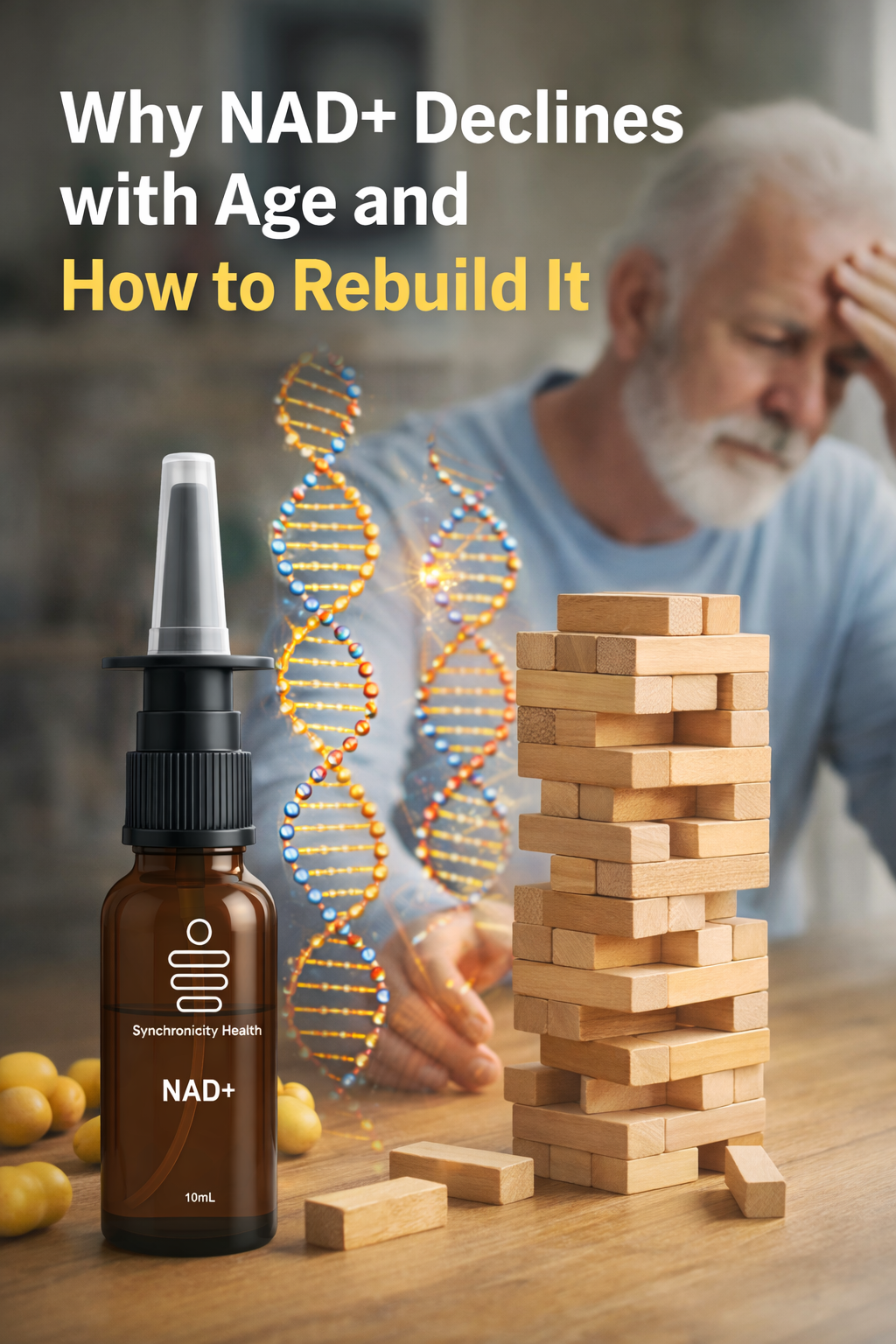
This is not just a lab number. Falling NAD+ shows up as fatigue, brain fog, slower training recovery, stubborn weight gain, and a higher risk of chronic disease. This article walks through what NAD+ is, why NAD+ declines with age, and what that means for energy and recovery. It also looks at evidence-based ways to raise NAD+ for energy and NAD+ for recovery, from lifestyle shifts to advanced tools like Synchronicity Health’s physician-formulated NMN capsules and NAD+ nasal spray, which offer IV-style support without the time and cost of clinic infusions.
As one longevity researcher put it, “If ATP is the currency of cellular energy, NAD+ is the central bank.”
Key Takeaways
-
NAD+ is a master coenzyme at the center of energy production, DNA repair, and longevity pathways. As NAD+ falls, cells struggle to make ATP, fix damage, and manage inflammation, which is why low NAD+ feels like a “low battery” across the entire body rather than in just one system.
-
Research shows a steep age-related decline in NAD+, often around fifty percent by midlife and much more by older age. This drop is driven less by poor production and more by runaway consumption from enzymes like CD38 and PARPs that are activated by inflammation, oxidative stress, and DNA damage.
-
Lower NAD+ hits high-demand tissues the hardest, including brain, muscle, heart, liver, skin, and immune cells. That is why people notice afternoon crashes, brain fog, slower workout recovery, and creeping metabolic issues long before a doctor gives a formal diagnosis.
-
Restoring the NAD+ network calls for both reducing unnecessary demand and improving supply. That means dialing in sleep, diet, movement, and stress while also adding NAD+ precursors such as NMN plus targeted delivery of NAD+ itself, as in Synchronicity Health’s high-bioavailability nasal spray and Sync Stacks that support energy, VO2 max, and recovery.
Understanding NAD+ – The Master Molecule Behind Cellular Energy
NAD+ (nicotinamide adenine dinucleotide) is a coenzyme found in every living cell. It moves electrons during metabolism, flipping between its oxidized form NAD+ and its reduced form NADH. In one role, it works like an electron shuttle for energy production, and in another role it serves as raw material for enzymes that handle DNA repair, gene expression, and cell signaling. Because it links so many pathways, many researchers now see NAD+ as a central control knob for cellular health.
NAD+ does not just help out in one part of metabolism. It acts more like a shared currency that dozens of enzyme systems spend each second. When NAD+ is abundant, the body can maintain strong ATP production, fast repair, and efficient stress responses. When it is scarce, cells are forced to make hard trade-offs, keeping you alive in the short term while long-term maintenance quietly falls behind.
In practical terms, NAD+ helps to:
-
Drive mitochondrial ATP production
-
Support DNA repair after everyday damage
-
Regulate which genes turn on or off through sirtuin activity
-
Coordinate stress responses and inflammatory control
The NAD+/NADH Ratio – Why Balance Matters for Metabolic Health
It is not only the amount of NAD+ that matters, but also the balance between NAD+ and NADH. This NAD+/NADH ratio tells the cell whether it should focus on burning fuel or storing it. A high ratio, with more NAD+ relative to NADH, signals that the cell should keep running energy pathways and stay flexible in how it uses carbs and fats.
A low ratio means there is too much NADH relative to NAD+. That state hints at metabolic “traffic,” where fuel is present but not being processed efficiently. Over time, a low NAD+/NADH ratio is linked with insulin resistance, fatty liver, and mitochondrial dysfunction. Aging tends to push the ratio in the wrong direction, adding to the reasons why NAD+ declines with age in its useful, oxidized form. Practices like exercise, time-restricted eating, and modest caloric reduction usually raise the NAD+/NADH ratio and support steadier energy.
NAD+'s Central Role in Three Critical Pathways
NAD+ sits in the middle of three systems that decide how long and how well cells function.
-
Energy metabolism
During glycolysis and the Krebs cycle, NAD+ accepts electrons to become NADH, which then feeds the electron transport chain in mitochondria to make ATP, the body’s main energy currency. Without enough NAD+, this flow bogs down and ATP output drops. -
DNA repair
When DNA strands break, enzymes called PARPs rush in to coordinate repair. They use NAD+ as a building block to create signal chains along the damaged DNA, and each repair event burns through many NAD+ molecules. -
Gene regulation and longevity control
Enzymes known as sirtuins need NAD+ to adjust which genes are active, calm inflammation, and keep mitochondria functioning well.
All three systems draw from the same finite NAD+ pool, so heavy use in one pathway can starve the others, especially as levels fall with age.
The Age-Related Decline – Charting NAD+'s Dramatic Drop

One of the most consistent findings in aging research is a steady fall in NAD+ across nearly every tissue that has been studied. Human and animal data suggest that by around forty to sixty years old, average NAD+ levels in many organs have dropped by roughly half compared to youth. In very old age, some tissues may be left with only a small fraction of their early-life NAD+ pool.
This fall in NAD+ is now viewed as a core feature of aging biology, not just a side effect. Because NAD+ controls energy production, repair, and cellular defenses, losing it speeds other hallmarks of aging such as mitochondrial decline, genomic instability, and chronic inflammation. The gap between how old a person is on paper and how old their cells behave is closely tied to how sharply their NAD+ network has slipped.
Tissue-Specific NAD+ Depletion and Its Consequences
Although NAD+ falls body-wide, the impact is not the same in every tissue:
-
Brain: Consumes about twenty percent of the body’s energy and is sensitive to even modest NAD+ declines. Lower NAD+ there can mean slower neuronal firing, less efficient neurotransmitter recycling, and a higher risk of neurodegenerative change over time.
-
Skeletal muscle: Depleted NAD+ impairs both contraction and repair, feeding into weaker performance, slower recovery, and loss of lean mass.
-
Blood vessels and heart: Reduced NAD+ disrupts the enzymes that make nitric oxide, a molecule that relaxes arteries and keeps blood flowing smoothly. That shift feeds arterial stiffness and higher cardiovascular risk.
-
Liver and metabolic organs: Low NAD+ interferes with fat processing and glucose control, promoting fatty liver and insulin resistance.
-
Skin and immune cells: These are hit as well, leading to more visible photoaging and weaker, more easily exhausted immune responses.
Early Warning Signs vs. Long-Term Disease States
NAD+ decline does not wait until old age to matter. In the thirties and forties, early warning signs often appear as:
-
Afternoon crashes and heavier reliance on caffeine
-
More frequent brain fog and short attention span
-
Longer recovery after hard workouts or stressful weeks
-
Subtle weight gain around the midsection
-
More restless or shallow sleep
By the fifties and sixties, low NAD+ often shows up as persistent fatigue that rest does not fully fix, difficulty holding on to muscle, rising blood pressure or metabolic health, and more noticeable lapses in memory or focus. Later in life, the same processes progress into clear disease: cardiovascular events, type 2 diabetes, neurodegenerative conditions, sarcopenia, and immune failure.
The earlier someone starts supporting NAD+ for energy and NAD+ for recovery, the more room there is to slow or even prevent these later-stage outcomes.
The Two-Pronged Problem – Increased Consumption Meets Decreased Production
To understand why NAD+ declines with age, it helps to view the body as a system with both supply and demand. On the supply side, cells must keep making and recycling NAD+ through several pathways. On the demand side, a growing number of enzymes consume NAD+ in the course of dealing with damage and stress. With aging, both sides shift in the wrong direction.
Production pathways, especially the salvage route that recycles used NAD+, become less efficient. At the same time, chronic inflammation, oxidative stress, and DNA damage push NAD+-eating enzymes into overdrive. The result is a widening gap where consumption outpaces production. This is why simple precursor intake is helpful but often not enough on its own, and why strategies that work best address both making more NAD+ and reducing unnecessary use.
The Consumption Crisis – NAD+-Devouring Enzymes in Overdrive
Metabolic enzymes that use NAD+ in redox reactions usually give it back as NADH, which can then be recycled. A separate category of NAD+ users actually break the molecule apart and force the cell to rebuild it from scratch. These are the true NAD+ consumers, and they include CD38, PARPs, and sirtuins. All three families become busier under stress.
With age, DNA lesions, inflammatory signals, and mitochondrial dysfunction all rise, so these enzymes are constantly active. CD38 and PARPs, in particular, can drain local NAD+ pools so quickly that there is not enough left for other pathways. This not only explains why NAD+ declines with age but also highlights how important it is to keep damage and inflammation under control if NAD+ for energy and NAD+ for recovery are goals.
CD38 – The Primary Culprit Behind NAD+ Depletion
CD38 is an enzyme most abundant on immune cell surfaces, where it helps convert NAD+ into signaling molecules that control calcium inside cells. In small bursts, this process is useful for immune responses and hormone release. The problem is that CD38 is extremely wasteful, destroying many molecules of NAD+ for each small messenger molecule it creates.
As people age, chronic inflammation pushes CD38 expression sharply upward, especially on macrophages that sit in tissues. Pro-inflammatory cytokines switch on CD38 through pathways like NF-κB, and senescent “zombie” cells add fuel by releasing a constant stream of inflammatory factors known as SASP. The combined effect is a spiral where inflammation raises CD38, CD38 depletes NAD+, low NAD+ weakens anti-inflammatory systems, and inflammation climbs further. Animal studies show that blocking CD38 can restore NAD+ toward youthful levels, which is why researchers view it as a major driver of the age-related crash.
PARPs and the DNA Damage Response – A Costly Repair System
PARPs are enzymes that sense and respond to broken DNA strands. PARP-1, the most studied member, attaches to damaged spots and uses NAD+ to build long chains of ADP-ribose along the DNA. These chains act like a signal to recruit other repair proteins. The catch is that every ADP-ribose unit costs one NAD+ molecule, and a single repair patch can require hundreds of units.
Cells experience thousands of DNA hits every day from normal metabolism, environmental toxins, and UV exposure. In youth, PARP activity tends to come in short pulses. Later in life, as damage loads rise, PARPs stay more active, turning their helpful repair duty into a chronic drain. Inside the nucleus, where PARPs reside alongside nuclear sirtuins such as SIRT1 and SIRT6, this constant activity can hog most of the NAD+, leaving little for long-term maintenance tasks.
Sirtuins Under Siege – Longevity Genes Starved of Fuel
Sirtuins (SIRT1 through SIRT7) are often called longevity genes because they control dozens of processes tied to healthy aging. They adjust gene expression, quiet inflammatory pathways, protect DNA, tune metabolism, and manage mitochondrial quality control. Every time a sirtuin acts, it consumes one molecule of NAD+, turning it into nicotinamide.
These enzymes are designed to respond when the NAD+/NADH ratio is high, as during fasting or exercise, by switching on repair and stress-resistance programs. With age, the need for these programs rises, but the NAD+ supply shrinks. PARPs and CD38 outcompete sirtuins for the remaining NAD+, and sirtuins enter a state some researchers describe as “starved.” The result is more inflammation, more mitochondrial decay, and more metabolic drift, all of which feed back into the same stressors that drove NAD+ down in the first place.
Inflammaging – The Inflammatory Fire That Burns NAD+
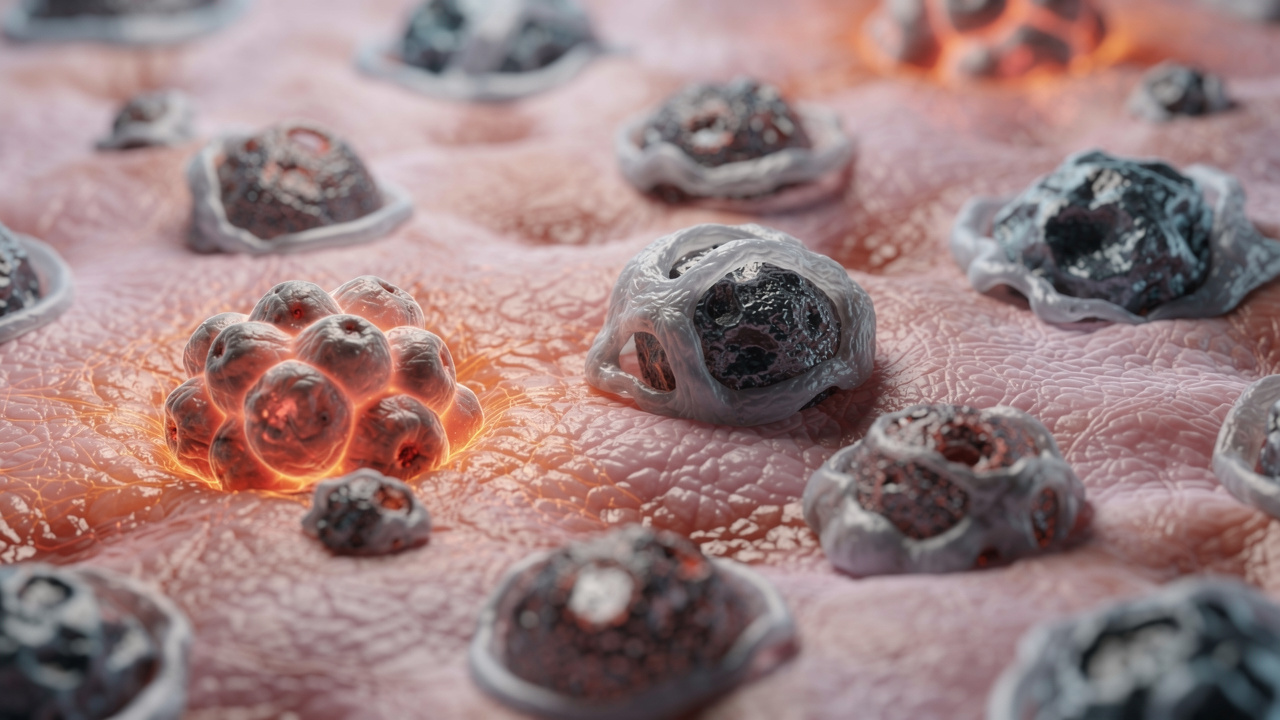
Inflammaging describes the slow, steady rise in inflammatory signals seen in older adults, even when there is no active infection. Markers such as CRP, IL-6, and TNF-α run two to four times higher than in young people. This background “smoldering” comes from several sources, including senescent cells, leaky gut, damaged mitochondria, and a less precise immune system.
For NAD+, inflammaging is bad news. Inflammatory cytokines switch on genes for CD38 and other NAD+-hungry enzymes, while oxidative stress from immune activity causes DNA damage that activates PARPs. At the same time, key NAD+ producers can be dialed down by the same inflammatory signals. This means that if someone wants to protect NAD+ for energy and NAD+ for recovery, managing chronic inflammation is just as important as adding precursors.
As many geriatric clinicians observe, “Low-grade inflammation is the background noise of aging—and it touches every organ system, including your energy machinery.”
The Senescent Cell Connection – SASP and CD38 Amplification
Senescent cells are damaged or stressed cells that stop dividing but refuse to die. Instead, they sit in tissues and secrete a mix of inflammatory molecules, growth factors, and enzymes called the senescence-associated secretory phenotype (SASP). This mix attracts immune cells like macrophages and keeps them in a constantly activated, pro-inflammatory state.
Activated macrophages in these zones often express very high amounts of CD38, which then chews through local NAD+ at a rapid rate. That creates pockets of tissue where even healthy neighboring cells are starved of NAD+ and exposed to chronic inflammatory stress. Studies where senescent cells were cleared in aged animals showed lower CD38 levels and a rebound in tissue NAD+, supporting the idea that senescent cell build-up is a direct driver of NAD+ decline.
Production Failure – The Breakdown in NAD+ Biosynthesis
On the supply side, cells have three main ways to build NAD+:
-
From the amino acid tryptophan (de novo pathway)
-
From nicotinic acid (a form of vitamin B3, via the Preiss–Handler pathway)
-
From nicotinamide, the breakdown product of used NAD+ (the salvage pathway)
In most tissues, this last option, known as the salvage pathway, carries most of the load because it recycles NAD+ rather than building it from scratch.
The salvage pathway depends on an enzyme called NAMPT, which converts nicotinamide into NMN, the direct precursor of NAD+. This step sets the pace for how quickly a cell can refill its NAD+ pool after PARPs, CD38, and sirtuins have used it up. With age, the salvage system slows, which means the body cannot keep up with the higher burn rate seen under chronic stress.
The NAMPT Decline – Age-Related Slowdown of the Recycling System
Many studies have found that NAMPT levels and activity drop in older muscle, fat, liver, and brain tissue. Several forces push NAMPT downward:
-
Oxidative stress can damage the NAMPT protein itself
-
Inflammatory cytokines can reduce expression of the NAMPT gene
-
Age-related weakening of circadian rhythms alters the natural daily rise and fall of NAMPT
When NAMPT slows, nicotinamide from consumed NAD+ piles up instead of being quickly turned back into NMN and then NAD+. The result is a recycling bottleneck at the very time consumption is surging from CD38 and PARPs.
On the positive side, regular exercise and modest caloric restriction are known to raise NAMPT through pathways like AMPK and SIRT1. Supplementing with NMN, which is the product of NAMPT, may also help, as it can bypass this slowing step and feed the salvage pathway more directly.
Oxidative Stress and Mitochondrial Dysfunction – A Self-Reinforcing Spiral
Mitochondria are both the main source of ATP and a main source of reactive oxygen species, or ROS. As electrons flow along the respiratory chain, a small share escapes and reacts with oxygen, forming ROS such as superoxide. Young mitochondria keep this in check with strong antioxidant systems, but older, damaged mitochondria leak more electrons and produce more ROS.
High ROS levels damage lipids, proteins, and DNA throughout the cell. That damage then calls in repair systems that consume NAD+, while also injuring the very enzymes that produce and recycle NAD+. In this way, mitochondrial decline and NAD+ decline are tightly linked, and each tends to make the other worse over time.
How Oxidative Stress Depletes NAD+ Through Multiple Pathways
Oxidative stress hits NAD+ in several ways at once:
-
ROS can directly alter NAD+ and NADH molecules, shrinking the usable pool
-
ROS can damage NAMPT and other biosynthetic enzymes, slowing NAD+ production
-
ROS-induced DNA breaks activate PARPs all over the nucleus, pulling heavily on NAD+ for repair
-
In mitochondria, ROS can harm mitochondrial DNA, triggering local repair responses that further drain NAD+
ROS also stimulate inflammatory signaling pathways, which raise CD38 levels on immune and other cells. All of these routes mean that a single burst of oxidative stress can cause a sharp, sometimes long-lasting drop in NAD+ availability.
The NAD+-Mitochondrial Decline Spiral
Mitochondria depend on NAD+ to run the Krebs cycle and to feed Complex I of the electron transport chain. When mitochondrial NAD+ is low, NADH production slows and electrons enter the chain less steadily, so ATP output falls. The mitochondrial sirtuin SIRT3, which deacetylates and activates many key enzymes in this system, also needs NAD+ and goes quiet when levels are low.
At the same time, a weak respiratory chain cannot efficiently turn NADH back into NAD+, so the NAD+/NADH ratio inside mitochondria drifts downward, signaling a blocked state. This blockage leads to more electron leakage and more ROS, feeding back into the same oxidative stress that drained NAD+ in the first place. Breaking this cycle by restoring NAD+ for energy is one reason NAD+ support can feel so different from a quick stimulant.
Lifestyle Factors That Accelerate NAD+ Decline
Internal aging processes already push NAD+ in the wrong direction, but lifestyle choices can push much harder. Diet, movement, sleep, light exposure, alcohol intake, and environmental toxins all change how much NAD+ is made and how fast it gets used. The good news is that these are levers people can adjust.
Treating NAD+ like a resource to protect leads to the idea of “NAD+ hygiene.” Strong sleep, nutrient-dense food, regular but not extreme exercise, lower toxin exposure, and stress management all reduce needless NAD+ burn. When those basics are in place, adding targeted support such as Synchronicity Health’s NMN capsules and NAD+ nasal spray can make a far bigger impact.
A simple way to picture it:
|
Lifestyle Factor |
Effect On NAD+ |
|---|---|
|
Ultra-processed diet |
Speeds NAD+ loss via inflammation and low ratio |
|
Regular movement |
Supports NAMPT and a healthier NAD+/NADH ratio |
|
Poor sleep and light |
Disrupts circadian control of NAD+ production |
Diet – Nutrient Deficiencies and Metabolic Overload

Food choices affect metabolic health from both directions. Diets heavy in refined sugar, processed fats, and excess calories tend to push the NAD+/NADH ratio down, encourage fat storage, and inflame tissues, which raises CD38. At the same time, diets low in tryptophan and vitamin B3 provide fewer raw materials for NAD+ synthesis through the de novo and Preiss–Handler pathways.
Alcohol has a special effect because its breakdown in the liver uses large amounts of NAD+. Regular heavy drinking keeps hepatic NAD+ low, which interferes with fat processing and detoxification. On the flip side, patterns like Mediterranean-style eating, time-restricted eating, and modest caloric reduction support a better NAD+/NADH ratio and lower inflammation. Even so, diet alone rarely brings NAD+ back to youthful levels, which is why many people pair food changes with NAD+ precursors.
Physical Activity – The Goldilocks Principle
Movement is one of the most powerful natural ways to support NAD+, but more is not always better.
-
A mostly sedentary life promotes insulin resistance, weight gain, and mitochondrial weakness, all of which speed NAD+ loss.
-
Regular moderate exercise increases NAMPT expression, improves mitochondrial function, and raises the NAD+/NADH ratio, feeding into better NAD+ for energy and better NAD+ for recovery.
Problems arise when training loads are very high without enough rest. Overtraining keeps stress hormones and inflammatory markers high, and it adds ongoing muscle damage that needs DNA repair. That combination activates PARPs and CD38 and can drain NAD+ faster than the body can replace it. The sweet spot is consistent moderate-intensity work with planned recovery, possibly supported by NAD+ boosters so athletic performance feel strong without sliding into chronic fatigue.
As many sports physicians remind their patients, “You don’t get stronger from the workout; you get stronger from the recovery from that workout.”
Sleep, Circadian Rhythms, and Environmental Exposures
The machinery that makes and recycles NAD+ follows the body’s internal clock. NAMPT levels normally rise and fall over twenty-four hours, tracking patterns of feeding and activity. Late nights, shift work, and chronic sleep quality flatten that rhythm, lowering average NAMPT levels and weakening NAD+ production. Blue light from screens late in the evening further disrupts timing signals that keep the clock aligned.
Outside of sleep, UV light from the sun and environmental pollutants injure cells in ways that burn NAD+. UV triggers DNA damage in skin, which leads to heavy PARP use and local NAD+ depletion, showing up as faster photoaging. Air pollution and tobacco smoke raise oxidative stress across many organs, again pulling in repair systems that spend NAD+. Building habits like consistent bedtimes, limiting late-night screen use, using sun protection, and improving air quality wherever possible all count as simple NAD+ hygiene.
What NAD+ Decline Means for Energy – The Cellular Power Crisis
When people describe feeling tired “all the time,” the problem often lies deeper than motivation or sleep hours. In many cases, cells simply cannot make enough ATP to meet demand. Because NAD+ is central to ATP production, falling levels create a true energy shortage at the cellular level, not just a sense of low drive.
This is where NAD+ for energy behaves differently from stimulant-based energy. Caffeine and similar compounds block fatigue signals and raise stress chemistry, which can feel helpful short term but do not fix the underlying machinery. By restoring NAD+ in mitochondria, the cell can burn fuel more cleanly and steadily, leading to smoother focus and endurance rather than sharp highs and crashes. Synchronicity Health’s NAD+ Nasal Spray was designed with this kind of non-stimulant, performance-oriented support in mind.
The Mitochondrial Energy Crisis
For each ATP molecule the body makes, electrons must flow smoothly from nutrients through NAD+ and NADH into the electron transport chain. When NAD+ is low:
-
The Krebs cycle slows
-
NADH production falls
-
Complex I has less to work with
-
Mitochondria respond by making less ATP
In the brain, that can feel like fog, slower recall, and weaker mental clarity because neurons are incredibly energy hungry. In muscles, it shows up as early fatigue, a drop in power output, and a sense that workouts feel “heavier” than they should. Across organs, anything that needs a lot of ATP, from ion pumps to protein synthesis, runs below capacity. Without enough NAD+, cells also lose the ability to shift easily between carbs, fats, and ketones for fuel, which makes energy levels more fragile.
The Afternoon Crash and "Running on Empty"
Many adults notice that the hardest hours of the day fall right after lunch. Part of this is normal circadian rhythm, but flattened NAD+ and NAMPT cycles with age make the dip much sharper. When mitochondria cannot process glucose from a meal efficiently due to low NAD+, blood sugar swings and sluggish ATP production combine to create a heavy, unfocused feeling.
To keep going, the body often leans on stress hormones and sympathetic nervous system activation. That leads to the “tired but wired” state where someone feels drained yet restless or anxious. Sleep may help a bit, but if the energy machinery is still short on NAD+, the battery never fully recharges. Supporting NAD+ for energy can turn that sharp afternoon crash into a mild, natural lull rather than a wall.
What NAD+ Decline Means for Recovery – The Repair System Breakdown

Energy during a workout is only half the picture; the other half is how well the body repairs afterward. Recovery depends on fixing DNA repair, clearing waste, building new proteins, settling inflammation, and sometimes creating new mitochondria or even new cells. Each of these processes spends NAD+, and the demand spikes after strenuous exercise or periods of high stress.
With age and falling NAD+, that repair wave slows and does not reach as high. Muscles stay sore longer, tendons complain more often, and gains from training arrive more slowly. Many people interpret this as “I just cannot handle hard sessions anymore,” when in reality, the repair machinery is under-fueled. Replenishing NAD+ for recovery can help the body move back toward the faster bounce-back it once had.
DNA Repair and Cellular Maintenance During Recovery
Hard training, long workdays, and emotional stress all increase oxidative stress and micro-damage inside cells. Muscle fibers develop microtears, and DNA generates more breaks than usual. Right after the stress, repair systems fire up:
-
PARPs handle DNA lesions
-
Sirtuins like SIRT1 and SIRT3 manage metabolic reset, mitochondrial clean-up, and anti-inflammatory responses
-
Protein synthesis ramps up to rebuild muscle and other structural proteins
All of this demands a large burst of NAD+. When NAD+ is already low, repair jobs drag on. Inflammation lingers, soreness hangs around, and cells may never fully restore themselves before the next stress hits. Over time, that pattern moves someone toward overtraining and chronic fatigue. By raising NAD+, recovery periods become more efficient windows where the body can not only repair but also adapt and come back stronger.
Muscle Stem Cells and the Loss of Regenerative Capacity
Muscle tissue has a built-in repair crew called satellite cells, which act as stem cells for muscle. When a fiber is damaged, these cells activate, divide, and merge into existing fibers or form new ones. Their ability to do this depends heavily on NAD+ and sirtuin activity, especially SIRT1, which guides their decision-making and energy balance.
With aging and low NAD+, satellite cells become sluggish. They activate less often, divide less, and are more likely to stay dormant. This blunts the growth response to strength training and contributes to sarcopenia, the gradual loss of muscle mass and strength. Older adults often notice that even with good protein intake and regular training, gains are harder to come by, a state known as anabolic resistance. Research in animals shows that restoring NAD+ can revive satellite cell function, pointing to NAD+ support as a way to protect long-term muscle performance.
Strategic NAD+ Restoration – Evidence-Based Approaches
Given how central NAD+ is, it is tempting to look for a single pill that fixes everything. In reality, restoring a youthful NAD+ network works best when several levers are pulled together. Lifestyle factors described earlier lower needless burn, while supplements work on the supply side and, in some cases, help counter overconsumption.
Traditional oral NAD+ products face a real challenge because much of what is swallowed is broken down in the gut and liver before it reaches cells. That is why the field has moved toward precursors such as NMN and NR, along with advanced delivery forms. Synchronicity Health builds on this science with a systems-based design that includes NMN capsules, high-bioavailability NAD+ nasal spray, and targeted Sync Stacks, all created by a Yale-trained physician and backed by third-party testing.
As clinicians often say, “You can’t supplement your way out of poor sleep and nutrition—but the right supplements can multiply the gains from good habits.”
The Precursor Approach – NMN and Nicotinamide Riboside (NR)
NAD+ precursors are molecules the body can convert into NAD+ through its normal pathways. The two most popular are:
-
NMN (nicotinamide mononucleotide) – sits just one step away from NAD+, making it a direct building block.
-
NR (nicotinamide riboside) – must first be turned into NMN and then into NAD+.
Supplying these precursors helps support the supply side of the equation, especially when natural production is hampered by NAMPT decline or nutrient gaps. Still, typical oral absorption is limited, with a fair amount lost in first-pass metabolism through the gut and liver.
Synchronicity Health’s NMN Capsules are designed as a clean, pharmaceutical-grade base for NAD+ production, with rigorous third-party testing so users know they are getting what the label states. Precursors strengthen the pipeline, but they do not by themselves calm down overactive CD38 or PARPs, which is why many people pair them with lifestyle upgrades and other strategies.
The Delivery Revolution – Intranasal NAD+ Administration
To get closer to the tissue levels seen with IV therapy without the cost or clinic time, delivery method matters. Swallowed NAD+ faces poor absorption and rapid breakdown, which is why many pills underperform expectations. Intranasal administration works differently. Sprayed into the nose, NAD+ can move across the nasal mucosa directly into the bloodstream and along pathways that reach the brain, largely bypassing digestive barriers and liver breakdown.
Studies and pharmacology models suggest this route can reach bioavailability comparison in the seventy to ninety percent range, compared with roughly fifteen to thirty percent for many oral forms. Synchronicity Health’s NAD+ Nasal Spray uses this advantage to provide fast, noticeable support for brain and cellular energy at home.
When combined in Sync Stacks with NMN Capsules and mitochondrial allies such as Cordyceps mushroom, users can build practical protocols for focus, VO2 max, endurance, or recovery that feel similar to IV therapy while fitting a busy schedule and avoiding clinic-level costs.
Conclusion
NAD+ is far more than a buzzword; it is a central player in how cells make energy, repair damage, and adapt to stress. The research on why NAD+ declines with age points to a double hit. Production pathways, especially the NAMPT-driven salvage route, slow down, while consumption from CD38, PARPs, and stressed sirtuins races ahead under the pressure of inflammation, oxidative stress, and DNA damage. The result is a shrinking NAD+ pool that weakens both day-to-day performance and long-term health.
On the surface, this shows up as fatigue, afternoon crashes, slower workout recovery, creeping metabolic changes, and a higher risk of chronic illness. Under the hood, mitochondria starve for fuel, DNA repair weakens, and the systems that keep inflammation in check lose their grip. Supporting NAD+ for energy and NAD+ for recovery is therefore not about quick fixes, but about restoring a core cellular resource.
The most effective strategy combines lifestyle NAD+ hygiene with smart supplementation. Strong sleep, thoughtful nutrition, regular movement, and lower toxin exposure reduce needless NAD+ burn. High-quality precursors such as Synchronicity Health’s NMN Capsules rebuild supply, while advanced delivery through NAD+ Nasal Spray raises active levels where they are needed most, especially in the brain. Paired with physician-designed Sync Stacks and third-party testing, this approach gives health-focused professionals, athletes, and longevity enthusiasts a practical, science-based way to support the cell-level processes that drive energy, recovery, and healthy lifespan.
FAQs
How soon can someone feel the effects of higher NAD+ levels?
Response times vary, but many people notice changes in mental clarity and steady energy within days to a few weeks when they combine lifestyle shifts with well-designed NAD+ support. Intranasal NAD+ tends to feel faster because of its higher bioavailability and direct access to the brain, while precursors such as NMN often build a steadier base over several weeks of consistent use.
Is NAD+ support safe for long-term use?
Current human studies on NAD+ precursors such as NMN and NR, as well as clinical use of NAD+ in IV settings, suggest a good safety profile for most adults when used at studied doses. That said, anyone with complex medical conditions, active cancer, or multiple prescriptions should talk with a healthcare professional before starting any NAD+-focused protocol, especially more intensive stacks.
Can lifestyle changes alone keep NAD+ levels youthful?
Strong sleep, nutrient-dense food, regular exercise, and low toxin exposure all help slow the decline in NAD+, and for younger or very healthy people they may be enough for a time. However, given the steep natural drop seen in studies, many adults in their thirties and beyond choose to combine lifestyle measures with NAD+ precursors or direct NAD+ delivery for a more noticeable effect on energy and recovery.
How is Synchronicity Health different from NAD+ IV clinics?
IV therapy can reliably raise NAD+ but is time-consuming, expensive, and not practical for daily use. Synchronicity Health focuses on physician-formulated, pharmaceutical-grade supplements that aim for IV-like impact through NMN capsules and high-bioavailability NAD+ nasal spray. This approach allows people to support NAD+ every day, at home, with products that are third-party tested and designed to fit smoothly into performance and longevity routines.


Leave a comment
All comments are moderated before being published.
This site is protected by hCaptcha and the hCaptcha Privacy Policy and Terms of Service apply.