

How Melatonin Nasal Spray Helps You Fall Asleep Faster
If you care about performance, recovery, and long-term health, high‑quality sleep is non‑negotiable. Yet many high performers still find themselves staring at the ceiling at midnight with a racing mind and a wired body.
That’s why at Synchronicity Health we focus on targeted tools that work with your biology, not against it. One of those tools is a melatonin nasal spray designed for people who want predictable, fast‑onset sleep support without heavy sedatives or megadoses.
Instead of forcing you to crash, the goal is to give your body a clear, well‑timed signal that it’s time to wind down.
In this guide, you’ll learn:
-
What melatonin is and how it influences your sleep‑wake rhythm
-
Why a melatonin nasal spray can act faster than pills or gummies
-
Who may benefit the most from this delivery method
-
How to use it safely, and why it’s nothing like the risky “tanning” sprays you may see online
Melatonin 101: Your Body’s Built-In Sleep Signal
Melatonin is a hormone your brain produces in response to darkness. As light fades, the pineal gland releases melatonin, signaling to your body that it’s time to sleep. In a healthy rhythm, melatonin rises in the evening, peaks during the night, and falls toward morning.
This rhythm is part of your circadian clock—the internal timing system that coordinates sleep, hormones, body temperature, and even digestion. When it’s in sync, you tend to fall asleep at a predictable time and wake up feeling more refreshed.
You can read more about the hormone itself here: Melatonin.
For many people, this natural rhythm gets disrupted by:
-
Late-night screen use and blue light
-
Jet lag and time zone shifts
-
Shift work or irregular schedules
-
Stress and late training sessions
-
Constant exposure to bright indoor lighting
When that rhythm is off, your brain may not get a clear “it’s time to sleep” signal. A melatonin nasal spray with theanine provides a small, precisely measured dose of the same hormone your body already makes, helping reinforce that nighttime signal at the right moment.
“Sleep is the single most effective thing we can do to reset our brain and body health each day.” — Matthew Walker, PhD
A carefully timed melatonin supplement—especially in a fast‑acting form—can support that reset when your own rhythm needs a gentle nudge.
Why Delivery Method Matters: Pills vs. Melatonin Nasal Spray
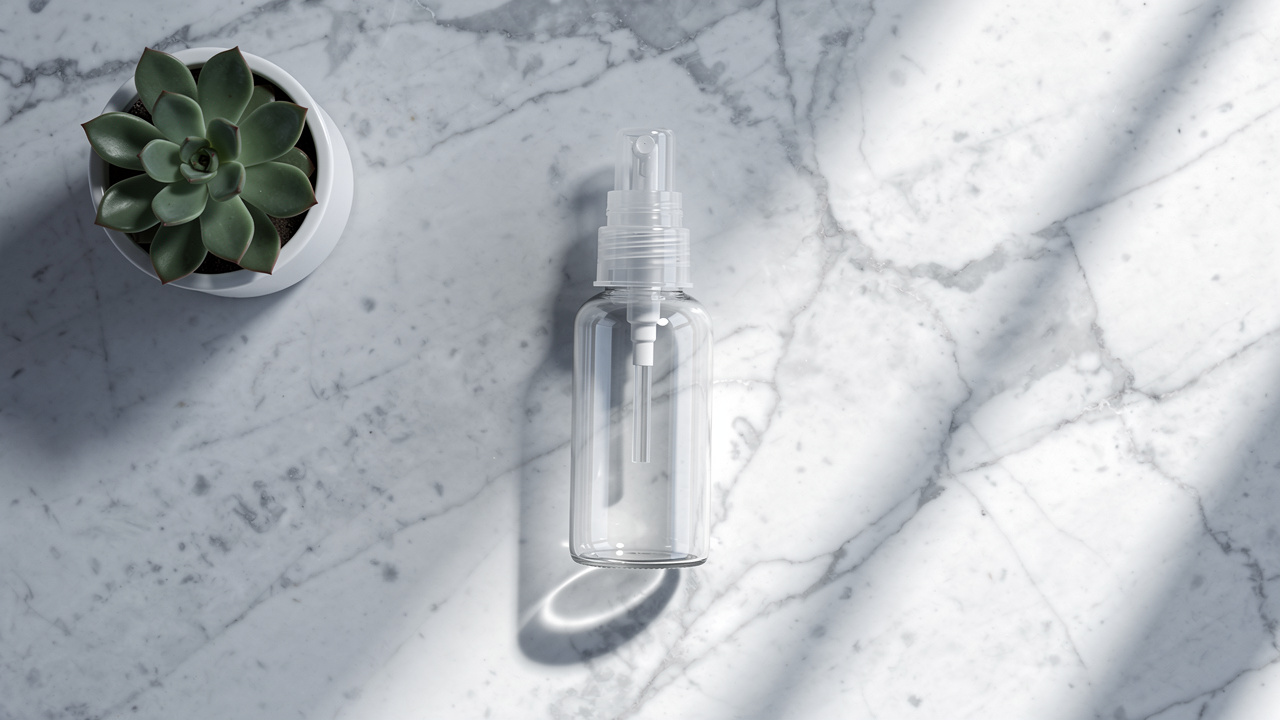
Most melatonin products are pills, gummies, or liquid drops. They can help, but they all share the same limitation: they must pass through your digestive system and liver before reaching your bloodstream.
That creates several issues:
-
Delayed onset – You may wait 30–90 minutes before feeling an effect.
-
First-pass breakdown – Your liver can metabolize a large portion of the dose before it ever circulates.
-
Inconsistent absorption – Food, gut motility, and individual differences can change how much melatonin actually gets in.
-
Harder to time precisely – If you misjudge when the effect will kick in, you might be wide awake in bed or drowsy too early.
A melatonin nasal spray takes a different route:
-
You spray directly onto the nasal mucosa, which is thin and packed with blood vessels.
-
Melatonin is absorbed rapidly into the bloodstream, with far less delay.
-
The dose can be lower while still reaching effective levels because less is lost in digestion and first‑pass metabolism.
Here’s a quick comparison:
|
Feature |
Oral Melatonin (Pills/Gummies) |
Melatonin Nasal Spray |
|---|---|---|
|
Primary Route |
Digestive tract → Liver → Blood |
Nasal mucosa → Blood |
|
Typical Onset Window |
~30–90 minutes |
~10–20 minutes |
|
Dose Range (Common Use) |
Often 3–10 mg or more |
Often 1–2 mg (lower dose can still be effective) |
|
Timing Predictability |
Can vary with meals and digestion |
Generally more consistent from night to night |
For biohackers and data‑driven users tracking sleep onset latency with wearables, this faster absorption profile matters. A melatonin nasal spray is designed for people who want to move from “tired but wired” to “ready for sleep” in minutes, not an hour.
Inside Synchronicity Health’s Melatonin Nasal Spray
At Synchronicity Health, our goal is simple: clean formulations, precise dosing, and real‑world results that support your long‑term goals.
Our melatonin nasal spray is built around a few key principles:
-
Fast-Acting Delivery
Intranasal delivery and a liposomal formulation are designed to support rapid absorption so you feel the shift toward sleep within about 10–20 minutes, rather than waiting for a tablet to make its way through your system. -
Low, Targeted Dose
Each spray delivers 1 mg of melatonin. That’s enough for most people to nudge the brain toward sleep without relying on very high doses that can lead to grogginess or next‑day “melatonin hangovers.” -
Clean Formula
No unnecessary fillers or sugar. Just functional ingredients selected to deliver melatonin efficiently and consistently, so you’re not adding sweeteners or extras you don’t need right before bed. -
Performance-Focused Design
Built for people who care about circadian alignment, recovery, and next‑day clarity—not just “knocking out” for the night and hoping for the best.
A melatonin nasal spray like this is not a sedative; it’s a timing tool. Used correctly, it helps your internal clock and your schedule line up.
Who Can Benefit From Melatonin Nasal Spray?
A melatonin nasal spray is not just for people with formal insomnia diagnoses. It can be a strategic tool for a range of lifestyles where sleep timing is under pressure.
High-Performing Professionals

-
Late work sessions, high evening cortisol, and screen exposure can delay natural melatonin release.
-
A fast‑acting melatonin nasal spray can help you quiet mental chatter and fall asleep closer to your target bedtime, keeping your sleep window consistent even during demanding weeks.
Biohackers and Longevity Enthusiasts
-
If you track HRV, deep sleep, and REM, you know how important sleep timing is for recovery and long‑term health.
-
A melatonin nasal spray allows fine‑tuned, low‑dose support that you can pair with other circadian strategies like morning light, temperature changes, and meal timing.
Athletes and Fitness Enthusiasts
-
Evening training, late competitions, or pre‑workout stimulants can push sleep later than planned.
-
Using a melatonin nasal spray after post‑training routines can help you wind down more quickly so you gain the full recovery benefit of the night.
Travelers and Shift Workers
-
Crossing time zones or rotating shifts can scramble your internal clock.
-
A melatonin nasal spray can help anchor a “new nighttime” by sending a clear, rapid signal to your brain that it’s time to sleep on the new schedule.
How to Use Melatonin Nasal Spray for Faster, Better Sleep
To get the most from a melatonin nasal spray, treat it like a timing instrument, not a cure‑all. Think of it as a way to support your internal clock while you also improve your habits.
Step-by-Step Use

-
Plan Your Target Bedtime
Decide when you want to be asleep—not just when you plan to get into bed. Aim for a consistent window from night to night. -
Time the Spray
Use your melatonin nasal spray about 15–30 minutes before that target sleep time. If you know you’re very sensitive, start closer to the 30‑minute mark so you can observe how your body responds. -
Dose Conservatively at First
-
Start with 1 spray (1 mg) in one nostril.
-
If you’re comfortable and still feel you need more support on later nights, you can try one spray in each nostril (2 mg total), but many people do well at 1 mg.
-
-
Keep the Device Clean
Don’t touch the spray tip to your skin or surfaces. Cap it tightly between uses and store it away from direct heat or sunlight. -
Pair With a Simple Wind-Down Routine
Melatonin works best when your behavior matches the signal you’re sending:-
Dim lights or use lamps instead of bright overhead lighting
-
Avoid bright screens or use blue‑light filters
-
Keep your bedroom cool, quiet, and dark
-
Shift to calming activities—reading, stretching, or light breathing work instead of email or social media
-
Give the routine several nights before you judge how well it fits you. Many people notice improvements in both how quickly they fall asleep and how rested they feel on waking.
A Simple Sleep Stack With Melatonin Nasal Spray
You can keep this very straightforward:
-
60–90 minutes before bed: Finish heavy meals and intense work.
-
45 minutes before bed: Dim lights and reduce screen exposure.
-
15–30 minutes before bed: Take your melatonin nasal spray.
-
Bedtime: Get into bed only when you’re actually ready to sleep, not to scroll.
For many people, this combination is enough to shorten sleep onset, deepen sleep, and keep mornings clearer.
Safety, Side Effects, and Quality Considerations

Melatonin has been widely studied and is generally well tolerated, especially at lower doses like 1–2 mg. Still, it’s worth understanding how your body might respond.
Avoid taking melatonin alongside alcohol or other substances that affect alertness, and give yourself enough time before you need to be fully awake, such as before driving early in the morning.
Possible Side Effects
Even at low doses, some users may notice:
-
Vivid or unusual dreams
-
Mild morning grogginess, especially if taken too late
-
Slight nasal dryness or irritation
-
Occasionally, headaches or mild nausea
These effects are often dose‑related. Starting with a lower dose of melatonin nasal spray and taking it earlier in the evening can help reduce problems. If side effects persist, it’s reasonable to pause use and discuss options with a clinician.
Who Should Talk to a Clinician First?
You should speak with a healthcare professional before using a melatonin nasal spray if you:
-
Are pregnant or breastfeeding
-
Take prescription medications (especially for mood, blood pressure, blood sugar, or immune conditions)
-
Have a history of seizures, major depression, or other significant medical conditions
-
Are using other sleep medications or sedatives
-
Are considering melatonin for a child or teenager
-
Have insomnia that has lasted longer than three months
In the United States, melatonin is sold over the counter as a dietary supplement, but quality and dose accuracy can vary between brands. At Synchronicity Health, our focus is on clarity around dosing and ingredients so you know exactly what you’re taking. When evaluating any melatonin product, look for transparent labels and brands that prioritize consistent dosing.
Melatonin Nasal Spray vs. Melanotan “Tanning” Sprays
Because the names sound similar, many people confuse melatonin with melanotan. The difference is not minor—it’s fundamental.
Melatonin
-
A natural hormone made by your brain
-
Helps regulate sleep‑wake timing
-
Available in the U.S. as an over‑the‑counter dietary supplement
-
Used in controlled doses for sleep, jet lag, and circadian rhythm issues
Melanotan
-
A synthetic peptide designed to stimulate pigment production in the skin
-
Marketed illegally online as “tanning injections” or “tanning nasal sprays”
-
Not approved for human use by major regulators (FDA, MHRA, TGA)
-
Associated with reports of serious side effects, including:
-
Nausea and vomiting
-
Changes in moles and freckles
-
Possible kidney problems
-
Concerns about increased skin cancer risk
-
A melatonin nasal spray is a sleep‑support tool.
A melanotan nasal spray is a risky and unapproved cosmetic drug.
If you are looking for sleep support, always read the active ingredient list carefully. What you want is melatonin, not melanotan. Be especially cautious with products that promise tanning, weight loss, and sexual effects all in one—those are strong warning signs.
Natural Ways to Support Your Melatonin Nasal Spray
A melatonin nasal spray works best as part of a broader sleep strategy, not as the only intervention. Simple changes can amplify its effects:
-
Daytime Light Exposure
Get outside in the morning. Bright light early in the day helps align your circadian rhythm so melatonin rises more predictably at night. -
Evening Light Discipline
Bright overhead lights and screens after dark send your brain a “daytime” signal. Use warm, lower‑intensity lighting and reduce screen time in the last hour before bed. -
Temperature Control
A cooler bedroom (around 60–67°F for most people) supports natural nighttime drops in core body temperature that go hand‑in‑hand with melatonin release. -
Consistent Sleep-Wake Time
Going to bed and waking up at roughly the same time every day trains your internal clock. Using a melatonin nasal spray at the same time each night can reinforce that pattern. -
Caffeine Timing
Try to avoid caffeine in the late afternoon and evening. Even if you don’t feel wired, it can still delay melatonin release and push your sleep time later.
For most health‑conscious users, these habits plus a well‑designed melatonin nasal spray provide strong, sustainable sleep support without heavier medications.
“The number of people who can survive on five hours of sleep or less without impairment, and rounded to a whole number, is zero.” — William C. Dement, MD, PhD
FAQs About Melatonin Nasal Spray
How Does Synchronicity Health’s Melatonin Nasal Spray Help Me Fall Asleep Faster?
Synchronicity Health's melatonin nasal spray delivers a low dose of melatonin through the nasal passages, which allows for quicker absorption into your bloodstream than a standard pill or gummy. That faster uptake helps your brain receive a clear “sleep time” signal within about 10–20 minutes, so you can fall asleep sooner and with less tossing and turning.
Many people notice they feel calmer, more ready to close their eyes, and less tempted to keep scrolling or working late.
How Is a Melatonin Nasal Spray Different From Melatonin Pills or Gummies?
Pills and gummies must pass through your stomach and liver first. That process can delay onset and break down a significant portion of the melatonin before it reaches circulation.
A melatonin nasal spray:
-
Delivers melatonin across the nasal mucosa directly into the bloodstream
-
Reduces delays from digestion and first‑pass liver metabolism
-
Can often use a lower dose while still giving strong sleep‑onset support
The result is faster, more predictable timing compared with many oral products, which can be especially helpful if your schedule is tight or variable.
How Much Melatonin Is in Each Spray?
Each actuation of Synchronicity Health’s melatonin nasal spray delivers 1 mg of melatonin. That dose is intentionally modest—enough to help your body prepare for sleep without relying on very high amounts that can increase the chance of next‑day grogginess.
Some people find that staying at 1 mg is ideal; others, in consultation with a clinician, may decide that 2 mg works better for their needs.
Can I Use Melatonin Nasal Spray Every Night?
Many people use low‑dose melatonin nightly, while others reserve it for specific situations such as travel, shift changes, or intense training blocks. A melatonin nasal spray is intended for short‑term or intermittent support of your sleep rhythm.
If you find you cannot sleep without it, or your insomnia persists, it’s wise to speak with a healthcare professional to look for underlying causes like sleep apnea, chronic stress, or circadian disorders.
Is This the Same as the “Tanning Nasal Sprays” I See Online?
No. Synchronicity Health’s product is a melatonin nasal spray for sleep support. The tanning sprays advertised online often contain melanotan, an unapproved synthetic peptide associated with serious safety concerns. These products are very different in purpose, chemistry, and legal status.
For sleep support, you want melatonin listed clearly as the active ingredient—not melanotan or other peptides.
The Bottom Line: Faster Sleep, Clearer Mornings
For people who care about performance, recovery, and long‑term health, sleep timing is not optional—it’s a core metric. A well‑designed melatonin nasal spray gives you a fast, low‑dose way to nudge your brain toward sleep at the right time, without heavy sedation or sluggish mornings.
Synchronicity Health created its melatonin nasal spray for exactly this purpose: a clean, science‑driven tool that fits the way high performers actually live.
If you’re ready to stop fighting your own brain at night and start treating sleep like the performance edge it is, consider adding a melatonin nasal spray to your routine and notice the difference that aligned, consistent sleep can make.


Leave a comment
All comments are moderated before being published.
This site is protected by hCaptcha and the hCaptcha Privacy Policy and Terms of Service apply.