
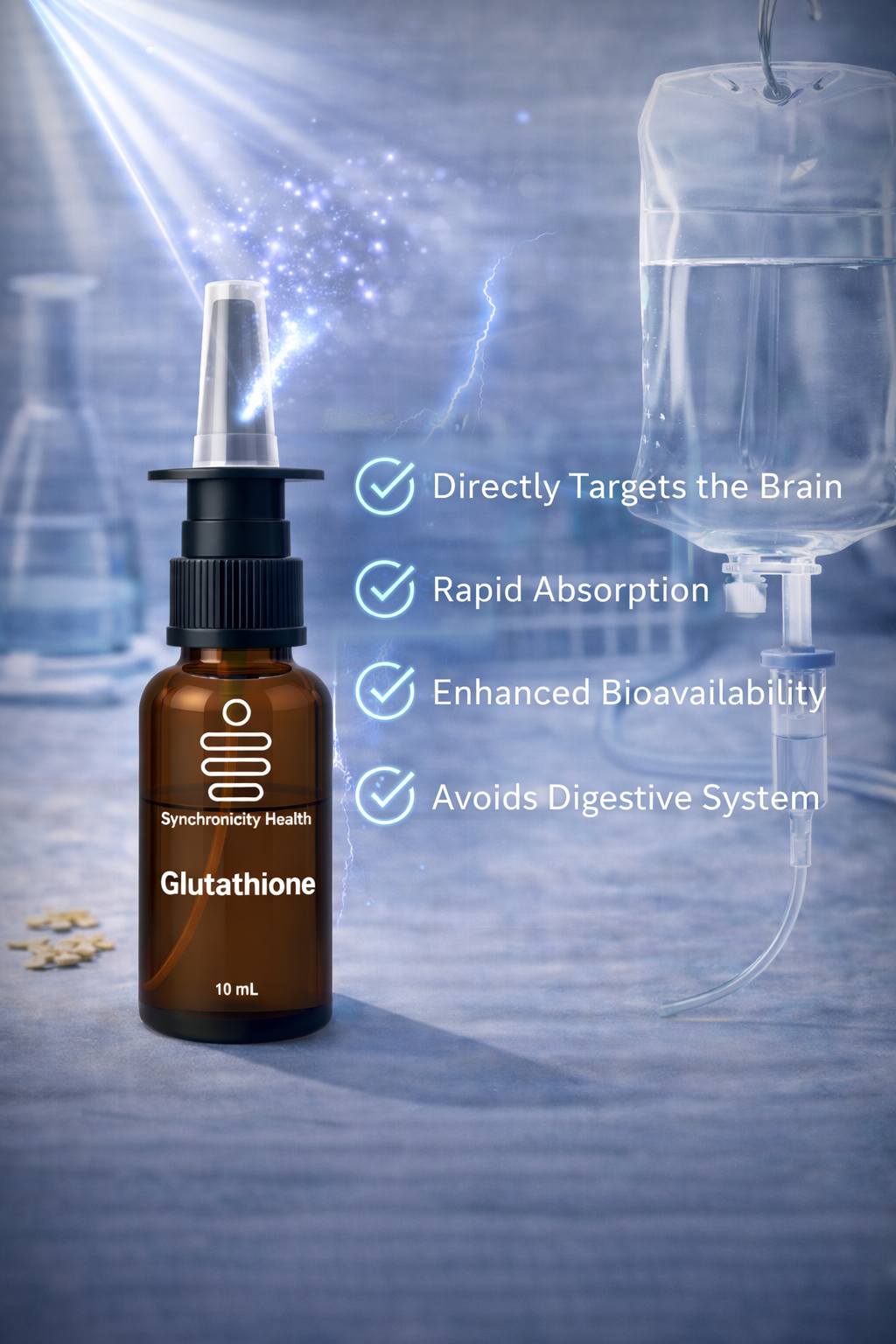
Your cells make glutathione every day, but levels drop with age, chronic stress, poor sleep, intense training, and environmental toxins. When that happens, energy, focus, immune resilience, and recovery can all take a hit. Many people turn to supplements, yet capsules and powders often disappoint because very little glutathione reaches the bloodstream or brain in its active form.
That’s where glutathione nasal spray benefits stand out. By using the nose as a direct entry point to the brain, sinuses, and circulation, intranasal delivery offers a practical way to raise glutathione where it matters most—without IV appointments or digestive breakdown.
Below, you’ll see what glutathione does, how intranasal delivery works, what the research shows, who it may help, and how to use a glutathione nasal spray effectively and safely.
What Is Glutathione And Why It Matters

Glutathione is a tripeptide made from three amino acids—cysteine, glutamate, and glycine, and extensive research has documented its role as a skin whitening agent and cellular antioxidant. It’s present in every cell and often called the body’s master antioxidant for good reason.
Researchers often describe glutathione as “one of the body’s most important antioxidant defenses,” thanks to its central role in redox balance and detoxification.
Core Roles Of Glutathione
Glutathione is deeply involved in day‑to‑day cellular maintenance:
-
Neutralizing free radicals to limit oxidative damage to DNA, proteins, and cell membranes
-
Regenerating other antioxidants such as vitamins C and E
-
Supporting detoxification in the liver, where it binds toxins so they can be excreted
-
Maintaining mitochondrial function, which directly affects cellular energy production
-
Regulating cell growth and programmed cell death (apoptosis)
-
Protecting the brain and nervous system from oxidative stress
Cells keep glutathione mostly in its reduced (active) form, known as GSH. When GSH neutralizes free radicals, it becomes oxidized (GSSG). Enzymes then recycle GSSG back to GSH. A high GSH:GSSG ratio is a marker of good cellular health; a low ratio is linked with aging, fatigue, and many chronic conditions.
Research has connected depleted glutathione levels with:
-
Neurodegenerative disorders such as Parkinson’s and Alzheimer’s disease
-
Chronic fatigue and brain fog
-
Respiratory conditions and chronic sinusitis
-
Multiple chemical sensitivity (MCS) and heightened reactivity to environmental toxins
Raising glutathione levels is an appealing strategy—but how you deliver it is critical.
Why Delivery Method Matters: Oral, IV, And Nasal Compared
Glutathione is fragile. The same chemistry that makes it a powerful antioxidant also makes it prone to breakdown during digestion and storage.
Common Glutathione Delivery Routes
|
Method |
Typical Absorption / Reach |
Advantages |
Limitations |
|---|---|---|---|
|
Standard oral (capsules, powders) |
Very low systemic availability |
Convenient, inexpensive |
Broken down in the gut; little active GSH absorbed |
|
Liposomal oral |
Better than standard oral |
Easy to take, more stable |
Still routed through digestion and liver |
|
Intravenous (IV) |
High systemic levels during infusion |
Direct delivery to bloodstream |
Invasive, time-consuming, costly, clinic-based |
|
Intranasal (nasal spray) |
Direct access to brain, sinuses, and systemic circulation |
Noninvasive, self-administered, quick to use |
Local irritation in some users; compounding quality matters |
For people who care about cognitive performance, respiratory health, and daily function, glutathione nasal spray benefits include the ability to reach the brain and upper airways directly—something oral forms simply cannot achieve.
How Intranasal Glutathione Works
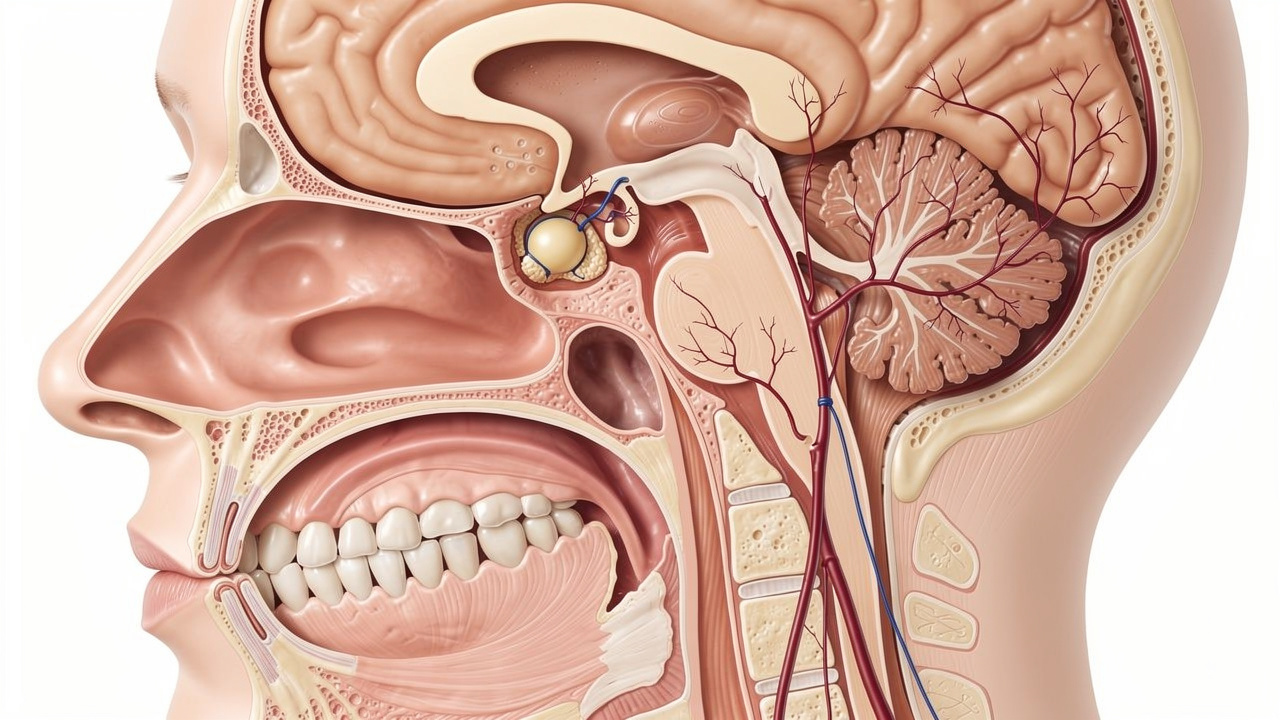
The inside of your nose is not just an air passage. It’s a highly specialized interface with the brain and bloodstream.
Nose-To-Brain And Nose-To-Lung Pathways
Intranasal glutathione uses several biological routes:
-
Intraneuronal Pathway
-
Glutathione contacts the endings of the olfactory and trigeminal nerves in the nasal cavity.
-
It can then travel along these nerves (axonal transport) into various brain regions.
-
This route unfolds over hours to days and may help distribute glutathione throughout the central nervous system (CNS).
-
-
Extraneuronal Pathway
-
Glutathione diffuses across the nasal mucosa and the thin bone of the olfactory plate.
-
From there, it can enter the cerebrospinal fluid (CSF) surrounding the brain and spinal cord, utilizing the same advances in inhaled nanoparticle delivery that have improved therapeutic targeting.
-
This provides relatively rapid access for small, water‑soluble molecules like glutathione (molecular weight ~307 Da).
-
-
Local And Systemic Absorption
-
The nasal passages and sinuses receive direct contact, which is highly relevant for allergies and sinusitis.
-
A rich blood supply in the nasal mucosa allows some of the dose to enter circulation and contribute to systemic glutathione status.
-
Evidence For Brain Uptake
A proof‑of‑concept pilot study in people with mid‑stage Parkinson’s disease used magnetic resonance spectroscopy (MRS) to track brain chemistry after a single intranasal glutathione dose. Researchers observed:
-
An average ~240% increase in brain glutathione levels
-
Levels beginning to rise within 20 minutes and remaining higher than baseline for up to 45 minutes after dosing
This supports what many biohackers and clinicians suspected: intranasal delivery can raise brain glutathione without needles.
Core Glutathione Nasal Spray Benefits
Because glutathione sits at the center of antioxidant defense, detoxification, and mitochondrial function, glutathione nasal spray benefits can touch several domains: energy, cognition, immunity, respiratory health, detox, and healthy aging.
As many integrative clinicians like to say, “When redox balance improves, people often feel it first as better energy, clearer thinking, and easier breathing.”
1. Energy, Mitochondria, And Brain Fog

Glutathione supports the mitochondria—the “power plants” inside your cells—by:
-
Protecting mitochondrial membranes from oxidative damage
-
Helping maintain enzymes involved in ATP (energy) production
-
Supporting balanced redox status so cells can keep up with metabolic demand
Many users report:
-
More stable daytime energy
-
Less post‑exertional fatigue
-
Clearer thinking and reduced “brain fog”
Early surveys of intranasal glutathione users found that about 24.2% reported improved energy and 28.8% reported a better overall sense of well‑being, even across diverse health conditions.
For busy professionals, students, and athletes, these glutathione nasal spray benefits often show up as better stamina for mental and physical workloads.
2. Cognitive And Neuroprotective Support
Oxidative stress and glutathione depletion appear early in several brain conditions:
-
Parkinson’s disease: One of the earliest biochemical changes in the substantia nigra is a marked drop in glutathione.
-
Alzheimer’s disease and mild cognitive impairment: Postmortem and MRS studies show lower glutathione in the hippocampus and frontal cortex, and lower levels associate with worse cognitive scores.
-
APOE4 carriers: Brain tissue from Alzheimer’s patients with this gene variant shows higher oxidative stress and lower reduced glutathione than in non‑carriers.
Clinical trials of intranasal glutathione in Parkinson’s disease so far have been small and not powered to give final answers, with:
-
A trend toward symptom improvement in an early Phase 1/2a trial
-
No clear advantage over placebo in a Phase 2b trial, likely due to high placebo response and modest dosing
Still, patient reports tell a more encouraging story. In one safety survey, among Parkinson’s users of intranasal glutathione:
-
57.1% reported a positive overall experience
-
Many cited better energy and reduced symptom burden
Bottom line: evidence suggests glutathione nasal spray benefits may include neuroprotection and cognitive support, along with NAC, but dosing strategies and long‑term outcomes still need more rigorous study.
3. Immune, Respiratory, And Sinus Health

The nasal passages, sinuses, and upper airways face constant exposure to allergens, pathogens, and pollutants. Oxidative stress and low glutathione are common findings in chronic respiratory issues.
Allergies And Chronic Sinusitis
Research has shown:
-
Depleted reduced glutathione in the nasal mucosa of patients with chronic sinusitis
-
In a trial involving children with chronic otitis media (related to sinus and nasal dysfunction), nasal glutathione aerosol:
-
Dramatically increased glutathione levels in nasal mucosa within the first hour
-
Led to statistically significant improvements in nasal obstruction, runny nose, and ear fullness
-
Patient‑reported data echo these findings. In a survey of individuals using intranasal glutathione:
-
Allergies and sinusitis were the second most common reason for use
-
88% reported a positive overall experience
-
Among this group:
-
52% noted improvement in disease symptoms
-
48% had fewer sinus infections
-
20% reported better energy
-
16% had fewer headaches
-
For people with seasonal allergies or frequent sinus congestion, glutathione nasal spray benefits often include easier breathing, less congestion, and fewer infections over time, similar to using NAC.
Immune Resilience
Glutathione also supports immune cells:
-
Helps maintain function of lymphocytes and natural killer cells
-
Modulates inflammatory signaling
-
Aids in viral defense via redox‑dependent pathways
In broad user surveys, 45.5% of intranasal glutathione users reported improvement in their primary health symptoms, often tied to better immune resilience and recovery.
4. Detoxification, Environmental Sensitivity, And MCS
Glutathione is central to phase II liver detoxification, where it binds:
-
Heavy metals
-
Pesticides and solvents
-
Endogenous metabolic byproducts
People with multiple chemical sensitivity (MCS) often show:
-
Lower reduced and oxidized glutathione
-
Impaired glutathione‑related enzyme activity
In a survey of intranasal glutathione users, MCS was the most common indication:
-
72.4% reported a positive overall experience
-
62.1% reported specific health benefits
-
44.8% reported direct improvement in MCS symptoms
-
31.0% reported an improved overall sense of well‑being
Many chemically sensitive patients describe glutathione support as “the missing piece that helped them tolerate everyday exposures better,” especially when combined with careful avoidance and lifestyle work.
For those who feel “wired and tired” after minor chemical exposures, glutathione nasal spray benefits may include more resilience to fragrances, cleaners, fumes, and other triggers—though it is not a cure and should be part of a broader management plan.
5. Anti-Aging, Skin, Hair, And Longevity
Because glutathione anchors redox balance at the cellular level, it naturally intersects with longevity and cosmetic health.
Reported and plausible benefits include:
-
Cellular aging: Better control of oxidative stress, a major driver of age‑related cellular damage
-
Skin appearance:
-
More even tone and brightness due to effects on melanin pathways
-
Protection of skin cells from UV‑induced oxidative damage
-
-
Hair and nails: Some users notice stronger hair and nails, which fits with glutathione’s role in protein and sulfur amino acid metabolism
For longevity‑focused individuals, glutathione nasal spray benefits fit into a broader strategy alongside quality sleep, nutrient‑dense food, movement, and stress management.
Who Might Consider Glutathione Nasal Spray
Only your healthcare provider can give personal advice, but you may want to ask about intranasal glutathione if you:
-
Have persistent fatigue or “hit the wall” despite good sleep
-
Experience brain fog, slow recall, or reduced focus
-
Deal with frequent colds, sinus infections, or seasonal allergies
-
Live in areas with high pollution or frequent chemical exposure
-
Are over 40, when natural glutathione production typically declines
-
Have high work or training stress, such as entrepreneurs, executives, shift workers, or competitive athletes
-
Notice heightened sensitivity to chemicals, fragrances, or smoke
For many in these groups, the appeal of glutathione nasal spray benefits is the combination of targeted brain and sinus delivery with the convenience of at‑home use.
How To Use Glutathione Nasal Spray For Best Results

Always follow the directions on your specific product and the guidance of your clinician. The points below reflect common practice with compounded products such as Synchronicity Health’s Glutathione Nasal Spray, along with published trial protocols.
Start Low And Build Gradually
-
Begin with one spray per nostril once daily, unless your provider advises otherwise.
-
After several days to a week, many people increase to once or twice daily, depending on response.
-
A gradual ramp‑up helps your body adjust and may reduce short‑term effects like mild nasal irritation or runny nose.
Timing Your Doses
People use glutathione nasal spray in different ways based on their goals:
-
Morning:
-
Supports daytime energy, focus, and productivity
-
A good fit for busy professionals and students
-
-
Late afternoon or early evening:
-
Some prefer this timing to support overnight detox and recovery
-
May pair well with wind‑down routines and sleep‑support practices
-
You can experiment (with your provider’s guidance) to see when glutathione nasal spray benefits feel most noticeable for you.
Technique Matters
For better coverage of the nasal mucosa:
-
Gently blow your nose first.
-
Aim the spray slightly outward (toward the outer corner of the eye) rather than straight up.
-
Inhale gently as you spray—no forceful sniffing needed.
A few seconds of calm breathing after each spray can help the liquid stay in contact with nasal tissues.
Storage And Stability
Glutathione is sensitive to oxidation:
-
Many compounded formulas are refrigerated to maintain potency.
-
Keep the bottle away from heat and direct light.
-
Use within the product’s stated beyond‑use date.
High‑quality formulations tested for stability can retain over 94–97% of reduced glutathione for 1–2 months when stored correctly. For details on Synchronicity Health’s testing, you can review our quality testing and manufacturing standards.
Safety, Side Effects, And What The Research Shows
Available clinical trials and long‑term user surveys suggest that intranasal glutathione is generally well tolerated when used as directed.
As many clinicians remind patients, “More is not always better with antioxidants—dose and context matter.”
What Users Report
In a safety survey of 66 long‑term intranasal glutathione users (median use ~24 months):
-
78.8% reported an overall positive experience
-
62.1% noticed specific health benefits
-
Most found the spray:
-
Comfortable to use (86.4%)
-
Easy to self‑administer (87.9%)
-
Common mild side effects included:
-
Irritation of the sinuses or nasal passages (18.2%)
-
Headache (9.1%)
-
Occasional nosebleeds (7.6%)
Individuals with multiple chemical sensitivity were about twice as likely to report these effects, likely reflecting their higher overall sensitivity.
Clinical Trial Safety
Trials in Parkinson’s disease patients found:
-
No significant differences in standard lab markers (CBC, liver enzymes, kidney function) between glutathione and placebo groups
-
Similar levels of sinus irritation in both glutathione and placebo arms, suggesting that some irritation may relate to the spray vehicle rather than glutathione itself
A single case of tachycardia and cardiomyopathy occurred in a participant receiving a high dose (600 mg/day). Symptoms resolved after stopping treatment. Researchers suggested this might relate to “reductive stress” from very high antioxidant exposure, especially when combined with other strong antioxidants.
Important Cautions
Use glutathione nasal spray carefully if you fall into any of these groups:
-
People with severe asthma or significant respiratory disease should use any nasal spray cautiously and only under medical supervision.
-
Those with a known allergy to glutathione or any component of the formulation should not use it.
-
Anyone on prescription medications or living with serious health conditions should discuss glutathione nasal spray benefits and risks with their clinician first.
How To Choose A High-Quality Glutathione Nasal Spray
Because intranasal glutathione is often prepared by compounding pharmacies, quality can vary. Look for:
-
Stability data: Evidence that the reduced form (GSH) remains stable over the life of the bottle.
-
Sterile preparation: Compliance with USP <797> sterile compounding standards.
-
Clear labeling: Strength per spray, storage instructions, and beyond‑use date.
-
Quality assurance: Third‑party testing and transparent manufacturing practices.
Synchronicity Health emphasizes careful sourcing and testing for its formulations. For a deeper look at how we approach potency, purity, and safety, see our quality testing and manufacturing standards.
Making Glutathione Work For You
If you’ve tried oral glutathione with little to show for it—or you want targeted support for brain function, immune resilience, and respiratory health—intranasal delivery offers a practical alternative.
By bypassing the digestive tract and directly accessing the nasal mucosa, sinuses, and brain pathways, glutathione nasal spray benefits can span:
-
More stable energy and clearer thinking
-
Better support for allergies, sinus issues, and respiratory health
-
Improved detox capacity and resilience to environmental exposures
-
Support for healthy aging at the cellular level
A helpful rule of thumb: “Use glutathione as a tool, not a crutch—stack it on top of solid sleep, nutrition, movement, and stress management.”
When glutathione reaches the right tissues in its active form, many people notice meaningful changes within a few weeks of consistent use.
Ready to see what effective delivery can do for your daily performance and long‑term health? Try our glutathione nasal spray and see how better absorption can support your energy, focus, and recovery.
Frequently Asked Questions
What Is Glutathione Nasal Spray Good For?
Glutathione nasal spray is used to support:
-
Daytime energy and reduced fatigue
-
Mental clarity and focus
-
Immune resilience and fewer infections
-
Respiratory and sinus health (allergies, congestion, recurrent sinusitis)
-
Detox pathways and tolerance to chemical exposures
-
Healthy aging and skin appearance
Because of its direct brain and sinus access, glutathione nasal spray benefits can differ from what people experience with oral glutathione.
What Happens When You Start Using Glutathione Nasal Spray?
Experiences vary, but many users report within 2–4 weeks of regular use:
-
More consistent energy
-
Less brain fog and better concentration
-
Improved sleep quality and recovery
-
Brighter skin tone or more even complexion
-
Easier breathing or less congestion
Some people feel changes sooner; others require a longer trial. Starting dose, overall health, and baseline glutathione status all influence the timeline.
Is Glutathione Nasal Spray Good For Sinuses And Allergies?
Research and user reports suggest yes:
-
Reduced glutathione levels are found in chronic sinusitis.
-
A clinical study in children using nasal glutathione aerosol showed improved nasal obstruction, runny nose, and ear fullness.
-
In surveys, allergy and sinusitis users reported:
-
Fewer sinus infections
-
Less congestion
-
Fewer headaches
-
These glutathione nasal spray benefits appear related to reduced oxidative stress and inflammation in nasal and sinus tissues.
Is Glutathione Nasal Spray Safe During Pregnancy Or Breastfeeding?
There isn’t enough targeted research on intranasal glutathione use in pregnancy or while breastfeeding to make firm safety recommendations.
-
Glutathione is a natural molecule your body already produces.
-
However, pregnant or breastfeeding women should consult their healthcare provider before starting any new supplement, including glutathione nasal spray.
Who Should Not Use Glutathione Nasal Spray?
You should avoid or be especially cautious with intranasal glutathione if you:
-
Have a known allergy to glutathione or any ingredient in the spray
-
Have severe asthma or significant respiratory disease, unless closely supervised
-
Are on complex medication regimens where redox changes might matter (discuss with your doctor)
-
Have a history of unexplained rapid heart rate or cardiomyopathy—especially if also taking multiple high‑dose antioxidant supplements
Always discuss potential glutathione nasal spray benefits and risks with your healthcare provider if you have chronic or serious health conditions.
Which Vitamins Pair Well With Glutathione For Sinus Support?
Several nutrients often work alongside glutathione for sinus and respiratory health:
-
Vitamin C: Supports immune function and antioxidant recycling.
-
Vitamin D: Associated with lower inflammation and fewer respiratory infections when levels are adequate.
-
Vitamin A: Important for healthy mucous membranes in the nose and airways.
Glutathione is not a vitamin; it’s a tripeptide antioxidant. But it can complement these nutrients by helping maintain redox balance and detox capacity in sinus tissues.
Can Glutathione Nasal Spray Help With Anxiety Or Stress?
Glutathione is not a psychiatric medication, and it is not a stand‑alone treatment for anxiety disorders. That said:
-
Oxidative stress is increasingly linked with mood and stress‑related conditions.
-
Some users report feeling calmer, more resilient, or less “wired” when their redox balance improves.
If anxiety is a concern, work with a mental health professional. Glutathione nasal spray may play a supportive role in a larger plan that includes therapy, lifestyle changes, and any necessary medications.

Leave a comment
All comments are moderated before being published.
This site is protected by hCaptcha and the hCaptcha Privacy Policy and Terms of Service apply.