
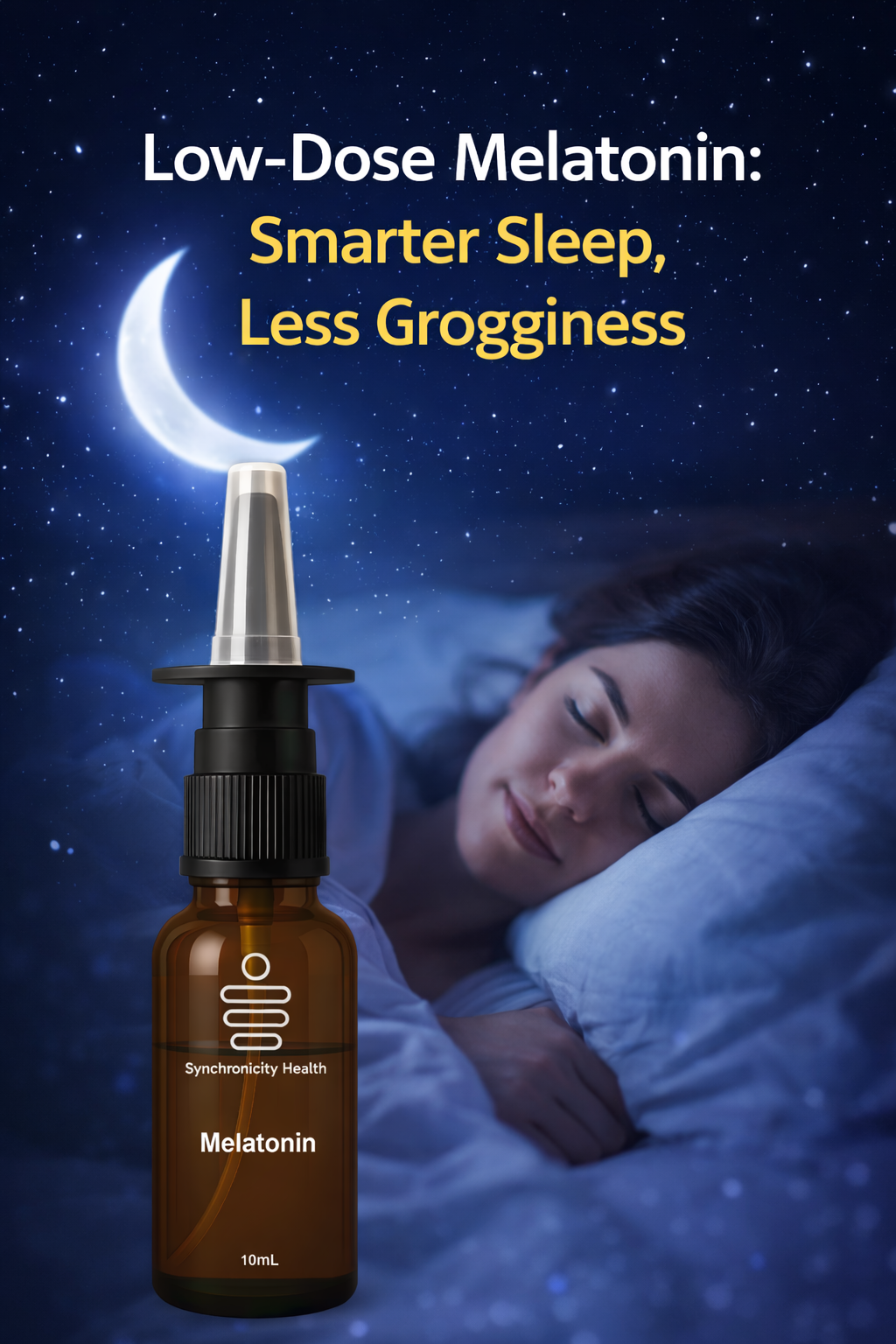
Why Low-Dose Melatonin Works Better Than High Doses
Most people pop a melatonin gummy and never realize they are taking ten to thirty times more of the hormone than their brain would ever see at night. The result often feels familiar. Sleep is lighter than expected, mornings feel foggy, and after a week or two the same dose seems weaker. That experience is not proof that melatonin “does not work”. It is proof that the dose and form are off.
Melatonin is not a blunt sedative. It is a timing signal that tells every cell in the body that night has started. That signal is precise and subtle in healthy physiology. Natural peaks are measured in micrograms, not the five to ten milligram bombs that line store shelves. When that signal is pushed far above its normal range, receptors get overwhelmed, internal clocks drift, and performance the next day can drop.
Low-dose melatonin in the range of about 0.3 to 1 milligram works with that biology instead of fighting it. It can match the body’s natural nighttime levels, guide the circadian rhythm, and cut sleep onset time without the hangover feeling. The story gets even more interesting once delivery methods enter the picture. Oral pills face heavy loss in the liver and unreliable labeling in the United States, where a JAMA study found that 88 percent of melatonin gummies misreported their actual dose. Advanced delivery such as melatonin nasal spray can solve many of those problems.
By the end of this article, the logic of low-dose melatonin will be clear: the science, receptor dynamics, practical protocols for different goals, and how physician-formulated nasal sprays from Synchronicity Health can offer high bioavailability without IV clinic costs. For anyone serious about longevity, recovery, or performance, getting melatonin right is one of the highest-impact circadian moves available.
“Sleep is the single most effective thing we can do to reset our brain and body health each day.”
— Matthew Walker, PhD, author of Why We Sleep
Key Takeaways
-
Most commercial products deliver melatonin doses that are many times higher than natural nighttime production. Low-dose melatonin aligns with the body’s own rhythm, supports sleep onset, and reduces next-day fog that often shows up with large doses. This approach respects melatonin as a signal instead of a sedative hammer.
-
Melatonin has two main actions: the hypnotic and chronobiotic effects. Dose and timing decide which effect dominates, so precision matters more than raw milligrams. Lower doses give a clear timing cue, while very large doses create confusing signals that can disrupt the internal clock.
-
Quality and delivery form are just as important as dose. Many oral products do not match their labels, and first-pass metabolism through the liver can waste much of what is swallowed. High-bioavailability options such as melatonin nasal spray give faster onset, more predictable effects, and support true micro-dosing.
-
Strategic, data-driven use of low-dose melatonin works best when combined with strong sleep hygiene. With that foundation in place, physician-formulated options from Synchronicity Health help serious biohackers, athletes, and busy professionals build reliable, repeatable sleep and recovery protocols.
What Makes Melatonin Different From Other Sleep Supplements

Melatonin is a neurohormone that the pineal gland produces as daylight fades. The pathway starts with the amino acid tryptophan, moves through serotonin, and ends with melatonin as darkness arrives. Unlike sedative drugs or heavy antihistamines, melatonin does not knock the brain out. Instead, it acts as a signal that the night phase has started and that body systems should switch into repair mode.
The master pacemaker that reads this signal sits in the suprachiasmatic nucleus (SCN). This region of the brain receives light input from the eyes and then adjusts the entire circadian system. When the environment gets dark, the SCN allows pineal melatonin production to rise. When bright light hits the eyes in the morning, melatonin production shuts down and wake signals increase.
The normal production pattern is very predictable in healthy adults:
-
Levels begin to rise about one to three hours before natural bedtime, a point called dim light melatonin onset.
-
Concentrations peak between about two and four in the morning.
-
Levels then fall rapidly as morning light arrives.
Across the whole night, the body releases only about ten to eighty micrograms of melatonin, which equals roughly 0.01 to 0.08 milligrams.
Melatonin acts through two main receptors, MT1 and MT2. MT1 mainly dampens wake signals to support falling asleep. MT2 helps shift the timing of the clock itself. When a supplement delivers doses far above the body’s normal range, those receptors get flooded, which can blur the message they send. It helps to think of melatonin as information. The goal of smart supplementation is to send a clear, accurate timing message instead of forcing sleep with raw power.
The Hypnotic vs. Chronobiotic Effects Explained
Melatonin influences sleep in two distinct ways that depend on dose and timing.
-
The hypnotic effect is the one people notice first. When melatonin rises, core body temperature drops slightly, arousal goes down, and it feels easier to drift off. This effect shows up most when low-dose melatonin is taken about thirty to forty-five minutes before bed, especially in a dark and calm setting.
-
The chronobiotic effect works on a different level. Here melatonin acts like a reset cue for the internal clock, shifting when the body wants to sleep and wake. Taking a small dose three to four hours before the desired sleep time can move a delayed rhythm earlier, which is very useful for delayed sleep phase patterns or night shift transitions. This effect is subtle and often takes several days of consistent timing to show full results.
Low-dose melatonin shines as a chronobiotic tool because it mimics the natural nighttime signal without overpowering it. For example, someone who lies awake until two in the morning can use a tiny dose around ten or eleven in the evening to start pulling that pattern earlier. In contrast, a massive dose taken right at lights out blurs hypnotic and clock-shifting actions, often leaving the brain with mixed messages. Clear timing and small amounts give far more control than a large, random pill.
The Science Behind Why Lower Doses Are More Effective

Research over the past few decades has shown that surprisingly small amounts of melatonin can raise blood levels into the natural nighttime range. Doses between about 0.3 and 1 milligram are enough to reach typical peak levels, often around 100 to 200 picograms per milliliter. That means low-dose melatonin can match what a healthy young adult produces on a good night of sleep.
In contrast, common store doses of three, five, or ten milligrams push melatonin to levels ten to one hundred times higher than physiology would ever create. That extreme spike does not line up with how the SCN expects the signal to look. Such levels may cause strong sleepiness at first, yet they also raise the chance of strange dreams, restless sleep, and heavy morning drag.
On a receptor level, MT1 and MT2 behave like other G protein–coupled receptors. When they are hit with a very strong signal night after night, they start to adapt. This adaptation can include internalizing receptors and reducing their presence on cell surfaces. Over time, that extends to a form of tolerance in which the same high dose has less effect and a person feels pushed to take even more.
There is also concern that constant pharmacologic levels may reduce the pineal gland’s natural drive to make melatonin. While data in humans is still evolving, basic biology points toward some suppression risk when the body sees far more hormone from outside than from its own output. This is especially relevant for people who care about long-term circadian strength and healthy aging.
Another problem with very high doses is extended clearance. Melatonin has a short half-life in most adults, often around thirty to sixty minutes. When the starting level is very high, however, enough can remain in the blood past sunrise to interfere with cortisol rise and natural wake processes. That is the classic melatonin “hangover” that feels like a sleep aid worked, yet the brain never fully clicked on in the morning.
Biohackers often use the idea of a minimum effective dose. With melatonin, that means finding the smallest amount that brings faster sleep onset and better quality without side effects. Clinical guidance from major centers such as UC Davis Health and the UK National Health Service often starts adults at one or two milligrams or less. Many people do well at even lower micro doses. Low-dose melatonin respects the system, maintains sensitivity, and still delivers strong gains in sleep timing and quality.
Receptor Dynamics and Long-Term Effectiveness
MT1 and MT2 receptors sit on the surface of target cells and translate the melatonin message into action inside the cell. These receptors belong to the G protein–coupled receptor family, which constantly adjusts to the strength and duration of incoming signals. When the signal is modest and follows a natural rise and fall, receptors remain sensitive and responsive.
If the signal becomes very strong every night, the receptor system starts to protect itself. One strategy is internalization, where receptors pull back from the cell surface into the interior of the cell. Some receptors then break down rather than recycle. With fewer active receptors at the surface, the same supplemental dose produces less effect, and people often feel tempted to go higher.
Long-term use of melatonin at high doses can lead to tolerance and messy sleep patterns when supplementation stops suddenly, which is why receptor sensitivity matters for sustained effectiveness. The body has downregulated its response to melatonin, yet natural production has not increased to match that change. The result can be rebound insomnia or a sense that sleep falls apart without the supplement. That is the opposite of what health-conscious users want.
Low-dose melatonin avoids this trap by sending a more natural-scale signal to MT1 and MT2. That allows receptors to maintain their normal cycles of activation and recovery. It also keeps room for occasional higher use in special cases such as severe jet lag without building ongoing dependence. For those who care about longevity and healthspan, protecting receptor sensitivity is a major reason to favor gentle, physiologic dosing over chronic megadoses.
Optimal Low-Dose Melatonin Protocols for Different Goals
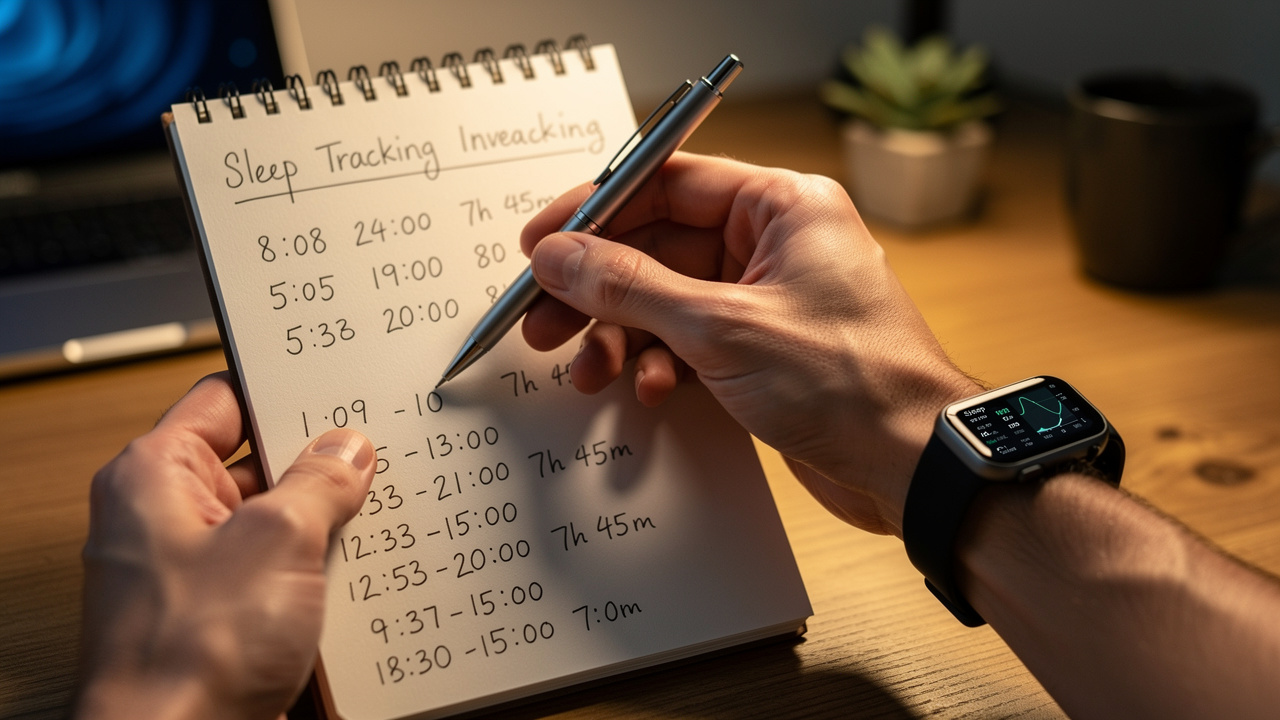
Once the biology makes sense, the next step is application. Low-dose melatonin works best when protocol matches the goal. Someone who needs help falling asleep a bit faster during a stressful week has a different use case than a nurse rotating between day and night shifts or a founder who flies between time zones every month.
A simple rule sets the base for most adults:
-
Start between 0.5 and 1 milligram of low-dose melatonin, and do not rush upward.
-
Use the same dose and timing for at least five to seven nights while tracking:
-
Sleep onset time
-
Night awakenings
-
Morning alertness
-
-
Adjust slowly in small steps only if needed.
Most people find their sweet spot in the 0.3 to 3 milligram range.
Higher doses above about 5 milligrams seldom provide better results and often create more side effects. They also complicate timing because the hormone can linger well past sunrise. The following protocols give starting points for common situations. Fine-tuning is expected, and medical advice is important if someone has medical conditions, takes medications, or already uses sleep drugs.
For General Sleep Onset Issues (Acute Insomnia)
When the problem is falling asleep during a patch of stress, travel, or schedule changes, the hypnotic effect is the main target. A good starting dose is 0.5 to 1 milligram of low-dose melatonin. Take it about thirty to sixty minutes before the planned bedtime, and dim lights during that window to match the signal.
An immediate-release form works best here because it raises melatonin quickly, which matches the natural ramp seen before sleep. Taking the dose on an empty stomach or at least two hours after the last meal speeds absorption and gives a clearer effect. Most people notice that they fall asleep fifteen to thirty minutes faster than baseline when the protocol fits.
This kind of support fits short runs of one to four weeks. If there is no clear change after about seven nights and no side effects, moving up by 0.5-milligram steps is reasonable. If the dose grows much higher than 3 milligrams without benefit, it makes sense to stop, reassess lifestyle factors, and speak with a professional.
For Circadian Rhythm Disorders (DSPS, Shift Work)
Delayed sleep phase patterns and rotating shift work do not just cause trouble falling asleep. They reflect a clock that runs on a different schedule than the outside world. In these cases, melatonin’s chronobiotic effect is more important than raw sedation. Lower doses often work better because they focus on timing.
A common starting range is 0.3 to 1 milligram of low-dose melatonin. Instead of taking it right before bed, take it three to four hours before the time sleep currently starts. For example, if natural sleep onset sits at two in the morning, the first dose might go in around ten or eleven at night. As sleep onset moves earlier, the melatonin time also shifts earlier by about fifteen to thirty minutes every few days.
Morning light multiplies the effect of this approach. Getting outside light or strong indoor light within about thirty minutes of waking helps the SCN lock in the new rhythm. Clear records for two to four weeks help show the shift and guide further changes. In this context, dose size matters less than consistency and precise timing.
For Jet Lag Management
Jet lag combines circadian misalignment with travel stress. Low-dose melatonin can make a major difference when it is used in a structured way. A basic dose range is 0.5 to 3 milligrams, with the lower end for trips across fewer time zones and the higher end for long eastward flights.
On arrival day, take the dose at the local bedtime in the destination, not before eight in the evening and not after about four in the morning. Continue for three to five nights at the same local time. That anchors the new nighttime signal for the brain. For eastbound travel, some people add a small 0.5-milligram dose three to four hours before intended bedtime for one or two evenings before departure, which helps start the shift early.
It is best to avoid melatonin during the flight when landing in daylight, because that can confuse the clock. Combine the supplement protocol with smart caffeine use and daylight exposure at the destination. Many travelers find that this modest approach shortens the time needed to feel normal again and protects performance on important morning meetings or training sessions.
Why Most Melatonin Products Fail (And What to Look For Instead)
If low-dose melatonin works so well on paper, why do so many people report weak or messy results with over-the-counter products? One major reason is quality. In the United States, melatonin sits in the dietary supplement category rather than the drug category, which means there is no requirement for pre-approval of dose accuracy or purity before products reach shelves.
A JAMA study in 2023 looked at twenty-five melatonin gummy brands and found that 88 percent did not match their labels. Some contained only about three quarters of the stated dose, while others delivered more than triple. Several also contained other compounds such as CBD that the labels never mentioned. When someone thinks they are taking 1 milligram and instead takes 3 or more, it is no surprise if morning fog shows up.
Gummies bring another issue for children and teens. They look and taste like candy, yet they often do not have child-resistant packaging. Poison control centers in the United States reported a more than fivefold rise in pediatric melatonin overdose calls between 2012 and 2021, much of it linked to gummies. For a hormone that acts on development and puberty, that is a serious red flag.
Even when labels are honest, oral melatonin faces bioavailability limits. The gut absorbs it, and then the liver clears a large share on the first pass. That can leave only 10 to 30 percent of the dose reaching circulation in an active form. Onset is also slow and quite variable, ranging from forty-five to ninety minutes or more depending on food, gut health, and liver enzymes.
For people who care about precision dosing, this mix of label chaos and metabolic loss makes it hard to find a true minimum effective dose. That is why delivery method and third-party testing matter just as much as the number printed on the bottle.
|
Form |
Typical Onset Time |
Approximate Bioavailability |
|---|---|---|
|
Oral tablets or capsules |
45–90 minutes |
About 10–30 percent |
|
Sublingual tablets |
20–40 minutes |
About 30–50 percent |
|
Nasal spray |
10–20 minutes |
About 60–80 percent |
The Bioavailability Advantage of Nasal Delivery
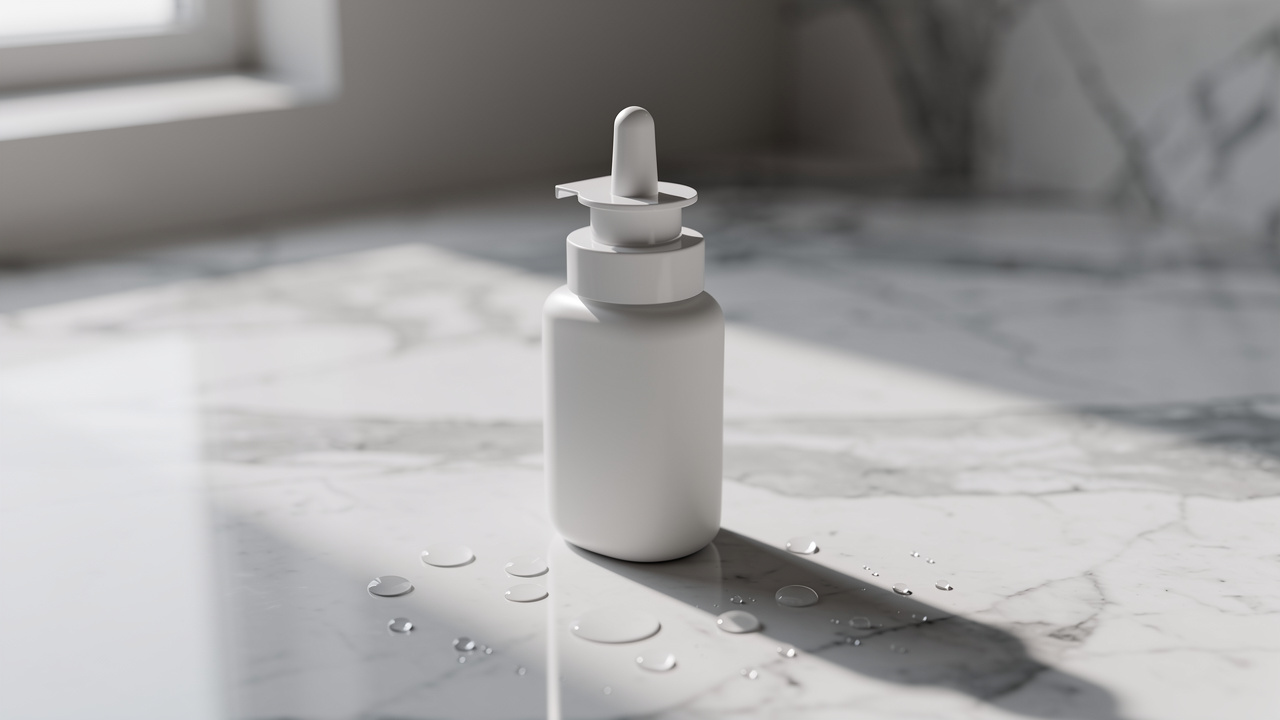
The nasal passages offer a powerful route into the bloodstream. The lining of the nose has a rich network of blood vessels and a thin barrier, so compounds can pass through quickly without going through the gut or the liver first. For melatonin, that means a larger share of each micro dose reaches circulation in an active form.
Pharmacokinetic data from nasal drugs in general show bioavailability often in the range of sixty to eighty percent. In practice, low-dose melatonin delivered through a nasal spray can reach effective levels within about ten to twenty minutes. That allows very precise timing for both hypnotic and chronobiotic needs. It also gives more predictable results across people with different digestive speeds, because the gut is not involved.
Dose control improves as well. Spray pumps can deliver tiny, repeatable amounts with each press, which makes true micro-dosing in the 0.3 to 1 milligram range practical. Because the total dose can stay lower for the same effect, the hormone also clears faster before morning, which reduces the chance of grogginess.
Synchronicity Health’s Melatonin Nasal Spray with L-Theanine was built around this logic. It is physician-formulated to deliver low-dose melatonin along with L-Theanine in a precise nasal mist. Third-party labs verify dose and purity, which directly addresses the mislabeling problem seen in many oral products. The combination fits into the brand’s Sync Stacks system, where nasal sprays for sleep, recovery, and NAD+ support can work together. For biohackers and performance-driven professionals, that means high efficiency compared with many oral products, without the cost and time of regular clinic visits.
Creating Your Personalized Low-Dose Melatonin Strategy

The best melatonin protocol is personal. Two people can take the same dose at the same time and feel very different results because their clocks, metabolism, and stress loads differ. This is where a thoughtful, n = 1 approach pays off. A little structure turns casual guessing into real optimization.
Start with a baseline week without melatonin. For seven nights, note:
-
The time you turn out lights
-
Roughly how long it takes to fall asleep
-
How many times you wake
-
What time you get out of bed
-
How refreshed you feel in the morning on a simple 1–10 scale
If you use a wearable device, record total sleep time, sleep efficiency, and time in deep and REM phases as well.
After the baseline, introduce low-dose melatonin at 0.5 milligram, or even 0.3 milligram for those who are very sensitive or older. Match the timing to your main goal, such as thirty to sixty minutes before bed for simple sleep onset support or three to four hours before bed for circadian shifting. Keep everything else as stable as possible, including caffeine timing, exercise timing, and bedtime.
Track the same metrics each night for at least five to seven nights. If there is no improvement and no side effects such as vivid dreams or morning fog, increase by about 0.5 milligram and repeat. If sleep improves but not fully, hold for about two weeks before making any further change, since the circadian system sometimes needs time to settle into a new pattern.
If side effects appear, lower the dose by about a quarter to half or move the timing earlier in the evening. Consistency from night to night matters more than small differences in dose once you are in the right range. Some people like to take two nights off per week even at low doses, which may help maintain sensitivity over the long run. The most important habit is regular review so melatonin stays a precision tool and not an unconscious habit.
“What gets measured gets managed.”
— Peter Drucker
Integrating Melatonin with Sleep Hygiene Best Practices
Even perfect low-dose melatonin cannot fix chaotic sleep habits. It works best as part of a circadian-first strategy where daily behavior sends clear signals about day and night. When that base is strong, melatonin acts like a fine adjustment knob instead of a rescue line.
Key pillars of sleep hygiene are simple but powerful:
-
Consistent schedule: Keep sleep and wake times within about thirty minutes each day to give the circadian system a stable anchor.
-
Morning light: Get bright light for ten to thirty minutes soon after waking to set the daytime phase.
-
Evening dimness: Use dim light and reduce screen exposure for the last two to three hours before bed to avoid blocking natural melatonin release.
-
Sleep environment: Aim for a cool bedroom (often in the mid-60s Fahrenheit), with quiet and darkness. Blackout curtains or an eye mask can help.
-
Wind-down routine: Light reading, stretching, or breath work sends the brain a clear “day is done” signal.
-
Caffeine and food timing: Stop caffeine eight to ten hours before bedtime and finish the last meal about three hours before sleep.
Low-dose melatonin sits on top of these habits, reinforcing the timing already hinted at by light, temperature, food, and behavior. Synchronicity Health builds its protocols around this circadian-first mindset, which is why its nasal sprays are designed to slide into structured routines rather than replace them.
“Keeping a regular sleep schedule is one of the most important habits for good sleep.”
— American Academy of Sleep Medicine
Special Populations And Low-Dose Approaches
Not everyone responds to melatonin in the same way. Age, development stage, and medical conditions change how the hormone acts and how it should be used. Children and older adults in particular deserve special attention, along with anyone on several medications.
In all special groups, medical guidance is essential before starting. Melatonin acts on hormone systems and brain networks that are still under study, especially in young people. Low-dose melatonin can be very helpful in the right context, yet casual use without a plan can cause more harm than good.
Protocols for Children and Adolescents
For children and teens, no melatonin protocol should start without a pediatrician’s input. Healthy sleep habits, regular schedules, and light management must come first. Only when those steps fail should melatonin enter the picture. There is ongoing research about how long-term use may affect puberty, so caution is wise.
Melatonin is not recommended for children under two years of age. For older children, especially those with neurodevelopmental conditions such as ADHD or autism who often face severe sleep onset problems, very small doses can help. A common starting range is 0.25 to 0.5 milligram, given about thirty to sixty minutes before the target bedtime. If there is no change after a week and no side effects, a pediatrician may advise increases of 0.5 milligram at a time.
Weight-based maximums are important. For children under about eighty-eight pounds, 3 milligrams per night is often viewed as a ceiling. For those above that weight, 5 milligrams is a typical upper bound, with up to 10 milligrams only under specialist supervision. Parents should always control dosing and keep products locked away. The sharp rise in pediatric overdose calls, driven in part by gummy products, shows how easy it is for a child to overconsume something that tastes like candy.
Considerations for Older Adults
Melatonin production declines with age, and many people over forty notice lighter sleep or earlier wake times. Older adults may be more sensitive to supplementation, which is why gentle, low-dose melatonin suits this group well. Starting at 0.3 to 0.5 milligram often gives enough support without causing nighttime confusion or balance problems.
Medication interactions matter greatly in this age range. Blood thinners, blood pressure drugs, diabetes medications, and immune drugs can all cross paths with melatonin pathways. A physician should review any plan before use. Timing may work better two to three hours before bed instead of right at lights out, especially when the sleep phase has drifted earlier in the evening.
There is interest in melatonin’s antioxidant and mitochondrial effects for healthy aging, but that does not mean more is better. High doses can raise the risk of nighttime falls due to grogginess and can cloud morning thinking. Low-dose melatonin guided by a doctor offers a safer path to support both sleep and cellular health.
Common Mistakes That Sabotage Melatonin Effectiveness
Many people decide that melatonin is useless based on experiences that were set up to fail. The problem is often the way the hormone is used, not the hormone itself. Clearing a few common mistakes can turn a frustrating supplement into a precise sleep tool.
Frequent errors include:
-
Starting too high: Many first-timers begin at three to ten milligrams or even higher because that is what the store carries. This floods receptors on night one, drives side effects, and can make sleep more fragile over time. A better option is to stop for three to five nights, then restart with low-dose melatonin around 0.5 to 1 milligram and build slowly only if needed.
-
Poor timing: Taking melatonin at random times, or within a few minutes of lying down, reduces the benefit for both hypnotic and chronobiotic effects. Taking it more than four hours before bed can even move the clock in the wrong direction. Clear goals and precise timing give far better results.
-
Ignoring lifestyle factors: Using melatonin as a bandage over late-night caffeine, constant blue light from phones, and wildly variable bedtimes blunts any supplement. When people ignore those factors and then raise the dose when results disappoint, they often blame the hormone instead of the context.
-
Not listening to feedback: Individual metabolism varies, yet many people ignore signals from their own body. If morning grogginess appears, that is a sign that the dose is too high or the timing is too late. Treat the process as a real experiment and adjust instead of pushing through.
-
Low-quality products: Buying the cheapest large-dose gummy on the shelf without third-party testing almost invites mislabeling and contamination. Physician-formulated, third-party verified options from brands such as Synchronicity Health avoid those traps and support steady, predictable use.
Melatonin's Broader Health Benefits Beyond Sleep
Melatonin is best known for sleep, yet its reach goes much further. The hormone acts as a powerful antioxidant, influences immune responses, and supports mitochondrial function. For people interested in longevity and high performance, these actions matter almost as much as the extra half hour of deep sleep.
As an antioxidant, melatonin stands out because it works in both water-based and fat-based parts of the body. It can cross cell membranes and even the blood–brain barrier with ease. That allows it to neutralize reactive oxygen species in many areas, including the brain. Melatonin also supports the activity of internal antioxidant enzymes such as superoxide dismutase, catalase, and glutathione peroxidase. Over time, that may help protect neurons and support healthy cognitive aging.
The immune system also responds to melatonin. The hormone can modulate both innate and adaptive immune activity, helping keep inflammatory responses in a healthier range. Research continues into how melatonin influences cytokine patterns and resilience during infections and stress. These effects help explain why strong, regular sleep patterns often track with better immune performance.
Mitochondria, the energy factories of cells, are another target. Melatonin can protect mitochondrial membranes and help maintain efficient electron transport, which supports ATP production. Better mitochondrial health links to better metabolic control, improved insulin sensitivity, and faster recovery from hard training.
These actions fit directly into circadian biology and NAD+ science. Healthy NAD+ cycles depend on strong day–night rhythm, and melatonin is one of the main night signals that keeps those cycles in sync. Synchronicity Health builds on this link by pairing low-dose melatonin support at night with NAD+ nasal sprays for daytime cellular energy in its Sync Stacks. Many of these broader benefits appear most clearly at physiological dosing ranges, which is another reason to favor precise low-dose melatonin plans.
Advanced Strategies Stacking Melatonin with Complementary Compounds
Once dose, timing, and sleep hygiene are well dialed in, some people look for extra refinements. Thoughtful stacks can address anxiety, muscle tension, or cellular repair alongside circadian timing. The key is to adjust one variable at a time and keep total load moderate.
Melatonin pairs well with compounds that calm the nervous system without heavy sedation. Many of these work on GABA or glutamate systems or support parasympathetic activity. When combined with low-dose melatonin, they can deepen the sense of relaxation while leaving the core timing signal intact.
Synchronicity Health designs its Sync Stacks around this idea. Each nasal spray focuses on a specific domain such as sleep, focus, or cellular energy, yet all share physician-level dosing logic and third-party testing. The Melatonin Nasal Spray with L-Theanine fits into evening routines, while NAD+ stacks fit the morning and early afternoon. Users can build protocols that align with personal goals, whether that is faster recovery from training, sharper morning focus, or steadier sleep after late work sessions.
Melatonin + L-Theanine for Calm, Restorative Sleep
L-Theanine is an amino acid found naturally in tea leaves. It supports relaxed alertness by raising levels of GABA, dopamine, and serotonin while also increasing alpha brain wave activity. People often describe the effect as calm focus rather than sedation, which makes it an excellent partner for low-dose melatonin.
In a stack, melatonin handles the circadian side by signaling night, while L-Theanine reduces mental chatter and muscle tension that often keep people awake. Research suggests that L-Theanine can improve subjective sleep quality and reduce sleep disturbance, even though it does not act as a classic sleeping pill. Typical oral doses range from about 100 to 400 milligrams taken thirty to sixty minutes before bed.
Synchronicity Health’s Melatonin Nasal Spray with L-Theanine combines these elements into one precise spray. The physician-defined ratio matches low-dose melatonin with enough L-Theanine to settle the nervous system, and nasal delivery gives fast onset without going through the gut. Third-party labs confirm the presence and amount of each ingredient. For people whose main issue is a racing mind at bedtime rather than pure insomnia, this kind of integrated spray can be more efficient and predictable than juggling multiple separate supplements.
Integrating Melatonin with Magnesium Protocols
Magnesium is another key player in sleep biology. It acts as a natural NMDA receptor blocker and supports GABA activity, which together calm neural firing. It also relaxes smooth and skeletal muscle, which reduces physical tension that can fight against sleep. Many adults fall short on daily magnesium intake, which can show up as cramps, anxiety, or restless sleep.
For sleep, forms such as magnesium glycinate and magnesium threonate are popular. Glycinate tends to be gentle on the gut and well absorbed, while threonate can reach the brain more effectively. Typical nightly doses sit between 200 and 400 milligrams of elemental magnesium. It is wise to start at the lower end to test digestive tolerance, especially for citrate-based forms that can loosen stools.
Magnesium works on a different layer than melatonin. Where melatonin guides the clock, magnesium smooths the nervous system and muscles. Taken one to two hours before bed, often alongside low-dose melatonin, it can set the stage for deeper, more continuous sleep. As always, introduce one change at a time and track how each addition influences both night and next-day function.
Monitoring and Measuring Sleep Optimization Results
Good intentions are not enough for real optimization. Data, even simple home data, turns a melatonin protocol from guesswork into a clear plan. The goal is not perfection on every night, but a trend toward better sleep and better days.
Subjective measures come first. Each morning, note:
-
Roughly how long it took to fall asleep
-
How many times you woke during the night
-
Your total time in bed
-
A quick rating for sleep quality and morning alertness (1–10)
Watch for vivid dreams, nightmares, or morning grogginess, and write short notes about caffeine timing, late exercise, or heavy meals that might influence results.
Objective tools can add another layer. Wearables such as Oura Ring, WHOOP, Apple Watch, and smart beds track total sleep, sleep efficiency, and time in light, deep, and REM stages. Many also show heart rate variability, resting heart rate, and temperature trends. While single-night numbers can be noisy, patterns over weeks give strong hints about how a low-dose melatonin protocol affects recovery and nervous system balance.
A simple spreadsheet or tracking app pulls all these data points into one view. For each protocol stage, log at least two weeks of measurements. When sleep fails to improve, adjust only one factor such as timing or dose. If sleep improves but then stalls, consider a short break or change in dose pattern. When progress appears, either in more deep sleep, higher HRV, or better mood and focus during the day, recognize those gains. They add up to better healthspan over the long term.
Conclusion
Melatonin works best when treated as a language the body already speaks, not as a sleeping pill that forces a result. The brain expects a small, smooth wave of this hormone at night, not a towering spike. Low-dose melatonin in the range of about 0.3 to 1 milligram respects that pattern and often produces better sleep with fewer side effects than the high-dose products that dominate store shelves.
Many people have been guided toward three to ten milligram pills and gummies that overshoot natural physiology. That pattern raises the risk of receptor desensitization, disrupted rhythms, and morning haze that undercuts performance. In contrast, precision dosing, careful timing, and attention to delivery method can restore melatonin to its true role as a clean nighttime signal.
The key points are clear. Melatonin is a timing cue first, not a sedative. Dose should match the smallest amount that works, and timing should match the specific goal. Bioavailability matters, which makes physician-formulated nasal sprays such as Synchronicity Health’s Melatonin Nasal Spray with L-Theanine very attractive for serious optimizers. Product quality and third-party testing are non-negotiable in a market where many labels miss the mark.
From here, the next step is simple. Review any current melatonin use against the ideas in this article, then reset if needed. Start low, track with care, and work with your own data. When low-dose melatonin sits inside a strong sleep hygiene framework, it becomes one of the highest-impact tools for circadian health, recovery, and long-term performance.
FAQs
What is the ideal low dose of melatonin for adults?
For most adults, a smart starting point is between 0.5 and 1 milligram of low-dose melatonin. Research shows that doses in the 0.3 to 1 milligram range can raise blood levels into the same zone as natural nighttime peaks. Some people notice clear effects at 0.3 milligram, while others need up to 3 milligrams. The safest method is to follow the minimum effective dose idea, start low, and only increase if there is no change after five to seven nights instead of jumping straight to three or ten milligrams like many commercial products suggest.
How long does it take for low-dose melatonin to work?
Onset time depends a lot on how melatonin enters the body. Standard oral tablets and capsules often take forty-five to ninety minutes before noticeable drowsiness appears, because they must pass through the gut and liver. Nasal sprays, such as the one from Synchronicity Health, usually act within ten to twenty minutes since they absorb directly through the nasal lining. For hypnotic use, take low-dose melatonin about thirty to forty-five minutes before bed. For circadian shifting, expect clear changes in sleep timing over one to four weeks of consistent use at the same time each day.
Can I take low-dose melatonin every night long term?
Short-term use in the range of one to thirteen weeks is well studied and appears safe for most people. There is less data for nightly use over many years, especially around receptor sensitivity and the pineal gland’s own output. A good practice is to reassess after two to three months, taking a break to see how well sleep holds without support. Some people like a schedule of five nights on and two nights off, although that may be less necessary with very low doses. Those with chronic sleep disorders often use melatonin under specialist care. Even in that case, low-dose melatonin carries less risk of dependence and tolerance than high-dose regimens.
What is the difference between melatonin nasal spray and pills?
The main difference is how much of the dose reaches the bloodstream and how fast it arrives. Oral pills face heavy first-pass metabolism in the liver, so only a small slice of the dose remains active, and onset is slow and unpredictable. Nasal sprays bypass the gut and liver, giving bioavailability often in the range of about sixty to eighty percent and an onset window of about ten to twenty minutes. Sprays also allow very fine control over micro-dosing. Faster clearance tends to limit morning fog. Synchronicity Health’s Melatonin Nasal Spray is physician-designed to take full advantage of these traits, with third-party testing that answers the common label accuracy problems seen in many oral products.
Will low-dose melatonin make me groggy in the morning?
Morning grogginess relates more to dose size and timing than to melatonin itself. When people use large doses or take them too late at night, enough hormone remains in the blood past sunrise to interfere with natural wake signals. Low-dose melatonin between about 0.3 and 1 milligram usually clears by morning when taken at an appropriate time, so next-day sedation is rare. If grogginess does show up, it often helps to move the dose earlier by thirty to sixty minutes or cut the dose by a quarter to half. Nasal delivery with its faster peak and faster decline also tends to lower hangover risk compared with heavy oral doses.
Can children use low-dose melatonin safely?
Children can sometimes use low-dose melatonin safely, but only under medical supervision. It is not advised for kids under two years, and use between ages two and five should be cautious and short term. For older children, a starting dose of 0.25 to 0.5 milligram is common, with small increases if needed and only with a pediatrician’s guidance. Maximum nightly doses often sit around 3 milligrams for those under eighty-eight pounds and 5 milligrams for heavier kids, with higher doses reserved for specialist care. Melatonin can be very helpful for neurodiverse children with severe sleep onset problems, yet parents must control dosing and keep products locked away. The sharp rise in overdose calls connected with gummies shows how important that supervision is.


Leave a comment
All comments are moderated before being published.
This site is protected by hCaptcha and the hCaptcha Privacy Policy and Terms of Service apply.