
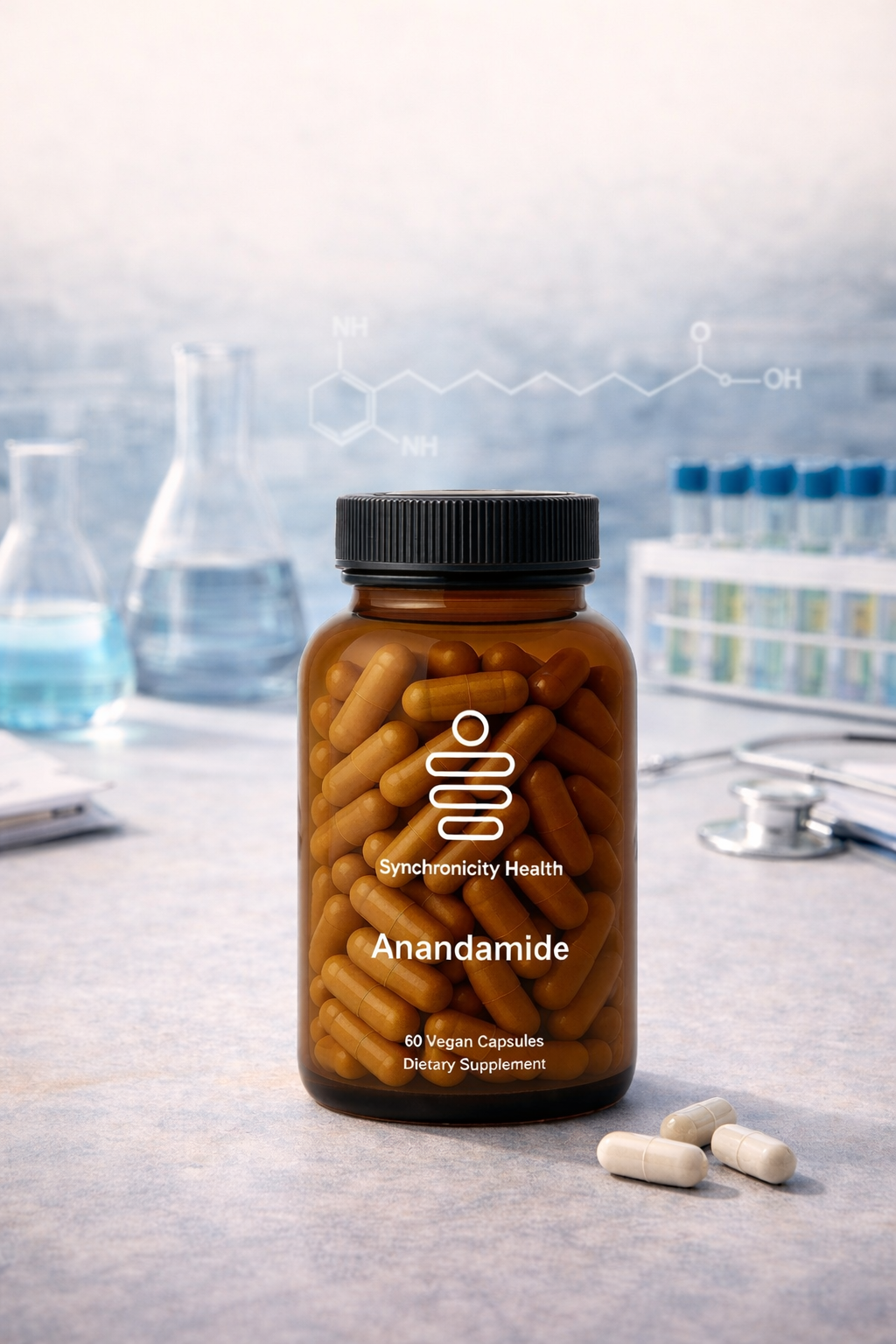
Anandamide has become a favorite topic among biohackers, high-performing professionals, and wellness enthusiasts searching for a better mood, sharper focus, and deeper sleep. Often called the “bliss molecule,” this brain-made compound sits at the center of the endocannabinoid system and directly affects how you feel, think, and respond to stress.
Interest in the anandamide supplement category has grown fast, but the science is more nuanced than social media suggests. Below, we break down what anandamide is, how it works, what the research actually shows, and how supplements and lifestyle choices may support your own “bliss molecule.”
This guide is for educational purposes only and is not a substitute for personal medical advice.
What Is Anandamide?
Anandamide (N‑arachidonoylethanolamine, or AEA) is an endocannabinoid—a cannabis-like molecule your body produces on its own. It was discovered in 1992 and named from the Sanskrit word ananda, meaning bliss or joy, because of its link to feelings of well-being.
Anandamide:
-
Acts as a chemical messenger between brain cells
-
Binds to the same receptors as THC, the main psychoactive compound in cannabis
-
Influences mood, pain, appetite, sleep, and stress response
Where THC is a plant compound (phytocannabinoid), anandamide is made on demand in your brain and quickly broken down once it has sent its signal. That rapid breakdown is one of the central challenges any anandamide supplement must address.
For those looking to support their own anandamide system, products such as an anandamide supplement are designed to work with this biology rather than override it.
Anandamide And The Endocannabinoid System
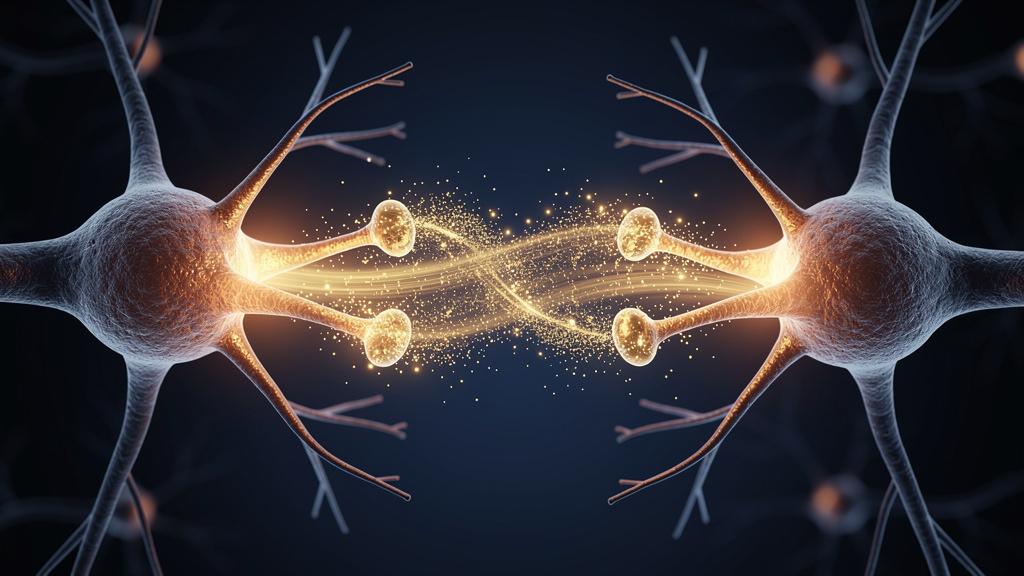
To understand any anandamide supplement, you first need a clear picture of the endocannabinoid system (ECS). The ECS is a cell-signaling network spread throughout your brain and body. A helpful overview is given in this Harvard Health article on the endocannabinoid system.
In a Harvard Health article, Peter Grinspoon, MD, describes the ECS as being involved in “a range of functions and processes, including sleep, mood, appetite, memory, reproduction and fertility.”
The ECS has three main parts:
-
Endocannabinoids – such as anandamide and 2‑arachidonoylglycerol (2‑AG)
-
Receptors – mainly CB1 (central nervous system) and CB2 (immune and peripheral tissues)
-
Enzymes – that build and break down endocannabinoids
What Anandamide Regulates
When anandamide binds to CB1 and CB2 receptors, it helps regulate:
-
Mood and emotional balance – Supports feelings of well-being and resilience under stress
-
Appetite and metabolism – Influences hunger, fullness, and reward around food
-
Pain perception – Acts as a natural pain modulator
-
Sleep and circadian rhythm – Fluctuates across the sleep–wake cycle, especially in REM sleep
-
Immune response and inflammation – Works through CB2 receptors on immune cells
Because these systems are so interconnected, changes in anandamide can affect mental clarity, focus, and performance. Some formulas, such as clarity, aim to support these cognitive pathways in parallel with the ECS.
Neurologist Ethan Russo has referred to the endocannabinoid system as a key regulator of homeostasis—the body’s tendency to keep internal conditions stable even when the outside world changes.
What Controls Your Natural Anandamide Levels?
Your baseline anandamide level is not fixed. It is shaped by genetics, environment, and daily habits.
The FAAH Enzyme
The main “off switch” for anandamide is an enzyme called fatty acid amide hydrolase (FAAH). Once anandamide has activated its receptor, FAAH quickly breaks it down.
-
Some people carry genetic variants that reduce FAAH activity.
-
Lower FAAH means slower breakdown of anandamide.
-
These individuals may naturally have higher anandamide and a more stress-resilient mood profile.
On the other hand, chronic exposure to external cannabinoids—especially high-dose THC—can increase FAAH expression over time, leading the body to break down its own anandamide more quickly. That may contribute to tolerance and low mood when cannabis is stopped.
Lifestyle And Environment
Several factors appear to influence anandamide:
-
Chronic stress – May lower endocannabinoid tone over time
-
Poor sleep – Disrupts normal anandamide rhythms across the night
-
Diet and inflammation – A high inflammatory load can strain ECS signaling
-
Exercise and mind–body practices – Often associated with higher circulating anandamide
Because of this, a serious strategy goes beyond any anandamide supplement and includes stress management, sleep, movement, and nutrition.
Can An Anandamide Supplement Really Improve Mood?
The idea behind an anandamide supplement is simple: if anandamide promotes calm, happiness, and clarity, then raising it should feel good. The biology, however, is more complex.
Key Challenges
-
Rapid Breakdown
Anandamide is fragile and broken down quickly by FAAH. When taken orally, it must:-
Survive digestion
-
Pass through the liver
-
Reach the bloodstream
-
Cross the blood–brain barrier
And it must do all this before FAAH degrades it.
-
-
Variable Human Data
Animal and human studies link higher endogenous anandamide to:-
Lower anxiety and fear
-
Better stress resilience
-
Healthier processing of traumatic memories
But this does not automatically prove that taking an oral anandamide supplement will recreate those effects in the same way.
-
-
Delivery Technology
Some products use specific delivery formats—such as quick-release (QR) or sustained-release (SR) systems—to support more consistent levels over time. Others pair anandamide with compounds that may protect it or support blood flow.
A targeted anandamide supplement from Synchronicity Health is designed with these realities in mind, combining anandamide with nutrients selected to support mood and stress response.
Ingredients Commonly Paired With Anandamide

Most serious anandamide supplement formulas do more than provide anandamide alone. They combine it with compounds that support blood flow, brain function, or related signaling pathways.
L‑Citrulline And Nitric Oxide
One frequent partner is L‑citrulline, an amino acid that converts to L‑arginine and then to nitric oxide (NO).
-
NO relaxes blood vessels and supports circulation.
-
Better blood flow can support oxygen and nutrient delivery to the brain.
-
This may help the brain respond more effectively to stress and mild anxiety.
In an anandamide supplement, L‑citrulline serves as vascular support, complementing anandamide’s signaling role.
Medicinal Mushrooms For Mood, Energy, And Clarity
Medicinal mushrooms often appear alongside anandamide because they target overlapping systems:
-
Cordyceps mushroom
Frequently included in energy support formulas, cordyceps may:-
Support ATP production and stamina
-
Reduce perceived fatigue
-
Complement the calm focus many seek from an anandamide supplement
-
-
Lion’s Mane Medicinal Mushrooms
Lion’s mane is known for supporting nerve growth factors and brain health. In combination with anandamide, it may:-
Support memory, learning, and mental clarity
-
Help maintain the neural circuits involved in mood regulation
Products like clarity often focus specifically on these cognitive benefits.
-
-
Reishi Mushroom Blend
Reishi is traditionally used for calm and immune balance. A reishi mushroom blend can:-
Support relaxation and stress response
-
Work alongside anandamide’s effect on sleep and mood
-
Provide immune modulation through CB2-related pathways
-
When these mushrooms appear in an anandamide supplement, the goal is to support mood, immunity, and energy in a coordinated way rather than in isolation.
OEA For Appetite And Metabolic Control
Oleoylethanolamide (OEA) is another fatty-acid–derived signaling molecule. It:
-
Signals fullness in the gut
-
Helps reduce overeating and snacking
-
Interacts with reward pathways linked to food and emotion
Pairing anandamide with an OEA product such as OEA may support:
-
Appetite control
-
Weight management goals
-
Mood stability by smoothing the highs and lows around eating
Sleep Capsules And Circadian Support
Because anandamide fluctuates with the sleep–wake cycle, many people stack an anandamide supplement with:
-
Sleep capsules (often containing melatonin, magnesium, and calming botanicals)
-
Reishi or other calming mushrooms
-
Evening relaxation routines
These combinations aim to:
-
Deepen sleep
-
Improve recovery
-
Help the ECS reset overnight
What The Research Says About Anandamide And Mood
While the supplement category is new, the underlying science on anandamide itself is more developed.
Animal And Human Evidence
Research suggests that higher anandamide activity is linked to:
-
Lower anxiety and fear – Especially in response to stressful or traumatic cues
-
Improved stress coping – Healthier emotional processing after adverse events
-
Better mood – Associations between circulating anandamide levels and self-reported well-being
Anandamide may also foster neurogenesis (the creation of new neurons) in certain brain regions. This process is one reason mood and cognitive clarity often track together, and why brain-supporting products like clarity are a natural complement to an anandamide supplement.
Researchers have also explored pharmaceutical FAAH inhibitors as a way to raise endocannabinoid levels. Some early studies found promising effects on pain and anxiety, but safety concerns in at least one trial have prompted careful oversight and more cautious study designs.
Limits Of Current Data
However:
-
Most mechanistic work comes from animal or small human studies.
-
There are still no large-scale, long-term trials on oral anandamide supplements specifically.
-
Experts remain cautious about influencer-promoted powders that promise instant euphoria.
The bottom line: anandamide clearly matters for mood and stress resilience, but the degree to which a given anandamide supplement can shift those levels is still being clarified.
Natural Ways To Support Anandamide And The ECS
Whether or not you use an anandamide supplement, there are several evidence-informed strategies that may help support your own production of this endocannabinoid.
Exercise

Prolonged, moderate-to-intense aerobic exercise is strongly associated with higher circulating anandamide. Many researchers now believe anandamide is a major contributor to the “runner’s high.”
Helpful guidelines:
-
Choose activities like running, cycling, swimming, or rowing.
-
Aim for consistent weekly movement rather than rare extreme efforts.
-
Start gently if you are new to exercise and increase duration over time.
Mind–Body Practices

Practices that reduce stress and shift the nervous system into a calmer state may affect endocannabinoid signaling:
-
Meditation and mindfulness
-
Yoga and breathwork
-
Tai chi or qigong
These habits also lower cortisol, improve sleep, and support healthier emotional regulation—factors that work alongside any anandamide supplement.
Acupuncture
Preliminary research suggests acupuncture may raise endocannabinoid levels, including anandamide, by triggering neural and hormonal cascades. While more human data are needed, many people report subjective benefits in stress, tension, and sleep.
Diet
Certain foods contain anandamide or support its pathways:
-
Dark chocolate – Rich in compounds that may slow endocannabinoid breakdown
-
Truffles – Contain natural anandamide
-
Tea, especially green tea – Provides polyphenols that may support brain signaling
Layering these habits with a well-chosen anandamide supplement creates a broader foundation for mood and mental performance.
How To Choose An Anandamide Supplement

With more brands entering this category, it pays to be discerning. When evaluating an anandamide supplement, consider the following:
1. Formula Design
Look for:
-
Clearly stated anandamide content
-
Supporting ingredients with a plausible mechanism (e.g., L‑citrulline, medicinal mushrooms, sleep-support nutrients)
-
Thoughtful combinations, such as:
-
Cordyceps for energy support
-
Lion’s mane for cognitive support
-
Reishi for calm and immune support
-
OEA for appetite control
-
2. Delivery Format
Different formats may fit different goals:
-
Quick-release (QR) capsules or tablets for a faster onset of effects
-
Sustained-release (SR) systems for smoother support across the day
-
Stacks that pair an anandamide supplement with sleep capsules at night or energy-focused formulas in the morning
3. Quality And Transparency
For a product from a science-driven brand like Synchronicity Health, look for:
-
Third-party testing for purity and potency
-
Clear labeling (no proprietary blends hiding key amounts)
-
Evidence-backed doses rather than “fairy dusting” ingredients
You can also use a simple mental checklist:
|
Factor |
What To Look For |
|---|---|
|
Label Clarity |
Exact amounts of active ingredients listed |
|
Testing |
Independent lab testing for quality and contaminants |
|
Supporting Nutrients |
Ingredients that make biological sense alongside anandamide |
4. Your Goals
Match the anandamide supplement to your main objective:
-
Mood and stress relief – Focus on anandamide plus calming botanicals and possibly a reishi mushroom blend
-
Cognitive clarity and performance – Consider stacks that pair anandamide with lion’s mane or a product like clarity
-
Energy and resilience – Combine anandamide with cordyceps-based energy support formulations
-
Appetite and weight management – Look for combinations that include an OEA product such as OEA
Safety, Side Effects, And Precautions
Most healthy adults tolerate well-designed anandamide supplements, but side effects are still possible—especially at higher doses or when stacked with other potent products. This section is informational and does not replace advice from your own healthcare professional.
Possible Side Effects
Some people may notice:
-
Digestive discomfort (nausea, loose stools, cramping)
-
Headache or lightheadedness
-
Drowsiness, particularly when combined with sleep capsules
-
Changes in appetite, especially when taken alongside OEA-focused products
Interactions And Special Populations
Use extra caution if:
-
You are pregnant or breastfeeding
-
You have a history of serious psychiatric conditions
-
You take medications that affect mood, sleep, blood pressure, or the ECS
In these situations, discuss any anandamide supplement with a qualified healthcare professional first.
Safe Use Guidelines
To use an anandamide supplement more safely:
-
Start with the lowest recommended dose.
-
Add only one new supplement at a time.
-
Track changes in mood, sleep, and energy over at least 2–4 weeks.
-
Stop and seek medical advice if you notice concerning symptoms or major shifts in mood.
The Bottom Line On Anandamide Supplements
Anandamide is a powerful player in mood, stress resilience, pain perception, appetite, sleep, and cognitive performance. It is often called the “bliss molecule,” and supporting its pathways is an appealing target for anyone interested in health optimization.
At the same time:
-
The science behind oral anandamide supplements is still emerging.
-
Formulation, delivery, and supporting ingredients matter greatly.
-
Lifestyle foundations—exercise, stress management, sleep, and nutrition—remain essential.
A well-designed anandamide supplement, especially when combined with targeted tools such as clarity, OEA, and a reishi mushroom blend, can be one part of a broader strategy for better mood, sharper focus, and long-term brain health.
Used thoughtfully and with realistic expectations, an anandamide supplement may help you support your endocannabinoid system while you build the habits that keep your “bliss molecule” working for you over the long term.


Leave a comment
All comments are moderated before being published.
This site is protected by hCaptcha and the hCaptcha Privacy Policy and Terms of Service apply.