
OEA supplements are quickly moving from obscure biochemistry to front-row status in weight-loss discussions. For people who track macros, wear continuous glucose monitors, or invest in NAD+ drips, they offer something different: a non-stimulant way to quiet “food noise,” support fat loss, and improve metabolic health by working with your body’s own signaling systems.
This guide breaks down what OEA supplements are, how they work, what the research shows, and how to build them into a performance-focused, longevity-minded routine so you can decide whether they fit your goals.
What Are OEA Supplements?
Oleoylethanolamide (OEA) is a lipid messenger your small intestine makes after you eat fat, especially monounsaturated fats like olive oil. It belongs to a family of compounds called N-acylethanolamines (NAEs) that are part of the broader endocannabinoidome (eCBome)—a signaling network that helps manage appetite, energy balance, inflammation, and mood.
Key points about OEA itself:
-
It is not a stimulant and not a pharmaceutical drug.
-
It does not activate classic cannabinoid receptors (CB1/CB2), so it has no psychoactive effect.
-
Its main role is to act as a satiety signal and metabolic regulator.
OEA supplements provide a standardized dose of this molecule, usually in capsules or softgels. For biohackers, athletes, and busy professionals, the goal is to:
-
Reduce hunger and spontaneous snacking
-
Support fat oxidation and healthier body composition
-
Improve metabolic markers like blood sugar and triglycerides
-
Do all of this without jittery stimulants or intense drug-level effects
Many formulas also pair OEA with nutrients such as Vitamin B12, metabolic helpers like berberine with Ceylon cinnamon, and adaptogenic mushroom blends to broaden the benefits and support multiple aspects of metabolic health at once.
Tip: Pay attention to how your hunger feels after meals that include olive oil or avocado. Those fats help your body make its own OEA; supplements simply add a consistent, measurable dose on top of that baseline.
How OEA Works: From Gut To Brain
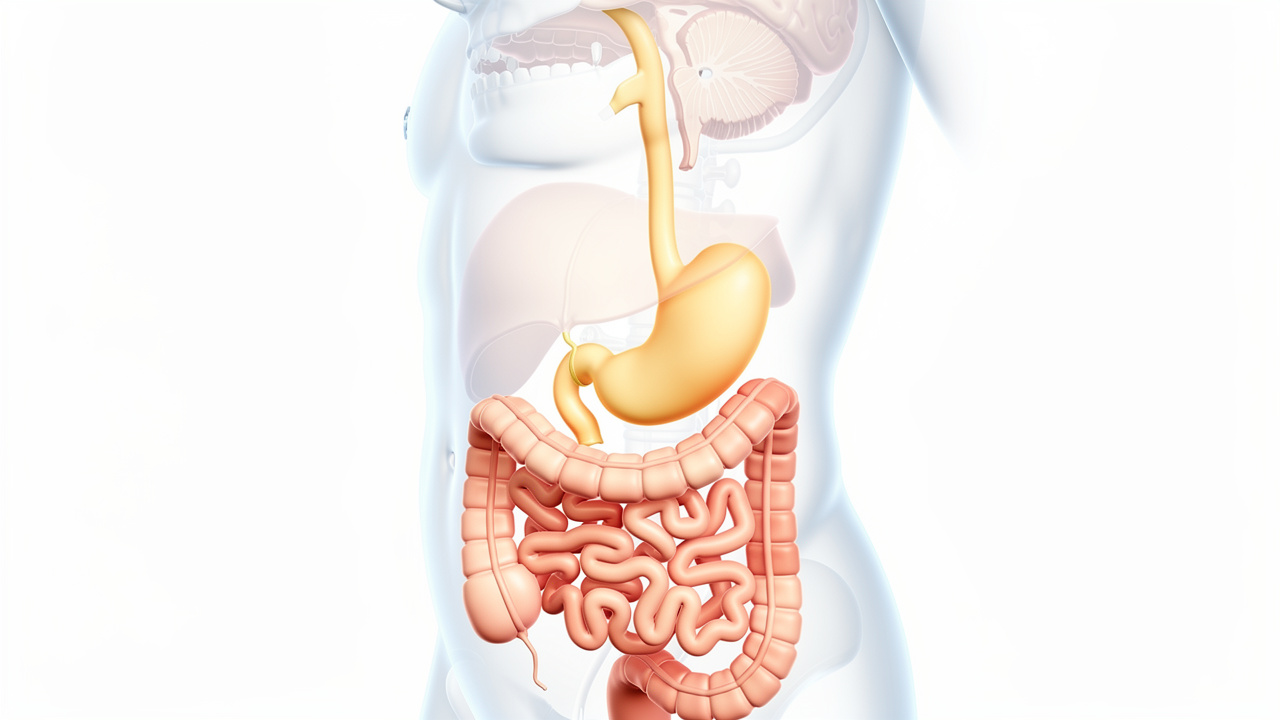
OEA supplements tap into several overlapping systems that control appetite, metabolism, and reward-driven eating.
1. Satiety, “Food Noise,” And PPAR-α
After you eat, the gut synthesizes OEA from oleic acid. OEA then:
-
Activates a nuclear receptor called PPAR-α (Peroxisome Proliferator-Activated Receptor Alpha)
-
Signals through the vagus nerve from the gut to the brain
-
Slows gastric emptying so food stays in the stomach longer
-
Increases the rate at which your body burns stored fat for energy
Together, these actions:
-
Increase feelings of fullness
-
Extend the time between meals
-
Reduce intrusive thoughts about food (“food noise”)
-
Help maintain a calorie deficit without white‑knuckling hunger
OEA supplements essentially amplify this built-in signal, so your brain gets a clearer message that you’ve had enough.
2. GLP-1, TRPV1, GPR119, And Blood Sugar
Beyond PPAR-α, OEA influences several other receptors:
-
TRPV1 (Transient Receptor Potential Vanilloid 1) – involved in gut–brain signaling and energy expenditure
-
GPR119 (G protein–coupled receptor 119) – expressed in the pancreas and gut, where it affects incretin hormones such as GLP-1
By engaging GPR119, OEA supports the release of GLP-1, the same hormone pathway targeted by popular injectable GLP‑1 drugs. Through this natural route, OEA supplements can:
-
Support better post-meal blood sugar control
-
Help moderate appetite without extreme slowing of gut motility
-
Complement other metabolic tools like berberine with Ceylon cinnamon
3. Reward, Dopamine, And Emotional Eating
OEA doesn’t just act in the gut. It also modulates dopamine signaling in brain regions tied to reward and motivation. Studies suggest it can:
-
Reduce the hedonic “pull” of hyperpalatable foods
-
Make emotional or stress eating less compelling
-
Help eating feel calmer and more driven by actual biological hunger
For people who struggle with reward-driven overeating, stacking OEA supplements with mood- and endocannabinoid-supporting products like Anandamide Supplements, Bliss Mood Support, or cognitive blends such as clarity can create a more stable mental environment for behavior change.
Clinical nutrition teams often remind patients that “appetite is biology first, behavior second; when the biology shifts, willpower has a much easier job.”
Metabolic, Inflammatory, And Gut Benefits Of OEA
The appeal of OEA supplements goes well beyond “eat less.” Human and animal trials point to broad metabolic benefits when OEA is used consistently with supportive nutrition and training.
Weight, Fat Loss, And Body Composition
Randomized, placebo-controlled studies in adults with obesity, including research on The effect of Oleoylethanolamide on metabolic parameters, show that OEA supplementation can reduce body weight and BMI, shrink waist circumference, and decrease total body fat mass.
These effects come from both lower food intake and greater fat oxidation. For athletes and lifters, the combination of OEA supplements with a high‑protein diet and resistance training supports fat loss while helping preserve lean tissue—especially relevant if you are trying to avoid the muscle loss sometimes seen with aggressive dieting or weight management and health.
In practical terms, that can translate to:
-
Easier adherence to a calorie deficit
-
Less “end of the day” grazing
-
Better maintenance of strength and performance during cutting phases
Glycemic Control, Triglycerides, And NAFLD
Other blood sugar control have found that OEA supplements can:
-
Improve glycemic control and insulin resistance in adults with pre-diabetes
-
Lower triglycerides in individuals with obesity
-
Improve metabolic profiles, body composition, and gene expression markers (including SIRT1, AMPK, and PGC‑1α) in people with non-alcoholic fatty liver disease (NAFLD) when paired with calorie restriction
For people focused on longevity, liver health, and cardiovascular risk, this makes OEA supplements a compelling option as part of a metabolic health that also includes diet, movement, and sleep.
Inflammation, Oxidative Stress, And Pain
Chronic low-grade inflammation is tightly linked to obesity, PCOS, NAFLD, and many pain conditions. Across multiple human trials, including research showing that Oleoylethanolamide Supplementation Reduces Inflammation, OEA has been shown to decrease key inflammatory cytokines such as IL‑6 and TNF‑α, lower markers of oxidative stress and improve antioxidant capacity, and reduce C‑reactive protein (CRP) in metabolic disorders.
Clinical work has explored OEA supplements as support in:
-
Polycystic ovary syndrome (PCOS) – improvements in insulin resistance, hormones, and inflammatory markers
-
Primary dysmenorrhea (period pain) – reductions in pain and oxidative stress
-
NAFLD – better inflammatory and oxidative stress profiles
-
Acute ischemic stroke and COVID‑19 in obese adults – improved inflammatory markers and antioxidant status as adjunct therapy
For those already using tools like NAD boosters or glutathione nasal spray to help manage oxidative stress, OEA supplements can support the same theme from the metabolic side.
Gut Microbiome And Gut–Brain Axis

The gut health is another major area where OEA shines. Studies in humans and animals show that OEA can:
-
Increase levels of Akkermansia muciniphila, a bacterium associated with better metabolic health, stronger gut barrier function, and improved response to GLP‑1
-
Raise levels of Faecalibacterium prausnitzii, a butyrate-producing species with strong anti-inflammatory effects
-
Reduce intestinal levels of the endocannabinoid 2‑AG, which is often high in obesity and promotes fat storage and inflammation
By reshaping the microbiota and supporting gut barrier integrity, OEA supplements help create a metabolic environment that favors weight loss journey, better blood sugar control, and calmer immune signaling.
OEA Supplements Vs GLP-1 Weight-Loss Medications
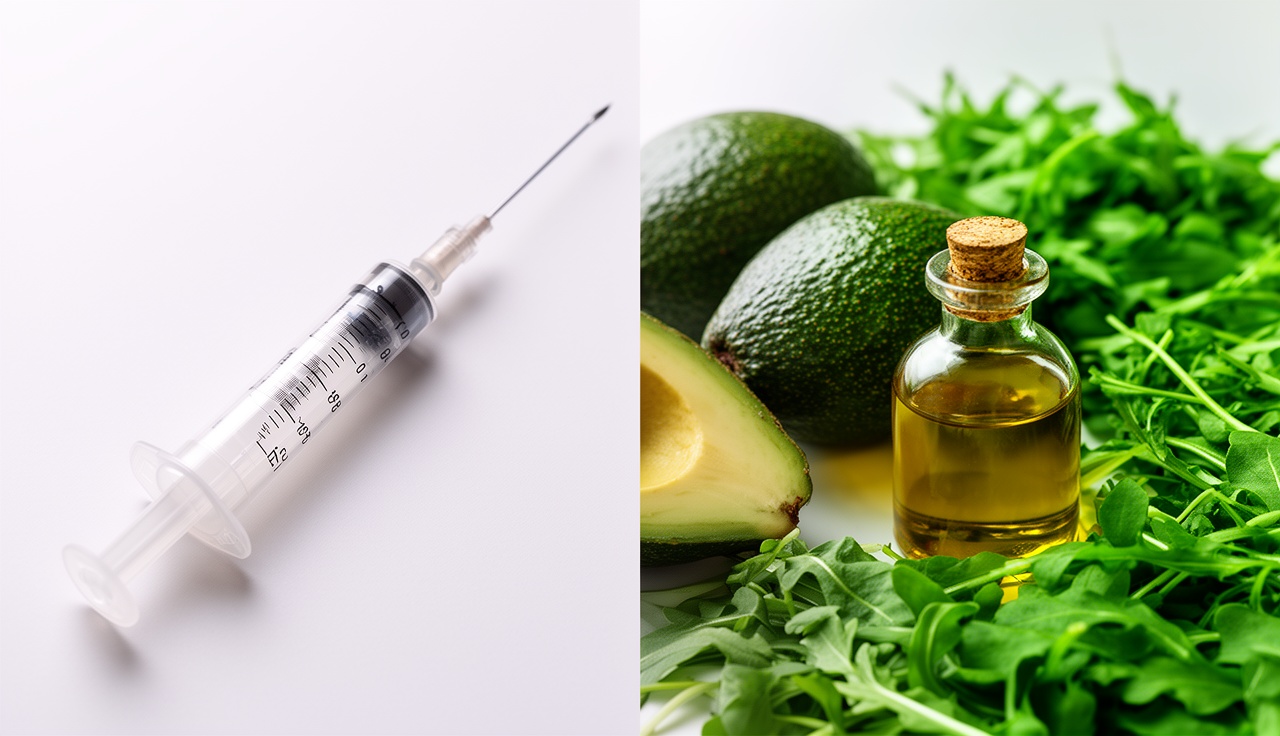
With GLP‑1 agonist injections dominating weight-loss headlines, it’s fair to ask where OEA supplements fit.
Different Ways Of Affecting The Same Axis
-
GLP‑1 agonist drugs directly stimulate GLP‑1 receptors with a high-potency pharmaceutical signal.
-
OEA supplements support the body’s own GLP‑1 production further upstream, while also acting through PPAR‑α, TRPV1, and the microbiome.
Both influence control hunger, but OEA works at a more physiological intensity. That can appeal to people who:
-
Prefer nutritional and lifestyle tools
-
Want to support appetite control when tapering off GLP‑1 medications (under medical supervision)
-
Cannot tolerate the side effects of injections
Muscle, Motility, And Cost
Key concerns with GLP‑1 drugs include:
-
Muscle loss: Research suggests roughly 30–40% of weight lost on these drugs can come from lean mass, which can lower resting metabolic rate and impair long-term maintenance.
-
Gut motility issues: Significant delays in gastric emptying can lead to nausea, vomiting, gastroparesis, or even intestinal obstruction in some users.
-
Cost: Unsubsidized injections can cost several hundred dollars per month in many regions.
By contrast, high‑quality OEA supplements are typically priced closer to higher-end nutraceuticals and work in line with your biology rather than overwhelming it. They are not a direct replacement for medical therapy, but for many people they represent a more sustainable, natural appetite-support tool.
How To Use OEA Supplements For Results

OEA supplements deliver the best return when you pair them with smart nutrition, training, and recovery habits.
1. Timing And Dosing Basics
Research protocols vary, but many human trials have used daily intakes in the low hundreds of milligrams, split around meals. Practical guidelines:
-
Follow the label of your chosen OEA supplement and your clinician’s guidance.
-
Many people take OEA 30–45 minutes before main meals to line up with hunger and satiety signals.
-
Start at the low end of the suggested dose to gauge tolerance, then adjust if needed.
-
Give OEA supplements 8–12 weeks of consistent use before judging results.
If you are using GLP‑1 injections, diabetes medications, or multiple metabolic supplements, discuss OEA with your healthcare provider first so they can monitor blood sugar and other markers.
Tip: Keep a simple log of dose, timing, meals, and hunger for the first couple of weeks. Patterns in energy, cravings, and digestion often show up before big changes on the scale.
2. Pair With A Diet That Matches Your Goals
OEA supplements help with appetite, but your food choices still set the foundation.
Helpful strategies:
-
Prioritize protein at each meal to protect muscle and improve satiety.
-
Emphasize whole foods, fiber, and healthy fats, especially sources of oleic acid (olive oil, avocado) that also support your own OEA production.
-
Keep hydration consistent to support digestion and appetite regulation.
For advanced insulin sensitivity, many people pair OEA supplements with:
-
Vitamin B12 for steady energy and methylation support
-
Berberine with Ceylon cinnamon to help with insulin sensitivity and blood sugar
-
NAD+ support (IV therapy or oral NAD boosters) plus antioxidants such as glutathione nasal spray to support cellular energy and redox balance
3. Integrate Movement, Training, And Recovery
For athletes and performance-focused individuals, OEA supplements slot neatly into a broader plan:
-
Combine OEA with resistance training to nudge fat loss while preserving or gaining lean mass.
-
Add regular cardio or zone 2 work to support fat oxidation and mitochondrial health.
-
Use adaptogenic mushroom blends—such as cocoa-based formulas with Lion’s Mane and Cordyceps, or reishi mushroom—to support stamina, recovery, and immune balance.
For focus and non-stimulant cognitive support, many people stack OEA supplements with:
-
clarity for mental sharpness during deep work or training
-
Bliss Mood Support to moderate stress-related eating
-
Sleep capsules to reinforce high-quality sleep, which stabilizes appetite hormones and recovery
This kind of coordinated plan lets OEA supplements support appetite and metabolism while other tools handle energy, mood, and resilience.
Tip: When fat loss is the goal, track more than just scale weight—waist circumference, strength levels, and sleep quality often reveal progress that the scale hides.
Safety, Side Effects, And Who Should Be Cautious
Because OEA is made inside the body, OEA supplements are generally well tolerated in clinical trials. Still, any bioactive compound can cause side effects in some people.
Commonly Reported Effects
Most reported issues are mild and transient, such as:
-
Digestive discomfort, nausea, or bloating
-
Occasional headache
-
Changes in bowel habits
These may be more likely when OEA supplements are combined with other active ingredients like berberine with Ceylon cinnamon, concentrated mushroom extracts (Lion’s Mane, Cordyceps, reishi mushroom), or strong antioxidants such as glutathione nasal spray.
Who Should Talk To A Clinician First?
Extra caution is warranted if you:
-
Are pregnant, trying to conceive, or breastfeeding
-
Have significant liver, kidney, cardiovascular, or autoimmune disease
-
Take medications for diabetes, blood pressure, lipids, clotting, or mood
-
Are recovering from stroke, major surgery, or serious infection
-
Are already on GLP‑1 agonists or other weight-loss medications
In these situations, OEA supplements may still fit, but your care team should weigh interactions and adjust doses.
Smarter Safety Practices
To reduce risk:
-
Introduce one new product at a time so you can tell what’s doing what.
-
Stay within labeled doses unless your clinician advises otherwise.
-
Monitor appetite, mood, digestion, and sleep over the first few weeks.
-
Choose high-quality OEA supplements with transparent testing (more on that next).
Reminder: More is not always better. Many clinical trials found benefits with moderate daily doses of OEA rather than megadoses.
How To Choose A High-Quality OEA Supplement
Not all OEA supplements are created equal. Quality and formulation matter for both safety and outcomes.
1. Transparent Labeling And Testing
Look for brands that:
-
Clearly state the exact milligram amount of OEA per serving
-
Disclose all active and inactive ingredients
-
Use manufacturing in cGMP-certified facilities
-
Provide Certificates of Analysis (COAs) or third‑party lab testing for purity, potency, and contaminants
-
Avoid vague “proprietary blends” that hide how much OEA you are actually getting per dose
Health-conscious consumers and longevity enthusiasts should treat OEA supplements with the same scrutiny they give NAD+ IV providers or lab-tested nootropics.
2. Smart Supporting Ingredients
OEA works well alone, but certain add-ons can wellness routine:
-
Vitamin B12 – supports energy metabolism and nervous system health
-
Berberine with Ceylon cinnamon – supports insulin sensitivity, lipids, and blood sugar
-
Adaptogenic mushrooms such as Lion’s Mane, Cordyceps, and reishi mushroom – support stress resilience, focus, and immune balance
-
NAD boosters and antioxidants like glutathione nasal spray – align with OEA’s effects on mitochondrial function and inflammation
-
Cognitive blends like clarity – pair appetite and metabolic support with sharper focus
When evaluating blends, make sure each added ingredient is present at meaningful doses, not just sprinkled in for label appeal.
3. Clean Formulations And Real-World Feedback
Prefer OEA supplements that:
-
Avoid unnecessary artificial colors, flavors, and fillers
-
Keep stimulant use low or absent if you are seeking non-jittery energy
-
Have reviews that mention appetite changes, easier adherence to diet, improved energy, or better mental focus
If you’re already running a complex stack—NAD+ IVs, mitochondrial nutrients, nootropics—simpler OEA supplements may be better so you can clearly track effects.
Is OEA The Missing Link In Your Weight Loss Plan?
OEA supplements are not a magic solution. But for many high-performing, health-focused people, they fill a real gap:
-
They help quiet hunger and food noise without stimulants.
-
They support fat oxidation, GLP‑1 signaling, liver health, and the gut microbiome.
-
They carry human clinical data across obesity, pre-diabetes, NAFLD, PCOS, dysmenorrhea, and more.
-
They work smoothly alongside strength training, nutrient-dense diets, and recovery practices.
Real-world examples of how people use OEA benefits:
-
A busy professional pairs OEA supplements with Vitamin B12 and clarity to keep afternoon cravings low while maintaining deep focus.
-
A parent stacks OEA with Bliss Mood Support, sleep capsules, and glutathione nasal spray to reduce stress eating while supporting recovery and antioxidant status.
-
A strength athlete combines OEA supplements with berberine with Ceylon cinnamon, reishi mushroom, and moderate NAD+ support to pursue better body composition without sacrificing training output.
If you value data-backed tools, non-stimulant focus, and long-term metabolic health, OEA supplements are well worth serious consideration. Start with a reputable, third‑party–tested product, align it with your nutrition and training, and review your progress over a few months. For deeper background on the science of Oleoylethanolamide (OEA), explore the research summaries on Synchronicity Health and discuss any changes with your healthcare provider.


Leave a comment
All comments are moderated before being published.
This site is protected by hCaptcha and the hCaptcha Privacy Policy and Terms of Service apply.