
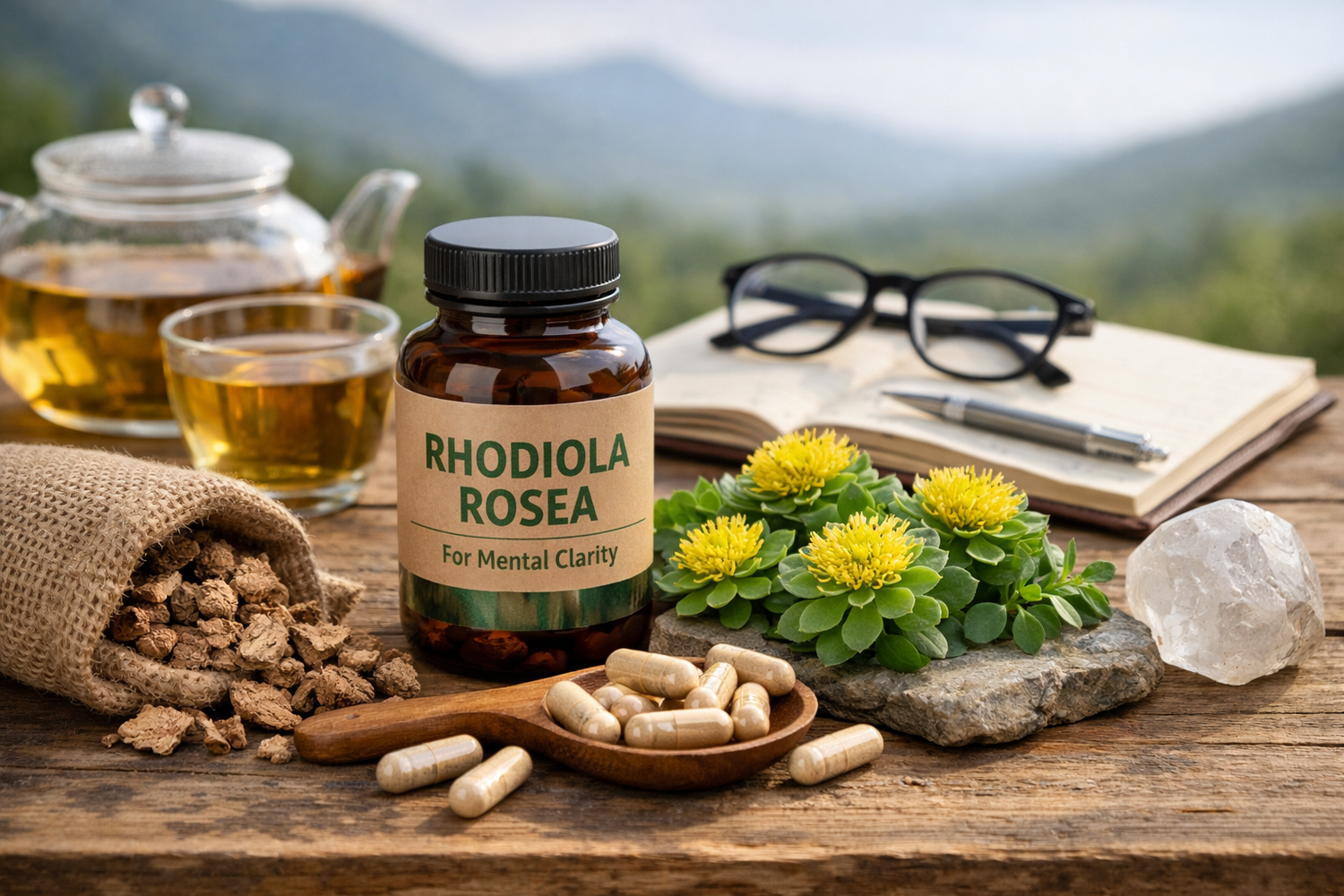
Rhodiola Rosea For Mental Clarity: The Ultimate Guide
If you’re exploring rhodiola rosea for mental clarity, you’re in good company. Biohackers, high-performing professionals, athletes, and health-conscious consumers are turning to this Arctic herb to sharpen focus, sustain energy, and support stress resilience—without relying on harsh stimulants or expensive IV drips.
Rhodiola rosea is a classic adaptogen: it helps the body respond more efficiently to physical and emotional stress while supporting brain function, mood, and endurance. When combined with a smart lifestyle and physician-formulated supplements—such as Synchronicity Health’s Clarity—rhodiola can be a powerful part of a modern performance stack.
This guide breaks down how rhodiola rosea supports mental clarity, what the research says, how to use it effectively, and how to choose a product that actually delivers what’s on the label.
What Is Rhodiola Rosea?
Rhodiola rosea, often called golden root or Arctic root, is a flowering plant that grows in high‑altitude, cold regions of Europe, Asia, and North America. Its roots have been used for centuries in traditional medicine systems in Russia, Scandinavia, and East Asia to:
-
Fight fatigue and burnout
-
Improve work capacity and focus
-
Support mood and stress resilience
-
Promote longevity and physical stamina
Modern science classifies rhodiola as an adaptogen—a substance that helps the body maintain balance under stress. Adaptogens tend to:
-
Support normal stress hormone rhythms (like cortisol)
-
Help maintain energy and stamina
-
Protect cells from oxidative stress
A common saying among herbal practitioners is, "Adaptogens do not erase stress; they help your body respond to it with more control."
The European Medicines Agency recognizes rhodiola extract as a traditional herbal remedy for temporary relief of stress-related symptoms such as fatigue, exhaustion, and weakness, which lines up closely with its growing use in formulas targeting mental clarity and performance.
How Rhodiola Rosea Supports Mental Clarity

The appeal of rhodiola rosea for mental clarity comes from its multi-layered actions on the brain and stress systems. Instead of working like a single-target stimulant, it influences several key pathways at once—think of it as gently adjusting multiple dials rather than slamming one switch.
Balancing The Stress Response (HPA Axis & Cortisol)
Chronic stress is one of the fastest ways to blunt concentration, impair memory, and drain energy. Rhodiola appears to work on the hypothalamic‑pituitary‑adrenal (HPA axis)—the central controller of the stress response.
Research suggests rhodiola can:
-
Help normalize elevated cortisol levels
-
Reduce the cortisol “spike” on waking in people with burnout
-
Support a more stable stress response over time
By steadying the HPA axis, rhodiola often translates subjectively into:
-
Less “wired and tired” feeling
-
Better mental stamina under pressure
-
Clearer thinking during demanding workdays or intense training blocks
Fine-Tuning Neurotransmitters
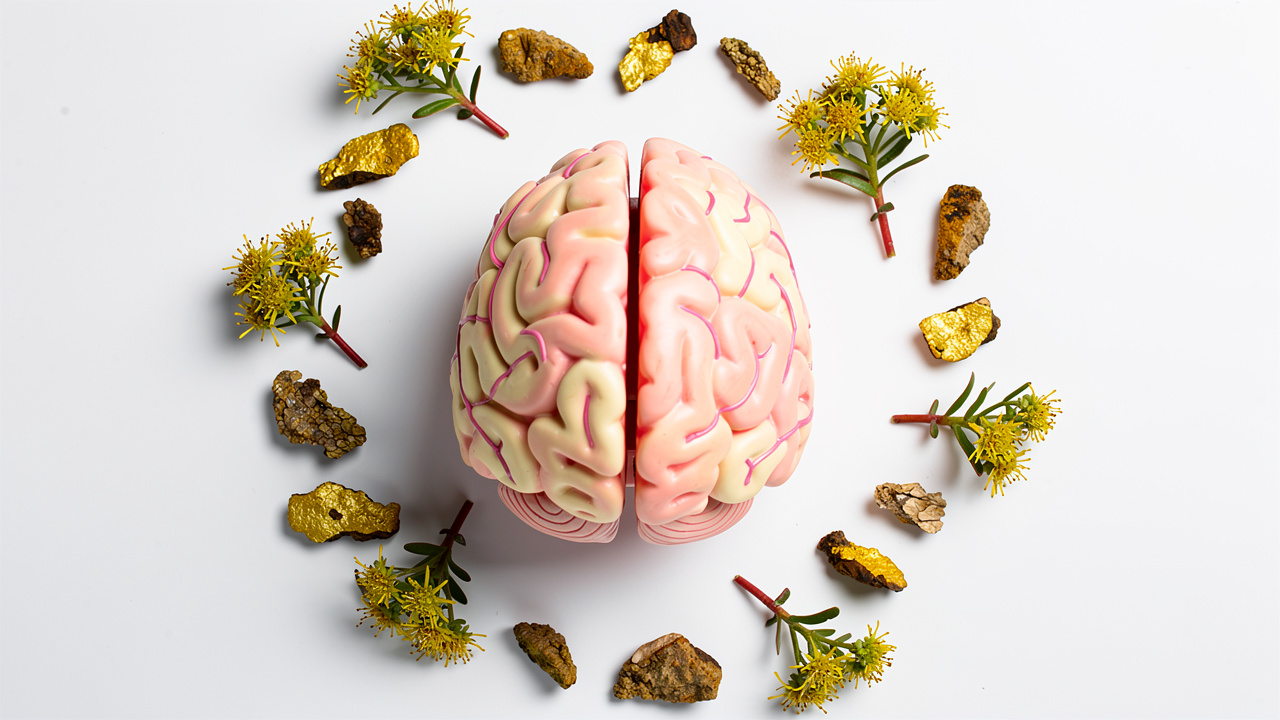
Mental clarity depends heavily on balanced brain chemicals. Active compounds in rhodiola—especially rosavins and salidroside—appear to influence several neurotransmitter systems:
-
Serotonin – tied to mood stability and emotional balance
-
Dopamine – linked to motivation, reward, and focus
-
Norepinephrine – associated with alertness and attention
Experimental data indicates rhodiola may:
-
Support receptor activity for serotonin, dopamine, and norepinephrine
-
Slow the breakdown of these neurotransmitters by mildly inhibiting monoamine oxidase (MAO-A and MAO-B)
-
Increase brain access to building blocks for these chemicals
For many users, this shows up as a smoother, more sustainable sense of alertness—especially when combined with mood-focused blends like Bliss Mood Support or calming tools such as a Theanine Nasal Spray or GABA-based formulas.
Supporting Cellular Energy And Mitochondria
Mental fog often starts at the cellular level. Brain cells have extreme energy demands, and when mitochondrial function lags, focus and reaction time drop.
Rhodiola appears to:
-
Stimulate ATP production (the cell’s energy currency) in mitochondria
-
Improve oxygen efficiency during exertion
-
Support better energy output during both mental and physical tasks
These effects are one reason rhodiola pairs well with ingredients that also target cellular energy, including NAD Booster formulas, Energy Support Vitamin B12, and Cordyceps mushroom in products like Mushroom Cocoa with Lion’s Mane and Cordyceps.
Antioxidant And Neuroprotective Effects
Oxidative stress and inflammation can damage neurons and impair cognitive performance over time. Rhodiola contains more than 140 active compounds, including:
-
Rosavins (rosavin, rosin, rosarin)
-
Salidroside and its precursor tyrosol
-
Flavonoids
These compounds have been shown in preclinical research to:
-
Reduce oxidative damage in brain tissue
-
Support healthy inflammatory signaling
-
Help preserve neuronal structure and function under stress
For people using rhodiola rosea for mental clarity over the long term, these neuroprotective effects may be just as important as the immediate boost in focus or energy.
What The Research Says: Stress, Cognition, Mood, And Performance
Human studies on rhodiola give strong support to what traditional medicine has claimed for generations. While individual trials vary in size and design, the pattern of results is surprisingly consistent.
Stress, Fatigue, And Burnout
Several clinical trials have tested rhodiola in people struggling with chronic stress, exhaustion, or burnout.
Key findings include:
-
Burnout and life-stress: In adults with stress-related burnout taking about 400 mg of standardized rhodiola extract daily for 12 weeks, researchers observed clear improvements in stress scores, depression ratings, and fatigue. Notably, many benefits appeared within the first week and continued over time.
-
Chronic fatigue: In a trial of 100 people with chronic fatigue symptoms, 400 mg daily for eight weeks led to better concentration, mood, and overall quality of life, with measurable improvements starting in week one.
-
Work-related stress: In physicians on night duty, standardized rhodiola improved a “Fatigue Index” that tracked complex cognitive tasks such as attention, associative thinking, and short-term memory.
If you’re a busy professional juggling deadlines, or a high-stress entrepreneur pushing long hours, this cluster of research is one of the strongest arguments for rhodiola rosea for mental clarity and resilience.
Cognitive Performance, Focus, And Memory
Rhodiola’s cognitive benefits show up most clearly when the brain is under pressure—sleep loss, exam stress, or intense workload.
Studies have reported:
-
Faster reaction times and better attention with 400 mg daily over 12 weeks
-
Improved mental performance and neuro-motor function in students taking a low dose twice daily during exam periods, along with:
-
Reduced mental fatigue
-
Better sleep patterns
-
More stable mood
-
Higher motivation to study
-
Animal models also suggest Rhodiola rosea L. improves learning and memory function, with some research showing improved recall even after a single dose, likely due to antioxidant and blood-flow effects in the brain.
Mood, Anxiety, And Mild Depression
While rhodiola is not a replacement for professional mental health treatment, it has shown promising results in people with mood disturbances.
Research findings include:
-
Mild–moderate depression: Clinical trials using 340–680 mg daily over several weeks reported improvements in overall depression scores, emotional stability, and sleep quality versus placebo.
-
Comparison with an antidepressant: In one study comparing rhodiola to sertraline (a common SSRI), the antidepressant produced slightly larger symptom reductions, but rhodiola had far fewer side effects and was better tolerated.
-
Generalized anxiety disorder: A small pilot study using 340 mg daily for 10 weeks found meaningful reductions in anxiety scores.
-
Self-reported anxiety and mood: In individuals with mild anxiety and stress, a 14‑day course of rhodiola led to reductions in anxiety, anger, confusion, and depression, alongside an overall mood lift.
These data help explain why many people stack rhodiola with formulas such as Bliss Mood Support, GABA blends, or Sleep Capsules when they want calmer, clearer thinking rather than blunt sedation.
Physical Performance, Recovery, And Mental Stamina

Mental clarity and physical output are closely linked, especially for athletes and hard-training enthusiasts. Rhodiola has a long history in sports use, and research backs several key effects:
-
Endurance: Single doses of rhodiola before cycling time trials have helped participants finish faster, with lower perceived exertion and a reduced heart-rate response to submaximal effort.
-
Explosive power: Short-term use of higher doses (around 1,500 mg/day for three days in research settings) increased mean bench press velocity, suggesting benefits for high-intensity resistance work.
-
Recovery and muscle protection: Some trials show lower markers of inflammation and muscle damage (like CRP and creatine kinase) after exhaustive exercise when rhodiola is taken, pointing to faster recovery.
For athletes or weekend warriors, using rhodiola rosea for mental clarity can also mean sharper pacing, better decision-making under fatigue, and more consistent training sessions—especially when paired with Cordyceps mushroom, Lion’s Mane medicinal mushrooms, or a Reishi Mushroom Blend.
Key Active Compounds In Rhodiola Rosea
High-quality rhodiola extracts are standardized for specific compounds that drive most of its effects.
Rosavins
Rosavins are a group of phenylpropanoids (rosavin, rosin, rosarin) found only in Rhodiola rosea—not in other rhodiola species. They are key markers of authenticity and contribute to:
-
HPA axis regulation
-
Stress-adaptation effects
-
Support for energy metabolism
Salidroside And Tyrosol
Salidroside (also called rhodioloside) and its precursor tyrosol are heavily researched for:
-
Antioxidant and anti-inflammatory activity
-
Neuroprotection and mitochondrial support
-
Possible mood-modulating effects
Other Supportive Compounds
Rhodiola also contains:
-
Flavonoids – support antioxidant defenses
-
Monoterpenes and triterpenes – contribute to cellular resilience
-
Phenolic acids – support a healthy inflammatory response
Most clinical research uses extracts standardized to at least 3% rosavins and 1% salidroside, which reflects the natural 3:1 ratio in the root. When you’re choosing rhodiola rosea for mental clarity, this ratio is one of the first details to check on the label.
How To Use Rhodiola Rosea For Mental Clarity
Dialing in dose, timing, and combinations can make a noticeable difference in how rhodiola feels.
Forms And Quality Standards
Common forms include:
-
Capsules or tablets (most precise dosing)
-
Tinctures or liquid extracts
-
Powders, sometimes blended into formulas like Mushroom Cocoa with Lion’s Mane and Cordyceps
-
Combination products with other adaptogens or nootropics, such as anandamide supplement, Reishi Mushroom Blend, or Lion’s Mane complexes
Look for:
-
A clear statement of standardization (e.g., “3% rosavins, 1% salidroside”)
-
Third-party testing for purity, heavy metals, and microbial contamination
-
Transparent ingredient lists with no unnecessary fillers
Synchronicity Health’s Clarity was designed with this kind of quality and synergy in mind, pairing adaptogens like rhodiola with other physician-selected ingredients for sustained focus and energy.
Evidence-Based Dosage Ranges
Clinical studies and traditional use suggest the following daily ranges for standardized extracts:
-
General cognitive support & mental clarity: ~200 mg per day
-
Stress, fatigue, burnout, and low mood: 400–600 mg per day, often taken once or split into two doses
-
Athletic performance: 200–300 mg per day for endurance; some short-term studies on power used up to 1,500 mg per day under controlled conditions
|
Goal |
Typical Daily Dose Of Standardized Extract |
Notes |
|---|---|---|
|
General cognitive support |
~200 mg |
Often taken once in the morning |
|
Stress, fatigue, burnout |
400–600 mg |
May be divided into one or two doses |
|
Athletic performance |
200–300 mg (up to 1,500 mg short term in studies) |
Higher intakes should be supervised |
For most people, a practical starting point is:
-
Begin with 100–200 mg in the morning on an empty stomach.
-
Increase gradually over one to two weeks toward 400–600 mg per day if needed and well tolerated.
-
Stay within the manufacturer’s recommended range unless working directly with a qualified clinician.
Timing, Cycling, And Stacking
Timing
-
Take rhodiola on an empty stomach—about 30 minutes before breakfast or lunch.
-
Avoid taking it late in the day, as the energizing effect can interfere with sleep in some people.
As many integrative clinicians like to say, "Take stimulating adaptogens early in the day so they work with your body clock, not against it."
Cycling
There is no single “correct” cycle, but many users and practitioners prefer:
-
Continuous use for 4–12 weeks, followed by a break
-
Or short cycles such as 5 days on / 2 days off
Because long-term continuous use beyond 12 weeks isn’t well studied, periodic breaks are a prudent choice.
Stacking With Other Supplements
Rhodiola pairs especially well with:
-
Lion’s Mane medicinal mushrooms – for memory, nerve growth, and long‑term brain support
-
Cordyceps mushroom – for physical stamina and oxygen efficiency
-
Reishi Mushroom Blend – for calm focus and immune balance
-
NAD Booster products – for cellular energy and healthy aging
-
Energy Support Vitamin B12 – for methylation and nervous system function
-
Theanine Nasal Spray or oral L‑theanine – for a calmer, more focused alertness
-
Anandamide supplement or GABA blends – when the priority is emotional balance and resilience
Always speak with a healthcare professional before combining rhodiola with prescription medications or complex stacks.
Safety, Side Effects, And Who Should Avoid Rhodiola
Rhodiola rosea is generally well tolerated at standard doses, but no supplement is risk‑free.
As many clinicians remind their patients, "Natural does not automatically mean harmless or appropriate for everyone."
Commonly Reported Side Effects
Most side effects, when they occur, are mild and often improve with dose adjustment:
-
Digestive discomfort (nausea, stomach upset, or loose stools)
-
Headaches
-
Dizziness or lightheadedness
-
Dry mouth or, less often, increased saliva
-
Restlessness or insomnia if taken late in the day or at high doses
-
If side effects feel persistent or strong, stop taking rhodiola and consult a qualified healthcare professional
Taking rhodiola earlier in the day and starting with a lower dose often reduces these issues.
Contraindications And Cautions
Use extra caution—or avoid rhodiola—if any of the following apply:
-
Pregnancy or breastfeeding: Human safety data are lacking; most experts advise against use.
-
Children: Safety in minors has not been established.
-
Bipolar disorder or mood instability: Rhodiola’s energizing effects may, in theory, trigger hypomanic or manic symptoms in susceptible individuals.
-
Autoimmune conditions (e.g., MS, rheumatoid arthritis): Some concern exists that rhodiola might stimulate the immune system.
-
Uncontrolled hypertension: Rhodiola may interfere with blood pressure management in some people.
Medication Interactions
Rhodiola may interact with certain medications, including:
-
Antidepressants (SSRIs, SNRIs, MAOIs, tricyclics)
-
Blood pressure–lowering drugs
-
Blood thinners
-
Immunosuppressive medications
-
Insulin or other diabetes medications
If you take any of these—or any medication that affects mood, blood pressure, blood clotting, or immune function—speak with your healthcare provider before starting rhodiola.
Rhodiola should also be used carefully with high doses of caffeine or stimulant-heavy stacks; combining multiple stimulating compounds can lead to jitteriness, palpitations, or sleep disturbance.
Rhodiola Rosea Versus Other Adaptogens And Nootropics
When you’re building a performance stack, it helps to understand how rhodiola compares to other popular tools.
Rhodiola Vs Ashwagandha
-
Ashwagandha tends to be more calming and slightly sedating for many people. It shines for stress relief, anxiety, and sleep support.
-
Rhodiola is better suited when you want stress support and more mental and physical energy at the same time.
If you feel flat, sluggish, and mentally foggy, rhodiola often makes more sense. If you feel wired, anxious, and have trouble sleeping, ashwagandha may be a better first choice—or they can be combined thoughtfully under professional guidance. For many people, rhodiola works better early in the day, while ashwagandha is often taken later to support wind‑down and sleep.
Rhodiola And Medicinal Mushrooms
-
Lion’s Mane: Supports nerve growth factors, memory, and long‑term cognitive health. Pairs well with rhodiola rosea for mental clarity that feels both immediate and progressively deeper over time.
-
Cordyceps: Supports oxygen utilization and physical endurance; stacks naturally with rhodiola for athletes or those with demanding training loads.
-
Reishi: Traditionally used for calmness, immune balance, and sleep; helps temper the stimulating edge of rhodiola for people prone to anxiety.
Formulas featuring combinations—such as Mushroom Cocoa with Lion’s Mane and Cordyceps or Reishi Mushroom Blend—can be excellent backbones for performance stacks that include rhodiola.
Practical Protocol Ideas (With Medical Oversight)
These are general educational examples, not personal medical advice. Always confirm with a qualified professional before making changes. If you tend to react strongly to caffeine or other energizing supplements, start with the lowest suggested dose and adjust slowly.
1. Busy Professional Needing Clear Focus All Day
-
Morning (empty stomach):
-
200–400 mg rhodiola rosea standardized to 3% rosavins / 1% salidroside
-
Paired with a formula like Clarity that adds complementary nootropics
-
-
Midday:
-
Caffeine kept moderate; optional L‑theanine or Theanine Nasal Spray for calm alertness
-
Goal: steady, non-jittery focus for high-output workdays.
2. Athlete Or Hard-Training Enthusiast
-
Pre‑training (30–60 minutes before):
-
200–300 mg rhodiola
-
Cordyceps mushroom or a product such as Mushroom Cocoa with Lion’s Mane and Cordyceps
-
-
Evening:
-
Reishi Mushroom Blend or Sleep Capsules to support recovery and sleep depth
-
Goal: improved endurance, perceived effort, and recovery, with enough calm in the evening to sleep well.
3. Stress, Mood, And Cognitive Load
-
Morning:
-
200–400 mg rhodiola
-
Stacked with Bliss Mood Support or a GABA/L‑theanine blend
-
-
Lifestyle focus:
-
Consistent sleep schedule, daily movement, and stress-management practices (breathing, mindfulness, or light exposure)
-
Goal: better emotional balance, less overwhelm, and clearer thinking under chronic stress.
Choosing A High-Quality Rhodiola Rosea Supplement
Not all rhodiola products match the standards used in clinical studies. When selecting rhodiola rosea for mental clarity, consider the following checklist:
-
Correct Species
-
The label should specify Rhodiola rosea (not just “rhodiola” or another species).
-
-
Standardization
-
Look for at least 3% rosavins and 1% salidroside (a 3:1 ratio).
-
Avoid products that only list total rhodiola root weight without standardization details.
-
-
Third-Party Testing
-
Independent lab testing for potency and contaminants (heavy metals, microbes, pesticides).
-
Certifications from organizations such as USP, NSF, or similar testing groups can be a positive sign.
-
-
Clean Formulation
-
Minimal excipients—no unnecessary artificial colors, flavors, or questionable fillers.
-
If rhodiola is in a blend (for example with Lion’s Mane, Cordyceps, NAD Booster, or Energy Support Vitamin B12), the label should clearly state exact amounts.
-
-
Reputable Brand And Clinical Intent
-
Choose companies that share testing data, explain their sourcing, and design physician-informed formulas rather than generic blends.
-
Products from science-focused brands like Synchronicity Health—such as Clarity—aim specifically at sustained focus, mental energy, and brain health rather than vague “energy” claims.
-
Frequently Asked Questions About Rhodiola Rosea For Mental Clarity
How Fast Does Rhodiola Rosea Start Working?
Some people notice a difference in a few days—often less fatigue and slightly better focus. Clinical trials show more consistent, measurable benefits after 1–2 weeks, with continued gains out to 8–12 weeks. If you do not notice any change by week four, talk with a professional about dose, product quality, and whether rhodiola is a good fit for you.
Can I Take Rhodiola With Coffee Or Other Stimulants?
Many people do combine rhodiola with moderate caffeine intake. However, because both can be stimulating, high doses together may cause jitteriness or sleep issues. Start low, monitor how you feel, and avoid late-day dosing.
How Long Can I Take Rhodiola Continuously?
Most research has followed participants for up to 12 weeks of continuous use. Beyond that, long-term safety data are limited. Many practitioners recommend:
-
8–12 weeks on, followed by at least 1–2 weeks off, or
-
Ongoing use with built-in breaks (for example, 5 days on / 2 days off)
Can Rhodiola Rosea Replace My Prescription Medication?
No. Rhodiola is not approved to diagnose, treat, cure, or prevent any disease. If you take medications—especially for mood, blood pressure, blood sugar, or heart conditions—do not change or stop them without working directly with your prescribing clinician.
Is Rhodiola Better In A Standalone Product Or A Blend?
Both can work well. A standalone extract gives maximum dosing control. A well-designed blend—like a formula that combines rhodiola with Lion’s Mane, Reishi, or NAD Booster ingredients—can cover multiple mechanisms at once. The key is transparency about doses and quality.
Bringing It All Together
Rhodiola rosea for mental clarity is more than a trend: it’s a well-studied adaptogen with decades of clinical research behind it. By:
-
Stabilizing the stress response
-
Supporting neurotransmitter balance
-
Supporting cellular energy production
-
Protecting brain cells from oxidative stress
…it offers a compelling option for people who want sharper focus, better resilience, and greater stamina—without depending on aggressive stimulants or invasive therapies.
A common theme in performance nutrition is that "small, repeatable gains in focus and fatigue resistance can add up to major advantages over time."
Whether you’re a biohacker fine-tuning a stack, a busy professional fighting burnout, an athlete chasing a performance edge, or a health-conscious consumer focused on aging well, rhodiola can be a smart addition when chosen and used wisely. Pairing high-quality rhodiola with physician-formulated products such as Synchronicity Health’s Clarity, plus solid sleep, nutrition, and movement, creates a strong foundation for clear thinking and sustained performance.

Leave a comment
All comments are moderated before being published.
This site is protected by hCaptcha and the hCaptcha Privacy Policy and Terms of Service apply.