

Glutathione nasal spray is getting more attention among biohackers, longevity fans, athletes, and busy professionals who want better energy, focus, and resilience. Glutathione is often called the body’s master antioxidant, and delivering it through the nose may offer advantages over pills and even some injectable routes.
Synchronicity Health’s glutathione nasal spray is one example of this approach. Before you add it to your stack, it helps to understand what glutathione actually does, why the nasal route matters, what the science shows, and how to use it responsibly.
“If you care about long-term performance, you should care about glutathione.”
Common guidance in integrative and longevity-focused practices
What Glutathione Does In Your Body

Glutathione is a small tripeptide made from three amino acids: cysteine, glutamate, and glycine, with its role as a skin whitening agent and antioxidant extensively documented in research on glutathione mechanisms. Your cells synthesize it continuously and rely on it to manage oxidative stress and maintain cellular health.
Let’s start with what this molecule actually does for your cells.
Core Functions Of Glutathione
-
Master Antioxidant
-
Neutralizes reactive oxygen species (ROS) and free radicals.
-
Protects lipids, proteins, and DNA from oxidative damage.
-
-
Detoxification Support
-
Conjugates and neutralizes toxins, heavy metals, and xenobiotics.
-
Plays a central role in liver phase II detox pathways.
-
-
Mitochondrial Protection
-
Supports mitochondrial membrane integrity and ATP production.
-
Helps regulate signals that control apoptosis (programmed cell death).
-
-
Immune System Support
-
Influences lymphocyte proliferation and function.
-
Helps regulate inflammatory cytokine balance.
-
Glutathione exists in two forms:
-
Reduced glutathione (GSH): active antioxidant form
-
Oxidized glutathione (GSSG): used form, recycled back to GSH
The GSH:GSSG ratio is a key marker of cellular redox balance. A lower ratio signals higher oxidative stress.
Why Glutathione Levels Drop
Several factors can deplete glutathione:
-
Aging
-
Chronic psychological or physical stress
-
Intense training loads
-
Poor diet, alcohol, and environmental toxin exposure
-
Chronic infections and inflammatory conditions
Genetics can also matter: variants in enzymes involved in glutathione synthesis and recycling may change how efficiently your body maintains its glutathione pool.
For performance-focused, longevity-minded individuals, maintaining healthy glutathione status is a logical target. Glutathione nasal spray is one strategy designed to support that goal.
How Glutathione Nasal Spray Works
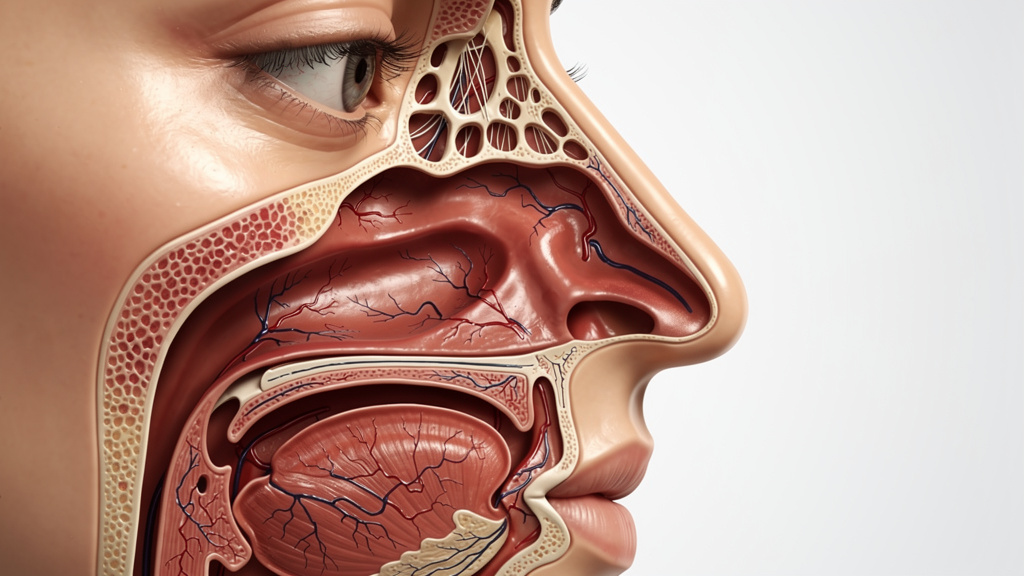
Glutathione nasal spray is designed to deliver glutathione through the nasal mucosa instead of the digestive tract or a vein. That change in delivery route can meaningfully change how the compound is absorbed and where it goes first.
Intranasal Absorption Pathways
When you use a glutathione nasal spray, several things can happen:
-
Systemic Absorption Through Nasal Mucosa
-
The nasal cavity is richly supplied with blood vessels.
-
Small, water-soluble molecules like glutathione (molecular weight ~307 Da) can cross the nasal mucosa into circulation, with research on overcoming the blood-brain barrier showing how intranasal delivery can effectively bypass traditional absorption challenges.
-
This route bypasses stomach acid and first-pass liver metabolism, which degrade oral glutathione.
-
-
Potential Nose-To-Brain Transport
Research suggests two main pathways for molecules administered intranasally:-
Intraneuronal Pathway
-
Slow transport along olfactory and trigeminal neurons.
-
Can take hours to days to reach various brain regions.
-
-
Extraneuronal (Paracellular) Pathway
-
Diffusion across the nasal mucosa and cribriform plate into cerebrospinal fluid (CSF).
-
Allows more rapid access to the central nervous system (CNS).
-
Because glutathione is relatively small and polar, it is a plausible candidate for this extraneuronal route, although human data here are still limited.
-
-
Local Effects In The Nasal And Sinus Tissues
-
Direct contact with nasal and sinus mucosa may support local antioxidant defenses.
-
This is relevant for people focused on sinus health, allergies, or chronic nasal inflammation.
-
Taken together, these routes help explain why some people report fast effects from intranasal glutathione, especially for sinus or head-related symptoms.
What Imaging Studies Show
In a small magnetic resonance spectroscopy (¹H-MRS) study of people with Parkinson’s disease, intranasal glutathione:
-
Increased brain glutathione levels between 20 and 45 minutes after dosing.
-
Showed considerable variability between individuals.
-
Left key questions unanswered:
-
How long do levels stay elevated?
-
How evenly is glutathione distributed among brain regions?
-
The takeaway: glutathione nasal spray can affect brain glutathione levels, but the exact pharmacokinetic profile is still not fully mapped.
Glutathione Nasal Spray Vs Other Delivery Methods
Many people start with oral glutathione supplements or IV drips. Each route has its own strengths and limitations.
Comparing Delivery Routes
|
Delivery Method |
Bioavailability |
Speed Of Effect |
Practicality |
|---|---|---|---|
|
Oral glutathione |
Low; heavily broken down in the gut |
Slow |
Convenient but often inefficient |
|
Liposomal glutathione |
Better than standard oral, still variable |
Moderate |
Easy, but quality-dependent |
|
IV glutathione |
Very high systemic levels |
Immediate |
Requires clinical visits, invasive |
|
Glutathione nasal spray |
Bypasses gut; promising for CNS & sinuses |
Fast (minutes) |
Non-invasive, self-administered |
Glutathione nasal spray sits in a kind of middle ground:
-
Less invasive and more convenient than IV.
-
Potentially more effective for CNS and sinus targets than oral forms.
-
Still under active study, especially for brain-related outcomes.
For most people, the right delivery method depends on goals, budget, and access to medical supervision.
Evidence-Based Benefits: Where Glutathione Nasal Spray Shows Promise
Research on intranasal glutathione is still early. That said, animal data, small human trials, and user surveys suggest several promising areas.
1. Respiratory And Sinus Health
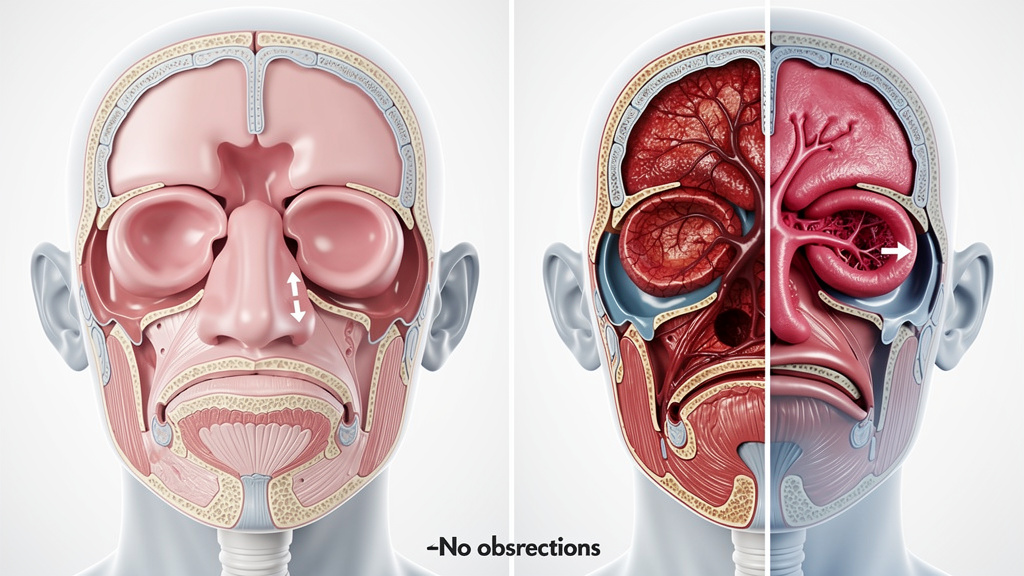
Oxidative stress is a major factor in chronic sinusitis, allergic rhinitis, and other upper airway inflammation.
Key findings:
-
Studies have documented reduced glutathione in nasal mucosa of people with chronic sinus disease.
-
In one trial of children with chronic otitis media, a glutathione nasal aerosol:
-
Dramatically increased local glutathione levels in nasal mucosa.
-
Was associated with statistically significant improvements in:
-
Nasal obstruction
-
Rhinorrhea
-
Ear fullness
-
-
In a user survey of intranasal glutathione:
-
Allergies/sinusitis was one of the most common reasons for use.
-
About 48% reported fewer sinus infections, and 52% reported symptom improvement.
For people who deal with recurrent congestion, infections, or environmental exposures, glutathione nasal spray may be a reasonable option to discuss with a clinician familiar with nasal therapies.
2. Neurological And Cognitive Support

Glutathione depletion is a recurring finding in neurodegenerative conditions, with nanotechnology approaches being explored to enhance delivery across biological barriers for neurological applications:
-
Parkinson’s Disease (PD)
-
One of the earliest biochemical changes in PD is a drop in glutathione in the substantia nigra.
-
Small, double-blind trials of intranasal glutathione (300–600 mg/day) in PD:
-
Did not show clear clinical superiority to placebo.
-
Likely used doses too low to significantly raise brain glutathione in targeted regions.
-
Were underpowered and showed a large placebo effect.
-
-
-
Alzheimer’s Disease (AD) And Cognitive Decline
-
¹H-MRS studies show reduced glutathione levels in:
-
Hippocampus in mild cognitive impairment (MCI) and AD
-
Frontal and temporal cortices in AD
-
-
Lower glutathione correlates with:
-
Worse cognitive performance
-
Greater amyloid plaque burden in some studies
-
-
Intranasal glutathione has not yet been tested in depth in AD patients, but the mechanistic rationale for brain support is strong. For biohackers and longevity enthusiasts, this is one reason glutathione nasal spray is often included in cognitive and neuroprotection stacks—always with the understanding that clinical evidence is still limited.
3. Multiple Chemical Sensitivity (MCS) And Environmental Illness
People with Multiple Chemical Sensitivity (MCS) often:
-
React to low levels of environmental chemicals.
-
Show signs of impaired detoxification and higher oxidative stress.
-
Have been reported to have lower reduced glutathione and related enzyme activity.
In the largest survey to date of intranasal glutathione users:
-
MCS was the most common single indication.
-
62.1% reported health benefits, including:
-
44.8% reporting symptom improvement
-
31% reporting better overall sense of well-being
-
Although survey data are not the same as controlled trials, they do reflect how practitioners and patients are actually using glutathione nasal spray in day-to-day life.
4. Energy, Recovery, And General Well-Being
In the same user survey:
-
78.8% reported an overall positive experience.
-
24.2% cited improved energy.
-
Many reported:
-
Better day-to-day function
-
Fewer infections
-
Improved resilience to stressors
-
For athletes and high performers, glutathione nasal spray is often used to support:
-
Recovery from intense training
-
Perceived energy and mental clarity
-
Resilience under heavy workloads and travel stress
It’s important to note: no glutathione product, including intranasal formulations, is not FDA-approved to treat or prevent any disease. Benefits described here are based on preliminary research and self-reports.
Who Might Consider Glutathione Nasal Spray
Glutathione nasal spray is not just for people with diagnosed conditions. It is increasingly used by people aiming for higher performance and healthy aging.
Potentially Interested Groups
-
Health And Performance Enthusiasts
-
Biohackers looking for advanced antioxidant strategies
-
Professionals seeking sustained focus and resilience
-
-
Athletes And Active Individuals
-
Managing oxidative stress from high training loads
-
Supporting recovery and immune function during heavy competition periods
-
-
Adults 40+ Focused On Longevity
-
Seeking additional support for mitochondrial health and detox capacity
-
Addressing age-related declines in endogenous glutathione
-
-
People With High Environmental Or Occupational Exposures
-
Urban air pollution
-
Chemical-heavy workplaces
-
Frequent flying and disrupted circadian rhythms
-
-
Individuals Working With An Integrative Or Functional Clinician
-
With chronic respiratory issues, MCS, or complex chronic illness
-
Using glutathione nasal spray as part of a broader therapeutic plan
-
Glutathione nasal spray may also be combined with NAC nasal spray and theanine nasal spray GABA for people who are targeting mood, sleep, and stress responses alongside antioxidant support, ideally under professional guidance.
Safety, Side Effects, And Research Gaps
Overall, intranasal glutathione appears to be well tolerated, but “well tolerated” does not mean risk-free. An honest review includes both common and rare issues, as well as the limitations of the data.
“Start low, go slow, and pay attention” is standard advice many clinicians use for redox-active compounds such as glutathione.
Common Side Effects
From clinical trials and user surveys, the most frequently reported effects are local and usually mild:
-
Nasal or sinus irritation (burning, itching, or discomfort)
-
Runny nose or increased mucus
-
Headache
-
Occasional nosebleeds
-
Transient dizziness or nausea
In one survey:
-
12.1% of users reported adverse events.
-
Irritation of nasal passages was the most common complaint.
-
People with Multiple Chemical Sensitivity were about twice as likely to report side effects.
Serious Adverse Event: High-Dose Concerns
In a Phase 2b Parkinson’s trial:
-
One patient on 600 mg/day intranasal glutathione developed:
-
Cardiomyopathy
-
Tachycardia (rapid heart rate)
-
-
Symptoms resolved after stopping treatment, and investigators considered a possible link to treatment.
-
This was a single case in a small study, so the true level of risk is uncertain.
Researchers proposed a mechanism called reductive stress:
-
Extremely high antioxidant levels can, in some contexts, stress certain cell types (for example, heart muscle cells).
-
This risk may be higher when combining high-dose glutathione with other strong antioxidant supplements.
For users stacking high-dose antioxidants, this is an important caution: more is not always better.
Key Research Limitations
When you evaluate claims about glutathione nasal spray, keep these gaps in mind:
-
Underpowered Trials
-
Existing PD trials are small and not designed to deliver definitive answers on efficacy.
-
-
Incomplete Pharmacokinetics
-
We still lack detailed data on:
-
Exact absorption rates
-
Duration of elevated brain levels
-
Distribution across different brain regions
-
-
-
Reliance On Survey Data
-
The largest long-term safety and user-experience study is a single survey with:
-
A modest response rate
-
Self-reported diagnoses and outcomes
-
No formal control group
-
-
Because of these limitations, glutathione nasal spray should be viewed as a promising tool with emerging evidence, not a proven therapy for specific diseases.
Quality, Regulation, And Product Choice
In the US, intranasal glutathione is generally provided as a compounded product rather than an FDA-approved, mass-manufactured drug.
Regulatory And Quality Considerations
-
Not FDA-Approved For Disease Treatment
-
No glutathione nasal spray is currently approved to diagnose, treat, cure, or prevent disease.
-
Products such as Synchronicity Health’s glutathione nasal spray are positioned as wellness-support tools, not as treatments for specific medical conditions.
-
-
Compounding Standards
-
Reputable pharmacies follow USP <797> sterile compounding guidelines.
-
Key quality markers include:
-
Clean-room preparation
-
Sterility testing
-
Accurate dosing and documentation
-
-
-
Stability Data
-
Some tested formulations show:
-
>97% of reduced glutathione remaining at 30 days
-
~94% remaining at 60 days
-
-
Good stability is important so each spray actually delivers the intended glutathione dose.
-
When choosing a glutathione nasal spray, look for:
-
Transparent ingredient lists and concentrations
-
Evidence of third-party or in-house testing for purity and potency
-
Clear storage and expiration guidelines
-
A brand or pharmacy willing to provide details about compounding practices
-
Appropriate pH and minimal excipients (preservatives, fragrances) to reduce irritation risk
How To Use Glutathione Nasal Spray Wisely

This is not medical advice, but there are patterns in how clinicians and experienced users approach intranasal glutathione.
General Dosing Frameworks From Research
In Parkinson’s disease trials, intranasal glutathione was used at:
-
300 mg/day (100 mg three times daily)
-
600 mg/day (200 mg three times daily)
These doses:
-
Were safe for most participants.
-
Did not show clear clinical benefit over placebo.
-
May have been too low or too infrequent for strong CNS effects.
For health-focused users, many clinicians take a more conservative approach:
-
Start low and increase gradually if tolerated.
-
Adjust frequency and dose based on symptoms, goals, and lab markers when available.
Whenever possible, work with a qualified healthcare provider when using glutathione nasal spray regularly or at higher doses.
Practical Application Tips
When using a product such as Synchronicity Health’s glutathione nasal spray:
-
Prepare
-
Gently blow your nose to clear passages.
-
Shake the bottle if directed by the label.
-
-
Position
-
Tilt your head slightly forward (not back).
-
Insert the nozzle just inside one nostril while closing the other.
-
-
Spray And Breathe
-
Aim slightly outward (toward the outer wall of the nostril, not the septum).
-
Spray while inhaling gently through the nose.
-
Repeat on the other side if prescribed or recommended.
-
-
After Use
-
Avoid forceful blowing for a few minutes.
-
Store the bottle as directed—often refrigerated or in a cool, dark place.
-
Stacking With NAC And Theanine/GABA
Many health enthusiasts stack glutathione nasal spray with related compounds:
-
-
NAC (N-acetylcysteine) is a direct precursor to glutathione.
-
Aimed at supporting glutathione synthesis from within cells.
-
Also has mucus-thinning and respiratory benefits.
-
-
Theanine Nasal Spray GABA
-
L-theanine can promote calm focus.
-
GABA is an inhibitory neurotransmitter that supports relaxation.
-
Together, they are often used for stress management, sleep quality, and cognitive performance.
-
If you combine glutathione nasal spray with NAC nasal spray or theanine nasal spray GABA:
-
Introduce one product at a time.
-
Monitor how you feel and watch for side effects.
-
Discuss the overall antioxidant load and neuroactive stack with your clinician, especially if you have heart disease, neurological conditions, or MCS.
Key Takeaways For Performance-Focused Health
-
Glutathione Is Central To Cellular Defense
It supports protection against oxidative stress, detoxification pathways, mitochondrial health, and immune balance. -
Glutathione Nasal Spray Offers A Practical Route
It bypasses the gut, may access the brain and upper airways more directly, and is easy to self-administer. -
Evidence Is Strongest For Respiratory And Sinus Health
Data are especially encouraging for allergies, chronic sinus issues, and environmental sensitivity. -
Neurological And Cognitive Applications Are Promising But Unproven
Existing trials are small, and the ideal dosing schedule is still unknown. -
Most Users Tolerate Intranasal Glutathione Well
Local irritation and rare serious events at higher doses highlight the need for thoughtful use and medical input. -
Quality And Compounding Standards Matter
Products like Synchronicity Health’s glutathione nasal spray should come with clear testing, storage, and dosing information.
For biohackers, athletes, and longevity-minded individuals, glutathione nasal spray can be a useful addition to a broader health strategy—best used under professional guidance and alongside fundamentals like sleep, nutrition, movement, and stress management.


Leave a comment
All comments are moderated before being published.
This site is protected by hCaptcha and the hCaptcha Privacy Policy and Terms of Service apply.