

Introduction
Imagine someone who tracks sleep, macros, steps, and even cold plunges, then stares at a plate of sautéed mushrooms and thinks, “Do mushrooms affect testosterone levels?” That question sits right at the edge of folk wisdom and lab data. It is also where many high performers now spend their time, looking for natural ways to support hormones without jumping straight to synthetic testosterone supplements.
For centuries, healers have used mushrooms such as Cordyceps, Reishi, and Lion’s Mane to support stamina, fertility, and long life. Modern biohackers talk about “mushrooms testosterone support” in a similar way, even though most doctors still see them as simple food. The tension between ancient practice and limited modern human trials makes this topic especially interesting for anyone chasing better energy, libido, and recovery.
Over the last few years, researchers have looked closely at mushroom extracts in animals and test tubes. A key pattern keeps showing up. A natural molecule called adenosine, found in high amounts in several mushrooms, seems to nudge testicular cells toward higher testosterone production in these models. At the same time, human research is still early, and clear proof in people is missing.
This article walks through that gap. It answers the core question “Do mushrooms affect testosterone levels?” by breaking down:
-
Which species have been studied
-
How adenosine and related compounds work
-
What stress and oxidation do to the testes
-
Why most evidence still comes from rodents
It also explains how Synchronicity Health builds physician-formulated stacks that combine mushrooms, Ashwagandha, and NAD+ for hormonal support. By the end, you will have a practical, science-based way to decide how mushrooms might fit into a personal performance plan.
“Nutrition and lifestyle are the scaffolding of hormonal health; supplements just fill in the gaps.”
Key Takeaways
-
Most evidence that mushrooms affect testosterone levels comes from animal and cell studies. These models show higher testosterone after certain mushroom extracts, but human trials have not yet confirmed the same strong effect.
-
Adenosine appears to be the main active compound in mushroom testosterone research. Mushrooms often contain more adenosine than vegetables, and higher adenosine content strongly matches higher testosterone output in lab tests.
-
Cordyceps, Reishi, and enokitake show the most interesting data for hormone support. They seem to help stressed or damaged testes recover in animals and also support energy, stress resilience, and immune balance in people.
-
Mushrooms work best as part of a full lifestyle strategy rather than as stand-alone testosterone boosters. Training, sleep, nutrition, stress control, and smart lab testing matter just as much. Mushrooms can help the body handle stress and fatigue that lower testosterone.
-
Synchronicity Health uses this research to design stacked protocols. Physician-formulated blends combine mushrooms with Ashwagandha and NAD+ support to target hormones, cellular energy, and stress at the same time, with third-party testing for safety and potency.
What Is Testosterone And Why Does It Matter For Performance?

Testosterone is the main male sex hormone, made mostly in the Leydig cells of the testes. The brain sends signals through the pituitary gland to tell these cells how much hormone to release. Women also make testosterone in smaller amounts, and it still matters for their strength, mood, and libido.
This single hormone touches almost every area of performance:
-
Supports muscle growth by helping the body build and hold onto lean mass
-
Strengthens bones and supports red blood cell formation
-
Helps maintain healthy hemoglobin for oxygen delivery
-
Influences drive, focus, and mood in the brain
-
Supports libido, erectile function, and metabolic health, including blood sugar control and fat distribution
Testosterone levels peak in early adulthood and, in many men, start to slide down slowly with age. Low levels can show up as:
-
Fatigue and low motivation
-
Lower sex drive
-
Loss of muscle and more belly fat
-
Slower recovery from training
On top of normal aging, modern factors such as poor sleep, chronic stress, xenoestrogens from plastics, excess alcohol, and inactivity seem to push average testosterone levels down even further.
For biohackers and athletes, stable testosterone is not only about sex hormones. It is a marker of how well the whole system is working. Some people look straight to synthetic testosterone supplements or injections. Others prefer to start with lifestyle and natural compounds that may help the body support its own hormone production. This is where the question of mushrooms’ testosterone effects starts to matter.
“Hormones are a reflection of how well your daily habits are working for you—or against you.”
The Connection Between Hormonal Balance And Cellular Health
Hormones like testosterone do not act in isolation. They sit on top of deeper layers of biology, including mitochondrial function, inflammation, and cellular energy status. When cells have enough fuel and clean signaling, the endocrine system tends to work more smoothly.
Testosterone production itself is energy intensive. Leydig cells need:
-
Healthy mitochondria
-
Steady blood flow
-
Adequate raw materials such as cholesterol, plus vitamins and minerals like zinc and vitamin D
-
Cofactors such as NAD+, a central molecule that helps enzymes turn cholesterol into steroid hormones
Chronic stress, toxins, and poor sleep damage mitochondria and drain NAD+ levels. That can lower the capacity of Leydig cells, even if the brain is still telling them to work. Adaptogens and medicinal mushrooms often act at this deeper level. They help normalize stress responses, support mitochondrial health, and reduce oxidative damage. When that cellular foundation improves, hormone balance, including testosterone, often follows.
Which Mushrooms Have Been Studied For Testosterone Effects?

When asking “Do mushrooms affect testosterone levels?” the honest answer starts with the type of research behind the claim. Nearly all direct testosterone data comes from animal models and in-vitro work on testicular cells. These studies do not prove what happens in humans, yet they give detailed insight into possible mechanisms and candidates.
Researchers have tested extracts from several mushroom species, with studies like the Enokitake Mushroom and Its effects on testicular health providing detailed mechanistic insights. Enokitake, a common culinary mushroom, has some of the most detailed data. In mouse models with testicular damage from chemotherapy drugs, enokitake extract helped restore testosterone production and markers of Leydig cell health. Similar patterns show up with other species used in folk medicine for male vitality.
-
Cordyceps sinensis and Cordyceps militaris, long known in Traditional Chinese Medicine, have been studied for their impact on reproductive function and fatigue.
-
Pleurotus tuber‑regium and Morchella esculenta have protected rat testes from toxins in lab settings.
-
Reishi and shiitake have shown testosterone-inducing activity in test tubes.
In many of these studies, the active fraction of the extract contains a strong peak of adenosine, suggesting a shared pathway.
A key theme is that mushrooms often carry higher adenosine levels than tested vegetables like spinach or parsley. When scientists plotted adenosine content against testosterone output in cultured testicular cells, they found a very tight match. This suggests that, at least in lab settings, the more adenosine a food contains, the more it can stimulate testosterone production.
A simplified view of the research focus looks like this:
|
Mushroom |
Key Compounds |
Main Evidence Type |
Suggested Effect On Testosterone* |
|---|---|---|---|
|
Enokitake |
Adenosine, polyphenols |
Rodent, cell culture |
Restores levels after testicular damage |
|
Cordyceps |
Adenosine, cordycepin |
Rodent, performance studies |
Supports testicular function under stress |
|
Reishi |
Adenosine, triterpenes |
Cell culture, human stress |
Regulates hormones via stress pathways |
|
Shiitake |
Adenosine, polysaccharides |
Cell culture |
Testosterone-inducing activity in vitro |
|
Morchella, Pleurotus |
Polysaccharides, antioxidants |
Rodent toxin models |
Protects testicular tissue |
*Effects are based on preclinical studies, not confirmed in large human trials.
The next sections break down what this means for specific mushrooms and where Synchronicity Health sees the strongest real-world value.
Cordyceps: The Traditional Vitality Tonic
Cordyceps has a long history as a tonic for stamina, lung function, and sexual health in Traditional Chinese Medicine. Modern studies in rodents back up some of these claims, showing:
-
Better sperm quality
-
Improved testicular structure
-
Higher testosterone after Cordyceps sinensis supplementation
These effects are most clear in models of age-related decline or chemical damage.
Cordyceps appears to support both the testes and the adrenal glands. By supporting oxygen use and ATP production in mitochondria, it can raise exercise capacity and delay fatigue. Its main signature compound, cordycepin, is a close cousin of adenososine and shows testosterone‑stimulating effects in Leydig cells, even though it is less potent than adenosine itself.
Synchronicity Health uses concentrated Cordyceps in dedicated supplements and mushroom cocoa blends designed for daily use. Formulations focus on forms that provide meaningful amounts of adenosine and cordycepin while preserving other supportive compounds. In practice, people often use Cordyceps before workouts or on demanding workdays to support energy, stamina, and the stress resilience that protects testosterone.
Reishi: The Hormone-Regulating Adaptogen
Reishi is often called the “mushroom of longevity” in traditional systems, known mostly for immune support and calm focus rather than direct testosterone spikes. Its main actions include:
-
Immune modulation
-
Stress buffering
-
Mild support for sleep quality
All of these matter for endocrine balance.
Lab work has found that Reishi contains adenosine and other molecules that can stimulate testosterone production in cultured cells. At the same time, Reishi seems to act more as a regulator than as a pure booster. By helping smooth out cortisol responses and lowering oxidative stress, it creates a hormonal environment where the body can keep testosterone in a healthier range—a finding supported by studies like the Study Shows Reishi Fungus increases testosterone and prevents male reproductive aging in controlled models.
Synchronicity Health’s Reishi Mushroom Blend is formulated for evening use or high‑stress periods. The goal is not to push hormones in one direction, but to support stress resilience, immune balance, and rest. In that calmer setting, the brain and testes can communicate more clearly about how much testosterone to make.
Enokitake And Other Culinary Mushrooms
Enokitake, also known as golden needle or winter mushroom, is one of the best‑studied species for direct testosterone effects. In mice given cisplatin, a chemotherapy drug that severely damages testicular tissue, enokitake extract brought testosterone levels back toward normal. It also improved expression of genes linked to healthy Leydig cell function.
Other edible mushrooms show similar trends:
-
Pleurotus tuber‑regium and Morchella esculenta have helped protect rat testes from heavy metal and toxin damage.
-
Shiitake has shown testosterone‑stimulating activity in testicular cell cultures that tracks with its adenosine content.
These findings suggest that ordinary culinary mushrooms might offer some background support for testicular health when eaten regularly.
Across species, scientists have measured adenosine levels and compared them to testosterone output in vitro. Mushrooms tend to sit near the top of the chart, higher than many vegetables. This does not mean a single serving of mushrooms will spike testosterone in humans. It does suggest that a mushroom‑rich diet, over time, may support the same cellular pathways that animal studies highlight.
The Science Of Adenosine: The Primary Active Compound
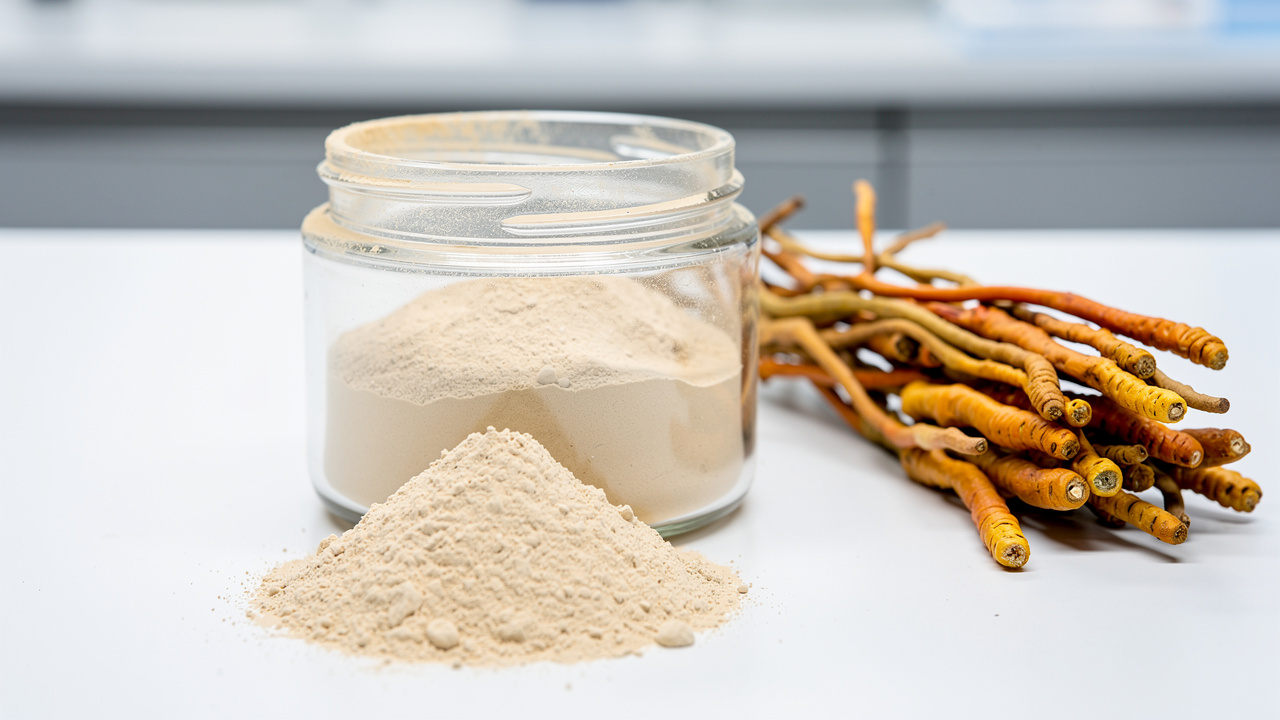
Adenosine is a simple but important molecule found in every cell of the body. It forms part of ATP, the main energy currency, and acts as a signaling molecule for blood flow, sleep pressure, and many other processes. Researchers studying mushrooms and testosterone kept seeing adenosine show up in the most active fractions of their extracts.
In detailed work on enokitake, scientists prepared different ethanol extracts and tested which one most strongly boosted testosterone in mouse testicular cells. The 30‑percent ethanol extract had the highest activity, pointing to water‑soluble compounds. Using liquid chromatography–mass spectrometry, they separated this fraction into peaks and identified the major one as adenosine.
To test whether adenosine was truly doing the work, they compared dose–response curves:
-
When they exposed testicular cells to pure adenosine, testosterone production rose along a certain curve.
-
When they repeated the test with the enokitake extract, the curve was almost parallel.
This suggests that the extract behaves very much like adenosine itself in this context.
Next, they looked beyond a single mushroom. Extracts from enokitake, shiitake, Reishi, Cordyceps sinensis, Cordyceps militaris, and several vegetables were all tested for adenosine content and for their ability to induce testosterone in cultured testicular cells. When researchers plotted these two values against each other, they found a correlation coefficient of 0.9825, which is extremely tight. In simple terms, the higher the adenosine content, the stronger the testosterone response in the dish.
Mushrooms, as a group, clustered toward the “high adenosine, high testosterone output” side of that graph compared with vegetables like parsley and spinach. This is one reason people now ask whether mushrooms affect testosterone levels in real life, not just in cells. Adenosine connects mushroom intake to testicular function at a very basic biochemical level.
How Adenosine Influences Leydig Cells And Testosterone Synthesis
Testosterone is made mainly in Leydig cells, which sit between the tiny tubes inside the testes. For these cells to work well, they must respond to signals from the brain and from nearby support cells, and they must have the internal machinery to turn cholesterol into testosterone.
In the enokitake studies, adenosine and mushroom extract both increased the expression of Insulin‑like peptide 3 (Insl3) mRNA in testicular tissue. Insl3 is a marker of Leydig cell health and function. When its levels rise, it suggests that Leydig cells are not only present but actively doing their job of steroid production.
The testes carry several adenosine receptors:
-
A1 receptors appear mainly on germ cells
-
A3 receptors on Sertoli cells, which help support and nourish developing sperm
There is debate over how many direct adenosine receptors sit on Leydig cells themselves. Even so, Sertoli, germ, and Leydig cells are tightly linked by paracrine signaling. Signals released from one cell type can quickly influence the others.
This means adenosine may not need to bind straight to Leydig cells to raise testosterone. It can:
-
Trigger changes in Sertoli or germ cells
-
Those cells then send messages that encourage Leydig cells to increase steroid production
Because adenosine is also central to ATP and energy metabolism, higher local adenosine could support both signaling and the energy needed for hormone synthesis. In this way, a simple molecule found in mushrooms feeds directly into the chain that leads to testosterone.
Cordycepin Vs. Adenosine: Comparing Bioactive Potency
Cordycepin, or 3′‑deoxyadenosine, is one of the hallmark compounds in Cordyceps mushrooms. Many supplement companies highlight cordycepin as the main driver of Cordyceps’ effects on energy and hormones. Direct comparisons in testicular cell models give a more nuanced picture.
When scientists measured how much testosterone production rose after exposure to cordycepin versus adenosine, they found that cordycepin’s activity was about 18 percent of adenosine’s potency. In other words, cordycepin still nudged testosterone upward, but adenosine did so more strongly at the same dose.
This does not make Cordyceps less valuable. Cordyceps mushrooms naturally contain both adenosine and cordycepin, along with other bioactive molecules. Many researchers now think the overall effect comes from the combination. Cordycepin may add its own stress‑relieving, immune, and mitochondrial benefits, while adenosine carries much of the direct testosterone signal.
For supplement design, this matters. The most helpful Cordyceps products will protect and deliver both cordycepin and adenosine, rather than chasing cordycepin alone. Synchronicity Health’s approach focuses on this synergy, using extraction and dosing that reflect what the science says about each compound’s relative strength.
Mushrooms And Stress-Induced Testosterone Decline
Chronic stress is one of the fastest ways to lower testosterone. When the brain senses ongoing threat, it prioritizes cortisol and other stress hormones over sex hormones. Sleep drops, inflammation rises, and the whole testosterone pathway slows down. For many professionals, this pattern feels very familiar.
Researchers wanted to know whether adenosine‑rich mushrooms could help in such a setting, not just in cases of direct testicular toxicity. They created a “wet floor fatigue model” in mice. The animals were kept on a wet surface for a full day, which disrupted rest and created significant environmental stress. This setup lowered testosterone and markers of Leydig cell function.
When the stressed mice drank water containing enokitake extract or pure adenosine, their testicular testosterone levels climbed back up compared with controls. Insl3 mRNA expression also rose, pointing to better Leydig cell activity. The effect did not simply bring levels above normal; it helped restore a stressed system closer to its baseline.
These findings support the traditional view of mushrooms as tonics for fatigue and stress rather than pure hormone boosters. In stressful conditions that tend to suppress testosterone, compounds in mushrooms appear to help the testes keep working. For a human living with constant deadlines, sleep restriction, and high training loads, that type of support may be even more important than a small bump in total testosterone on a lab report.
The Cortisol–Testosterone Balance
Cortisol and testosterone often move in opposite directions. When a person faces acute or chronic stress, the hypothalamic–pituitary–adrenal (HPA) axis ramps up cortisol production to help the body respond. Over time, this can blunt the signals that drive testosterone synthesis, such as luteinizing hormone from the pituitary.
In a high‑stress lifestyle, the body may stay in “fight or flight” mode for long stretches:
-
Blood sugar stays higher
-
Sleep becomes lighter
-
Recovery from training slows
Under these conditions, the brain sends fewer signals to the testes, and Leydig cells cut back on testosterone. The result is a mix of fatigue, low motivation, and weaker performance.
Adaptogenic mushrooms like Reishi and Cordyceps seem to nudge the HPA axis toward a more balanced response. They do not sedate or blunt alertness, but they help reduce overactive cortisol spikes and improve resilience to stress. Synchronicity Health’s adaptogenic blends take advantage of this, combining Reishi for calm and Cordyceps for energy. For busy professionals and athletes, this approach aims to protect testosterone indirectly by keeping cortisol in a more favorable range.
Antioxidant Protection And Testicular Health
Oxidative stress is another major threat to testosterone. The testes have a rich blood supply and high rates of cell division, which make them especially sensitive to reactive oxygen species (ROS). Too much ROS can damage cell membranes, DNA, and the enzymes needed to make hormones.
The cisplatin‑impaired mouse model shows this clearly. Cisplatin, a common chemotherapy drug, generates large amounts of ROS and causes severe testicular injury. In these models:
-
Testosterone levels drop sharply
-
Sperm quality worsens
-
Testicular tissue shows clear structural damage
This is similar, in a more intense form, to what chronic toxin exposure and inflammation can do over time.
When researchers gave enokitake extract to these cisplatin‑treated mice, several things improved:
-
Testosterone production rose toward normal
-
Testicular tissue looked healthier under the microscope
-
Markers of oxidative damage decreased
Enokitake carries polyphenols such as chlorogenic acid, quercetin, and gallic acid, all known for strong antioxidant activity. These compounds help neutralize ROS before they harm sensitive cells.
This suggests that mushrooms may protect testosterone in two ways at once:
-
Adenosine and related molecules support Leydig cell function directly.
-
Antioxidants guard the tissue against damage that would otherwise reduce hormone output.
For aging men or those exposed to environmental toxins, this dual action may be especially helpful.
Protecting mitochondria from oxidative stress also lines up with broader cellular health strategies. Healthy mitochondria need steady NAD+ levels to run energy and repair pathways. Synchronicity Health connects these dots by pairing mushroom support with NAD+ and glutathione nasal sprays, which are designed to feed into antioxidant and energy systems that support long‑term hormonal health.
The Evidence Gap: Animal Studies Vs. Human Clinical Trials
When looking at whether mushrooms affect testosterone levels in humans, it is important to separate enthusiasm from data. The most detailed studies on enokitake, Cordyceps, and other mushrooms have been done in rodents or in test tubes. These models are valuable, yet they do not always predict what will happen in actual people.
Animal studies often use high, controlled doses of concentrated extracts. The animals may also have specific types of damage or stress that do not match everyday human conditions. For example, a mouse with cisplatin‑induced testicular failure is very different from a 40‑year‑old man with mild age‑related testosterone decline. What works in one case might not have the same effect in the other.
Systematic reviews looking at natural products and testosterone often come to a sobering conclusion. Many herbs and plant compounds that raise testosterone in animals fail to do so in well‑controlled human trials. So far, there is no strong human data showing that eating mushrooms or taking mushroom supplements alone produces a large, consistent rise in testosterone.
Several factors may explain this gap:
-
Doses used in human supplements are often lower than those in rodent studies
-
Oral absorption can be less predictable in humans
-
Diet, lifestyle, and genetics add many variables not present in lab setups
-
Study durations may be too short to capture slower, indirect effects
Even with these limits, the underlying biology still makes sense. Adenosine‑rich mushrooms support Leydig cell function and protect against oxidative damage in well‑designed models. They influence pathways that matter for testosterone, stress resilience, and recovery. This is why many practitioners think mushrooms deserve more, and better, human clinical research rather than being dismissed outright.
“You can’t expect human‑level answers from mouse‑level data, but you also shouldn’t ignore consistent signals across models.”
What This Means For Health Optimizers Today
For someone trying to improve performance and longevity, the takeaway is clear. Mushrooms are not magic testosterone supplements that replace medical therapy, but they can be a smart part of a broader plan. Their strongest, most proven benefits are in:
-
Stress buffering
-
Immune support
-
Energy and exercise capacity
-
Cognitive function
All of these indirectly help the body keep hormones in a healthier range.
A practical strategy is to use mushrooms to support the system rather than chase a single lab number. That means combining Cordyceps and Reishi with:
-
Resistance training
-
High‑quality sleep
-
Nutrient‑dense food
-
Stress management techniques such as breathwork or meditation
Synchronicity Health’s physician‑formulated stacks are built around this idea, pairing mushrooms with more directly studied adaptogens such as Ashwagandha and cellular tools like NAD+.
Biohackers and athletes can add data by tracking their own biomarkers. Getting baseline labs for total testosterone, free testosterone, sex hormone binding globulin (SHBG), cortisol, and DHEA gives a starting point. After eight to twelve weeks on a new protocol, repeat testing along with notes on energy, mood, libido, and performance can show how well the approach is working in real life.
Synchronicity Health's Approach To Hormonal Optimization
Synchronicity Health was created for people who want medical‑grade strategies without living at an IV therapy clinic. The company focuses on physician‑formulated, pharmaceutical‑grade nasal sprays and targeted supplements that support hormones through cellular and stress pathways. The goal is to offer IV‑level strategies with far more convenience and at a fraction of clinic costs.
Rather than chasing single‑ingredient testosterone supplements, Synchronicity Health works from the ground up. That starts with cellular energy and resilience:
-
NAD+ boosters support mitochondrial function
-
Glutathione nasal spray targets oxidative stress
-
Melatonin nasal spray supports deep, hormone‑friendly sleep
On top of this base, adaptogenic mushrooms and botanicals help the body handle stress and keep hormones, including testosterone, in a better range.
A Yale‑trained MD oversees formulation, dosing, and ingredient sourcing. This helps keep products aligned with the best available science. For example:
-
Cordyceps supplements are designed to supply meaningful levels of adenosine and cordycepin
-
Reishi blends focus on polysaccharides and triterpenes linked to calm and immune support
-
Ashwagandha products use doses that match those used in human trials for testosterone and stress
Synchronicity Health also leans into personalization. The company encourages customers to build “Sync Stacks” that match specific goals such as male vitality, focus, or long‑term longevity. Someone focused on hormones might use Ashwagandha plus Cordyceps and Reishi, along with NAD+ nasal spray and glutathione for cellular support. Clear instructions and lab‑guided protocols help people adjust stacks over time rather than guess.
Cordyceps For Energy And Stamina
Cordyceps Mushrooms at Synchronicity Health are centered on performance. They are offered as stand‑alone capsules and in mushroom cocoa blends that fit easily into a morning routine. These products use high‑quality extracts aimed at preserving both adenosine and cordycepin, along with other supportive compounds.
By supporting oxygen use and ATP production in muscle and brain, Cordyceps can help workouts feel easier and long days feel more manageable. Many people take Cordyceps before training sessions, long work blocks, or endurance events. While the direct mushrooms testosterone effect in humans still needs more proof, this steady energy and resilience help protect the hormonal system from the drag of chronic fatigue.
Reishi For Stress Management And Hormonal Balance
Synchronicity Health’s Reishi Mushroom Blend is built for calm, immune support, and hormone‑friendly recovery. It uses concentrated fruiting body extracts chosen for their beta‑glucan and triterpene content, which are linked to immune modulation and stress buffering. Third‑party testing checks each batch for purity and active compound levels.
Reishi fits best in the evening or during especially stressful periods. Many users find that it helps them wind down without heavy sedation, setting the stage for deeper sleep. By smoothing cortisol swings and reducing low‑grade inflammation, Reishi helps protect an internal setting where the body can maintain testosterone and other hormones in a healthier balance.
Ashwagandha: Clinically Proven Testosterone Support
While mushrooms show strong potential in preclinical work, Ashwagandha stands out for human testosterone data. Multiple randomized controlled trials have found that Ashwagandha supplementation can raise total and free testosterone in men, along with improvements in:
-
Sperm quality
-
Strength and muscle gain
-
Stress and anxiety scores
This makes it one of the most studied natural supports for male hormones.
Synchronicity Health’s Ashwagandha products use doses and extract forms that line up with this research. The focus is on supporting stress resilience, sexual health, strength, and daily energy together rather than in isolation. For people asking whether mushrooms affect testosterone levels, Ashwagandha offers a more directly proven partner.
A strategic protocol often combines Ashwagandha for direct hormonal support with Cordyceps for stamina and Reishi for stress. This three‑part base, layered on top of NAD+ and antioxidant support, addresses both the signals that drive testosterone and the cellular systems that make and protect it.
Synergistic Strategies: Combining Mushrooms With Cellular Health Optimization
Hormonal health rarely improves from a single input. In real life, testosterone depends on how cells handle energy, how the brain manages stress, and how well the body repairs daily damage. For this reason, Synchronicity Health emphasizes synergistic strategies instead of isolated compounds.
Mushrooms bring adaptogenic and antioxidant power:
-
Cordyceps supports mitochondrial ATP production and exercise capacity.
-
Reishi improves stress resilience, immune balance, and sleep quality.
-
Lion’s Mane, used in some Synchronicity blends, adds cognitive support that can keep motivation and focus high enough to maintain healthy habits.
These actions work best when combined with direct cellular tools:
-
NAD+ boosters raise the coenzyme levels needed for energy metabolism and steroid hormone synthesis.
-
Glutathione nasal spray helps neutralize oxidative stress that would otherwise damage hormone‑producing tissues.
-
Melatonin nasal spray supports deep sleep, which is when most daily testosterone production happens.
For someone who wants more than casual wellness, this multi‑layer approach makes sense. Instead of asking only whether mushrooms affect testosterone levels, the better question becomes how mushrooms, NAD+, antioxidants, and lifestyle changes can move the whole hormonal network in a better direction. Synchronicity Health’s Sync Stacks are built to answer that.
NAD+ And Hormonal Health
NAD+ is a coenzyme that sits at the center of energy production and cellular repair. It is required for many enzymes that turn cholesterol into steroid hormones, including testosterone. As people age, NAD+ levels tend to fall, and this drop often tracks with reduced hormone production, lower energy, and slower recovery.
Healthy Leydig cells need efficient mitochondria to fuel steroidogenesis. NAD+ supports these mitochondria, helps maintain DNA repair enzymes, and keeps cellular stress responses in check. When NAD+ levels are higher, cells can handle daily insults better and keep their core functions online, including hormone synthesis.
Synchronicity Health’s NAD Nasal Spray is designed to raise NAD+ more directly than standard oral supplements. Nasal delivery can bypass some of the digestive losses and first‑pass liver metabolism, giving faster and higher absorption. For many people, this offers IV‑like strategies without sitting in a clinic chair for hours.
Used alongside adaptogenic mushrooms, NAD+ support addresses both the energy and stress sides of hormonal health. Cordyceps, Reishi, and other mushrooms help moderate cortisol and oxidative stress, while NAD+ keeps the cellular machinery ready to respond. This pairing is especially attractive for busy people who want testosterone support without frequent IV therapy visits.
The Sync Stack Approach
The Sync Stack concept at Synchronicity Health is simple. Instead of guessing with random supplements, you combine a small number of physician‑formulated products that target different parts of the same goal. For male vitality and energy, a core stack might include:
-
Ashwagandha – direct, clinically studied support for testosterone and stress
-
Cordyceps – stamina, oxygen use, and training output
-
Reishi – stress modulation and sleep support
-
NAD Nasal Spray – mitochondrial energy inside Leydig cells and other tissues
-
Glutathione Nasal Spray – antioxidant protection for vulnerable tissues
-
Melatonin Nasal Spray – consistent, high‑quality sleep
Taken together at the right times of day, these products form a synchronized system that addresses stress, energy, and hormones rather than chasing only a number on a blood test.
Practical Lifestyle Factors That Amplify Mushroom Benefits

No supplement can overcome a lifestyle that constantly pushes testosterone down. Mushrooms and advanced stacks work far better when the basics are in place.
Key lifestyle levers include:
-
Resistance Training
-
Use compound lifts (squats, deadlifts, presses)
-
Train 2–4 times per week with moderate to heavy loads
-
Keep sessions focused rather than excessively long
-
-
-
Aim for 7–9 hours per night
-
Keep your bedroom dark, cool, and quiet
-
Go to bed and wake up at consistent times
-
Avoid late caffeine, alcohol, and very heavy meals
-
-
Nutrition
-
Eat enough calories to support training and recovery
-
Include healthy fats (olive oil, eggs, fatty fish) for hormone production
-
Get sufficient zinc, magnesium, vitamin D, and B‑vitamins
-
Include mushrooms regularly for adenosine and antioxidants
-
-
Stress Management
-
Daily walks and light movement breaks
-
Breathwork, meditation, or prayer
-
Time outside and time away from screens
-
Minimize exposure to endocrine disruptors (plastic food containers, certain fragrances, nonstick coatings)
-
-
Tracking And Feedback
-
Periodic labs: total and free testosterone, SHBG, morning cortisol, DHEA
-
Simple notes on mood, libido, sleep, and performance
-
Adjust protocols based on both lab results and daily experience
-
“You can’t out‑supplement poor sleep, no matter how smart the stack looks.”
Once these pillars are in place, targeted support from mushrooms, Ashwagandha, and NAD+ can act as force multipliers rather than weak fixes for deeper problems.
Safety Considerations And Potential Interactions
Most medicinal mushrooms are well tolerated by healthy adults when taken in common supplemental doses. They have been eaten safely for generations in many cultures. Still, concentrated extracts can carry risks, especially for people with medical conditions or those taking medication.
Anyone with a complex health history should talk with a healthcare provider before starting new supplements. This is especially true if there is a history of:
-
Bleeding problems
-
Autoimmune disease
-
Diabetes
-
Low blood pressure
-
Pregnancy or breastfeeding
It is also important for people already on prescription testosterone or other hormone therapy, as added compounds might change how the body responds.
Quality matters for safety as much as for effectiveness. Some products on the market have low levels of active compounds, while others may be contaminated with heavy metals, pesticides, or allergens. Poor labeling can hide fillers or mycelium‑based powders that do not match the potency used in research. Choosing brands with clear lab testing and physician oversight reduces these risks.
It is also worth noting that, in some settings, adenosine has been reported to have pro‑inflammatory effects on testicular tissue. This does not cancel out the benefits seen in many models, but it is one more reason to avoid massive, untested doses from questionable sources. Thoughtful dosing from trusted brands offers a better balance of potential benefit and safety.
Specific Safety Concerns With Medicinal Mushrooms
Certain mushrooms, especially Reishi, may have mild blood‑thinning properties. For people on anticoagulant drugs such as warfarin, clopidogrel, or even daily aspirin, this can raise bleeding risk. Many clinicians suggest stopping Reishi and similar mushrooms at least two weeks before planned surgery to lower the chance of excessive bleeding.
Because medicinal mushrooms can stimulate or modulate the immune system, they may not be ideal for people with autoimmune diseases such as:
-
Rheumatoid arthritis
-
Inflammatory bowel disease
-
Psoriasis
In these cases, added immune activity might worsen symptoms or interfere with immunosuppressant medications. Medical guidance is very important in these situations.
Mushrooms can also affect blood sugar and blood pressure. Reishi has been linked to lower blood sugar in some reports. For people with diabetes or those taking drugs that reduce glucose, this could lead to hypoglycemia if not monitored. There is similar concern for those prone to low blood pressure or already on medication for hypertension.
Safety data for pregnancy and breastfeeding is limited. Best practice is to avoid concentrated mushroom supplements during these periods unless there is a clear medical reason and close supervision. Cordyceps, which may influence testosterone and other hormones, also deserves special caution for individuals on hormone therapy. Any change in hormonal regimen should be discussed with a clinician.
Synchronicity Health's Quality And Safety Standards
The supplement industry varies widely in quality, and that can affect both results and safety. Synchronicity Health addresses this with strict controls at every step.
-
All products are made in Good Manufacturing Practice (GMP) certified facilities that undergo regular audits.
-
Every batch is sent to third‑party labs to test for purity, potency, and contaminants such as heavy metals and microbes.
-
Formulations are reviewed by a Yale‑trained physician and based on doses used in clinical and preclinical research.
-
Labels list active ingredient amounts clearly, without hidden blends.
Nasal spray delivery for NAD+, glutathione, and melatonin allows precise dosing and fast absorption with minimal fillers. Mushroom and botanical products use natural ingredients without artificial colors or preservatives. Synchronicity Health also offers access to lab reports and informed customer support, so users can see exactly what they are taking and how to use it safely.
Dosing Guidelines And Supplement Quality Considerations
Getting results from mushroom supplements is not only about picking the right species. Dose, extract type, and product quality all matter. Research on medicinal mushrooms often uses total daily doses in the range of 1.5 to 9 grams of dried extract. Many low‑cost products on the market provide far less than this, which may explain why some users feel no effect.
At the same time, more is not always better. Extremely high doses from unknown brands may raise the risk of side effects or contamination. The aim is to find a dose that matches what has been studied, from a supplier that can prove what is in the bottle. This is especially important for people interested in how mushrooms affect testosterone levels, since the research uses defined, often concentrated extracts.
Another key choice is between fruiting body and mycelium‑based products. Many experts prefer fruiting body extracts, since much of the research uses this part of the mushroom and it tends to carry higher levels of key compounds.
Extraction methods also make a difference:
-
Hot water extracts capture polysaccharides (such as beta‑glucans)
-
Alcohol extracts pull out more triterpenes and smaller molecules
-
Dual extraction can provide a broader profile
Because the science on exact “testosterone doses” of mushrooms in humans is not settled, the best path is to combine reasonable dosing, high product quality, and careful tracking of how the body responds. Brands like Synchronicity Health help by grounding their dosing in available data and focusing on third‑party verified potency.
What To Look For In Quality Mushroom Supplements
When choosing a mushroom supplement, several markers can help separate strong products from weak ones:
-
Extracts, Not Just Powder
Look for extracts rather than plain ground powder, ideally with clear mention of dual extraction using both hot water and alcohol. -
Fruiting Body Content
Labels should state whether they use fruiting bodies, mycelium, or a mix. Products centered on fruiting bodies tend to align better with the research. -
Beta‑Glucan Percentage
Beta‑glucan content, listed as a percentage, is a useful marker for immune‑active compounds. -
Third‑Party Testing
Brands should provide certificates of analysis that confirm potency and screen for heavy metals, pesticides, and microbes. -
Transparent Labeling
Labels should show exact mushroom amounts rather than hiding behind “proprietary blends.” Organic certification and clean sourcing are added advantages.
Synchronicity Health designs its mushroom products with all of these factors in mind. Physician oversight, GMP manufacturing, and full lab testing help make sure that each serving delivers the compounds and doses that research supports.
Implementing A Mushroom Supplement Protocol
Starting a mushroom protocol works best when done stepwise.
-
Begin With One Product
Many people start with a single formula, such as Cordyceps for energy or Reishi for stress, and track how they feel for several weeks. -
Add Complementary Support
Once you understand that response, you can add complementary products like Ashwagandha or NAD+ support. -
Time Doses Intelligently
-
Cordyceps: morning or pre‑workout
-
Reishi: evening or high‑stress days
-
NAD+ nasal spray: earlier in the day to support energy
-
Melatonin: near bedtime if needed for sleep support
-
-
Be Consistent
Adaptogens often need 4–8 weeks of daily use before their full effects show up. -
Track And Adjust
Keep a simple log of energy, sleep, mood, libido, and training performance. If no benefit is seen after a few months at a research‑level dose, adjusting the type or amount makes sense.
For those using the Sync Stack approach, Synchronicity Health offers guidance on when to take each product for maximum synergy. Over time, lab testing and daily feedback can guide fine‑tuning of doses and timing.
FAQs
Can Eating Mushrooms Increase Testosterone In Men?
Current human research does not clearly show that eating mushrooms by themselves raises testosterone in men. Most direct testosterone data for mushrooms comes from animal and test‑tube studies, where certain extracts boost hormone production. Culinary mushrooms do contain adenosine, the compound linked to these effects in lab work. For now, mushrooms are best viewed as supportive for vitality, stress resilience, and recovery, which can indirectly help hormonal health when combined with strong lifestyle habits.
Which Mushroom Is Best For Testosterone?
Cordyceps is the most studied mushroom for male vitality, energy, and exercise capacity, and it may support testosterone in stressed or aging animals. Enokitake shows some of the strongest direct testosterone effects in rodent models, likely due to its high adenosine content. Reishi appears helpful for hormone balance under stress by moderating cortisol and supporting immune health. In practice, a combination that targets energy, stress, and cellular health is often more useful than a single mushroom. Synchronicity Health’s Cordyceps formulas are designed with this multi‑pathway support in mind.
How Long Does It Take For Mushroom Supplements To Affect Testosterone?
Adaptogenic mushrooms usually need consistent use over time, not a single large dose. Most people should expect at least four to eight weeks of daily intake before judging the full impact on energy, resilience, or hormone‑related symptoms. Some benefits such as better stress tolerance or smoother energy may appear sooner. Because clear human data on direct testosterone changes is limited, it is smart to test levels before starting and again after eight to twelve weeks. Patience and steady use matter most with natural approaches.
Are Mushroom Supplements Safe For Testosterone Optimization?
For healthy adults, mushroom supplements are generally considered safe when taken at common doses. They can play a helpful role in a plan to support hormones and stress. However, there are important cautions for people on blood thinners, those with autoimmune disease, or anyone facing surgery because some mushrooms may affect clotting and immune activity. Mushrooms can also lower blood sugar or blood pressure in some users. Quality makes a big difference, so third‑party tested products from reputable, physician‑guided brands such as Synchronicity Health are preferred. Always discuss new supplements with a healthcare provider if you have medical conditions or take medication.
What Is Adenosine And Why Does It Matter For Testosterone?
Adenosine is a natural signaling molecule found in all cells and in high amounts in many mushrooms. It forms part of ATP, the body’s main energy molecule, and also acts at specific receptors in various tissues. In mushroom testosterone research, adenosine has been identified as the main compound driving higher hormone production in testicular cell studies. It boosts Leydig cell function and raises expression of Insl3, a marker of healthy testosterone synthesis. Lab tests show a very strong match between adenosine content and testosterone output in vitro, and mushrooms stand out as rich food sources of adenosine.
Is Ashwagandha Better Than Mushrooms For Testosterone?
For direct testosterone effects in humans, Ashwagandha has stronger evidence than mushrooms. Multiple clinical trials show that Ashwagandha can raise total and free testosterone, improve sperm parameters, and lower stress. Mushrooms have impressive support in animal and cell models but far fewer human trials for hormones. That said, they offer valuable benefits for energy, focus, immune function, and stress handling. Synchronicity Health uses both approaches, allowing Ashwagandha to provide direct hormonal support while Cordyceps and Reishi strengthen the stress and cellular systems that protect testosterone.
Conclusion
So, do mushrooms affect testosterone levels? In animals and test‑tube models, the answer leans toward yes. Extracts from mushrooms such as enokitake, Cordyceps, Reishi, and shiitake raise testosterone production, protect damaged testes, and support Leydig cell function. A simple molecule called adenosine, found in high levels in many mushrooms, appears to drive much of this effect.
In humans, the picture is less clear. There are not yet strong clinical trials showing that mushrooms alone raise testosterone in healthy men the way some testosterone therapies or Ashwagandha can. What the science does support is a broader role. Mushrooms help the body handle stress, reduce oxidative damage, support immune balance, and improve energy and focus. All of these factors create conditions where hormones, including testosterone, can stay in a healthier range.
For someone serious about performance and longevity, mushrooms fit best as part of a complete strategy. That strategy includes:
-
Resistance training
-
High‑quality sleep
-
Smart nutrition
-
Thoughtful stress management
It can be strengthened with evidence‑based support from Ashwagandha, NAD+ boosters, and antioxidants. Synchronicity Health brings these pieces together with physician‑formulated, third‑party tested products, including NAD and glutathione nasal sprays, Cordyceps and Reishi blends, and clinically aligned Ashwagandha.
The next steps are straightforward: build solid lifestyle foundations, choose high‑quality supplements, and track biomarkers such as testosterone, cortisol, and DHEA over time. Work with a knowledgeable clinician when changing hormones or adding new protocols. With patience and grounded experimentation, mushrooms and well‑designed stacks can support both how you feel now and how well you age in the years ahead.


Leave a comment
All comments are moderated before being published.
This site is protected by hCaptcha and the hCaptcha Privacy Policy and Terms of Service apply.