

Magnesium malate for energy has become a favorite among high performers, athletes, and anyone who wants reliable daytime stamina without stimulants. When you pair that with deeper, higher-quality sleep and faster recovery, you have the foundation for feeling strong, clear, and focused every day.
That’s exactly why Synchronicity Health recommends magnesium malate as a companion to a sleep routine built around our Melatonin Nasal Spray and Sleep Stack. It supports relaxation at night while feeding the same pathways that sustain cellular energy when you wake up.
For sleep, the human evidence on magnesium comes mainly from older adults: in an 8-week placebo-controlled trial in 46 older adults with insomnia, 500 mg of magnesium a day increased sleep time and sleep efficiency (Abbasi et al., 2012), and a meta-analysis of three trials found people fell asleep about 17 minutes faster on magnesium than on placebo (Mah and Pitre, 2021).
Below, you’ll learn how magnesium malate for energy actually works, how it compares to other forms, and how a magnesium-based sleep formula fits into a smart, science-based routine alongside the Sleep Stack.
If you also want zinc and boron, our Vitamin D Cofactor Capsules provide magnesium 100 mg as magnesium bisglycinate, zinc 10 mg and boron 3 mg per 2 capsules (join the waitlist).
What Is Magnesium Malate?
Magnesium malate is a compound made by binding the mineral magnesium to malic acid, a naturally occurring organic acid found in fruits such as apples. Malic acid is responsible for much of an apple’s tart flavor and also plays an important role in your body’s energy pathways.
Binding magnesium to malic acid creates a form that is:
- Highly absorbable: The bond with an organic acid helps magnesium cross the intestinal wall more efficiently than many inorganic forms.
- Gentle on digestion: Compared with forms like magnesium oxide, magnesium malate is less likely to cause sudden loose stools at typical doses.
- Metabolically active: Malic acid is not just a carrier; it is involved in the energy-generating Krebs cycle inside your mitochondria.
Because of this, using magnesium malate for energy is often preferred by people who care about performance, recovery, and sustained focus, not just hitting a basic magnesium minimum.

Featured in this article
Melatonin Nasal Spray200 mcg of melatonin with L-theanine per serving, for your bedtime routine.
Shop Melatonin Nasal SprayThird-party tested ingredients. Vegan, non-GMO, made in the USA.
Why Magnesium Matters For Energy And Recovery
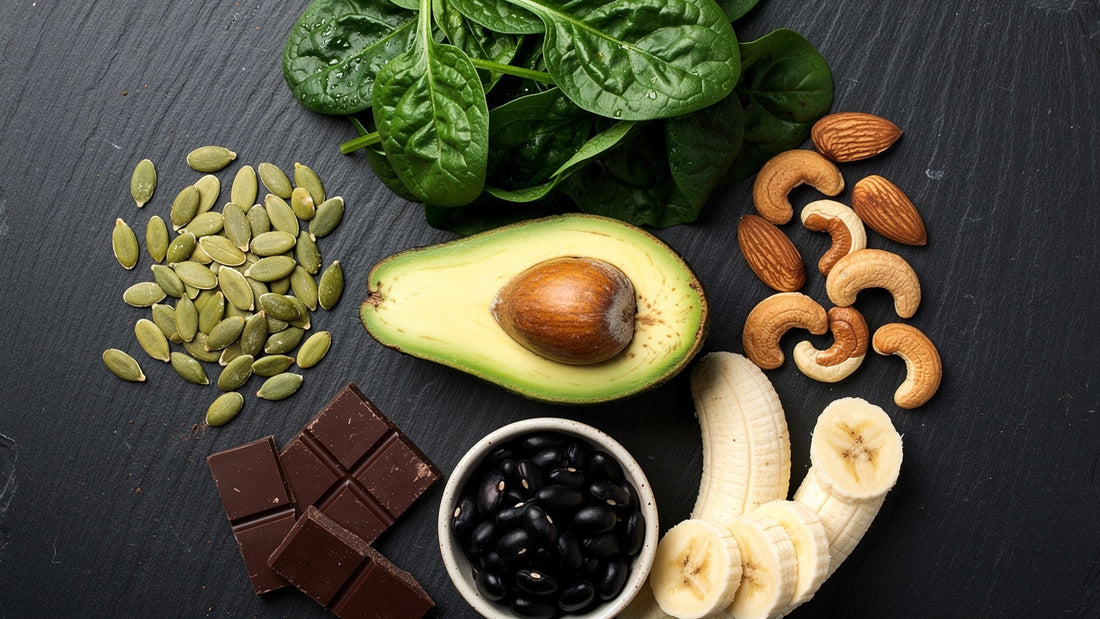
Before zooming in on magnesium malate for energy, it helps to understand magnesium itself.
Magnesium is involved in more than 300 enzyme reactions across the body. Among its key roles:
- Supporting the electrical activity of nerves and muscles
- Helping muscles contract and relax in a controlled way
- Keeping heart rhythm steady
- Assisting in protein synthesis and tissue repair
- Helping regulate blood pressure and blood sugar
As functional medicine author Dr. Mark Hyman writes, "Magnesium is the most powerful relaxation mineral available."
Many adults in the US fall short of recommended magnesium intake from diet alone. Typical eating patterns often lack enough leafy greens, legumes, nuts, and seeds, the foods richest in this mineral.
Suboptimal levels are associated with:
- Low physical and mental energy
- Muscle tightness, cramps, or twitching
- Restless sleep and difficulty staying asleep
- More difficulty handling stress
Adding magnesium malate for energy and recovery can help close that gap while providing extra support for mitochondrial function and muscle relaxation.
How Magnesium Malate For Energy Works In Your Cells
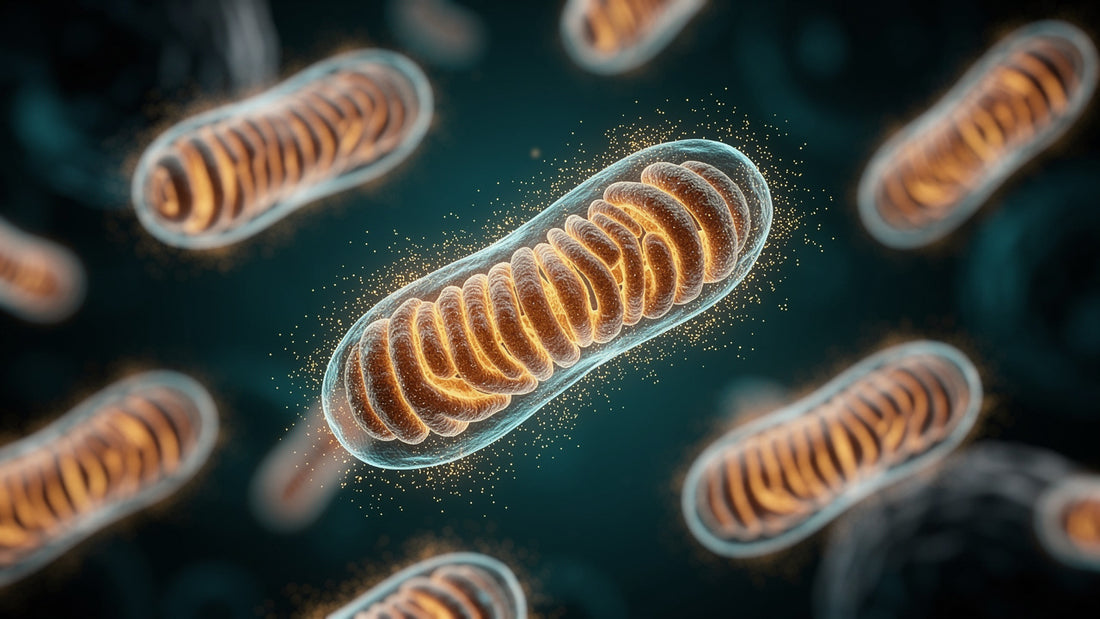
Magnesium malate splits into magnesium and malate (the ion form of malic acid) in your digestive tract. Both sides of the molecule matter for energy, sleep, and performance.
1. Malic Acid And The Krebs Cycle
Malic acid is a key intermediate in the Krebs cycle, the central pathway your cells use to convert food into ATP (adenosine triphosphate), your body’s energy currency.
By supplying malate, magnesium malate for energy:
- Helps keep the Krebs cycle running smoothly
- Supports efficient ATP production in the mitochondria
- May reduce feelings of fatigue when your energy system is under stress (hard training, long workdays, poor sleep)
You can think of malate as a steady ingredient in your cells’ energy assembly line, without it, the system has to work harder to reach the same output.
2. Magnesium As An ATP Activator
Magnesium is required for energy production, including glycolysis and oxidative phosphorylation, the main pathways cells use to make ATP.
Magnesium malate for energy supports:
- ATP activation: Magnesium stabilizes ATP so your cells can access the energy it holds.
- Enzyme function: Many enzymes that produce and use ATP require magnesium as a cofactor.
- Nerve and muscle balance: Magnesium helps regulate calcium channels, allowing muscles to relax after contracting and nerves to fire at the right rate.
This dual action, fueling the Krebs cycle and activating ATP, helps explain why magnesium malate for energy is a preferred form for people who want both mental and physical performance.
Magnesium Malate For Energy, Sleep, And Daily Recovery

Unlike sedative sleep aids, magnesium malate does not “knock you out.” Instead, it supports the systems that allow your body to shift into recovery mode at night and perform during the day.
In a well-designed evening formula, magnesium malate is commonly paired with:
- L-theanine: Supports calm focus and reduces mental chatter.
- GABA: Helps quiet overactive brain activity and promotes relaxation.
- Glycine: Supports sleep quality and core body temperature regulation.
Together, these ingredients help:
- Relax tight muscles so you can physically unwind
- Balance nerve signaling to support a smoother transition into sleep
- Support overnight tissue repair and mitochondrial function
- Set you up to benefit from magnesium malate for energy the next morning
You get a calm, grounded feeling at night, and more consistent energy when the alarm goes off.
Sleep scientist Matthew Walker, PhD, notes in Why We Sleep: "Sleep is the single most effective thing we can do to reset our brain and body health each day."
If you want a deeper dive into forms, dosing, and research, explore our guide to sleep health.
Performance, Muscle Health, And Active Recovery
For athletes and active professionals, magnesium malate for energy is especially attractive because it supports both performance and recovery.
Exercise Performance

Research on magnesium supplementation in athletes suggests:
- Better jumping and explosive movements when magnesium intake is adequate
- Lower lactate buildup during intense effort, which may delay muscle burn and fatigue
- Improved availability of cellular energy substrates during exercise
Because malate feeds the Krebs cycle, magnesium malate for energy can be a smart choice for:
- Strength and power training
- Endurance sports and interval work
- High-intensity classes or sports that combine strength and cardio
Magnesium is involved in muscle contraction and energy metabolism, so steady intake matters for active people. Those who want stimulant-free daytime support can also look at the Energy Sync Stack.
Muscle Relaxation And Comfort
Magnesium helps muscles relax by modulating calcium flow in muscle cells. Combined with malate’s role in cellular energy, magnesium malate can support:
- Less post-workout tightness and cramping
- Reduced sensation of “knots” and tension in overused muscles
- A smoother transition from high-output training to restorative sleep
One small pilot trial gave magnesium with malic acid to 24 people with widespread muscle pain and tenderness. The blinded, lower dose phase showed no clear effect, while a six month open-label phase at higher doses reported less pain and tenderness.
Beyond Energy: Wider Benefits Of Magnesium Malate
Magnesium malate for energy is only part of the story. When magnesium status improves and malate supports mitochondrial efficiency, multiple systems can benefit.
Mood, Stress, And Cognitive Function
Magnesium plays an important role in brain signaling and can:
- Support healthy levels of neurotransmitters involved in mood
- Help regulate the stress response system
- Calm excessive glutamate signaling, which can feel like mental overstimulation
Higher magnesium intake in population studies is associated with lower rates of reported low mood. Clinical research has also shown that magnesium supplements can support stress and nervous system balance in individuals with low intake or low blood levels.
Blood Sugar And Metabolic Health
Magnesium is involved in:
- Insulin signaling
- Movement of glucose from the bloodstream into cells
- Enzymes that regulate carbohydrate metabolism
Research suggests adequate magnesium intake can help:
- Support healthy insulin signaling
- Support healthy blood sugar levels already within the normal range
When you use magnesium malate for energy, you are also supporting the same pathways that help your body handle carbs more efficiently.
Metabolic Byproducts And Acid-Base Balance
Malate participates in energy pathways that intersect with how your body handles metabolic byproducts and acid-base balance. Magnesium malate may help:
- Support normal removal of certain metabolic byproducts
- Maintain an environment in which muscles and nerves can function at their best
While it is not a magic bullet, magnesium malate for energy indirectly supports processes that keep cells working cleanly and efficiently.
Digestive Support
At higher doses, some forms of magnesium act as laxatives. Magnesium malate tends to be gentler but can still:
- Support regular bowel movements in individuals who are slightly constipated
- Act as a mild antacid in certain people by buffering stomach acid
If your digestion is very sensitive, starting low and increasing gradually is wise.
Magnesium Malate For Energy Vs Other Magnesium Forms
With so many magnesium options, it helps to see where magnesium malate fits.
|
Form |
Main Strengths |
Typical Uses |
|---|---|---|
|
Magnesium Malate |
Energy, performance, muscle recovery |
Daytime stamina, active lifestyles, evening formulas for overnight recovery |
|
Magnesium Glycinate |
Calming, gentle on digestion |
Stress support, deeper sleep, tension relief |
|
Magnesium Citrate |
Bowel motility |
Short-term constipation, occasional use |
|
Magnesium Oxide |
High elemental magnesium per pill, low absorption |
Cost-sensitive basic supplementation |
For most high performers, magnesium malate for energy is a strong choice during the day or in the evening as part of a formula that supports both sleep and next-day performance. Some people also use glycinate at night on its own for an even more pronounced calming effect. For morning or night timing and taking it with food, see the best time to take magnesium.
If you are using a combination of forms, it helps to review your labels so you know your total elemental magnesium intake.
For how malate compares with glycinate, oxide and citrate in more detail, see magnesium glycinate vs citrate, oxide and malate.
How To Use Magnesium Malate For Energy, Sleep, And Recovery

General Magnesium Intake Targets
Total daily magnesium needs (from food plus supplements) generally fall in these ranges:
|
Age Group |
Males (mg/day) |
Females (mg/day) |
|---|---|---|
|
19 to 30 |
400 |
310 |
|
31 to 50 |
420 |
320 |
|
51+ |
420 |
320 |
Using Magnesium Malate For Energy
For daytime support:
- Start low: Begin with a smaller dose (e.g., 100 to 150 mg elemental magnesium) to gauge tolerance.
- Take with food: Many people find magnesium malate for energy works well with breakfast or lunch for a smoother effect.
- Hydrate: Adequate water intake supports overall cellular function and can reduce the chance of digestive upset.
For combined energy and sleep benefits using an evening magnesium malate formula:
- Take your serving 30 to 60 minutes before bed.
- Be consistent; magnesium malate sleep benefits build over weeks, not just days.
- Pair with a calm pre-bed routine (dim lights, limit screens) so the formula can do its best work.
Tip: Check the supplement facts panel on your product so you know how much elemental magnesium and malic acid you are getting per serving.
Safety, Side Effects, And Who Should Be Careful
Magnesium malate is generally well tolerated at recommended doses, but a few points are worth keeping in mind.
Common Side Effects
Higher doses may cause:
- Loose stools or diarrhea
- Nausea
- Abdominal cramping
These are more likely if you take a large amount at once or on an empty stomach. Splitting your magnesium malate for energy dose or taking it with meals usually helps.
High Doses And Toxicity
Magnesium from food is not a problem for healthy kidneys. Extremely high supplemental intakes (several grams per day of elemental magnesium) can be dangerous and may cause:
- Very low blood pressure
- Muscle weakness
- Heart rhythm changes
Stay within product directions and within the typical supplemental range unless you are under direct medical supervision.
Interactions And Medical Conditions
You should talk with your healthcare provider before using magnesium malate for energy if you:
- Have kidney disease or significantly reduced kidney function
- Have heart rhythm disorders
- Are pregnant, nursing, or planning pregnancy
- Take medications such as:
- Certain diuretics
- Some antibiotics (e.g., tetracyclines, quinolones)
- Bisphosphonates for bone health
Magnesium can interfere with absorption of some drugs if taken at the same time. Spacing medications and supplements by at least two hours is often recommended.
How Magnesium Malate Fits With the Synchronicity Health Sleep Stack
The Synchronicity Health Sleep Stack (Melatonin Nasal Spray, Theanine Nasal Spray, and Lithium Orotate) is designed for people who demand more from a sleep routine. Instead of simply promoting drowsiness, it aims to:
- Support relaxation before bed
- Support a consistent sleep routine
- Help you wake ready for the day
Magnesium malate complements that design. By pairing magnesium malate for energy with melatonin nasal spray, theanine, and other sleep-supportive nutrients, your evening routine works on both sides of the recovery equation:
- Night: Easier relaxation, fewer muscle knots, and smoother transition into sleep
- Day: Better-supported mitochondrial function, steadier ATP production, and more consistent energy output
For more on building an evening routine, visit our sleep health guide.
If you are unsure how the Sleep Stack fits into your routine, our team can help you align timing, dose, and stacking with your current supplements and training or work schedule.
Sources
- NIH Office of Dietary Supplements. Magnesium: Fact Sheet for Health Professionals. ods.od.nih.gov
- Russell IJ, et al. Treatment of fibromyalgia syndrome with Super Malic: a randomized, double blind, placebo controlled, crossover pilot study. J Rheumatol. 1995. PubMed 8587088
- Abbasi B, Kimiagar M, Sadeghniiat K, Shirazi MM, Hedayati M, Rashidkhani B. The effect of magnesium supplementation on primary insomnia in elderly: A double-blind placebo-controlled clinical trial. J Res Med Sci. 2012;17(12):1161-9. PubMed 23853635
- Mah J, Pitre T. Oral magnesium supplementation for insomnia in older adults: a systematic review and meta-analysis. BMC Complement Med Ther. 2021;21(1):125. PubMed 33865376
Frequently Asked Questions
What Is Magnesium Malate And Why Use It For Sleep?
Magnesium malate is a form of magnesium bound to malic acid, a compound found naturally in fruits such as apples. This pairing is highly absorbable and supports ATP production, muscle relaxation, and healthy nerve function.
Taken in the evening, magnesium malate for energy means you are not only relaxing at night, you are also supporting the same energy systems that help you feel alert and capable the next day.
How Does Magnesium Malate Help With Sleep If It Is Used For Energy?
Magnesium malate for energy is not a stimulant. It supports relaxation by:
- Helping muscles release tension
- Balancing nerve activity in the brain and body
- Supporting overnight cellular repair and mitochondrial function
When paired with L-theanine, GABA, and glycine, magnesium malate helps quiet a busy mind and relax the body. The aim is a calmer wind-down and steadier energy the following day.
When Is The Best Time To Take Magnesium Malate For Energy?
It depends on your goals:
- For daytime stamina: Take magnesium malate for energy with breakfast or lunch.
- For sleep and recovery: Use magnesium malate, or the Sleep Stack, 30 to 60 minutes before bed so you benefit from its calming and restorative effects overnight.
Many people find that using magnesium malate consistently, at the same time each day, yields the most noticeable benefits.
Can I Get Enough Magnesium And Malic Acid From Food Alone?
Some people can, especially if they regularly eat:
- Leafy greens, legumes, nuts, seeds, and whole grains (for magnesium)
- Fruits like apples, cherries, grapes, and pears (for malic acid)
However, busy professionals, intense athletes, and those under chronic stress often fall short. That’s why magnesium malate for energy and recovery can be a helpful addition to a nutrient-dense diet, especially when you want targeted support for sleep quality, performance, or healthy aging routines.
Featured in this article
Melatonin Nasal Spray200 mcg of melatonin with L-theanine per serving, for your bedtime routine.
Shop Melatonin Nasal SprayThird-party tested ingredients. Vegan, non-GMO, made in the USA.


Leave a comment
All comments are moderated before being published.
This site is protected by hCaptcha and the hCaptcha Privacy Policy and Terms of Service apply.