
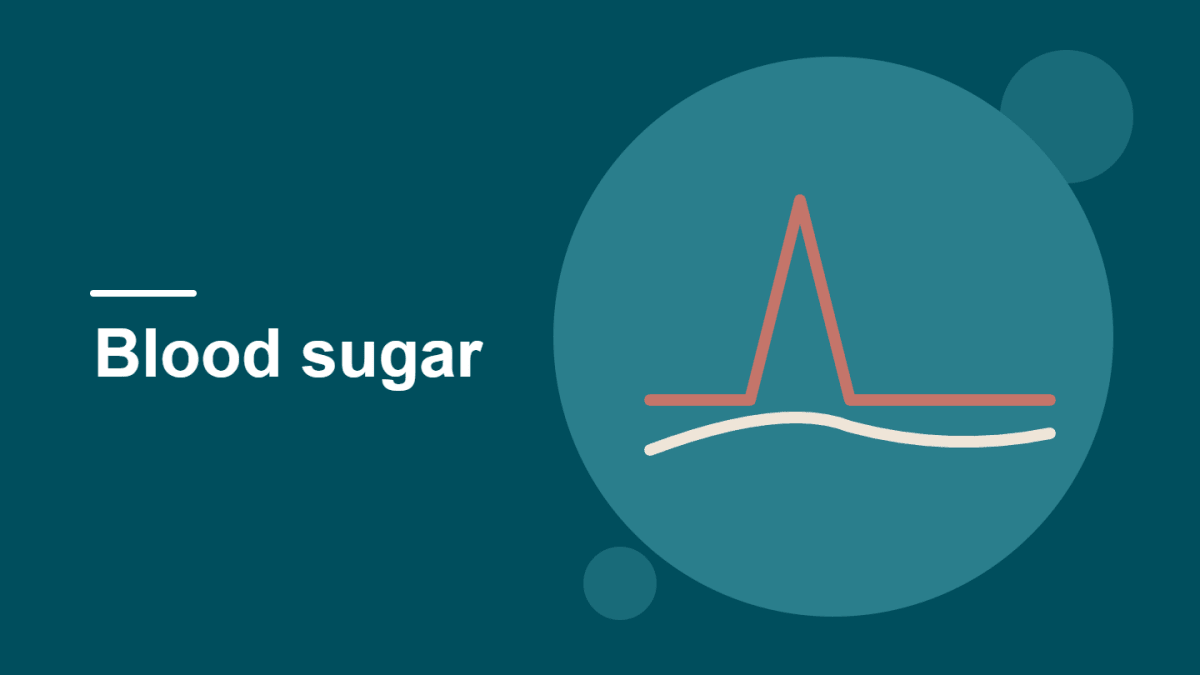
A blood sugar spike is a quick rise in blood glucose after eating, usually from foods rich in fast-digesting carbohydrates, and most healthy people feel little or nothing while it happens. What some people notice instead is the dip that can follow: hunger, shakiness or a slump in energy a couple of hours later. This guide explains what a blood sugar spike feels like, what a normal rise after eating looks like, which foods spike blood sugar the most, answers common questions about foods like oatmeal, bananas, coffee and rice, and covers simple ways to keep spikes smaller.
It is educational, not medical advice.
Key Takeaways
- Normal is a range: in 153 healthy people wearing glucose monitors, average glucose was about 98 to 99 mg/dL, and levels stayed between 70 and 140 mg/dL about 96% of the time (Shah et al., 2019).
- Everyone responds differently: in 800 people and nearly 47,000 meals, responses to identical meals varied widely from person to person (Zeevi et al., 2015).
- Food type matters: dairy, legumes, pasta and most fruits usually have a low glycemic index, while breads, cereals and rice range from low to high and most potatoes are high (Atkinson et al., 2021).
- Order and movement help: eating protein first and carbohydrate last gave the smallest rise in one trial (Lee et al., 2021), and light walking breaks lowered blood sugar after meals compared with sitting (Buffey et al., 2022).

Featured in this article
Berberine BlendCeylon cinnamon 300 mg and berberine 500 mg per 2-capsule serving, with bitter melon extract 100 mg and chromium picolinate 250 mcg.
Shop Berberine BlendThird-party tested ingredients. Vegan capsules.

What Is a Blood Sugar Spike?
When you eat carbohydrates, your body breaks them down into glucose, which enters your blood. Blood sugar rises, insulin is released, and glucose moves into your cells, bringing levels back down within a few hours. A spike is a faster, higher rise than usual, often followed by a quicker fall.
Some rise after eating is normal. Even people with normal results on standard blood sugar tests can show large swings: in one glucose monitoring study, people considered to have normal blood sugar still reached the elevated range used to flag early blood sugar problems about 15% of the time (Hall et al., 2018).
What Does a Blood Sugar Spike Feel Like?
For most healthy people, a normal rise after a meal does not cause clear symptoms. When people say they feel a "sugar crash," they usually mean what comes after: a drop that can bring the feelings listed for low blood sugar, such as hunger, shaking, sweating, a fast heartbeat, dizziness and irritability (CDC). Feeling sleepy after a large meal is common too, though it has many causes besides blood sugar.
Ongoing high blood sugar is different from a short spike. If you often feel very thirsty, pee more than usual, feel tired, lose weight without trying or have blurry vision, see the safety note below.
What Is a Normal Blood Sugar Rise After Eating?
The clearest picture comes from healthy people wearing continuous glucose monitors. In a study of 153 healthy, non-pregnant people aged 7 to 80 with a healthy body weight, average glucose was 98 to 99 mg/dL in most age groups and 104 mg/dL in those over 60. Glucose stayed between 70 and 140 mg/dL about 96% of the time and was above 140 mg/dL for a median of about 30 minutes a day (Shah et al., 2019). So short rises after meals are expected; long stretches well above that range are worth discussing with a doctor.
Foods That Spike Blood Sugar the Most
The glycemic index (GI) ranks carbohydrate foods by how fast they raise blood sugar compared with pure glucose. The 2021 international tables, covering over 4,000 foods, found that dairy, legumes, pasta and fruits were usually low GI (55 or under), breads, breakfast cereals and rice came in high, medium and low GI versions depending on how they were made, and most potatoes were high GI (Atkinson et al., 2021). In general, the foods most likely to spike blood sugar are:
- Sugary drinks, juice and sweets eaten on their own.
- Highly processed cereals, white breads and instant grains.
- Most potatoes, especially without fat, fiber or protein alongside.
- Large portions of any starchy food.
Does It Spike Blood Sugar? Common Foods
Your own response can differ from these general patterns (Zeevi et al., 2015), and portion size matters as much as the food.
|
Food |
Typical effect |
|---|---|
|
Oatmeal and oats |
Depends on processing: cereals vary widely, and more processed instant oats tend to raise blood sugar faster than rolled or steel-cut oats. Overnight oats are usually made from rolled oats. |
|
Bananas, strawberries and other fruit |
Fruits are usually low GI; portion size matters more than the fruit itself. |
|
Milk, Greek yogurt, cottage cheese |
Dairy is usually low GI; plain versions have the least sugar. |
|
Oat milk |
Check the label: many oat milks contain added or naturally released sugars. |
|
White rice and jasmine rice |
Rice comes in high, medium and low GI versions; the variety and portion decide the rise. |
|
Pasta |
Usually low GI compared with bread and potatoes. |
|
Bread, sourdough and keto bread |
Breads range from low to high GI depending on how they are made; low-carb breads have less carbohydrate to raise blood sugar. |
|
Popcorn |
A whole grain snack; plain popcorn in a normal portion is a moderate choice, while large or sweetened portions raise blood sugar more. |
|
Black coffee |
Contains almost no carbohydrate; added sugar, syrups and sweetened creamers are what add the rise. |
|
Diet sodas and zero-sugar drinks |
In 29 randomized trials, non-nutritive sweeteners were not found to raise blood glucose (Nichol et al., 2018). |
|
Protein foods |
Little carbohydrate, and eating protein before carbohydrate lowered the rise in one trial. |
|
Coconut water and date syrup |
Both contain natural sugars, so the amount you have decides the effect. |
Meals built mostly on refined carbs can also leave you hungry again soon after; our guide to why you might always feel hungry explains why.
If you feel sleepy soon after a meal rather than hours later, our guide to why you feel tired after eating covers the other causes, from meal size to short sleep.
How to Keep Blood Sugar Spikes Smaller
- Eat protein and vegetables first. In a randomized crossover trial in adults with no blood sugar condition, eating protein first and carbohydrate last gave the smallest rise in blood sugar, in both normal-weight and overweight participants (Lee et al., 2021).
- Move after meals. A meta-analysis found that breaking up long sitting with standing lowered blood sugar after meals, and that light walking breaks worked even better (Buffey et al., 2022).
- Pick lower GI versions. Choose rolled or steel-cut oats over instant, whole fruit over juice, and pair starches with protein, fat or fiber.
- Watch portions. A smaller serving of a starchy food gives a smaller rise.
- Swap sugary drinks. Water, black coffee, tea or zero-sugar drinks do not add sugar to a meal.
Our metabolic health and energy balance hub covers the wider picture, and the morning routine guide shows where a walk after breakfast fits.
Many of the same foods appear in our guide to anti-inflammatory foods, which looks at fiber, nuts and olive oil.
For the wider picture of how food, movement and sleep affect the calories you burn, see our guide on how to boost metabolism naturally.
If you find yourself reaching for sweets between meals, our guide to how to stop sugar cravings explains common triggers and what helps.
If you add cinnamon to food every day, our guide to Ceylon vs cassia vs Saigon cinnamon explains which type to choose and why.
Where Supplements Fit
Food, movement and sleep come first. Some people also take supplements made to support healthy blood sugar. Our Berberine Blend combines berberine, Ceylon cinnamon and chromium picolinate; our guides to berberine vs Ceylon cinnamon, how long berberine takes to work and berberine side effects explain what the research shows and who should check with a doctor first. For how berberine compares with chromium, another ingredient in the blend, see our guide to chromium picolinate vs berberine.
When to See a Doctor
Safety note: frequent urination, increased thirst and hunger, losing weight without trying, tiredness, blurry vision and cuts or sores that are slow to get better can be signs of diabetes (CDC). If you notice these, or a glucose monitor shows long periods well above 140 mg/dL, see a doctor for a proper blood test rather than relying on a wearable. If you take medicine for diabetes, do not change it or add berberine without your doctor's advice, because blood sugar can drop too low.
Frequently Asked Questions
What does a blood sugar spike feel like?
Often nothing for healthy people. Some notice the dip afterward, with hunger, shakiness, sweating or irritability a couple of hours after eating.
What is a normal blood sugar spike after eating?
In healthy people wearing monitors, glucose stayed between 70 and 140 mg/dL about 96% of the day and was above 140 mg/dL for about 30 minutes a day.
Does oatmeal spike blood sugar?
It can, depending on the type and portion. Instant oats tend to raise blood sugar faster than rolled or steel-cut oats, and adding protein or nuts slows the rise.
Do bananas spike blood sugar?
Fruits are usually low GI. A banana raises blood sugar less than juice or sweets, and pairing it with yogurt or nut butter helps further.
Does coffee spike blood sugar?
Black coffee has almost no carbohydrate. Sugar, syrups and sweetened creamers are what add sugar to a coffee drink.
Do diet and zero-sugar sodas spike blood sugar?
In 29 randomized trials, non-nutritive sweeteners like those in zero-sugar sodas were not found to raise blood glucose.
Does white rice spike blood sugar?
Rice comes in high, medium and low GI versions. Keeping the portion modest and eating it with protein and vegetables reduces the rise.
Can you have a blood sugar spike while sleeping?
Glucose naturally shifts overnight, and late, large meals can keep it higher into the night. If a monitor shows repeated high readings overnight, talk to a doctor.

Featured in this article
Metabolic StackBerberine Blend, OEA Supplement and Enhanced NMN together in one daily routine.
Shop Metabolic StackThird-party tested ingredients.
Sources
- Shah VN, et al. Continuous glucose monitoring profiles in healthy nondiabetic participants: a multicenter prospective study. J Clin Endocrinol Metab. 2019. PubMed 31127824
- Zeevi D, et al. Personalized nutrition by prediction of glycemic responses. Cell. 2015. PubMed 26590418
- Hall H, et al. Glucotypes reveal new patterns of glucose dysregulation. PLoS Biol. 2018. PubMed 30040822
- Atkinson FS, et al. International tables of glycemic index and glycemic load values 2021: a systematic review. Am J Clin Nutr. 2021. PubMed 34258626
- Lee CL, et al. Food order and glucose excursion in Indian adults with normal and overweight/obese body mass index: a randomised crossover pilot trial. Nutr Health. 2021. PubMed 33349136
- Buffey AJ, et al. The acute effects of interrupting prolonged sitting time in adults with standing and light-intensity walking on biomarkers of cardiometabolic health in adults: a systematic review and meta-analysis. Sports Med. 2022. PubMed 35147898
- Nichol AD, et al. Glycemic impact of non-nutritive sweeteners: a systematic review and meta-analysis of randomized controlled trials. Eur J Clin Nutr. 2018. PubMed 29760482
- Centers for Disease Control and Prevention. Low Blood Sugar (Hypoglycemia). CDC
- Centers for Disease Control and Prevention. Symptoms of Diabetes. CDC
These statements have not been evaluated by the Food and Drug Administration. This content is for education and is not medical advice. Our products are not intended to diagnose, treat, cure or prevent any disease. Talk with a healthcare provider before starting a new supplement if you are pregnant, breastfeeding or taking medication.


Leave a comment
All comments are moderated before being published.
This site is protected by hCaptcha and the hCaptcha Privacy Policy and Terms of Service apply.