

Introduction
Picture two people who are both 45. One finishes long workdays, lifts in the evening, sleeps well, and wakes up sharp. The other feels wiped by 3 p.m., skips workouts because recovery hurts, and lives in a mild brain fog. Same birthdays. Very different bodies. That gap is exactly what anti-aging research is trying to explain.
Scientists now talk less about how many years someone has lived and more about how “old” their cells look and act. This is the shift from chronological age to biological age. With new tools like epigenetic clocks, senolytics, and NAD+ support, anti-aging research is changing aging from a passive slide into something we can influence.
For performance-focused professionals and biohackers, this is not an abstract lab story. It connects directly to real signs of aging that already show up by 35 to 55: slower recovery from workouts, heavier brain fog after long meetings, more soreness from the same training load, and stubborn body fat. The good news is that current anti-aging research does more than explain why this happens. It also points to ways to slow that trend.
In this article, you will see what the science says about biological age, why processes like cellular senescence and inflammaging drive decline, and how tools like NAD+ Nasal Spray and metabolic support fit in. You will also see how Synchronicity Health takes this data and builds practical, clean-label options for people who want better energy, sharper thinking, and longer healthspan without living at an IV clinic.
Key Takeaways
Most people are told that aging is fixed, but modern anti-aging research paints a different picture. By looking at biological age instead of birthdays, scientists can see how fast the body is really wearing down. The most exciting part is that this number can move in the right direction with the right inputs.
- Biological age reflects how well cells and organs work. It predicts health risks and performance much better than the calendar. Current anti-aging research shows that lifestyle and targeted support can shift this measure over time.
- Two big drivers of faster aging are cellular senescence and inflammaging. Both feed off each other in a loop. The same anti-aging research that mapped this loop is now testing ways to interrupt it.
- NAD+ decline sits at the center of many aging pathways. Raising and protecting NAD+ with smart delivery methods is one of the most practical findings from modern anti-aging research.
- Clean-label support from Synchronicity Health applies this science. High-bioavailability NAD+ stacks and metabolic support give people a practical at-home option instead of relying on costly clinic visits.

Featured in this article
NAD+ Nasal SpraySupports cellular energy, focus and healthy aging. A needle-free alternative to NAD+ IV.
Shop NAD+ Nasal SprayThird-party tested ingredients. Vegan, non-GMO, made in the USA.
Why Biological Age Matters More than Chronological Age
Chronological age is simple: it is the number of birthdays a person has had. Anti-aging research now shows that this number is a weak guide to how healthy someone really is. Biological age is more useful. It describes how damaged or resilient cells, tissues, and organs have become.
Biological age is measured through patterns in the body, not a wall calendar, a shift that reflects a new clinical age of aging research with real diagnostic implications. The best-known tools are epigenetic clocks. These tests look at DNA methylation, tiny chemical marks on DNA that turn genes up or down. Researchers such as Dr. Morgan Levine have shown that these patterns shift in a very regular way as people age. When the pattern looks “older” than a person’s birth year, risk for poor health and early death climbs.
That means two 50-year-olds can differ by a decade or more in biological age. One might have arteries, muscles, and a brain more like a 40-year-old. The other might match the profile of someone closer to 60.
Two individuals with the same chronological age can differ by ten or more years in biological age, and current anti-aging research tells us why.
Clinicians also use tools such as the frailty index, which counts health deficits like weakness, slow gait, and medical diagnoses. These scores change far faster than lifespan, so they help test whether an intervention from anti-aging research actually improves real-world function. Many programs also look at blood-based biomarker panels that track inflammation, metabolic health, and organ function over time.
The empowering part is simple: biological age is not set in stone. Diet, movement, sleep, stress, and targeted supplements can nudge these markers toward a younger profile. That is why serious people in the longevity space use biological age as their main scoreboard.
|
Measure |
What It Tracks |
Can It Change? |
Why It Matters for Longevity |
|---|---|---|---|
|
Chronological Age |
Time since birth |
No |
Basic demographic data |
|
Biological Age |
Cellular and functional state |
Yes |
Predicts health and lifespan |
Our guide to biological age explains how it is measured and how far to trust the tests.
The Root Causes of Aging: Senescence and Inflammaging
Aging is not a single switch that flips at 60. It is the sum of many small hits at the cellular level, taken over time. Two of the best-studied drivers in modern anti-aging research are cellular senescence and inflammaging. Together, they form a loop that wears tissues down faster than they can repair and cut across several of the so-called hallmarks of aging.
Cellular Senescence: When Cells Stop Playing Their Part
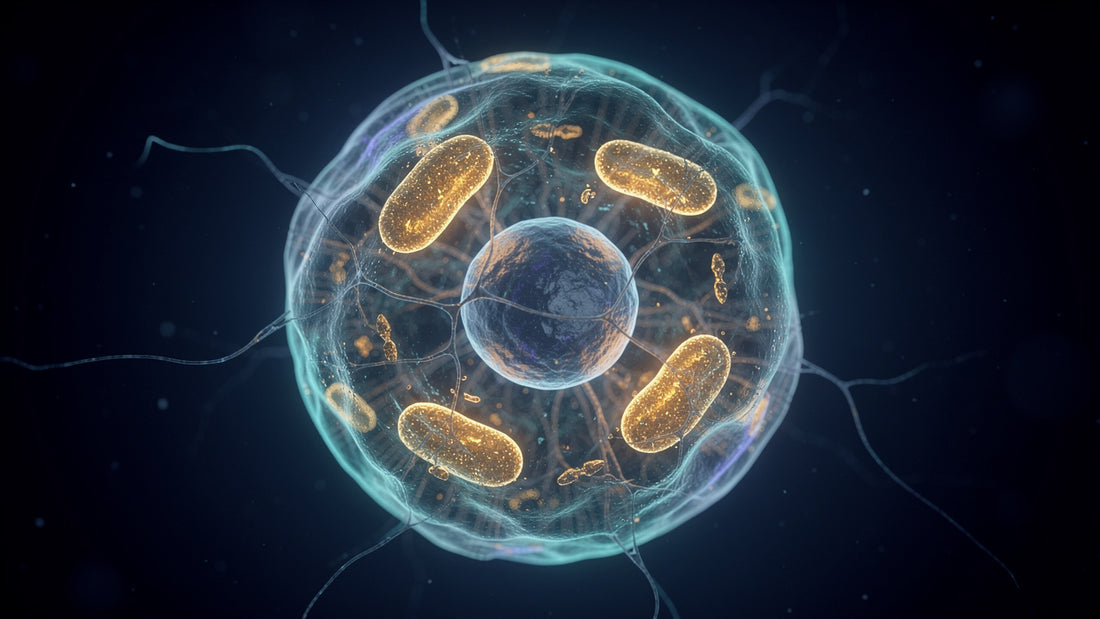
Cellular senescence is what happens when a cell reaches a point where it stops dividing for good. This can follow DNA damage, telomere shortening, or heavy stress from toxins or radiation. At first glance, this looks helpful: a damaged cell stops multiplying so it does not grow out of control. After an injury, short bursts of senescent cells can also support repair.
The problem appears when these cells stay put instead of being cleared. Senescent cells develop what researchers call the senescence-associated secretory phenotype, or SASP. That means they release:
- Inflammatory molecules (cytokines and chemokines)
- Enzymes that break down tissue structure
- Signaling proteins that disturb nearby healthy cells
Work from scientists like Dr. Judy Campisi and Dr. James Kirkland shows that when senescent cells build up in mice, age-related issues worsen. When researchers clear those cells, healthspan improves. Animals move better, their hearts and blood vessels work better, and they stay healthy for longer.
For a person in their 40s or 50s, this process shows up as slower workout recovery, stiff joints, weaker connective tissue, and more fatigue from the same training load. Anti-aging research points to senescent cells as one of the main reasons the body feels “older” even when habits have not changed.
Inflammaging: The Slow Burn That Accelerates Decline

Inflammation is useful in short bursts. It helps the body defend against germs and repair injuries. Inflammaging is different. It is a state of chronic, low-grade inflammation that creeps up with age even when no clear infection is present. Current anti-aging research links this background “slow burn” to nearly every major age-related health problem.
Several drivers feed inflammaging. SASP factors from senescent cells pour inflammatory signals into the blood. The immune system also drifts out of balance, with some cells becoming overactive while others weaken. Key pathways like NF-κB and the NLRP3 inflammasome stay switched on more than they should. Over years, this constant signal wears organs down.
Chronic, low-grade inflammation acts like background noise that quietly wears tissues down year after year.
This creates a tight feedback loop. Inflammation pushes more cells into a senescent state. Those senescent cells release more SASP, which raises inflammation even further. Anti-aging research shows that this loop speeds up age-related changes in the heart and blood vessels, the brain, blood sugar handling, and muscle.
For someone who cares about performance, inflammaging looks like higher resting soreness, more frequent “nagging” injuries, and a sense that recovery and mental resilience are not what they used to be. The important point is that both senescence and inflammaging are now targets. Diet, exercise, sleep, and specific compounds from anti-aging research can press on these pathways instead of just accepting them.
What Anti-Aging Research Says about Slowing the Clock
Once scientists saw that cellular senescence and inflammaging drive so much of aging, the next step was clear: can we slow parts of those processes? Modern anti-aging research is answering that with a growing list of interventions tested in animals and, more and more, in humans.
Two big themes stand out. One is to remove or quiet senescent cells directly. The other is to adjust the metabolic pathways that control how fast cells burn through resources and repair damage. Together, these areas of anti-aging research are moving aging biology out of theory and into early clinical practice.
Senolytics and Emerging Therapies

Senolytics are drugs and natural compounds designed to push senescent cells into apoptosis, which is a clean form of cell death. Since these cells cause harm once they hang around, clearing them out can refresh the tissue environment. Anti-aging research in the past decade has pushed senolytics from cell dishes to animal models and now into small human trials.
The first widely known senolytic combination was dasatinib plus quercetin (D+Q). In mice, D+Q lowered senescent cell burden and extended healthspan. Early human studies have been encouraging. In a small study of adults with a chronic lung condition, intermittent D+Q improved walking distance and physical function. In another small study, a short D+Q course reduced senescent cells in fat and skin and lowered SASP markers in the blood.
Another widely studied natural compound is fisetin, a flavonoid found in strawberries and other fruits. In animal work, fisetin cut senescent cell numbers, improved artery function, and supported memory. Clinical trials are now looking at its effects on joint comfort, frailty, and vascular health. These projects mark a new phase where anti-aging research tests senolytics in real-world conditions.
In early research, scientists are adapting CAR T-cell therapy and even senolytic vaccines to target markers on senescent cells. Early animal data shows that these precision tools can clear senescent cells and improve organ function. While these ideas are not yet ready for general use, they show where anti-aging research is heading. These approaches belong firmly in research settings, not in do-it-yourself protocols.
Calorie Restriction Mimetics and Metabolic Interventions
For decades, one of the most repeatable findings in anti-aging research has been calorie restriction, or CR. When animals eat fewer calories without malnutrition, they tend to live longer and stay healthier. CR influences pathways that sense energy and nutrients, such as AMPK, mTOR, and sirtuins. Most people cannot live on strict CR, so scientists look for calorie restriction mimetics, or CRMs.
Metformin is a leading example. It activates AMPK, improves insulin sensitivity, and lowers some inflammatory signals. People who take metformin for blood sugar often do as well or better than peers who do not need it. The large TAME trial is now testing whether metformin can delay several age-related health problems in adults with normal blood sugar. It is one of the most watched projects in human anti-aging research.
Rapamycin targets mTOR, a pathway that tells cells when to grow and when to conserve resources. In many animal studies, rapamycin extends lifespan. The Dog Aging Project is using it in pet dogs to see if it improves healthspan. Rapamycin does have side effects, including effects on immune function, so its use as a general longevity drug is still debated.
Resveratrol is a plant compound that activates sirtuin pathways, which depend on NAD+. In rodents, resveratrol can support bone health and protect the brain in some models of brain aging. Human data is mixed, but it helped guide later anti-aging research into NAD+ biology.
Dietary patterns can hit similar switches. A Fasting-Mimicking Diet uses short cycles of low-calorie intake to mimic CR benefits. Time-Restricted Eating lines up eating with circadian rhythms by keeping food within a daily time window. These patterns are more realistic for busy people and pair well with smart supplementation.
|
Intervention |
Main Target Pathway |
Current Evidence Level |
|---|---|---|
|
Metformin |
AMPK |
Large human trials under way |
|
Rapamycin |
mTOR |
Strong animal data, dog trial active |
|
Resveratrol and related |
Sirtuins / NAD+ |
Mixed human data, strong in animals |
Any drug-level CRM should be used only with medical guidance, even if anti-aging research behind it looks promising.
The NAD+ Imperative: Why Cellular Energy Is Central to Longevity
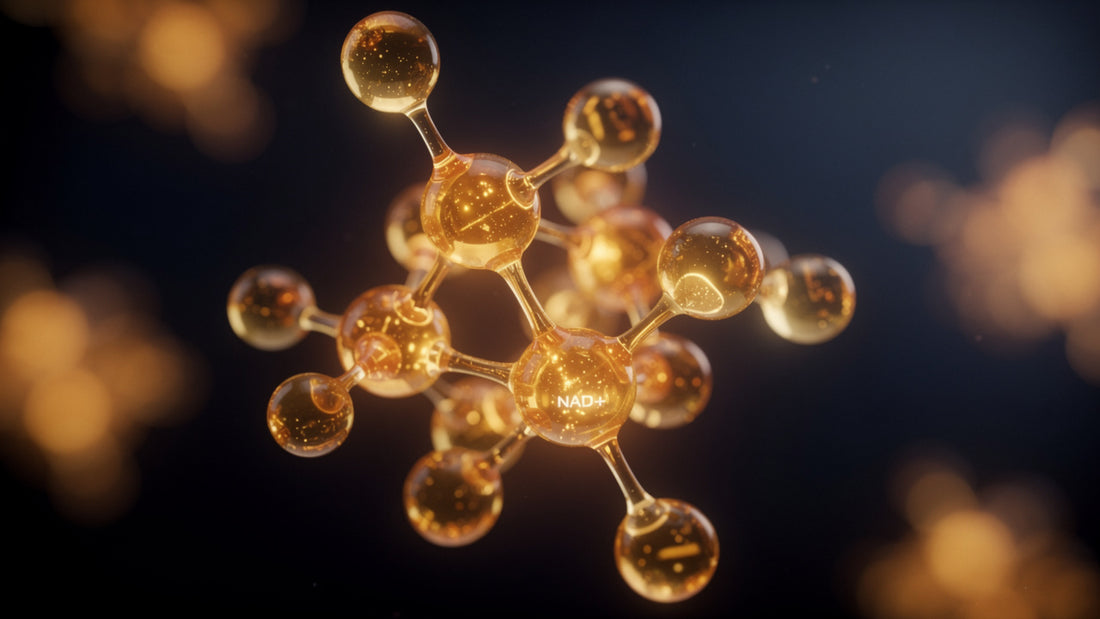
If there is one molecule that keeps showing up across modern anti-aging research, it is NAD+ (nicotinamide adenine dinucleotide). NAD+ sits at the heart of how cells make energy, repair DNA, and respond to stress. It also fuels sirtuins and other enzymes tied to longevity.
NAD+ levels fall sharply with age. By middle age, many people have far less NAD+ than they did in their twenties. At the same time, enzymes such as CD38, which break down NAD+, become more active, especially under chronic inflammation. Anti-aging research links this drop to weaker mitochondrial function, more oxidative stress, and a slower repair response after injury or intense training. Urolithin A works on a related step, clearing worn-out mitochondria; see urolithin A benefits.
Mitochondrial quality is the other half of that story. Urolithin A has small human trials for mitophagy and muscle endurance, and spermidine supports autophagy; our Urolithin A + Spermidine Capsules combine both (join the waitlist).
Human trials show that taking NAD+ precursors by mouth can raise blood NAD+ levels. Two of the best studied are NMN (nicotinamide mononucleotide) and NR (nicotinamide riboside). Trials have found that NMN can improve muscle insulin sensitivity in women with above-normal blood sugar. NR has lowered some inflammation markers in other groups.
NAD+ matters because so many vital tasks depend on it. When levels fall, cells must choose between competing priorities such as:
- Making ATP in the mitochondria
- Repairing DNA damage through PARP enzymes
- Activating sirtuins and other stress-response enzymes
- Maintaining healthy redox balance inside the cell
If you think of your cells as factories, NAD+ is the currency they use to pay for work.
Over decades, that shortfall builds up as fatigue, weaker recovery, and higher health risks. Anti-aging research suggests that shoring up NAD+ can tilt this balance back toward repair and resilience.
Delivery method is a big part of the story. Raising NAD+ in the blood is one thing. Getting meaningful levels into the brain, muscles, and organs is harder. IV programs hit the bloodstream fast but are costly and time-consuming. Oral capsules are easier but face absorption limits. That is why new approaches in anti-aging research also focus on bioavailability, how much actually reaches the tissues that matter.
NAD+ is not magic by itself. It works best when combined with good sleep, smart training, and lower inflammation. But among all the switches mapped by modern anti-aging research, supporting NAD+ and protecting it from breakdown is one of the most practical and accessible moves for real people.
For which supplements have the strongest human evidence for healthy aging, see our guide to the best anti-aging supplements backed by human research.
How Synchronicity Health Translates the Research into Action

Knowing the science is one thing. Turning anti-aging research into daily habits and precise, high-quality support is another. Synchronicity Health was built for people who read the data, push their performance, and want tools that match that level of intent.
The brand’s approach starts with a systems view. Instead of chasing single “magic bullet” ingredients, Synchronicity Health focuses on cellular energy, metabolic control, and nervous system balance as linked targets. A clean-label standard grounded in aging biology guides formulations, so doses and combinations line up with current anti-aging research and with what real people can use day after day.
NAD+ sits at the center of this approach. Enhanced NMN provides a strong base of NAD+ precursor to support mitochondrial energy and DNA repair. For people who want an at-home option, the NAD+ Nasal Spray is absorbed through the lining of the nose instead of being swallowed like a capsule, so some of each dose skips digestion, and it is designed for high bioavailability without the hours in a chair or the clinic price tag. NAD+ supports focus and steady energy, in line with how anti-aging research describes NAD+ action in the brain.
The Sync Stacks take this further. These are suggested combinations, such as NMN with NAD+ nasal spray and metabolic support, aimed at goals like focus, training recovery, or long-term healthspan. The newest Sync Stack thinking goes beyond capsules. It pairs NAD+ support with guidance on resistance training and protein intake to counter age-related anabolic resistance, support sleep, and back up the body’s own repair signals. The healthspan-focused version of that approach is the Longevity Sync Stack.
Metabolic control is another pillar. The Berberine Blend supports healthy blood sugar levels, with berberine, Ceylon cinnamon, bitter melon and chromium in each serving. For periods of high stress, Glutathione Nasal Spray adds targeted antioxidant support right where it is needed most.
Synchronicity Health backs all this with third-party tested ingredients and labels that list the amount of each one, so people can see exactly what they are taking. For busy professionals and athletes who rely on their bodies and brains, that matters.
|
Product |
Primary Function |
Key Benefit for Longevity and Performance |
|---|---|---|
|
Enhanced NMN |
NAD+ precursor support |
Better cellular energy and DNA repair capacity |
|
NAD+ Nasal Spray |
High-absorption NAD+ support |
A needle-free alternative to NAD+ IV, at home, for focus and energy |
|
Sync Stacks |
Coordinated NAD+, metabolic, and lifestyle support |
Integrated plan for recovery, sleep, and healthspan |
|
Berberine Blend |
Metabolic support |
Supports healthy glucose metabolism |
|
Glutathione Nasal Spray |
Targeted antioxidant support |
Extra antioxidant defense during heavy stress |
Because nasal sprays avoid the time and cost of IV clinics, they provide a practical way to apply anti-aging research on NAD+ without derailing a busy schedule.
Conclusion
Modern anti-aging research has changed how serious thinkers see aging. It is no longer just an unavoidable drift downward. It is a set of biological processes, cellular senescence, inflammaging, and NAD+ decline, that we can measure and influence.
By focusing on biological age rather than birthdays, it becomes clear who is aging fast and who is aging slowly. Understanding and targeting senescent cells and chronic inflammation helps explain why some people feel “old” at 40 while others stay sharp and strong much longer. Supporting the NAD+ and mitochondrial axis ties those insights together in a way that matches what performance-focused people feel every day.
As the saying goes:
What gets measured gets managed, and aging biology is no exception.
Synchronicity Health steps in at that point where science meets real life. With clean-label formulas, high-bioavailability NAD+ support, and system-based Sync Stacks, the brand offers practical tools rooted in current anti-aging research. They are designed for people who want to stay in the game longer, think more clearly, and keep training hard without relying on expensive clinic programs.
The best time to act on this science is before decline becomes obvious, and the next best time is right now. Moving from passive aging to active healthspan maintenance starts with understanding the research and then putting the right support in place.
Sources
- Justice JN et al. Senolytics in idiopathic pulmonary fibrosis: results from a first-in-human, open-label, pilot study. EBioMedicine, 2019. PubMed
- Hickson LJ et al. Senolytics decrease senescent cells in humans: preliminary report from a clinical trial of dasatinib plus quercetin in individuals with diabetic kidney disease. EBioMedicine, 2019. PubMed
- Yoshino M et al. Nicotinamide mononucleotide increases muscle insulin sensitivity in prediabetic women. Science, 2021. PubMed
- Zhang Z et al. A new clinical age of aging research. Trends in Endocrinology and Metabolism, 2025. ScienceDirect
FAQs
What is biological age, and can it actually be reversed?
Biological age describes how well a person’s cells, tissues, and organs function compared with what is typical for their chronological age. Scientists often measure it with epigenetic clocks that track DNA methylation patterns linked to aging. Current anti-aging research shows that biological age is not fixed. Changes in diet, resistance training, sleep habits, stress control, and targeted supplementation can shift these biomarkers toward a younger profile, and some trials report several “years” of biological age reduction.
What does anti-aging research say about NAD+ and longevity?
NAD+ decline is one of the most consistent findings in modern anti-aging research. As NAD+ levels fall, mitochondrial energy production, DNA repair, and sirtuin activity all suffer. Human studies show that precursors like NMN and NR safely raise blood NAD+ and may improve insulin sensitivity and lower some inflammation markers in some groups. The research also points out that bioavailability and delivery method matter a lot. Sirtuins and other longevity enzymes depend on NAD+, so supporting it is a central theme in many longevity studies.
What are senolytics, and are they safe for human use?
Senolytics are compounds that push senescent cells into programmed cell death while sparing normal cells. Early anti-aging research with drugs such as dasatinib plus quercetin showed better physical function and lower SASP markers in small studies of adults with chronic health conditions. Fisetin, a plant flavonoid, is under active study as well. Most drug-level senolytics are still in early trial phases and should not be used without medical supervision. Natural flavonoids are more accessible but still need larger human trials to define ideal dosing and long-term safety.
How is Synchronicity Health different from other NAD+ supplement brands?
Synchronicity Health bases its products on anti-aging research and a clean-label standard focused on aging biology and metabolic health. That means ingredient choices and doses follow current data, not trends. The company also uses advanced nasal delivery for NAD+ and glutathione, absorbed through the lining of the nose instead of being swallowed like a capsule, without the cost or time of IV programs. Products are made with third-party tested ingredients, and every ingredient amount is listed plainly on the label. Finally, the Sync Stack system offers coordinated support rather than scattered single-ingredient picks.
What lifestyle factors have the strongest evidence for slowing aging?
Across modern anti-aging research, several habits show the most reliable benefits:
- Regular resistance training to maintain muscle mass and support insulin sensitivity
- Adequate protein intake to back muscle repair and counter age-related muscle loss
- Time-restricted eating to align metabolism with circadian rhythms and ease inflammaging
- Consistent, high-quality sleep to support hormone balance and cellular repair
- Steady stress-management practices (such as meditation, breathwork, or therapy) to keep inflammatory pathways like NF-κB and NLRP3 quieter
When paired with targeted support such as Synchronicity Health’s Sync Stacks, these habits form a solid base for long-term healthspan.
Featured in this article
NAD+ Nasal SpraySupports cellular energy, focus and healthy aging. A needle-free alternative to NAD+ IV.
Shop NAD+ Nasal SprayThird-party tested ingredients. Vegan, non-GMO, made in the USA.


Leave a comment
All comments are moderated before being published.
This site is protected by hCaptcha and the hCaptcha Privacy Policy and Terms of Service apply.