
Introduction
Misplacing a word in the middle of a meeting or rereading the same email three times can feel strange when everything else in life looks dialed in. Many high performers notice more brain fog, slower recall, and mental fatigue long before anything shows up on a scan or lab test. That’s often a sign that the brain’s growth and repair systems are not keeping up with daily demand.
One of the most important of those systems is driven by a protein called brain-derived neurotrophic factor (BDNF). Neuroscientists sometimes call it “fertilizer for the brain” because it helps nerve cells stay alive, grow new branches, and form stronger connections with each other. When BDNF is high, the brain adapts, learns, and bounces back from stress much more easily.
The encouraging news is that BDNF is not fixed. Levels shift with age, stress, movement, sleep, and even light exposure. In this guide, we walk through what brain-derived neurotrophic factor actually is, why low levels show up as brain fog and slower thinking, and the most effective ways to raise it through lifestyle and smart supplementation. By the end, you’ll have a clear, science-backed plan to support sharper thinking now and stronger cognitive function over the long term.
Your daily habits write the instructions your brain follows.
Key Takeaways
-
BDNF Powers Brain Plasticity
BDNF, or brain-derived neurotrophic factor, is a protein that keeps neurons alive, supports their growth, and helps them form new connections. It acts like growth support for the wiring in the brain, which means it sits at the heart of learning, memory, and resilience. When BDNF is working well, the brain stays flexible instead of stuck. -
BDNF Is Concentrated in Key Brain Regions
BDNF is most concentrated in the hippocampus and cortex, areas that manage memory, focus, and decision making. These regions shape how quickly new skills settle in and how easily memories come back when needed. Higher BDNF in these zones is linked with better long term brain performance. -
Modern Habits Can Lower BDNF
BDNF levels drop with age, chronic stress, lack of movement, and highly processed food patterns. That drop is tied to slower recall, lower mood, and higher risk for age related cognitive problems. The important point is that many of these triggers sit inside daily control. -
Lifestyle Shifts Can Raise BDNF
Consistent movement, targeted nutrition, mental challenges, good sleep, and wise stress management all raise BDNF. These habits work together, so even small upgrades in several areas can create noticeable changes in clarity and energy. Strategic supplements can then stack on top of that base. -
Synchronicity Health Supports Neurotrophic Pathways
Synchronicity Health offers Lion’s Mane, NAD+ Nasal Spray, and Sync Stacks that support neurotrophic pathways and neuronal energy. Products are built to a clean-label standard, made with third-party tested ingredients, and designed for consistent use at home, which makes them a strong option for people serious about brain performance.

Featured in this article
Clarity Nasal SprayNAD+, Alpha GPC, Huperzine A and vitamin B12 in one nasal spray for focus.
Shop Clarity Nasal SprayThird-party tested ingredients. Vegan, non-GMO, made in the USA.
What Is Brain-Derived Neurotrophic Factor?
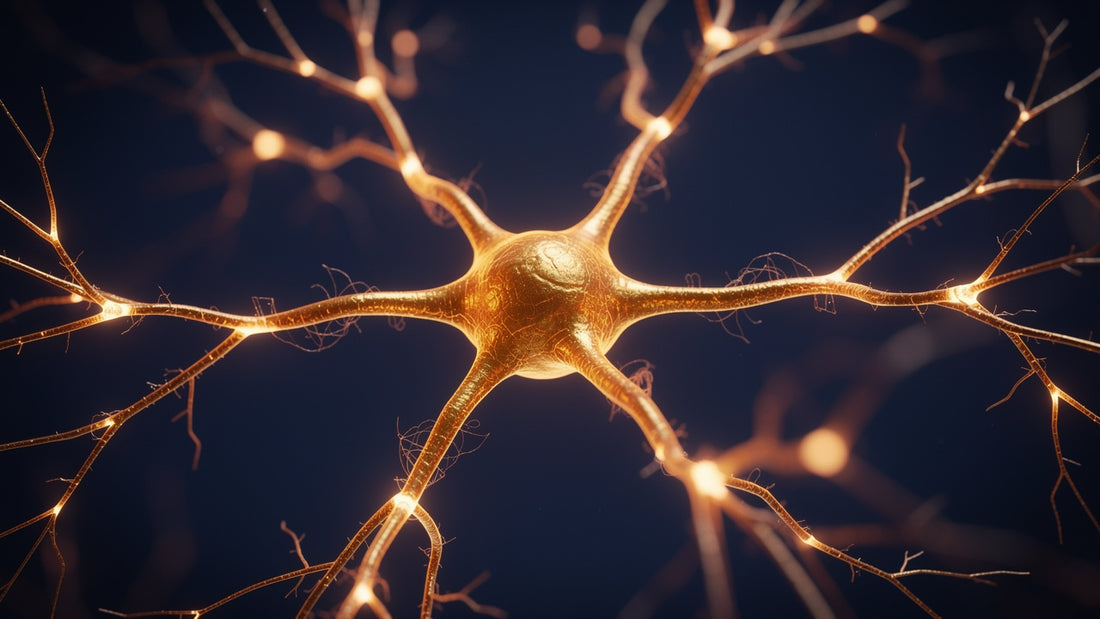
Brain-derived neurotrophic factor is part of a family of proteins called neurotrophins that guide the life cycle of nerve cells. Along with nerve growth factor (NGF) and a few related proteins, BDNF tells neurons when to grow, when to branch, and when to stay alive under stress. If you think of the brain as a living network of trees, BDNF is a key growth signal that keeps roots and branches healthy.
On a basic level, BDNF does three main jobs:
- helps existing neurons survive daily wear and tear
- supports neurogenesis, the birth of new neurons
- drives synaptogenesis, the formation of new synapses where cells talk to each other
These changes are the physical side of learning and memory. When a new skill “clicks,” it’s because synapses have been strengthened, and BDNF is a big part of that process.
BDNF is not spread evenly in the nervous system. It’s especially active in the hippocampus, cortex, and basal forebrain, which control learning, memory, and higher thinking. It also shows up outside the brain, in places like the retina, kidneys, skeletal muscle, and heart. That wide reach tells us that brain-derived neurotrophic factor matters for whole body health, not just mental performance.
Inside the brain, BDNF works by binding to a receptor on neurons called TrkB. When BDNF locks onto TrkB, it flips on several signaling pathways inside the cell that:
- increase energy production
- turn on growth-related genes
- protect against programmed cell death
The end result is a neuron that’s more resilient, more connected, and better able to adapt to changing input. This is one of the core mechanisms behind neuroplasticity, the brain’s capacity to change its structure and function based on experience.
Animal studies highlight how important this is. Mice that are engineered so they cannot make BDNF develop severe nervous system problems and usually do not survive. That may sound extreme, but it shows how central this protein is to normal brain development and lifelong brain health.
Without neurotrophic factors like BDNF, the brain’s wiring can’t adapt to what life demands.
Why BDNF Levels Decline, And Why It Matters

BDNF is not a set number. Levels rise and fall constantly in response to daily choices, stress loads, sleep, and genetics. For many people between thirty and fifty five, several forces tend to push brain-derived neurotrophic factor down at the same time.
Age is one factor. As we get older, baseline BDNF slowly drifts lower, which lines up with slower learning, weaker neuroplasticity, and more trouble bouncing back after poor sleep or high stress. Chronic psychological stress adds another hit. In animal studies, sustained high stress hormones lower BDNF in the hippocampus. This is one reason burnout often feels like a mix of low mood and brain fog.
Lifestyle plays a major part as well. Long hours of sitting with little structured exercise reduce BDNF signals from muscle to brain, so the nervous system misses a regular “maintenance reminder.” Diet can pull levels down when it centers on sugar, processed snacks, and low omega-3 intake. Over time, that pattern can raise inflammation and lower support for neurotrophic factors.
Creatine, best known for strength training, is also being studied for brain energy; our guide to creatine and cognitive health covers what the research shows, and our Creatine Monohydrate Powder is coming soon.
Sleep and light exposure matter too. Fragmented sleep and late-night screen time can disrupt circadian rhythm and stress the hippocampus, which may reduce BDNF over time.
A genetic twist known as the Val66Met polymorphism adds another layer. This common change in the BDNF gene shifts one amino acid in the protein and makes activity based release of BDNF less efficient. People who carry this variant often have slightly lower secreted BDNF and can be more prone to memory issues and worry, and may see more age-related changes in memory, especially if lifestyle stressors pile up.
Common factors that tend to lower BDNF include:
- aging without protective lifestyle habits
- chronic psychological or physical stress
- long periods of sitting with minimal structured movement
- diets high in refined sugar and processed oils
- low omega-3 and low-quality fat intake
- poor or irregular sleep patterns
- certain genetic variants such as Val66Met
Low BDNF doesn’t only show up in lab values. It often feels like:
- mental fatigue after simple tasks
- words that won’t come when needed
- slower skill acquisition at work or in sports
- heavier mood swings or flat motivation
- more “tip of the tongue” moments during conversations
Research on low mood points to this link as well, through what’s called the neurotrophic hypothesis, which connects reduced BDNF with loss of hippocampal volume and low mood. The important part is that many of the levers that lower BDNF can be shifted, which turns this from a fixed problem into a workable target.
How to Boost Your BDNF Levels Naturally

The most encouraging part of the brain-derived neurotrophic factor story is how responsive it is. Even a single workout can nudge levels up, and steady changes in movement, food, and sleep can create meaningful shifts over weeks. Here are the most reliable, science backed ways to raise BDNF without a prescription.
-
Move On Purpose Most Days
Aerobic exercise is the strongest known lifestyle signal for BDNF. Activities like brisk walking, running, cycling, or swimming send a message from working muscles to the brain that more growth support is needed. Even thirty minutes at a moderate pace a few times per week can raise BDNF, and longer habits build brain protection over time.
Mixing in resistance training seems to add extra benefit for both strength and cognition. Short interval sessions and “exercise snacks” during the day also help if your schedule is tight.Think of your workouts as appointments for your brain, not just your body.
-
Use Food And Fasting As Tools
Omega-3 fats, especially DHA from fish, support healthy BDNF levels and help neurons build flexible cell membranes. Vitamin B3 (niacin) may support both BDNF and its TrkB receptor, which means better use of the protein that’s already present.
Some people also use gentle caloric restriction or time-restricted eating, which has been linked with stronger neuron resilience and higher BDNF signaling. At the same time, cutting back on refined sugar, processed snacks, and damaged oils removes common roadblocks to brain health. -
Train The Brain With Challenge And Novelty
The brain makes more BDNF when neurons are active and engaged. Learning a language, instrument, or new sport, or even tackling complex work projects, sparks patterns of firing that call for more growth factor.
Environments rich in novel sights, sounds, and ideas support BDNF better than long stretches of passive screen time. The key is steady exposure to things that feel slightly hard but not overwhelming, what psychologists sometimes call the “learning edge.” -
Protect Sleep And Lower Chronic Stress Load
Deep, high quality sleep is when the brain clears waste, repairs cells, and resets many growth signals. Poor sleep undermines BDNF and sets up a cycle of more stress and more fatigue. Simple steps like consistent bedtimes, a dark cool room, and limiting late caffeine can make a real difference.
On the stress side, practices like slow breathing, mindfulness, or even a quiet walk help bring cortisol down, which removes one of the main brakes on BDNF production. Many people also find benefit in short, regular breaks during the workday rather than grinding for hours without pause. -
Get Regular Light And Time Outdoors
Natural light, especially in the morning, supports circadian rhythm and may raise BDNF expression in parts of the brain tied to vision and mood. Short outdoor breaks during the workday combine movement, light, and stress relief in one block of time.
Even ten to fifteen minutes can help signal the nervous system that the environment is safe and active, which favors better brain plasticity and emotional stability.
None of these habits have to be perfect to matter. Small, repeatable steps in each area can add up to a noticeable change in clarity, energy, and resilience as brain-derived neurotrophic factor climbs.
How Synchronicity Health Supports BDNF And Brain Health

Lifestyle is the base layer for strong BDNF, yet many people want extra help, especially when they push for high performance or carry genetic and absorption challenges. That’s where targeted, science driven products can support the same pathways that brain-derived neurotrophic factor runs on.
At Synchronicity Health, products are built to a clean-label standard and manufactured under strict quality standards with third party testing. The focus is on nasal sprays and stacked protocols because nasal sprays reach the bloodstream quickly and are easy to use at home, without clinic visits. This model brings clinic level tools for brain support into daily home use.
-
Lion’s Mane Mushroom
The Lion’s Mane Mushroom formula is designed to support nerve growth factor (NGF) and neurogenesis, which sit in the same family of neurotrophic signals as BDNF. Lion’s Mane is often described as fertilizer for nerve cells because it promotes growth and branching of neurons rather than acting like a stimulant. Taken regularly, it serves as a long term ally for neuroplasticity, helping the brain build and maintain healthy wiring. -
NAD+ Nasal Spray And NMN
NAD+ Nasal Spray and Enhanced NMN products target the energy side of brain health. NAD+ is central for mitochondrial ATP production, DNA repair, and sirtuin activity in neurons. When NAD+ falls with age, brain cells feel tired and less responsive to BDNF and related growth signals.
NAD+ delivered through the nasal route is absorbed through the lining of the nose instead of being swallowed like a capsule, so some of each dose skips digestion and it reaches the bloodstream quickly. -
Methyl B12 Nasal Spray
The Methyl B12 Nasal Spray supports mitochondrial function, nerve conduction, and cellular recovery. The spray is absorbed through the lining of the nose instead of being swallowed like a tablet, so some of each dose skips digestion. Better B12 status supports the energy and repair background that neurons need in order to respond to BDNF.
For those who prefer a guided structure, Sync Stacks combine these tools into clear, goal based protocols for focus, athletic output, and sleep support. Stacks are built to avoid overlap and to support several mechanisms at once, such as:
- neurotrophic factors like BDNF and NGF
- mitochondrial energy production
- neurotransmitter balance
- circadian rhythm and sleep quality
By bringing nasal NAD+, Lion’s Mane, methyl B12, and related sprays together, Synchronicity Health offers an at home path that mirrors many of the benefits people seek from pricey IV clinics, at a fraction of the cost and time.
Conclusion

BDNF, or brain-derived neurotrophic factor, sits near the center of how the brain learns, adapts, and stays strong with age. When this protein is plentiful and active, neurons survive stress more easily, form new connections faster, and support clearer thinking and steadier mood.
Age, stress, long hours of sitting, and processed food can all push BDNF down, but that slide is not fixed. Regular movement, smart nutrition, mental challenge, solid sleep, and practical stress tools all pull in the other direction. Thoughtful supplementation can then support the same pathways from a different angle.
The habits that support your heart often support your brain as well.
If long term cognitive performance matters, now is the time to act rather than wait for problems to show up on a scan. Synchronicity Health’s Lion’s Mane, NAD+ Nasal Spray, Methyl B12, and Sync Stacks can fit into a complete, science grounded strategy to support BDNF related pathways and brain health for the years ahead.
Sources
- Erickson KI et al. Brain-derived neurotrophic factor is associated with age-related decline in hippocampal volume. Journal of Neuroscience, 2010. PubMed
- Szuhany KL et al. A meta-analytic review of the effects of exercise on brain-derived neurotrophic factor. Journal of Psychiatric Research, 2015. PubMed
- Azman KF et al. Recent advances on the role of brain-derived neurotrophic factor (BDNF) in neurodegenerative diseases. International Journal of Molecular Sciences, 2022. PubMed
Featured in this article
Clarity Nasal SprayNAD+, Alpha GPC, Huperzine A and vitamin B12 in one nasal spray for focus.
Shop Clarity Nasal SprayThird-party tested ingredients. Vegan, non-GMO, made in the USA.
FAQs
What Is The Difference Between BDNF And NGF?
BDNF and nerve growth factor (NGF) both belong to the neurotrophin family, yet they focus on slightly different nerve populations. NGF mainly supports peripheral nerves and certain cholinergic neurons in the basal forebrain. BDNF has wider expression in the hippocampus, cortex, and cerebellum, where it shapes learning and memory.
Lion’s Mane from Synchronicity Health supports NGF pathways, which makes it a strong partner for lifestyle habits that raise BDNF.
Can I Test My BDNF Levels?
Yes, BDNF can be measured in blood with an ELISA based lab test, usually using serum or plasma. These numbers reflect circulating BDNF and do not mirror brain levels perfectly, yet they can still show helpful trends over time. Some people track these labs while adjusting exercise, diet, and supplements. Researchers are also working on less invasive sensor methods that may make BDNF tracking much easier in the future.
How Quickly Can Lifestyle Changes Affect BDNF Levels?
Single sessions of aerobic exercise can increase BDNF within hours, and regular training over several weeks tends to build stronger, more stable gains. Nutrition, supplements such as Lion’s Mane for NGF related support, and NAD+ Nasal Spray for neuronal energy work best as steady daily habits. Improvements in sleep quality can support BDNF related repair within days, especially when they replace long periods of sleep debt.


Leave a comment
All comments are moderated before being published.
This site is protected by hCaptcha and the hCaptcha Privacy Policy and Terms of Service apply.