
Article Introduction
The human brain holds around eighty-six billion neurons, each linked to about a thousand others in a vast electrical web. Even while you read this sentence, that network is shifting, strengthening, and trimming connections. This ongoing reshaping sits at the heart of neuroplasticity and learning.
For a long time people were told that intelligence was fixed and the brain “set” after childhood. Neuroscience shows the opposite. The adult brain keeps forming new pathways, adjusting old ones, and even routing around damage. That matters for anyone who wants faster skill growth, sharper recall, or better focus through long days.
At Synchronicity Health, we see the brain as living hardware and software at the same time. With the right inputs, it runs cleaner, learns faster, and stays resilient for years. In this guide, we walk through the science behind neuroplasticity and learning, the four lifestyle pillars that drive it, what shuts it down, and how research-based supplements can support results without the clinic price tag.
Key Takeaways
- Neuroplasticity is the brain’s built-in ability to rewire itself throughout life. It shapes how fast new skills stick, how well memories hold, and how smoothly attention shifts. Day-to-day choices either support or slow this process.
- Four lifestyle pillars matter most for neuroplasticity and learning: consistent movement, brain-friendly nutrition, deep sleep, and regular mental challenge. Together they give neurons the energy and stimulation they need to form and refine new pathways.
- The biggest brakes on brain change are chronic stress and poor sleep. Both raise cortisol, weaken synapses, and shrink motivation to practice hard things. Simple tools such as breathwork, morning light exposure, and a wind-down routine can lower this load.
- Thoughtful supplementation can raise the ceiling for neuroplasticity and learning. High-quality ingredients with strong bioavailability do not replace habits, but they can support cell energy, neurotransmitters, and nerve repair so gains come faster and last longer.

Featured in this article
Clarity Nasal SprayNAD+, Alpha GPC, Huperzine A and vitamin B12 in one nasal spray for focus.
Shop Clarity Nasal SprayThird-party tested ingredients. Vegan, non-GMO, made in the USA.
What Is Neuroplasticity and Why Does It Matter for Learning?
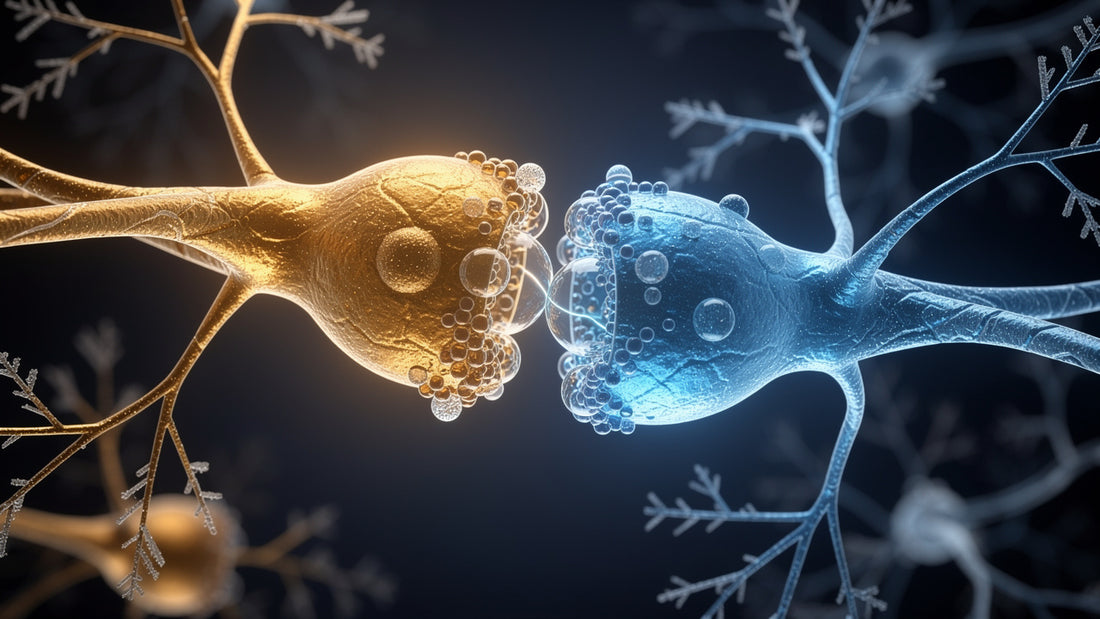
Neuroplasticity is the brain’s ability to reorganize itself by forming, weakening, or rerouting connections between neurons. In plain terms, it is how experience changes the physical wiring of the brain. Every time a new name sticks, a chord progression feels easier, or a lift pattern becomes automatic, neuroplasticity and learning are working together.
At the cellular level, neurons talk to each other at synapses, tiny gaps where chemical messengers move from one cell to the next. When a set of neurons fires together again and again, the connection between them grows stronger and more efficient. This idea, called Hebbian theory, explains why repetition with attention makes future firing along that pathway faster and more likely.
"Neurons that fire together wire together." (Donald Hebb, Psychologist)
Neuroplastic changes show up in more than one way. Researchers often describe:
- Structural plasticity, meaning physical shifts such as extra gray matter in areas that handle a new skill, like the finger regions of musicians.
- Functional plasticity, meaning changes in how brain regions light up for a task, for example when one area steps in to help after a brain injury.
The brain also trims connections through synaptic pruning. This process removes weak or unused links, a kind of use it or lose it clean-up, so important circuits can run with less noise. A major support for all of this is a protein called brain-derived neurotrophic factor (BDNF). BDNF helps neurons survive, grow branches, and form synapses, and low levels are linked with slower thinking and memory loss. Over the years, steady engagement with hard tasks builds what researchers call cognitive reserve, the extra capacity that helps the brain stay sharp despite age or stress.
Four Lifestyle Pillars That Actively Boost Neuroplasticity and Learning

If neuroplasticity is the brain’s change engine, lifestyle is the fuel mix. We focus on four pillars that research supports again and again, because together they give the nervous system what it needs to support strong neuroplasticity and learning.
Those four pillars look like this in daily life:
- Movement And Exercise: Regular physical exercise sits at the top of that list. Aerobic movement such as brisk walking, cycling, or swimming raises BDNF, boosts blood flow, and encourages the birth of new neurons in the hippocampus, a key memory hub. Health guidelines suggest at least one hundred fifty minutes per week of moderate activity, and adding some strength work supports hormone balance and insulin control that also help the brain.
"Exercise is like fertilizer for the brain." (John J. Ratey, MD)
- Brain-First Nutrition: Nutrition is the second pillar. The brain makes up about two percent of body weight yet uses around twenty percent of resting energy. Diet patterns such as the Mediterranean and MIND plans, rich in leafy greens, berries, fatty fish, nuts, olive oil, and whole grains, are linked with healthier brain aging. In contrast, heavy intake of refined sugar and saturated fat can lower BDNF and dull neuroplastic responses. Key micronutrients include methyl B12 nasal spray, folate, and antioxidants that limit oxidative stress inside neurons.
- Restorative Sleep: The third pillar is sleep. During seven to nine hours of quality sleep, the brain moves memories from short-term buffers into long-term networks and flushes metabolic waste through the glymphatic system. When sleep runs short, the brain reads that as stress, synapses weaken, and attention and decision-making suffer the next day. Simple habits help, such as a consistent sleep and wake time, a cool dark room, no heavy meals at night, and cutting screens and caffeine before bed.
- Mental Stimulation And Novelty: The fourth pillar is mental stimulation and novelty. The brain strengthens the routes it uses most, so regular exposure to new and slightly hard tasks is key for neuroplasticity and learning. That might mean starting a new language, picking up an instrument, solving strategy puzzles, or exploring new neighborhoods instead of repeating the same path. Music deserves special mention because it activates many areas of the brain at once and boosts dopamine, the reward signal that tags experiences as worth repeating. The rule is simple: once a task feels automatic, raise the level of difficulty or switch to something new.
What Inhibits Neuroplasticity and How to Overcome It

Just as some inputs power neuroplasticity and learning, others press hard on the brakes. The goal is not perfection but awareness, so we can reduce the biggest blockers and free up room for the brain to adapt.
Chronic stress is the strongest disruptor. Long periods of high pressure keep cortisol elevated, and that hormone can shrink dendrites, slow synapse growth, and blunt memory circuits. We cannot remove all stress, yet we can change how the nervous system processes it. Short daily practices are enough to calm the stress response and support healthier wiring over time, for example:
- ten slow breaths
- a quiet walk without a phone
- a brief mindfulness session
Sleep loss adds a second hit. The brain treats repeated short nights as an ongoing threat, and the result looks very similar to chronic stress. Learning does not stick as well, focus drifts, and reaction time slows. Protecting a regular sleep window, even if the total hours are not perfect at first, can restore plasticity much faster than many people expect.
There are also more subtle barriers. When tasks are too easy, or when help arrives the moment a problem feels hard, the brain does not need to build new connections. This learned helplessness keeps circuits weak. On the other end, constant noise and information overload, like blaring television, frequent alerts, and endless scrolling, make it harder for the brain to consolidate what matters. Quiet work blocks or calm background music, used on purpose rather than by default, support deeper learning.
Chemistry matters as well. Anything that disturbs dopamine signaling, including ongoing low mood, can interfere with the reward loop that encourages us to keep practicing. Nutrient gaps, especially low B12, can slow nerve conduction and recovery. People who follow plant-based diets or have digestive issues are at higher risk. In those cases, checking levels with a clinician and bringing them back to normal is a smart first step for anyone serious about improving neuroplasticity and learning.
How Targeted Supplementation Can Amplify Neuroplasticity and Learning

We see supplements as amplifiers, not magic fixes. The core drivers of neuroplasticity and learning are still movement, food, sleep, and challenge. When those are in place, the right compounds can give neurons better energy, cleaner signals, and raw materials for repair, which may support the gains from practice.
The problem is that many brain products fall short. They use under-dosed ingredients, forms the gut does not absorb, or blends with no meaningful science behind them. That gap is why we built Synchronicity Health around clean-label formulas and advanced delivery methods. Our formulations focus on systems-level brain and nervous system support, and we use third-party tested ingredients screened for purity, potency, and contaminants. With our Sync Stack approach to NAD plus (NAD+), for example, people can get robust cell energy support at home for a fraction of the cost of regular IV sessions.
If you take medications or have significant health conditions, it is wise to discuss any new supplement plan with a qualified clinician before starting.
Key Ingredients That Support Neural Plasticity

Several Synchronicity Health formulas center on Lion’s Mane mushroom, a compound that supports nerve growth factors and healthy neurotransmitter balance. Our Clarity formulation pairs Lion’s Mane with Epimedium extract and Huperzine A, which are studied for focus and memory support. For a gentler daily ritual, our Forage mushroom blend, which includes Lion’s Mane and Cordyceps among seven functional mushrooms, offers complementary support that fits easily into a morning or afternoon routine.
Alpha GPC, found in our Clarity Nasal Spray, is another core ingredient across our stacks. This choline source supports acetylcholine production and healthy cell membranes, which supports clear communication between neurons. We also use berberine, a plant alkaloid studied for its effects on AMPK, a cellular energy sensor that works closely with NAD+ metabolism, which matters for the energy demands of intense cognitive work, training, and recovery.
Direct NAD+ and methyl B12 support are two more options for a brain routine. Our NAD+ nasal spray is absorbed through the lining of the nose instead of being swallowed like a capsule, so some of each dose skips digestion, delivering support for cell energy, DNA repair, and mental stamina. The Methyl B12 nasal spray offers a similar nasal path for a vitamin that is central for nerve conduction and mitochondrial enzymes, which is especially helpful for people who eat little or no animal protein. Across these products we rely on nasal, sublingual, and liposomal delivery, and we use third-party tested ingredients, screened for identity, purity, heavy metals, and microbes, to protect delicate neural tissue.
Conclusion
Neuroplasticity is not a gift that fades after childhood. It is a built-in feature of the adult brain, and it responds day after day to how we move, eat, sleep, and challenge ourselves. When we support those four pillars, we give neuroplasticity and learning the best possible base.
From there, targeted supplementation with well-designed, high-absorption compounds can add further support. We created Synchronicity Health to offer that level of support in a form that fits real life, without clinic visits or guesswork. If brain performance, learning speed, and long-term clarity matter, it makes sense to give those eighty-six billion neurons the precise, science-backed help they deserve.
Featured in this article
Clarity Nasal SprayNAD+, Alpha GPC, Huperzine A and vitamin B12 in one nasal spray for focus.
Shop Clarity Nasal SprayThird-party tested ingredients. Vegan, non-GMO, made in the USA.
Sources
- Szuhany KL et al. A meta-analytic review of the effects of exercise on brain-derived neurotrophic factor. Journal of Psychiatric Research, 2015. PubMed
- Morris MC et al. MIND diet slows cognitive decline with aging. Alzheimer's and Dementia, 2015. PubMed
- Diekelmann S, Born J. The memory function of sleep. Nature Reviews Neuroscience, 2010. PubMed
- Colucci-D'Amato L et al. Neurotrophic factor BDNF, physiological functions and therapeutic potential in depression, neurodegeneration and brain cancer. International Journal of Molecular Sciences, 2020. PubMed
- Jessen NA et al. The glymphatic system: a beginner's guide. Neurochemical Research, 2015. PubMed
FAQs
Question 1: Can adults really improve neuroplasticity, or does it decline with age?
Yes, adults can keep improving neuroplasticity and learning. Some processes slow with age, yet the brain continues to form new connections and strengthen existing ones when it faces the right kind of challenge. Consistent habits such as exercise, deep sleep, and mental practice, paired with smart supplementation, support this capacity at any stage of life.
Question 2: How does sleep specifically affect neuroplasticity and learning?
Sleep is when new information moves from short-term buffers into stable long-term networks. During deep sleep the glymphatic system also clears waste products that build up while awake, which keeps neurons healthy. When sleep is short or broken, synapses do not strengthen well, and the next day it feels harder to focus, recall details, or pick up new skills.
Question 3: What is the role of BDNF in neuroplasticity?
BDNF is a growth-supporting protein that helps neurons survive, sprout new branches, and form strong synapses. Higher BDNF levels are linked with better learning, memory, and mood, while low levels are linked with age-related changes in memory. Aerobic exercise is one of the most reliable ways to raise BDNF, and several nutrients and compounds can support healthy levels as part of a wider plan.
Question 4: How long does it take to see results from neuroplasticity-focused supplementation?
Most supplement trials on memory and learning ran for several weeks or months, so judge any routine, including NAD+ or B vitamins, over that kind of window. The key is steady use, alongside the lifestyle habits that signal to the brain that it should keep investing in new pathways.


Leave a comment
All comments are moderated before being published.
This site is protected by hCaptcha and the hCaptcha Privacy Policy and Terms of Service apply.