
Introduction: Can NAD+ Really Improve Your Sleep?
Most people think of sleep problems as a mattress issue or a stress issue. Under the surface, though, there is a quiet chemical story running in every cell. That story involves nicotinamide adenine dinucleotide (NAD+) and, for many, it may be the missing link in using NAD+ for sleep and deeper recovery.
NAD+ is not a trendy biohacking buzzword. It is a core coenzyme that fuels energy production, DNA repair, and cellular communication. Research in human tissue shows NAD+ levels fall with age, often right when so many people notice they feel more tired, less sharp, and sleep poorly. Most people hear about NAD+ for healthy aging or energy, but its role in the body’s internal clock and sleep-wake cycle is only starting to get the attention it deserves.
Emerging data links NAD+ to circadian rhythm timing, neuroinflammation from sleep loss, and poor sleep. That means using NAD+ for sleep is not about knocking someone out. It is about giving the brain and body the raw material they need to keep the clock on time, repair cells at night, and stay alert during the day.
Sleep researcher Matthew Walker, PhD, describes sleep as one of the most effective daily resets for brain and body health.
In this article, the focus stays clear and practical. The science behind NAD+, SIRT1, and circadian rhythms is broken down in plain language. Recent research on sleep quality, fatigue, and trouble sleeping is covered, along with why delivery method matters so much. Then the discussion turns to how Synchronicity Health’s clean-label NAD+ Nasal Spray and Sync Stacks bring daily NAD+ support home, without IV clinic prices. By the end, it will be clear how to use NAD+ for sleep in a way that is grounded in science, not guesswork.
Key Takeaways
Before going deeper, it helps to see the big picture of NAD+ for sleep in a few clear points. These themes run through current research and through Synchronicity Health’s approach.
- NAD+ is central to circadian timing. It supports the SIRT1 enzyme, which helps control the circadian clock. When NAD+ drops with age or stress, SIRT1 slows down, sleep-wake timing becomes less precise, and many people notice light, broken sleep and groggy mornings. Supporting NAD+ is one way to help that timing system work again.
- NAD+ status and daytime function. Research is looking at how supporting the NAD+ network relates to sleep duration, daytime drowsiness and brain inflammation after sleep loss, including a study of the Effects of nicotinamide riboside on NAD+ levels, cognition, and symptom recovery.
- Delivery route matters. Oral precursors are easy to take. NAD+ IVs deliver NAD+ directly but are expensive and time consuming. Synchronicity Health’s NAD+ Nasal Spray offers a needle-free alternative to IV at home, and its Sync Stacks pair NAD+ with other supportive compounds for a nightly routine.

Featured in this article
NAD+ Nasal SpraySupports cellular energy, focus and healthy aging. A needle-free alternative to NAD+ IV.
Shop NAD+ Nasal SprayThird-party tested ingredients. Vegan, non-GMO, made in the USA.
What Is NAD+ and Why Does It Decline as You Age?
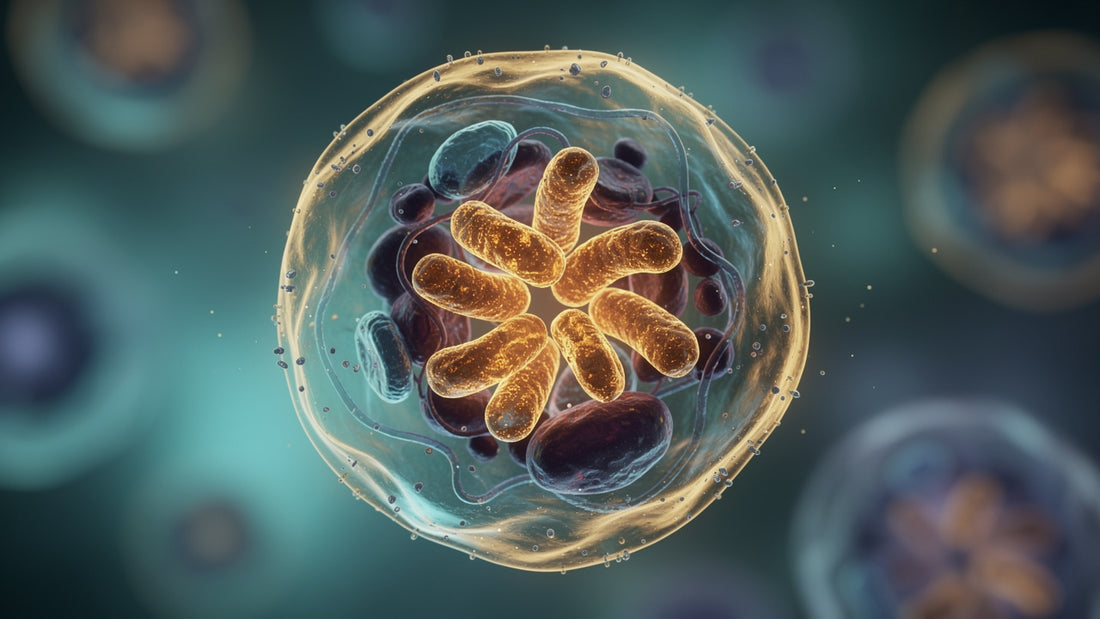
NAD+ is a coenzyme present in every living cell. It shuttles electrons during metabolic reactions and is essential for turning food into ATP, the energy currency cells use to do their work. A simple way to picture it is as a cellular delivery driver, picking up energy from nutrients and dropping it off inside the mitochondria so muscles can contract, neurons can fire, and organs can repair.
Beyond basic energy production, NAD+ is a key raw material for enzymes that keep cells stable under stress. Two major enzyme families depend on it:
- Sirtuins (including SIRT1), sometimes called longevity guardians, use NAD+ to manage gene expression, support metabolic flexibility, regulate circadian timing, and respond to cellular stress.
- PARPs use NAD+ to repair DNA damage that builds up from normal metabolism, pollution, and other stressors.
Here is where the age story becomes important for anyone interested in NAD+ for sleep. Research on human tissue shows NAD+ falling over the life span: in skin samples from newborns to adults aged 77, NAD+ levels fell as age rose in both men and women.
When NAD+ falls, mitochondria become less efficient, DNA repair slows, and sirtuin activity weakens. The result is more inflammation, slower recovery from stress, less clear thinking, and a less stable circadian rhythm. Modern habits can speed this decline. High-sugar, high-fat diets, chronic psychological stress, and poor sleep all increase oxidative stress and push PARPs to consume more NAD+, draining the pool even further.
For someone in their late 30s, 40s, or 50s who feels more tired than they “should” and notices that sleep no longer feels restorative, this is more than bad luck. NAD+ decline may be part of the picture, which is why so many high performers are looking closely at NAD+ for sleep, performance, and long-term vitality.
How NAD+ Controls Your Circadian Rhythm and Sleep-Wake Cycle

The circadian rhythm is the body’s internal 24-hour clock. It helps determine when someone feels sleepy or alert, when hormones rise and fall, how digestion runs, and when cells carry out repair. For sleep to feel deep and refreshing, this clock needs to be strong and consistent. Flying across time zones is a common way to throw this clock off; see our guide to jet lag.
Inside cells, NAD+ levels do not stay flat across the day. They rise and fall in a regular pattern that lines up with the light-dark cycle. These NAD+ swings feed into the clock machinery and help keep timing signals sharp. When NAD+ is healthy and rhythmic, body clocks stay in sync with one another and with the outside world. When NAD+ is low or the pattern is flattened, that timing drifts, which can show up as trouble falling asleep, early waking, or feeling tired at the wrong times.
This is where the NAD+ for sleep story becomes very direct. NAD+ is not only about energy. It also acts as a timing signal that supports the sleep-wake pattern at a deep, molecular level.
SIRT1: The NAD+-Dependent Clock Keeper
SIRT1 is one of the best studied sirtuins and is a key bridge between NAD+ levels and circadian timing. SIRT1 activity depends completely on NAD+ availability. When there is plenty of NAD+, SIRT1 is active and can keep time reliably. When NAD+ runs low, SIRT1 slows, and the clock mechanism begins to drift.
In the brain’s master clock region, the suprachiasmatic nucleus (SCN), SIRT1 interacts with core clock proteins called BMAL1 and CLOCK. These proteins set up the daily rhythm of gene activity that tells cells when to be in “day mode” or “night mode.” SIRT1 adjusts and fine-tunes these proteins so that the 24-hour cycle stays precise and aligned with light signals from the eyes.
As NAD+ declines with age or chronic stress, SIRT1 cannot regulate BMAL1 and CLOCK as well. That leads to a weaker and less reliable rhythm across brain and body. People may notice that they fall asleep later than they intend, wake up during the night, or feel their ideal sleep window shifting earlier or later. The clock has not stopped, but it has lost precision.
Seen this way, using NAD+ for sleep is about charging the battery that runs the clock. SIRT1 is the mechanism inside the clock, and NAD+ is the power source it runs on. Rebuilding NAD+ stores helps SIRT1 guide those timing proteins again, which can support more predictable sleep and steadier daytime alertness.
The Circadian Amplitude Problem: Why Consistency Matters More Than Duration
When most people think about sleep quality, they think about hours in bed. Another key idea is circadian amplitude, which describes how strong the difference is between the “day” state and the “night” state in the body. High amplitude means clear, sharp peaks and valleys in alertness and rest. Low amplitude feels like being slightly tired all day and then wired and restless at night.
A flattened circadian rhythm is very common in midlife, especially in those juggling demanding work, training, and family roles. Late-night screens, irregular bedtimes, and stress all push in that direction. Age-related NAD+ loss adds another layer by weakening SIRT1’s support for the clock.
Signs of low circadian amplitude can include:
- Feeling half-awake all morning and then more alert late at night
- Trouble falling asleep despite feeling exhausted
- Waking at different times each day without a clear pattern
By supporting the NAD+-SIRT1 link, NAD+ for sleep aims to raise circadian amplitude, not just add more hours under the covers. When amplitude improves, daytime energy feels steadier, and the brain can drop more deeply into rest at night.
Synchronicity Health designs its NAD+ products around this idea of cellular rhythm repair. The goal is not only to change bedtime habits but to give cells the resources they need to keep time well. The aim is to support the clock alongside good daily habits, rather than to sedate.
What the Research Says: NAD+ for Sleep Quality, Fatigue, and Trouble Sleeping

The science linking NAD+ and sleep is growing fast. Much of the early research looked at NAD+ in energy metabolism and aging. In recent years, more work has focused on what happens to sleep, daytime fatigue, and poor sleep when the NAD+ network is supported.
Across studies, one theme stands out. NAD+ for sleep is not a sedative; research looks at how it supports cellular energy, the body clock, and a healthy inflammatory response in the brain, and at outcomes such as sleep duration and daytime drowsiness.
NAD+ and Sleep Duration: Evidence From Fatigue Research
One of the clearest windows into NAD+ for sleep comes from research on people living with severe, long-lasting fatigue. People in this group often have severe fatigue, nonrestorative sleep, and low levels of ATP-producing molecules such as NADH and CoQ10.
In a 2021 study, participants with this condition took a combination of NADH and CoQ10 for four weeks. At the end of the trial, many reported longer sleep duration and better quality. These were self-reported outcomes, but in a group where sleep problems are hard to improve, that change was meaningful.
Researchers proposed that restoring the energy machinery made sleep more efficient and restorative. If depleted energy molecules can disturb sleep in people with severe, long-lasting fatigue, then milder NAD+ loss in midlife likely plays a role in more common sleep complaints as well. Supporting NAD+ for sleep may therefore help both the “how long” and the “how deep” sides of rest.
NMN Supplementation and Daytime Drowsiness Reduction
Another important piece of the puzzle comes from nicotinamide mononucleotide (NMN), a direct precursor for NAD+. In a 2022 study of older adults, daily NMN for twelve weeks led to clear changes in how participants felt during the day.
Those who took NMN, especially in the afternoon, reported:
- Less daytime drowsiness
- Better physical performance
- Smoother afternoon energy, with fewer sharp slumps
The timing mattered. Afternoon dosing seemed to smooth out the common midafternoon energy dip and helped align the energy curve more closely with the circadian pattern the body prefers.
Less daytime sleepiness is not just about comfort. It suggests that NAD+ support is helping cells respond to daily stress more efficiently, so the brain does not feel as drained. Over time, that steadier energy can make it easier to fall asleep naturally at night and avoid long, wired evenings. For people using NAD+ for sleep, this study hints that daytime timing may be just as important as what they take.
NAD+ and Trouble Sleeping: Emerging Clinical Interest
Trouble falling or staying asleep affects millions of adults. Common approaches often focus on behavior changes and sedative drugs. A growing group of researchers is now testing whether restoring NAD+ can help support the clock itself.
A 2023 clinical trial protocol, including work examining the Acute Effects of Nicotinamide in people with poor sleep, laid out a plan to study oral NMN in adults with long-term trouble sleeping. The study is measuring sleep quality, time to fall asleep, and how often participants wake at night. The idea is simple. If NAD+ supports SIRT1 and the clock genes, then raising NAD+ might improve sleep from the inside out.
Results from that trial are pending, but the fact that it exists shows how seriously the field is taking NAD+ for sleep. For those who want science-backed options beyond standard sedatives, this area is worth watching closely.
How NAD+ Protects the Brain During Sleep Deprivation
Short nights are sometimes unavoidable. Late work, jet lag, intense training blocks, or family needs can all cut into sleep time. The cost is more than feeling groggy. Chronic sleep restriction triggers real biological stress in the brain.
One of the main players in that stress response is the microglia, the brain’s resident immune cells. Under healthy conditions, microglia quietly patrol brain tissue and clear out waste. When sleep is short or fragmented, microglia shift into a pro-inflammatory state known as the M1 phenotype. In this mode, they release cytokines and other substances that can damage neurons and disrupt normal signaling.
A 2024 study in the Journal of Neuroimmunology used models of chronic sleep restriction to see whether NAD+ could protect against this process. When researchers gave NAD+ during periods of restricted sleep, several important changes appeared:
- Microglial activation dropped, and cells were less likely to stay stuck in the inflammatory M1 state.
- Levels of reactive oxygen species, which damage membranes and DNA, were lower.
- Mitochondria in both microglia and neurons stayed healthier.
- Activity in the cGAS-STING and NF-κB pathways, key drivers of neuroinflammation, was reduced.
With that alarm system quieter, microglia were more likely to shift toward the M2 state, which focuses on repair instead of attack.
For high performers who push hard during the day and sometimes run short on sleep, this matters. Every stretch of restricted sleep can create a small wave of brain inflammation. Supporting NAD+ for sleep and recovery may help support focus, memory, and long-term brain health.
Synchronicity Health’s NAD+ Nasal Spray is especially relevant here. It is absorbed through the lining of the nose instead of being swallowed like a capsule (see intranasal delivery), so some of each dose skips digestion. Researchers studying neuroprotection in sleep loss look at the same mitochondrial and microglial pathways that NAD+ supports. For the wider evidence, see does NAD+ nasal spray work.
How to Boost NAD+ for Better Sleep: Delivery Methods Compared
Once someone understands how central NAD+ is to the clock and the brain, the next question is simple: How can NAD+ for sleep be raised in a way that actually works in real life? There are several approaches, and they differ widely in absorption, cost, and convenience.
NAD+ itself is not absorbed very well when swallowed. Most people rely on precursors such as NR, NMN, or niacinamide, or on delivery methods that avoid swallowing. The right choice depends on goals, schedule, and budget, but not all routes have the same impact on NAD+ for sleep and recovery.
Delivery Method Comparison at a Glance
Before looking more closely at Synchronicity Health’s nasal spray, it helps to see how common options compare side by side. The aim is not to declare one method perfect for everyone, but to show how absorption and practicality stack up for each choice.
|
Delivery Method |
Bioavailability |
Speed of Effect |
Cost |
Convenience |
Best For |
|---|---|---|---|---|---|
|
NAD+ Nasal Spray (Synchronicity Health) |
Designed for high bioavailability |
Designed for a faster onset; reaches the bloodstream quickly |
Fraction of IV cost |
Very high, quick use at home |
Daily NAD+ for sleep, focus, and recovery |
|
Oral Supplements (NR, NMN, Niacinamide Capsules or Tablets) |
Lower than IV; needs digestion and conversion |
Slowest, requires digestion and conversion |
Low |
Very easy, daily use |
General maintenance when budget is tight |
|
NAD+ IV Therapy |
Near 100% into bloodstream |
Fastest, effects felt during and after drip |
Very high, clinic pricing |
Low, clinic visit and long session |
Short intensive protocols or medical settings |
|
IM or Subcutaneous Injections |
Very high; enters the body directly, with no digestion step |
Faster onset than capsules |
Moderate to high |
Moderate, needs training or clinic |
People who want strong dosing without full infusions |
The goal with NAD+ for sleep is not a single spike in levels. It is a steady pattern that rises and falls each day along with the body’s natural rhythm. That kind of consistency is hard to get with clinic-only IV drips. It is much easier with an option designed for high bioavailability that can be used at home in seconds.
Why Synchronicity Health's NAD+ Nasal Spray Stands Apart
Synchronicity Health built its NAD+ Nasal Spray around one simple idea: the delivery route should match the biology. Intranasal dosing is absorbed through the lining of the nose instead of being swallowed like a capsule, so some of each dose skips digestion. That is why it is designed for high bioavailability.
This matters for anyone serious about NAD+ for sleep, focus, and long-term brain health. The same microglial and mitochondrial pathways that appear in sleep restriction research are most relevant in the central nervous system.
Formulation is just as important as delivery. Synchronicity Health’s NAD+ products are developed to a clean-label standard grounded in aging biology and metabolic health. Doses are set to line up with current research on NAD+, sirtuins, and circadian timing, rather than guesses based on marketing trends. The ingredients are third-party tested for purity and potency, a key safeguard in a supplement market that is not tightly regulated.
For many, the choice comes down to value and practicality:
- NAD+ IV therapy can be effective, but it costs hundreds of dollars per visit and requires long clinic sessions.
- Synchronicity Health’s NAD+ Nasal Spray is designed for high bioavailability at a small share of that cost, with no time lost sitting in a chair.
That makes daily, rhythm-supporting use realistic for busy professionals, athletes, and dedicated health optimizers.
On top of the nasal spray itself, Synchronicity Health offers Sync Stacks that combine NAD+ with Enhanced NMN and Forage, a mushroom blend that includes Cordyceps. These stacks are designed to support not only NAD+ for sleep but also daytime energy, recovery, and cognitive function in a coordinated way.
How Synchronicity Health Approaches NAD+ for Sleep Optimization
Sleep rarely breaks for one reason. Circadian misalignment, low cellular energy, poor recovery from training, brain inflammation, and hormone timing can all play a part. That is why a single quick fix often disappoints. Synchronicity Health takes a systems-oriented view instead.
At the center of that view is the Sync Stack concept. Rather than relying on one compound, Sync Stacks combine NAD+ Nasal Spray with synergistic supports such as Enhanced NMN, Forage with Cordyceps, and, when needed, Melatonin Nasal Spray. The aim is to support multiple parts of the sleep and recovery system at once.
A typical day within this approach looks like this:
-
Morning or Early Afternoon:
- Use NAD+ Nasal Spray to support ATP production, mental clarity, and circadian amplitude.
- NAD+ is not a stimulant. It does not act like caffeine or a pre-workout. Instead, it supports how mitochondria produce energy, as part of a steady daytime routine.
-
Daytime Support With Sync Stacks:
- Enhanced NMN helps maintain the broader NAD+ network.
- Forage, with Cordyceps, is part of the daytime routine on training days.
-
Evening and Bedtime:
- Some people pair their daytime routine with Synchronicity Health’s Melatonin Nasal Spray in the evening. Melatonin acts as a darkness signal to the brain. When delivered in an appropriate dose at night, it helps the body start the sleep phase on time.
Together, NAD+ for daytime timing and melatonin for the night signal support both the “battery” and the “clock” sides of restful sleep.
Our approach supports both the battery and the clock at once, because deep sleep requires cells that have enough power and a timing system that tells them exactly when to repair.
With clean-label dosing, third-party tested ingredients, and a focus on real-world schedules, Synchronicity Health offers a way to use NAD+ for sleep that feels both scientific and practical.
Natural Lifestyle Strategies to Support NAD+ and Sleep

Supplements work best on top of solid habits. The good news is that many daily choices can support the same NAD+ and circadian pathways that Synchronicity Health targets. These habits are free, repeatable, and make NAD+ for sleep even more effective.
-
Keep Bed and Wake Times Consistent
Keeping bed and wake times consistent does more than make mornings smoother. Regular timing trains the circadian clock to expect sleep and wake at certain hours. This rhythm supports the natural rise and fall of NAD+ levels across the day, which helps SIRT1 keep the clock in sync. Even on weekends, staying close to the same schedule pays off over time. -
Move Your Body Most Days
Exercise, especially interval work and resistance training, boosts the activity of AMPK, an energy-sensing enzyme. When AMPK is active, cells increase NAD+ production to keep up with demand. The result is better mitochondrial function, stronger circadian signals, and, for many, deeper sleep at night. Short, consistent workouts often matter more than rare long sessions. -
Choose an NAD+-Supportive Diet
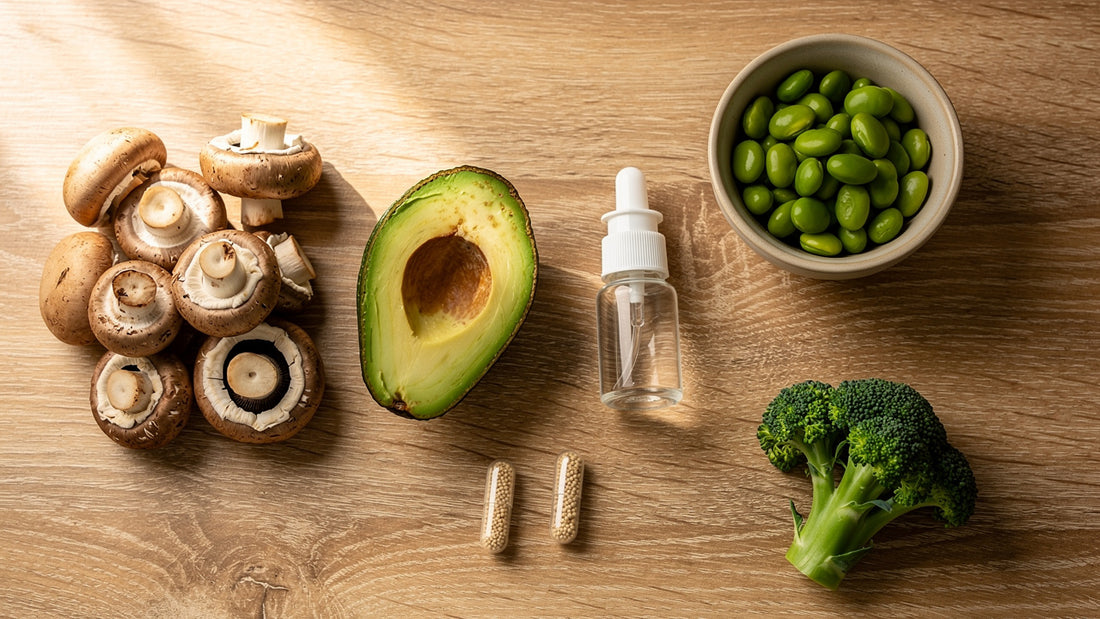
An NAD+-supportive diet supplies building blocks for the NAD+ network. Foods rich in niacin and tryptophan, such as turkey, chicken, fish, mushrooms, brown rice, dairy, edamame, avocado, tomatoes, and broccoli, give cells raw material to make more NAD+. At the same time, limiting very sugary foods and heavily processed fats reduces oxidative stress, which can otherwise drive PARPs to burn through NAD+ stores. -
Use Smart Fasting Windows When Appropriate
Intermittent fasting or gentle calorie moderation can support the same sirtuin pathways that NAD+ feeds. Time-limited eating windows encourage the body to switch into repair mode during parts of the day and night. This can naturally raise NAD+ and sirtuin activity and may make NAD+ for sleep even more effective by aligning behavior with the body’s repair schedule. -
Protect Your Evenings From Blue Light
Blue light from screens in the evening tells the brain that it is still daytime. This signal delays melatonin release and can confuse the circadian clock. Simple steps such as screen dimming, blue light filters, and a screen cut-off time an hour before bed help protect the clock. These habits pair especially well with NAD+ Nasal Spray and Melatonin Nasal Spray for a complete light-and-chemistry program. -
Lower Chronic Stress Where You Can
Chronic stress keeps cortisol high and pushes cells into a constant alert mode, which drains NAD+ reserves. Practices like slow breathing, mindfulness, light stretching, or even a short walk in nature can lower stress signals. When stress is lower, the body can direct more NAD+ toward repair, circadian timing, and deep sleep instead of fight-or-flight responses.
Conclusion
Sleep problems are often treated as surface issues, fixed with a darker room, a new pillow, or a stronger sleep aid. The science tells a deeper story. As NAD+ declines with age and stress, the body’s clocks drift, brain inflammation rises after short nights, and cellular energy drops. That combination makes it much harder to fall asleep on time, stay asleep, and wake up feeling ready.
NAD+ for sleep is an active area of research. Studies have looked at NAD+ support alongside longer sleep in people with severe fatigue, less daytime drowsiness in older adults, and protection against neuroinflammation when sleep is short. Early clinical work is even testing NMN in people with long-term trouble sleeping, aiming to support biology rather than simply mask symptoms.
How NAD+ is delivered matters just as much as whether it is used at all. Synchronicity Health’s NAD+ Nasal Spray offers a needle-free alternative to IV without clinic visits, backed by clean-label formulation and third-party tested ingredients. Paired with Sync Stacks and supportive habits, it gives people a way to support both the power supply and the timing system that make deep, restorative sleep possible.
Sleep is not passive. It is an active set of cellular processes that need the right fuel and signals. For those ready to address sleep at this deeper level, exploring Synchronicity Health’s NAD+ Nasal Spray and Sync Stacks is a strong next step.
Sources
- Verdin E. NAD+ in aging, metabolism, and neurodegeneration. Science. 2015. PubMed 26785480
- Nakahata Y, et al. Circadian control of the NAD+ salvage pathway by CLOCK-SIRT1. Science. 2009. PubMed 19286518
- Chang HC, Guarente L. SIRT1 mediates central circadian control in the SCN by a mechanism that decays with aging. Cell. 2013. PubMed 23791176
- Massudi H, et al. Age-associated changes in oxidative stress and NAD+ metabolism in human tissue. PLoS One. 2012. PubMed 22848760
FAQs
Does NAD+ Help You Sleep?
NAD+ plays a role in sleep regulation. It works with the SIRT1 enzyme in the circadian clock, which guides when the body feels sleepy or alert. Research is looking at how supporting this network relates to sleep duration and quality. NAD+ is not a sedative, and delivery method affects how much reaches the bloodstream.
When Should I Take NAD+ for Sleep Benefits?
For most people, it is best to use NAD+ earlier in the day rather than right before bed. In the 2022 NMN study, afternoon use reduced drowsiness and aligned energy better with the natural circadian curve. Synchronicity Health recommends using NAD+ Nasal Spray in the morning or early afternoon to support daytime energy and clock strength. For night, pairing that routine with Melatonin Nasal Spray can support the sleep onset signal.
Can NAD+ Help With Trouble Sleeping?
NAD+ is an active area of sleep research. A 2023 clinical trial is testing whether NMN can help people with long-term trouble sleeping fall asleep faster, sleep longer, and wake less often. The theory is that restoring NAD+ helps SIRT1 and clock genes work properly again, which may support the deep timing processes behind restful sleep. The results of that trial are still to come.
Is NAD+ a Stimulant That Could Disrupt Sleep?
No. NAD+ is not a stimulant. It does not push the nervous system in the way caffeine or many pre-workouts do. Instead, it supports the natural production of ATP inside mitochondria, which tends to create steadier, calmer energy. When taken earlier in the day, the aim is steady alertness without jittery peaks or sudden crashes. That calmer pattern actually supports healthy sleep, rather than working against it.
What Is the Best NAD+ Supplement for Sleep?
The most important factor is how well the supplement gets NAD+ or its precursors into the bloodstream and brain. Oral NR and NMN are easy to use but only deliver a fraction of each dose. IV therapy provides full absorption but is expensive and time consuming. A high-quality nasal spray strikes a balance: it is designed for high bioavailability and easy daily use at home.
Synchronicity Health’s NAD+ Nasal Spray stands out because it is clean-label, made with third-party tested ingredients, and designed for daily use, on its own or as part of a Sync Stack routine.
Featured in this article
NAD+ Nasal SpraySupports cellular energy, focus and healthy aging. A needle-free alternative to NAD+ IV.
Shop NAD+ Nasal SprayThird-party tested ingredients. Vegan, non-GMO, made in the USA.


Leave a comment
All comments are moderated before being published.
This site is protected by hCaptcha and the hCaptcha Privacy Policy and Terms of Service apply.