

Melatonin Nasal Spray: Faster Sleep Support For High‑Performance Lives
Falling asleep on command is a competitive edge. Whether you’re a biohacker chasing deeper recovery, a founder working across time zones, an athlete stacking every legal advantage, or a NAD+ clinic regular trying to protect your mitochondria, sleep is non‑negotiable.
Melatonin has been a go‑to sleep supplement for years, but not everyone responds well to standard pills or gummies. That’s where melatonin nasal spray enters the picture—a newer delivery route aimed at faster absorption and more predictable effects.
This guide breaks down how melatonin nasal spray works, how it compares to other options, who it may help, and how to use it intelligently and safely—while also clearing up a serious source of confusion: melatonin vs. melanotan nasal sprays.
Why Melatonin Matters For Sleep And Longevity

Melatonin is a hormone produced mainly by the pineal gland in response to darkness. It acts as a biological signal that tells your body, “Night has started; it’s time to wind down.”
Key roles of melatonin include:
-
Synchronizing circadian rhythms – helping your internal clock align with the 24‑hour light–dark cycle
-
Shortening sleep onset latency – the time it takes to fall asleep
-
Supporting sleep architecture – especially early night deep sleep, which is important for growth hormone release and tissue repair
-
Acting as an antioxidant – helping protect cells, mitochondria, and even DNA from oxidative stress
For high‑performance, health‑focused people, that means:
-
Better recovery from training and long workdays
-
Clearer cognition and reaction time the following day
-
Support for metabolic, immune, and cardiovascular health over the long term
“Sleep is the single most effective thing we can do to reset our brain and body health each day.” — Dr. Matthew Walker, neuroscientist and author of Why We Sleep
Unfortunately, melatonin production can be disrupted by:
-
Blue light exposure at night (phones, laptops, LED lighting)
-
Jet lag and shift work
-
Chronic stress
-
Aging
That’s why many people look to melatonin supplements—and why melatonin nasal spray is getting attention as a faster, more targeted way to deliver this hormone.
What Is Melatonin Nasal Spray?
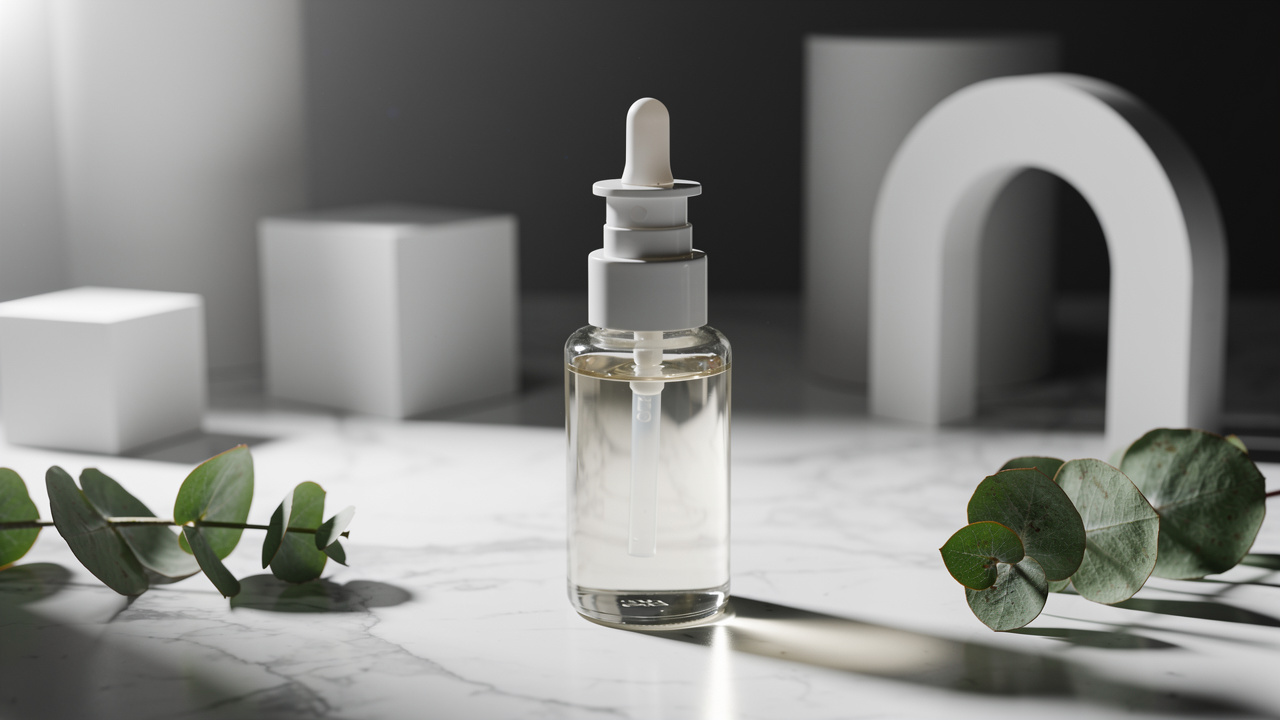
A melatonin nasal spray is a liquid formulation of melatonin delivered as a fine mist into the nasal passages. Instead of swallowing a capsule or gummy, you spray a measured dose into one or both nostrils.
Products such as Synchronicity Health’s Melatonin nasal spray are designed for:
-
Rapid absorption through the thin, vascular tissue inside the nose
-
Bypassing the digestive tract and first‑pass liver metabolism
-
More predictable onset compared to some oral products, which can be affected by food and gut variability
Most melatonin nasal sprays:
-
Come in small, metered‑dose bottles
-
Deliver a specific amount of melatonin per spray
-
Are labeled as dietary supplements in the U.S., not prescription drugs
For biohackers and performance‑oriented users, the draw is clear: if melatonin reaches the bloodstream faster, it may be easier to line up sleep onset with a carefully designed nighttime routine.
How Melatonin Nasal Spray Works
Intranasal Delivery, Explained Simply
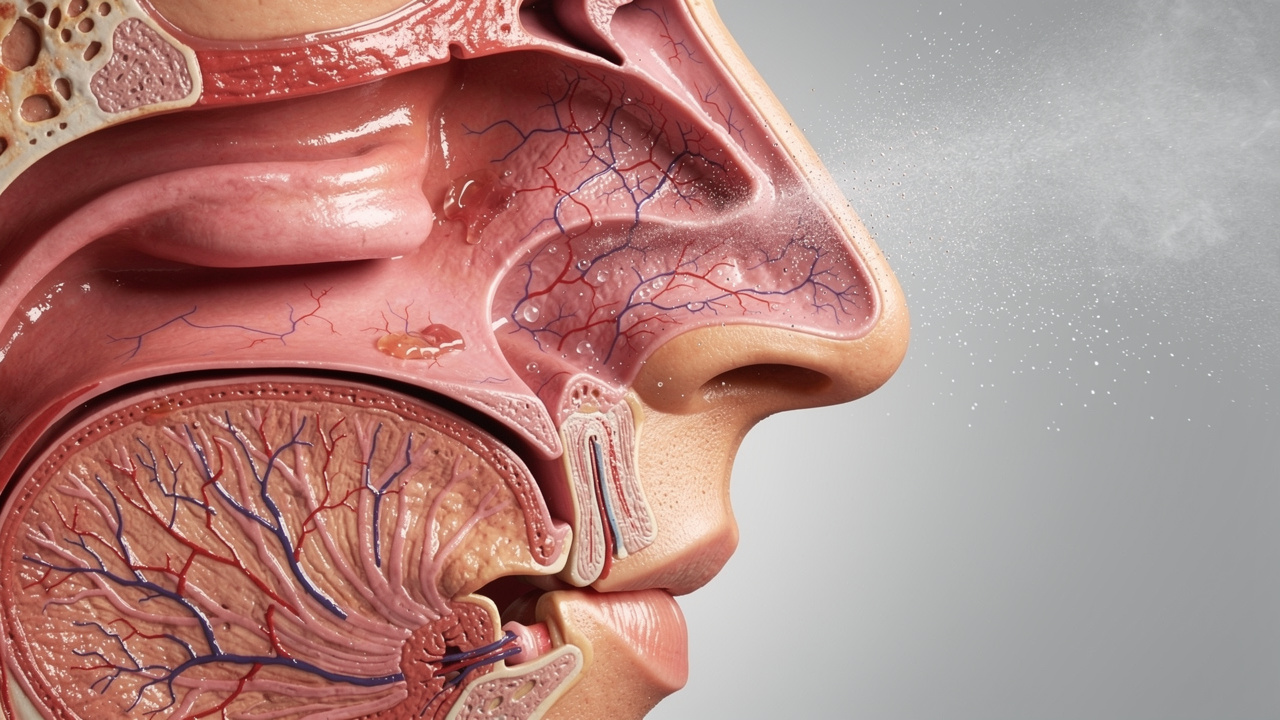
The inside of your nose is lined with a thin mucous membrane rich in tiny blood vessels, and research on the pharmacokinetics of alternative administration routes shows that intranasal delivery can significantly alter melatonin's absorption profile compared to traditional oral methods. When you spray a mist into this area:
-
Droplets coat the nasal mucosa
-
Melatonin diffuses through the tissue
-
It moves directly into the bloodstream via those blood vessels
This route:
-
Avoids stomach acid and digestive enzymes
-
Skips the liver’s first‑pass metabolism, where a sizable portion of oral melatonin can be broken down before it reaches circulation
The result is often a faster and more reliable rise in blood melatonin levels than you might get from a standard pill or gummy.
Why It May Act Faster Than Oral Melatonin
With oral tablets or gummies, you often wait 30–60 minutes (or more) to feel effects, depending on:
-
What and when you last ate
-
Gut motility
-
Individual differences in liver enzymes
With melatonin nasal spray, absorption is typically:
-
Faster – effects can begin noticeably sooner in many users
-
Less food‑dependent – heavy meals matter less than they do with pills
This is especially appealing if:
-
You often end up in bed “wired but tired” despite good habits
-
You need to shift your sleep window for early training, red‑eye flights, or night shifts
-
You’re already dialed in on light exposure and caffeine timing, and want finer control over when drowsiness starts
Possible Brain Access Pathways
There’s early research suggesting that some intranasal compounds may travel along the olfactory and trigeminal nerves toward the brain, partially bypassing the blood–brain barrier.
For melatonin, that could mean:
-
Faster delivery to brain regions that regulate sleep–wake cycles
-
Potentially lower doses needed for the same effect
However, this route is still being studied. Most of what we know about melatonin’s sleep effects comes from oral dosing, not nasal sprays, so it’s wise to treat these potential advantages as promising but not fully proven.
Melatonin Nasal Spray Vs. Other Sleep Aids
Compared To Oral Melatonin (Tablets, Gummies, Sublinguals)
Oral tablets and gummies
-
Pros: widely available, familiar, easy to dose
-
Cons: slower onset, variable absorption, more affected by food and digestion
Sublingual tablets and oral sprays (inside the mouth)
-
Pros: some absorption through oral mucosa, often faster than standard pills
-
Cons: still partially swallowed, still subject to first‑pass metabolism
Melatonin nasal spray
-
Pros: very rapid entry into circulation, smaller effective doses may be possible for some people
-
Cons: less clinical research, potential nasal irritation, correct technique matters
If you have tried oral melatonin and found it inconsistent—too slow one night, too strong the next—an intranasal approach may offer a more repeatable experience, as long as dosing and timing are dialed in.
Compared To Over‑The‑Counter Sedating Antihistamines
OTC “PM” products and sleep aids often rely on antihistamines such as diphenhydramine or doxylamine.
-
They can make you drowsy, but they do not align circadian rhythms
-
They are more likely to cause next‑day grogginess, dry mouth, constipation, and cognitive dulling
-
They are not designed for regular long‑term use
Melatonin nasal spray targets the body’s sleep‑timing signal, which is more in line with how your biology is meant to initiate sleep.
Compared To Prescription Sleep Medications
Prescription hypnotics (like benzodiazepine receptor agonists, orexin antagonists, and others):
-
Are effective at forcing sleep in many people
-
Carry risks of tolerance, dependence, complex sleep behaviors, and rebound insomnia
-
Require medical supervision and careful risk–benefit analysis
Melatonin nasal spray, used correctly, is generally considered for:
-
Mild to moderate sleep onset issues
-
Circadian rhythm challenges such as jet lag or shift work
-
People who want a gentler, hormone‑based approach before stepping up to prescription drugs
It is not a substitute for necessary medical treatment when insomnia is severe, chronic, or tied to other health conditions.
Potential Benefits For Biohackers, Professionals, And Athletes

For the performance‑driven audience, melatonin nasal spray may offer several potential advantages when used thoughtfully:
-
Faster sleep onset
-
Helpful when you have a fixed wake‑up time but a variable evening schedule
-
Useful after late‑night blue light exposure or intense evening training
-
-
More consistent timing
-
Easier to pair a precise spray time (e.g., 30–45 minutes before lights‑out) with repeatable sleep rituals
-
-
Support for recovery and performance
-
Better sleep quality is linked with improved reaction time, glucose control, mood stability, and training adaptation
-
Deep sleep plays a key role in growth hormone release and muscle repair
-
-
Jet lag and shift work
-
Strategic use of melatonin, including melatonin nasal spray, can help shift the circadian clock toward a new time zone or schedule
-
For frequent travelers or rotating‑shift workers, faster onset may help line up sleep with light exposure and meal‑timing plans
-
-
Potentially lower doses
-
Because intranasal routes can increase bioavailability, some users may achieve similar effects with smaller doses than they need with oral melatonin, which may reduce the risk of morning grogginess
-
Remember: the foundation is still good sleep hygiene—light, timing, temperature, caffeine control, and stress management. Melatonin nasal spray works best as a precision tool layered onto that foundation, not a replacement for it.
Safety, Side Effects, And Who Should Avoid It
Melatonin is generally considered safe for short‑term use in healthy adults, but that does not mean melatonin nasal spray is risk‑free or appropriate for everyone.
“Natural does not always mean safe.” — U.S. National Center for Complementary and Integrative Health (NCCIH)
That principle applies to melatonin as much as to any other supplement.
Common Side Effects
Possible side effects include:
-
Headache
-
Dizziness
-
Nausea
-
Vivid dreams or sleep disturbances
-
Morning sleepiness, especially with higher doses or late use
-
Local nasal irritation, dryness, or mild burning
If symptoms are persistent, worsening, or concerning, stop using the product and speak with a healthcare professional.
People Who Should Talk To A Clinician First
You should always consult a qualified healthcare provider before starting melatonin nasal spray if you:
-
Are pregnant or breastfeeding
-
Have an autoimmune condition
-
Have epilepsy or a seizure disorder
-
Have depression or bipolar disorder
-
Have liver or kidney disease
-
Take anticoagulants, blood pressure medications, diabetes medications, immunosuppressants, or other drugs that interact with hormones or sleep
Children and adolescents should not use melatonin nasal spray unless specifically guided and monitored by a pediatric specialist.
Long‑Term Use
-
Long‑term safety data for nightly melatonin—especially in nasal spray form—is limited
-
Many experts recommend using the lowest effective dose for the shortest necessary duration
-
Periodic “drug holidays” or cycling can be considered under medical guidance
If you find you cannot sleep at all without melatonin, that is a sign to reassess with your clinician and investigate underlying causes, including sleep apnea, mood disorders, circadian rhythm disorders, or medical conditions.
Melatonin Vs. Melanotan Nasal Sprays: A Critical Distinction
One of the most important safety points in this entire topic is the difference between melatonin and melanotan.
They sound similar, and both can appear in “nasal spray” form online—but they are completely different substances.
Melatonin: The Sleep Hormone
-
A naturally occurring hormone that regulates sleep–wake cycles
-
Sold in the U.S. as an over‑the‑counter dietary supplement
-
Used to support sleep onset, jet lag adjustment, and circadian rhythm alignment
-
Generally considered safe for short‑term use when taken in reasonable doses
Melanotan I & II: Synthetic Tanning Peptides
-
Lab‑made peptides designed to stimulate skin pigment cells (melanocytes) to produce more melanin, causing a tan
-
Promoted illegally as injections (“tan jabs”) and nasal sprays
-
Not approved as medicines or supplements in many countries, including the U.K. and Australia
-
Subject to strong warnings from agencies such as the MHRA (UK) and TGA (Australia)
Reported risks include:
-
Headache, nausea, vomiting, and facial flushing
-
New or darkening moles and freckles—raising concerns about skin cancer risk
-
Reports of kidney dysfunction and even brain swelling (particularly with Melanotan II)
-
Unknown purity and contamination, since products are unregulated and often sold on the gray or black market
A person searching for melatonin nasal spray could accidentally purchase a melanotan nasal spray if they are not careful. To protect yourself:
-
Always verify the active ingredient on the label
-
Avoid any product marketed for “rapid tanning,” “sunless tan injections,” or similar claims
-
Steer clear of products promoted aggressively by influencers with no medical background
-
If “Melanotan” appears anywhere on the label or listing, do not buy or use it
If you have ever used melanotan in any form, stop immediately and consult a healthcare professional, especially if you notice skin changes or have shared needles.
How To Use Melatonin Nasal Spray Effectively
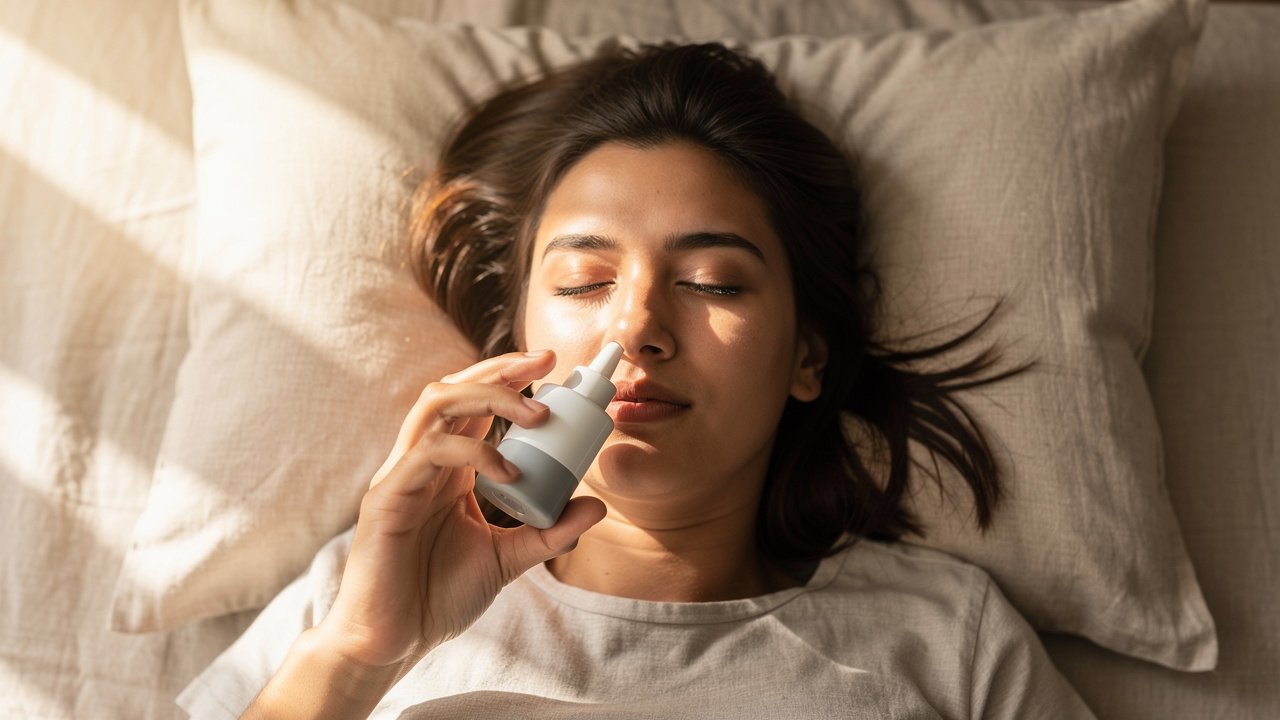
Technique and timing matter if you want consistent effects from melatonin nasal spray.
Timing Your Dose
A common starting approach (to confirm with your clinician):
-
Spray 30–45 minutes before your planned bedtime
-
Use it at the same time every night for at least several days to see how your body responds
-
Avoid using it too late at night (e.g., in the middle of the night), as this can shift your clock in the wrong direction and worsen jet lag or rhythm issues
Basic Technique
General steps (always follow your product’s insert):
-
Gently blow your nose to clear excess mucus.
-
Shake the bottle if directed.
-
Tilt your head slightly forward, not back.
-
Insert the nozzle into one nostril, aiming slightly outward (toward the ear, not the septum).
-
Press the pump while inhaling gently through the nose.
-
Repeat in the other nostril if instructed.
-
Avoid sniffing forcefully, which can pull the spray past the optimal absorption area.
Taking a moment to practice this sequence during the day—without actually spraying—can make nighttime use smoother and more automatic.
Pairing With A Smart Evening Routine
Melatonin nasal spray works best when combined with:
-
Dim light for at least 60–90 minutes before bed
-
No caffeine within 8–10 hours of bedtime
-
Cool bedroom temperature (around 60–67°F for most people)
-
A consistent wake‑up time, including weekends
-
Relaxation practices like breath work, stretching, or low‑stimulus reading
Some advanced formulations pair melatonin with calming compounds such as theanine, which has been associated with relaxed, alpha‑wave brain states without sedation. Stacks like this can support a smoother descent into sleep rather than a jarring knockout.
Never mix melatonin nasal spray with alcohol or other sedatives to “double up.” That approach can impair judgment, breathing, and coordination.
How To Choose A High‑Quality Melatonin Nasal Spray
Because melatonin nasal sprays are typically categorized as dietary supplements in the U.S., product quality can vary widely. A few guidelines:
1. Look For Transparency And Testing
-
Prefer brands that share details about third‑party testing for purity and potency
-
Look for seals from organizations such as NSF, USP, or similar independent labs when available
-
Check that the label lists the exact melatonin dose per spray and the total number of sprays per bottle
2. Scrutinize The Ingredient List
-
Avoid products with unnecessary dyes, artificial flavors, or allergenic fillers if you are sensitive
-
Confirm that melatonin, not melanotan or other obscure peptides, is the active ingredient
-
If there are additional ingredients (like theanine, magnesium, or herbal extracts), they should be clearly labeled with doses
3. Evaluate The Brand
-
Is there a clear company name, address, and way to contact support?
-
Does the brand provide references, scientific rationale, or clinician involvement?
-
Are claims reasonable (“supports restful sleep”) rather than exaggerated (“cures insomnia instantly”)?
If you are looking at products specifically designed for high‑performance recovery and circadian control, consider formulas that focus on improving sleep outcomes while staying grounded in physiology and safety data.
4. Be Wary Of Red Flags
Avoid:
-
Products sold primarily through anonymous marketplaces with no clear manufacturer
-
Nasal sprays promoted as tanning or weight‑loss aids
-
Formulas that hide doses in proprietary blends instead of stating exact amounts
-
Overblown marketing language and promises that sound too good to be true
Frequently Asked Questions About Melatonin Nasal Spray
Is Melatonin Nasal Spray Safe For Long‑Term Use?
We have more data on short‑term melatonin use than on long‑term, nightly use—especially in nasal spray form. For most healthy adults, short‑term use under medical guidance is considered low risk.
For longer‑term use:
-
Work with a healthcare professional
-
Use the lowest effective dose
-
Reassess periodically rather than taking it indefinitely without review
Can Melatonin Nasal Spray Help With Jet Lag?
Yes, melatonin (including melatonin nasal spray) is often used to:
-
Shift sleep timing toward a new time zone
-
Reduce the mismatch between your internal clock and local time
Because melatonin nasal spray may take effect faster than pills, it can be easier to coordinate with:
-
Destination bedtime
-
Light exposure strategies (seeking or avoiding sunlight at specific times)
Your clinician or travel‑medicine specialist can help you design a specific timing protocol based on your flight direction, number of time zones crossed, and schedule.
Will I Become Dependent On Melatonin Nasal Spray?
Melatonin does not cause dependence in the same way as many prescription hypnotics. However:
-
Relying on any sleep aid without addressing underlying habits or conditions can backfire
-
Some people feel psychologically dependent if they believe they cannot sleep without it
If you cannot sleep at all without melatonin nasal spray, talk with a healthcare professional and review your overall sleep health.
Can I Combine Melatonin Nasal Spray With Oral Melatonin?
Generally, it’s better to choose one melatonin product at a time. Combining nasal and oral forms:
-
Increases your total dose, which may lead to more side effects
-
Makes it harder to know which form is doing what
If you are considering switching from oral to intranasal melatonin, or vice versa, ask your clinician how to adjust dosing safely.
Are There Contraindications For Melatonin Nasal Spray?
You should avoid or use melatonin nasal spray only with close medical supervision if you:
-
Are pregnant, planning pregnancy, or breastfeeding
-
Have autoimmune disease, seizure disorders, or significant mood disorders
-
Take medications that interact with melatonin or with its effects on blood clotting, blood pressure, or immune function
A brief appointment with a physician, nurse practitioner, or pharmacist can clarify whether melatonin nasal spray is appropriate for you.
Is Melatonin Nasal Spray Right For You?
Melatonin nasal spray is not magic, and it is not meant to replace disciplined sleep habits or medically necessary treatments. But for the right person, it can be a powerful tool:
-
You care about sleep as a performance variable, not just a comfort issue
-
You want a faster, more predictable onset than you get from standard melatonin pills
-
You are already paying attention to light, caffeine, temperature, and timing
-
You are willing to use a precise, measured product and monitor how you respond
Before you add any melatonin nasal spray—whether Melatonin nasal spray or another formula—to your routine, speak with a healthcare professional who understands both your health history and your performance goals.
When used intelligently, with medical input and a strong behavioral foundation, melatonin nasal spray can help align your biology with your ambitions—so you can fall asleep faster, sleep more deeply, and wake up ready to perform.


Leave a comment
All comments are moderated before being published.
This site is protected by hCaptcha and the hCaptcha Privacy Policy and Terms of Service apply.