

Introduction
Fine lines that were once only visible under harsh bathroom lights start to show up in every selfie. Workouts that used to feel easy take longer to recover from. Coffee does less than it used to. These are not random annoyances. They are early signs that the engines inside each cell are slowing down. At the center of that slowdown sits one small molecule that links energy, repair, and visible aging. That molecule is NAD+ for Aging.
Nicotinamide adenine dinucleotide (NAD+) lives in every one of your cells. It helps turn food into energy, powers DNA repair, and keeps key enzymes tied to healthy aging switched on. When NAD+ levels stay high, cells repair damage, clear waste, and keep collagen strong. When NAD+ falls, those systems start to fail, and both skin and whole-body aging pick up speed.
Research over the past decade has made one thing clear: NAD+ for Aging is not a passing trend. It is a core part of how and why cells age at all. Levels of NAD+ drop sharply with age, and that drop is now seen as a driver of aging, not just a side effect. This is why high performers, biohackers, and forward-thinking doctors pay so much attention to it.
Synchronicity Health focuses on that same science. Its clean-label Sync Stacks, made with third-party tested ingredients, are built to support NAD+ in a systems-based way, without the cost and hassle of clinic IV drips. In this guide, the focus will be on what NAD+ is, why it falls, how that impacts skin, which tools can restore it, and how to build a smart plan that fits real life.
Key Takeaways
- NAD+ is a core coenzyme that powers DNA repair, mitochondrial energy, and sirtuin activity, all of which matter for firm, healthy skin and a slower pace of aging. When NAD+ for Aging stays higher, cells handle stress better and keep structure intact for longer.
- Measured levels of NAD+ fall with age. That drop speeds up visible skin aging, energy loss, and slower recovery. It shows up in tissues like liver, skin, brain, and skeletal muscle.
- Two main forces drive this decline. Enzymes like PARP1 and CD38 consume more NAD+ as DNA damage and low-grade inflammation rise. At the same time, the key recycling enzyme NAMPT drops, so the cell cannot refill its NAD+ pool fast enough.
- NAD+-dependent enzymes such as sirtuins and PARPs help control collagen breakdown, inflammation, and the buildup of senescent “zombie cells” in skin. Research is exploring how supporting NAD+ affects these systems.
- Real NAD+ restoration needs more than a simple precursor pill. Delivery method and full-pathway support matter. Synchronicity Health’s Sync Stacks and NAD+ Nasal Spray give an at-home option without clinic sessions, at far lower cost.

Featured in this article
NAD+ Nasal SpraySupports cellular energy, focus and healthy aging. A needle-free alternative to NAD+ IV.
Shop NAD+ Nasal SprayThird-party tested ingredients. Vegan, non-GMO, made in the USA.
What Is NAD+ And Why Does It Matter For Aging?
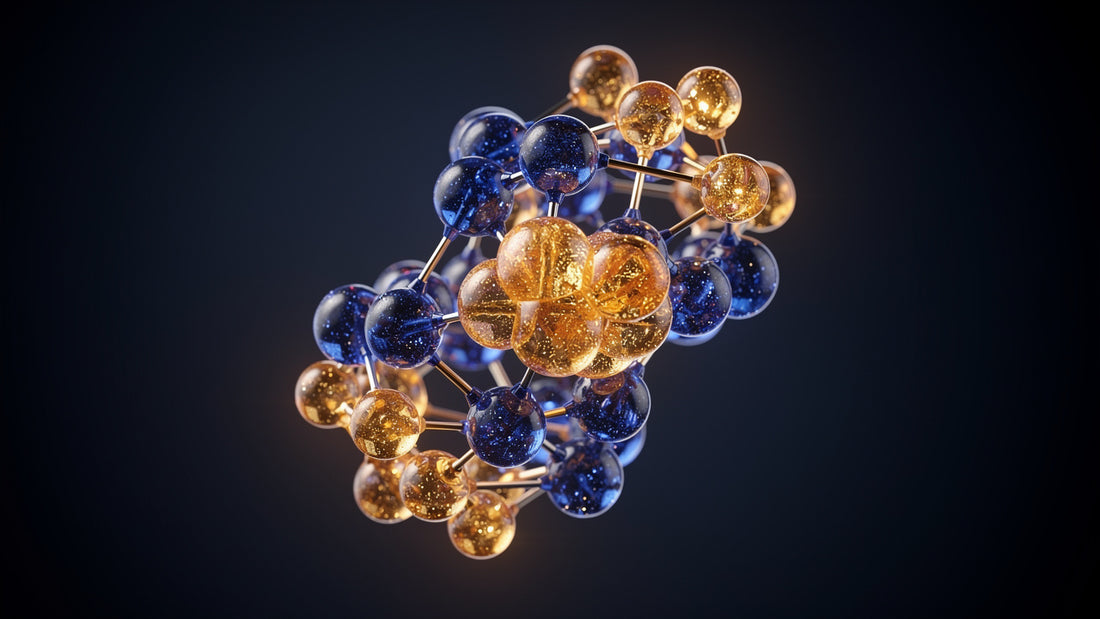
NAD+ stands for nicotinamide adenine dinucleotide. It is not a trendy ingredient invented by marketers. It is a basic coenzyme that every living cell depends on. Without it, cells cannot make energy, repair DNA, or control stress responses. When people talk about NAD+ for Aging, they are talking about the health of that entire network.
First, NAD+ runs core energy reactions. Inside the mitochondria, it acts as an electron carrier, shuttling charge as food gets turned into ATP, the cell’s energy currency. If ATP is the paycheck a cell spends on work, NAD+ is the bank card that moves funds through each step. Low NAD+ means the cell’s “budget” shrinks, and tasks like repair and collagen production get cut.
Second, NAD+ drives many signaling and repair enzymes. Two families are especially important for healthy aging and skin health:
- Sirtuins are NAD+-dependent enzymes that regulate inflammation, metabolism, stress resistance, and cell death.
- PARPs (poly ADP ribose polymerases) rush to damaged DNA, use NAD+, and send out repair signals.
Both groups switch off when NAD+ drops.
NAD+ also acts as a kind of metabolic messenger. Its levels tell the cell whether energy is abundant or tight. That signal shapes how genes are read, how fast cells divide, and how they respond to stress. This ties NAD+ to nearly all nine hallmarks of aging, including genomic instability, epigenetic drift, mitochondrial decline, and loss of protein quality.
When NAD+ falls, the cell loses much of its ability to repair itself, and aging speeds up from the inside out.
For anyone serious about healthy aging, NAD+ for Aging is not just another supplement idea. It is a central control knob for how fast or slow cells wear out.
Why NAD+ Levels Decline With Age And What Causes The Drop
By mid-life, many tissues show a sharp fall in NAD+. Studies in humans report lower levels in liver, skin, brain, skeletal muscle, plasma, and key immune cells compared with young adults, with research showing Promising Results With NAD supplementation even in research on accelerated DNA damage and premature aging. This pattern lines up with the first signs of aging skin, slower recovery, and more age-related health problems.
This change is not caused by one broken step. Instead, NAD+, a key molecule for healthy aging, drops because the entire network shifts out of balance. Damage and inflammation rise with age, so enzymes that consume NAD+ work overtime. At the same time, production and recycling pathways slow down. Demand keeps climbing while supply shrinks.
A simple way to picture it is to think of a bank account:
- PARP1 and CD38 act like auto-drafts pulling more money each month.
- NAMPT is the paycheck filling the account back up.
- With age, the auto-drafts grow, the paycheck shrinks, and the account balance, NAD+, trends down.
|
Factor |
What Happens With Age |
Impact On NAD+ |
|---|---|---|
|
PARP1 activation |
Ongoing DNA damage from UV, toxins, and normal metabolism keeps PARP1 active |
Strong drain on NAD+ pools |
|
CD38 overexpression |
Chronic low-grade inflammation raises CD38 levels on immune and other cells |
Steady destruction of NAD+ |
|
NAMPT decline |
The main enzyme in the salvage pathway drops in many tissues |
Weaker NAD+ recycling and refill |
The Two Drivers Of NAD+ Depletion
The first driver is increased consumption. As years pass, DNA damage from UV light, pollution, and internal stress adds up. PARP1, a key DNA repair enzyme, detects those breaks and uses large amounts of NAD+ each time it repairs them. When the damage never lets up, PARP1 keeps pulling NAD+ faster than the cell can replace it.
Another enzyme, CD38, adds a second drain. CD38 is a NAD+ glycohydrolase found on immune and other cells. It breaks down NAD+ as part of inflammatory signaling. With aging, many people enter a state of steady, low-level inflammation called inflammaging. That raises CD38 levels and speeds up NAD+ loss across tissues.
The second driver is decreased recycling. Most NAD+ in the body comes not from scratch but from the salvage pathway, which recycles byproducts like nicotinamide back into fresh NAD+. This route depends on an enzyme named NAMPT. Studies show that NAMPT levels fall in several tissues with age. When NAMPT drops, the salvage pathway slows, and the refill of NAD+ cannot keep up with rising use.
Together, higher consumption and weaker recycling explain why NAD+ for Aging trends downward. They also explain why taking more precursors by mouth, while helpful, may not be enough on its own. A smarter plan supports production, limits waste, and keeps recycling strong.
How NAD+ Decline Drives Skin Aging At The Cellular Level
Skin is the most visible aging organ. It has to handle UV rays, pollution, and mechanical stress from daily life. Under the surface, the same hallmarks that affect brain and muscle also shape fine lines, sagging, and dullness. NAD+ for Skin sits at the center of this process.
As NAD+ falls, sirtuin and PARP activity declines. DNA damage builds up in skin cells. Mitochondria slow down. Collagen breaks down faster while new collagen is made more slowly. Senescent cells, often called zombie cells, start to collect in the dermis and secrete inflammatory factors that weaken nearby tissue. Over years, this shows up as wrinkles, thinning, and rough texture.
NAD+ And Collagen: The Wrinkle Connection
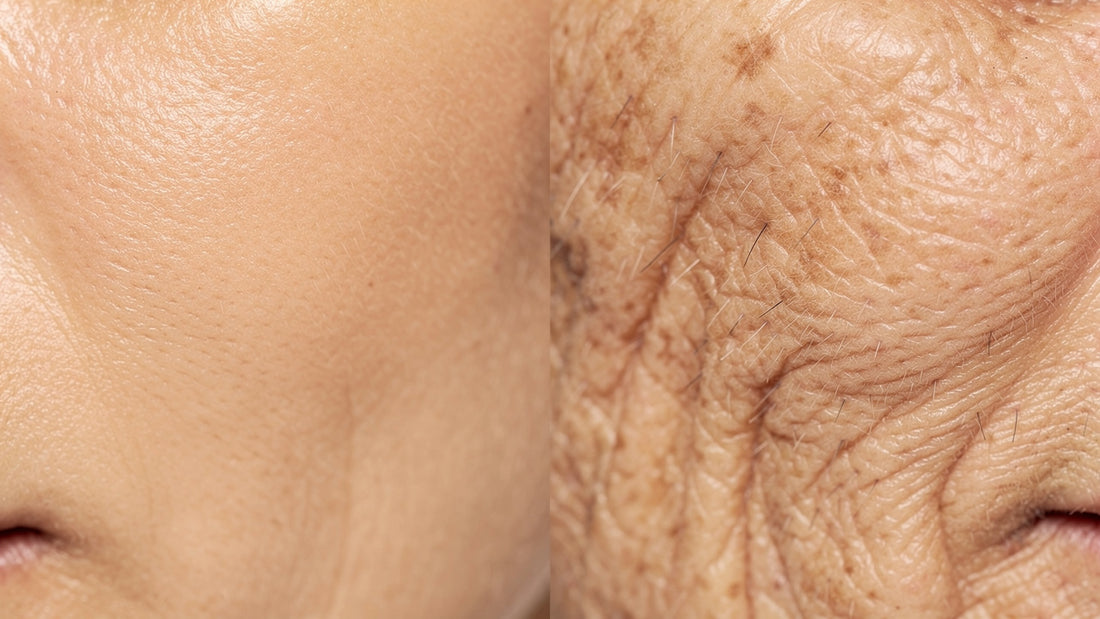
Collagen is the main structural protein that gives skin its firmness and bounce. Fibroblasts in the dermis make and maintain this collagen network. Sirtuin enzymes, especially SIRT1 and SIRT6, help these fibroblasts stay active. They depend on NAD+ to work.
When NAD+ for Skin is high:
- Sirtuins turn down the genes for MMP-1, an enzyme that breaks down collagen fibers.
- They support genes that build new collagen.
- The balance stays tipped toward renewal rather than loss.
As NAD+ drops with age, sirtuin activity falls, MMP-1 rises, and collagen is lost faster than it is replaced. Skin starts to crease and lose elasticity.
Researchers are studying whether raising NAD+ can shift that balance back, by giving fibroblasts more energy and letting sirtuins hold collagen-degrading enzymes in check. Collagen loss is not just a story of sun exposure at the surface. It begins deep in the cell when its own protective enzymes go quiet as NAD+ declines.
Cellular Senescence, SASP, And Skin Degradation
Cellular senescence is a state where a cell stops dividing but does not die. These senescent cells often show up in aged skin as old fibroblasts and keratinocytes that no longer do their jobs. They do not make enough collagen or elastin, yet they remain highly active in a different way.
Senescent cells pour out a mix of inflammatory compounds, enzymes, and growth factors called the Senescence Associated Secretory Phenotype (SASP). This mix includes more MMP-1 and related enzymes that chew through the surrounding extracellular matrix. Nearby healthy cells are exposed to constant low-level stress from this cloud of SASP factors.
Low NAD+ encourages senescence. It tips cells toward this stuck, “zombie” state instead of healthy repair or controlled cell death. In preclinical work, restoring NAD+ has reduced senescent cell burden in tissues, including dermal fibroblasts. Fewer senescent cells mean less SASP, less ongoing matrix damage, and a skin environment that is friendlier to repair.
DNA Damage, Mitochondrial Dysfunction, And Proteostasis In Skin
Skin lives on the front line. UV rays hit it every day, and each hit can damage DNA. PARP1, SIRT1, and SIRT6 use NAD+ to find and repair those breaks. When NAD+ runs low, these enzymes cannot keep up. DNA errors build up, which then feed faster aging over a lifetime.
Mitochondria in skin cells also decline with age. This loss in power plants is tightly tied to more MMP-1, less collagen, and dermal thinning. NAD+ is central to mitochondrial ATP production and to mitophagy, the process that clears damaged mitochondria. Better NAD+ for Skin means better energy and cleaner mitochondria, which supports faster turnover and regeneration.
Another piece is proteostasis, or protein quality control. Over time, sugars stick to collagen and other proteins to form Advanced Glycation End products, known as AGEs. These make tissue stiff and brittle. SIRT1, fueled by NAD+, activates autophagy, a cleanup system that removes damaged proteins and other junk. More NAD+ supports better autophagy, less AGE buildup, and more flexible, resilient dermal tissue.
How To Restore NAD+ Levels From Lifestyle To Advanced Supplementation
The good news is that NAD+ for Aging is not fixed. It can move up or down depending on habits, environment, and targeted support. The best results come from layers that work together. Lifestyle sets the base. Supplements add extra support. Delivery method and full-pathway design shape how much of that support reaches the body.
For most, the smartest plan starts simple and adds more advanced tools as goals and age change. Someone in their late thirties may do well with strong habits and a good NMN product. A forty-five-year-old executive with clear fatigue and skin changes may want a more complete Sync Stack.
Lifestyle-Based NAD+ Support

Several everyday choices support higher NAD+ and healthier skin from the ground up:
- Exercise: Both aerobic and resistance training increase NAMPT in muscle. Since NAMPT runs the salvage pathway, better levels mean stronger NAD+ recycling. Regular workouts help counter the natural drop in this enzyme that comes with age.
- Caloric restriction and time-restricted eating: When cells sense less incoming energy, they shift into a mode that favors repair and stress resistance. NAD+ levels climb and sirtuins turn on. Many of the benefits linked to fasting, such as better metabolic health and slower aging signals, run through this NAD+ and sirtuin axis.
- Sleep and circadian rhythm: NAD+ production follows a daily cycle. Going to bed and waking at consistent times supports the enzymes that build and recycle NAD+. Poor sleep, jet lag, and irregular schedules can push these systems off track.
- Dietary support: Foods like avocados, edamame, and lean meats provide niacin forms that feed into NAD+ pathways. These foods help, but they act more as gentle support than as a stand-alone fix.
For people over forty, lifestyle alone often cannot fully correct NAD+ decline. It is still vital as a foundation, and supplements are best treated as an addition to it.
Oral Precursor Supplements NMN And NR
Two vitamin B3 derivatives, NMN and NR, are the most studied oral tools for NAD+ for Aging. Once taken by mouth, they enter cells and feed into the biosynthesis routes that build fresh NAD+. Human trials show both can raise NAD+ levels in blood and are generally well tolerated.
- NMN (nicotinamide mononucleotide) sits close to NAD+ in the salvage pathway. It converts to NAD+ in one step.
- NR (nicotinamide riboside) converts to NMN first, then to NAD+.
In practice, both can work as effective building blocks. Early human research with NMN points to better muscle insulin sensitivity and lower blood triglycerides in some groups.
The main limit of precursors is that they mostly solve supply. They do not directly lower CD38, and they do not fix the age-related fall in NAMPT. If the bucket is full of holes, pouring in more water helps, but some leaks remain. This is why many experts now suggest a systems-based approach that looks at supply, loss, and recycling together, especially for people over forty or those focused on healthy aging.
Why Bioavailability And Delivery Method Are The Deciding Factors In NAD+ Supplementation
With NAD+ for Aging, what matters is not just what you take but how much reaches your cells in active form. The NAD+ molecule itself is unstable in the gut and has trouble crossing cell membranes. Many standard pills barely move blood levels, let alone tissue levels, especially when used at low doses.
Bioavailability describes how much of a compound actually gets into circulation in a form the body can use. Oral NMN and NR can raise NAD+, yet a large share is lost to digestion and first-pass metabolism in the liver. On the other hand, clinic IV drips push NAD+ straight into blood yet raise fair questions about whether that NAD+ enters cells.
Newer routes, such as intranasal delivery, take a different approach: the spray is absorbed through the lining of the nose instead of being swallowed. For busy people who want meaningful change without clinic visits, this kind of at-home option fits both science and schedule.
|
Delivery Method |
Bioavailability |
Convenience |
Cost |
Evidence Quality |
|---|---|---|---|---|
|
Oral supplements such as NMN or NR |
Varies by form |
Simple daily use at home |
Low to moderate |
Moderate and growing |
|
NAD+ IV therapy |
Variable and cell uptake is unclear |
Low, clinic visits required |
Very high, often 1,000 dollars or more per session |
Limited and mixed |
|
Intranasal NAD+ nasal spray |
Absorbed through the lining of the nose |
High, quick home use |
Moderate |
Emerging and promising |
The Problem With IV NAD+ Therapy
Clinic IV infusions of NAD+ look appealing at first glance. Advertisements promise better energy, sharper focus, and slower aging in one expensive drip. Many high-profile users talk about feeling great afterward. Yet leading researchers in aging science remain very cautious about this method.
Several problems stand out:
- Strong human data proving that IV NAD+ enters cells and changes key outcomes are still missing.
- Some experts have said bluntly that intramuscular and IV NAD+ intake makes little sense based on current science.
- Side effects such as nausea, chest tightness, and mental fog are common reports during fast infusions.
Cost adds another layer. At over one thousand dollars per session at many clinics, IV NAD+ for Aging is hard to justify without strong evidence. It is also intermittent. A drip every few weeks does not match the daily support that aging cells need. For most people, IV therapy is an expensive, uncomfortable, and uncertain option.
How Synchronicity Health Bridges The Gap
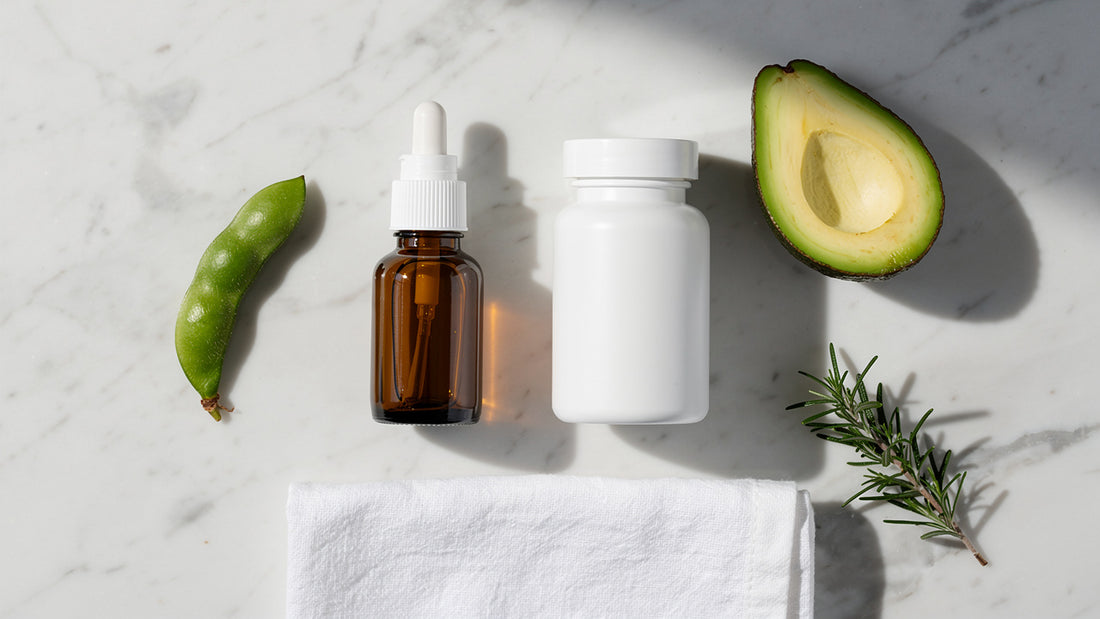
Synchronicity Health was built to give people a smarter path between low-impact pills and high-price clinic drips. Its NAD+ Nasal Spray is absorbed through the lining of the nose instead of being swallowed.
The company pairs this spray with Enhanced NMN, which feeds the cell’s own NAD+ production routes. This base of precursors keeps supply strong. The nasal spray then adds NAD+ itself, absorbed through the lining of the nose. Together, they cover both the production and delivery sides.
Synchronicity Health organizes these tools into flexible Sync Stacks. The Longevity Stack, for example, combines Enhanced NMN, NAD+ Nasal Spray, and Glutathione. This stack helps with NAD+ supply and supports energy production. Formulas follow a clean-label standard and are made with third-party tested ingredients, so health-conscious users know what they are getting. The result is a practical home protocol that makes robust NAD+ for Aging support available without waiting rooms or IV lines.
What The Science Says: Evidence From Preclinical Studies And Human Trials
NAD+ for Aging has earned strong interest because basic science lines up with early results. Still, it is important to separate what has been shown in animals from what is known in humans. Animal studies let researchers control diet, genes, and environment. Human lives are far messier.
Across many animal models, especially mice, restoring NAD+ to youthful levels has changed a wide range of aging signs. These include better heart and vessel health, stronger muscles, sharper brain function, and longer lifespan. Human trials, while fewer and shorter, have found measurable rises in blood NAD+ and some encouraging changes in health markers.
Preclinical Studies And Compelling Evidence For NAD+ Restoration
In mice, NAD+ levels also fall with age. When researchers use NAD+ precursors to raise those levels back toward youthful ranges, the results touch many systems:
- Blood vessels relax better.
- Markers of oxidative stress fall.
- Metabolic health improves, even in animals fed high-fat or high-sugar diets.
Muscle studies show better strength, more endurance, and higher mitochondrial function after NAD+ restoration. Muscle stem cells also look and act more like younger cells, which supports better repair after injury. In brain models, including those used to study age-related memory loss, boosted NAD+ links to improved cognition and faster nerve regeneration.
Work on skin and related tissues shows better mitophagy and healthier keratinocyte function when NAD+ is restored. Several studies also report longer lifespan in mice on long-term NAD+ precursor plans. Together, these data give strong biological support for the idea that NAD+ for Aging can bend how fast cells deteriorate, at least in animals.
Human Clinical Trials Promising But Still Evolving
Human research on NAD+ is newer and more complex. The good news is that trials with NMN and NR show clear rises in blood NAD+ and a good safety profile. Doses used in studies have generally been well tolerated, with few serious side effects reported.
Several benefits have appeared across early human trials, including a randomized study examining the effects of nicotinamide riboside on NAD+ levels and cognition:
- Older men taking NAD+ precursors have shown lower inflammatory cytokines in blood after a few weeks.
- Some studies report trends toward lower systolic blood pressure and reduced aortic stiffness.
- In women with above-normal blood sugar, NMN improved muscle insulin sensitivity.
Other studies, especially with NR, have measured mitochondrial function and exercise responses. Research on NAD+ for Aging in humans builds on strong mechanism work, and trials continue to add data. For health-focused people, NAD+ fits best as one layer of a daily longevity routine.
For what the research shows in women and in men, including what it does and does not show about skin, see NAD+ benefits for women and men.
Integrating NAD+ Into Your Healthy Aging And Skin Health Routine
Turning science into real change means building a routine that fits your life. NAD+ for Aging works best as a layer on top of strong basics, not in place of them. Once sleep, food, movement, and sun care are in a good place, NAD+ support can push cellular systems in a better direction.
A practical structure looks like this:
-
Build the foundation
- Aim for seven to nine hours of consistent sleep.
- Train with regular strength and cardio sessions.
- Eat a diet centered on whole foods with enough protein and colorful plants.
- Protect skin with daily mineral or chemical sunscreen.
- Consider a nighttime retinoid for direct support of collagen and cell turnover.
These steps lower the load on NAD+-dependent systems before you even add a supplement.
-
Add precursor support
- For many people in their thirties and early forties, adding a high-quality NMN capsule is a strong starting point.
- Synchronicity Health’s Enhanced NMN feeds the salvage pathway directly, giving cells more raw material to make NAD+.
-
Layer in advanced delivery
- For those over forty, or for anyone already feeling a clear drop in energy, recovery, or skin quality, an advanced Sync Stack makes sense.
- Combining Enhanced NMN with Synchronicity Health’s NAD+ Nasal Spray pairs two routes. The nasal spray is absorbed through the lining of the nose and is used once or twice daily, while the capsules keep a steady base.
- Adding Cordyceps, one of the mushrooms in Forage, can support mitochondrial output, which pairs well with higher NAD+.
For skin-specific goals, research links NAD+ to collagen upkeep, senescent cells and autophagy, though most of that work is preclinical. When combined with daily sunscreen and smart topical care, this gives both internal and external support to aging skin.
The final piece is consistency. NAD+ systems respond to daily input, not one-time events. A home protocol built around daily NMN, regular use of NAD+ Nasal Spray, and steady lifestyle habits will do far more than a rare IV drip or a short fad. Judge it over months, not days.
Conclusion
NAD+ sits at the center of how cells create energy, repair DNA, and keep their structure intact. As levels fall with age, sirtuins and PARPs go quiet. DNA damage builds, mitochondria falter, and collagen breaks down. Senescent cells collect and pour out SASP factors that thin skin and inflame tissue. The result is the familiar picture of aging skin, slower recovery, and lower day-to-day performance.
The science behind NAD+ for Aging shows that this decline is not set in stone. Lifestyle habits, oral precursors like NMN, and newer delivery methods can move NAD+ back toward more youthful ranges. Human trials are still catching up to the strong animal data, yet the safety record and mechanistic support are already solid enough for careful, informed use.
The smartest plan starts with sleep, movement, food, and sun care, then adds NAD+ support as a targeted amplifier. For many, that means Enhanced NMN as a base, followed by advanced tools such as Synchronicity Health’s NAD+ Nasal Spray. With clean-label guidance, third-party tested ingredients, and systems-based Sync Stacks, the brand offers a clear path between drugstore pills and expensive IV clinics.
Aging will always move forward. Yet how quickly your cells lose repair power, how long your skin holds its structure, and how steady your energy feels are no longer just matters of luck. With the right mix of habits and NAD+ support, you can guide that curve in a better direction. To explore options built on this science, many start with Synchronicity Health’s NAD+ Nasal Spray and Sync Stacks as the core of a modern healthy aging plan.
Sources
- Bohr VA. Promising Results With NAD Supplementation in Rare Diseases With Premature Aging and DNA Damage. Aging Cell, 2026. PMC
- Wu CY et al. Effects of nicotinamide riboside on NAD+ levels, cognition, and symptom recovery in long-COVID: a randomized controlled trial. eClinicalMedicine, 2025. eClinicalMedicine
- Massudi H et al. Age-associated changes in oxidative stress and NAD+ metabolism in human tissue. PLoS One, 2012. PubMed
FAQs
Before diving into specifics, it helps to address some of the most common questions about NAD+ for Aging and NAD+ for Skin. These answers give quick, practical context and tie back to the core science covered above.
What does NAD+ actually do for your skin?
NAD+ powers enzymes such as sirtuins and PARPs that repair UV-induced DNA damage in skin cells. It supports fibroblasts so they can keep making collagen and helps lower MMP-1, the enzyme that breaks collagen apart. NAD+ also activates autophagy, which clears AGEs and damaged proteins from the dermis. In preclinical studies, restoring NAD+ also lowered the number of senescent “zombie cells” that release inflammatory compounds.
At what age does NAD+ start declining?
NAD+ levels begin to slip from early adulthood and fall more sharply by middle age. Research in human skin shows that NAD+ levels fall with age (Massudi, 2012). This timing lines up with common reports of lower energy, weaker recovery, and faster visible aging. If you are considering NAD+ support, talk with your clinician about timing.
Is NAD+ IV therapy worth the cost?
Based on current evidence, NAD+ IV therapy is hard to justify for most people. Top researchers, including leaders at major aging institutes, have raised doubts about whether IV NAD+ enters cells in meaningful amounts. Reports of nausea, chest pressure, and mental fog during fast drips are common, and sessions often cost over one thousand dollars. Intranasal NAD+ and oral precursors provide a more accessible, convenient, and science-aligned way to support NAD+ for Aging.
What is the difference between NMN and NR for healthy aging?
NMN and NR are both vitamin B3 based NAD+ precursors that raise NAD+ levels in human trials. NMN sits one step away from NAD+ in the salvage pathway, while NR converts to NMN first and then to NAD+. That means NMN follows a slightly shorter route. Both are usually well tolerated. Early work with NMN has shown specific benefits for muscle insulin sensitivity and lower triglycerides. In practice, quality of the product and overall delivery strategy often matter more than choosing only one molecule.
How long does it take to notice results from NAD+ supplementation?
Timeline depends on form, dose, and baseline health. Oral precursors such as NMN may take several weeks to build higher blood NAD+ levels. Skin changes move slower, since collagen remodeling and senescent cell shifts take time, so visible benefits tend to show over several months of consistent NAD+ for Skin support. For more information, check out our blog.
Featured in this article
NAD+ Nasal SpraySupports cellular energy, focus and healthy aging. A needle-free alternative to NAD+ IV.
Shop NAD+ Nasal SprayThird-party tested ingredients. Vegan, non-GMO, made in the USA.


Leave a comment
All comments are moderated before being published.
This site is protected by hCaptcha and the hCaptcha Privacy Policy and Terms of Service apply.