

Introduction
Picture a power grid that quietly runs every home, office, and hospital in a city. Now imagine that grid slowly losing power with age. That is close to what happens inside the body when NAD+ levels fall, and it is why NAD+ for longevity has become a serious focus for scientists and performance-focused people alike.
NAD+ is a tiny coenzyme that sits inside every cell. It helps turn food into energy, supports DNA repair, and keeps inflammation signals in check. Research shows that NAD+ levels fall with age in human tissue. For many, that drop shows up as slower recovery, energy crashes, brain fog, and nagging inflammation that never quite settles down.
At the same time, many people are frustrated with expensive IV clinics, confusing supplement shelves, and mixed messages about what actually works. This guide cuts through the noise and looks at NAD+ for longevity using real science. It explains why NAD+ levels fall, how that shift relates to inflammation and aging, what the current research shows, and the main ways people support NAD+ levels, including NAD+ spray delivery.
Along the way, it also shows how Synchronicity Health’s approach uses nasal NAD+, Enhanced NMN, and Sync Stacks to give robust support at home for a fraction of IV costs. This is not about anti-aging marketing. It is about understanding the cellular machinery of aging and learning how to work with it on a daily basis.
Key Takeaways
- NAD+ is a master coenzyme that every cell depends on for energy, DNA repair, and inflammation control. When levels fall, the result can be fatigue, slower recovery, brain fog, and faster biological aging. Supporting NAD+ for longevity means supporting nearly every major system in the body at once.
- With age, NAD+ is used up faster than it is rebuilt, mainly because of DNA repair enzymes and inflammatory enzymes that burn through it. At the same time, the main recycling enzyme slows down. This double hit is why lifestyle alone often cannot keep NAD+ where it needs to be after midlife, and why research on NAD+ and inflammation matters.
- Research in animals and humans shows that restoring NAD+ levels can improve blood vessel function, support mitochondrial health, and lower inflammatory markers. Exercise, fasting, and diet all help, but high-bioavailability options such as NAD+ spray, paired with NMN and smart stacking, offer a systems-based, at-home alternative to costly IV therapy through Synchronicity Health.

Featured in this article
NAD+ Nasal SpraySupports cellular energy, focus and healthy aging. A needle-free alternative to NAD+ IV.
Shop NAD+ Nasal SprayThird-party tested ingredients. Vegan, non-GMO, made in the USA.
What Is NAD+ and Why Does It Matter for Longevity?
Nicotinamide adenine dinucleotide, or NAD+, is a coenzyme present in every living cell. It cycles between two forms, NAD+ and NADH, as it shuttles electrons during normal metabolism. That simple switch is what lets cells pull energy out of glucose and fats and move it into ATP, the molecule that powers muscles, nerves, and organs.
NAD+ also has a second, less obvious role that is just as important. It serves as a required partner for enzymes that handle DNA repair, epigenetic control, and stress responses. These include sirtuins, sometimes called “longevity proteins,” and PARPs, which help fix damaged DNA. When these enzymes run, they consume NAD+ in the process, drawing from the same pool that fuels energy production.
Put simply, NAD+ helps cells:
- Make energy: driving ATP production in mitochondria.
- Repair damage: supporting PARPs and other DNA repair systems.
- Coordinate stress responses: activating sirtuins that guide how cells respond to injury, toxins, and metabolic strain.
Because of that, many researchers think of NAD+ as a metabolic messenger. It “tells” the cell whether there is enough energy available to run repair and defense programs or whether the focus must stay on basic survival. When NAD+ is plentiful, cells can make ATP efficiently, repair genetic damage, and dial down excessive inflammation. When NAD+ is scarce, energy drops, DNA damage piles up, and inflammatory pathways are harder to control.
This wide reach is why NAD+ for longevity is more than just another supplement trend. Metabolomics studies show that NAD+ touches nearly all of the major hallmarks of aging, from genomic instability to mitochondrial decline. Supporting healthy NAD+ is like stabilizing the power grid for the whole body, not just flipping one local switch.
Why NAD+ Levels Decline With Age, And What Drives the Depletion

Researchers have measured a clear, steady drop in NAD+ across many human tissues with age. Liver, skin, brain, skeletal muscle, blood plasma, and immune cells all show lower NAD+ in older adults compared with younger ones. Animal models show a similar decline with age.
This is not just a slow leak. With age, NAD+ use rises at the same time that the main recycling system slows down. Inside cells, most fresh NAD+ comes from the salvage pathway, which rebuilds it from nicotinamide. The rate-limiting step in that process is an enzyme called NAMPT. As NAMPT activity falls, the recycling “factory” runs at lower capacity, even while demand keeps climbing.
Several forces push NAD+ down at once:
- More damage: oxidative stress and toxins damage DNA and proteins, activating NAD+-hungry repair enzymes.
- Weaker recycling: lower NAMPT activity limits how fast NAD+ can be rebuilt.
- Chronic inflammation: immune enzymes that burn NAD+ stay switched on for longer.
The result is an energy and repair bottleneck. DNA damage, oxidative stress, and chronic inflammation all push NAD+ consumption higher. The weakened salvage pathway cannot keep up, so NAD+ pools shrink over time. This loss then feeds back into the same stress pathways, since low NAD+ makes it harder to repair damage or regulate inflammatory signals. The cycle keeps repeating, which is why NAD+ depletion can become a driver of aging rather than a side effect.
The Role of PARPs, CD38, and Inflammaging
Two enzyme families account for much of this extra NAD+ use with age. One group is the PARPs, especially PARP1, which is central to DNA repair. Every time DNA is damaged by UV light, toxins, or normal metabolism, PARP1 activates and burns through NAD+ as it patches the breaks. In older cells, where damage is more frequent, PARP1 can run almost constantly and drain large amounts of NAD+. During intense immune challenges, PARP activation can become so intense that it crashes cellular NAD+ in a short time.
The second major player is CD38, an enzyme involved in immune and inflammatory signaling. CD38 levels rise with age, pushed upward by a background of chronic, low-grade inflammation often called inflammaging. CD38 also consumes NAD+ directly, and higher expression turns it into a major sink for the already-limited NAD+ pool.
This creates a tight loop:
- More inflammation raises CD38 expression.
- CD38 burns more NAD+.
- Lower NAD+ weakens sirtuin activity that would normally help quiet inflammatory genes.
In this way, inflammaging is not just a side effect of aging; it is a major reason that NAD+ is now studied as central to long-term health.
NAD+ and Inflammation: The Cellular Science Behind the Connection
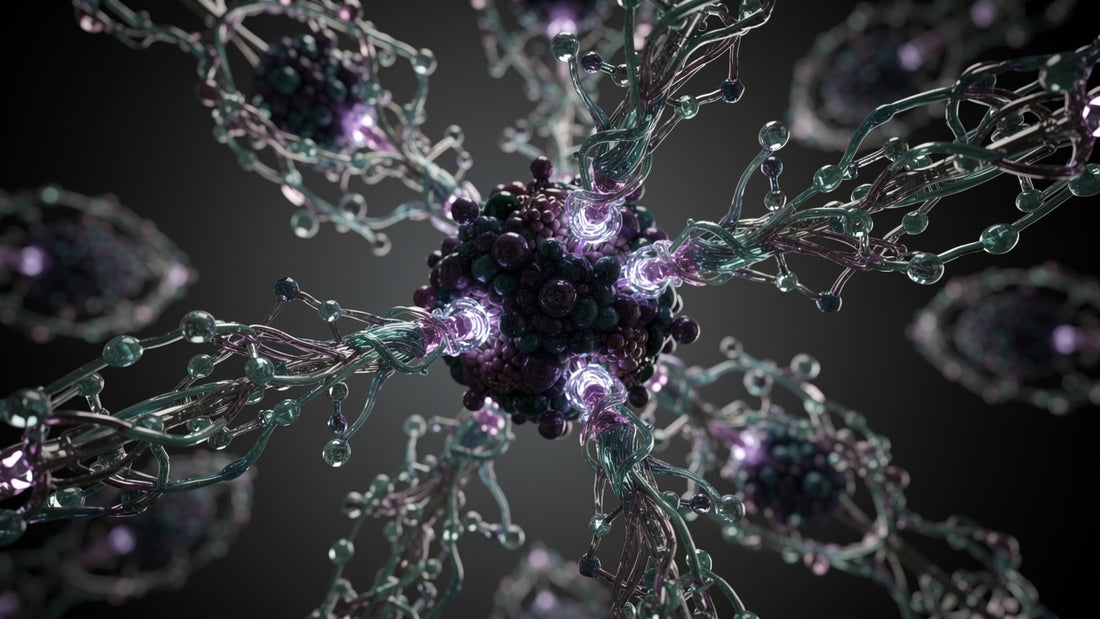
Inflammation itself is not the enemy. Short bursts after a workout or during an immune response help the body repair and defend. Problems start when inflammation never fully turns off. That constant low-level signal, common with age, high stress, poor sleep, and extra body fat, is what researchers call inflammaging.
Inflammaging and NAD+ depletion feed each other in both directions. On one side, inflammatory signals boost CD38 expression on immune and other cells. CD38 then consumes NAD+ at a higher rate, leaving less available for sirtuins and other protective enzymes. Inflammatory processes also raise oxidative stress, which increases DNA damage and activates PARP1, burning even more NAD+. The more “turned on” these pathways remain, the faster the NAD+ pool shrinks.
On the other side, low NAD+ makes inflammation harder to control. SIRT1, a key NAD+-dependent enzyme, normally helps keep the NF-κB pathway, a main driver of inflammatory gene expression, under control. When NAD+ levels fall, SIRT1 cannot do its job as well, and pro-inflammatory cytokines rise. This is part of why people with lower NAD+ often show higher markers of systemic inflammation and slower recovery after stress.
Early human studies support this model. In older men, just three weeks of daily NAD+ precursor intake led to a measurable drop in circulating inflammatory cytokines. In patients with heart failure, boosting NAD+ improved mitochondrial function in immune cells and lowered pro-inflammatory signals at the same time. For athletes, this can mean less soreness and quicker bounce-back. For busy professionals, it can mean fewer flare-ups of aches, clearer thinking, and steadier energy.
|
Condition |
Effect on NAD+ and Inflammation |
|---|---|
|
Chronic inflammation |
Raises CD38 and PARP activity, which consumes NAD+ faster than normal. |
|
Low NAD+ |
Weakens SIRT1 control of NF-κB, so inflammatory genes stay active. |
|
Restored NAD+ levels |
Supports better mitochondrial function and lower inflammatory markers. |
Viewed this way, NAD+ and inflammatory balance are closely linked. It sits at the center of how the body manages both stress and aging.
Chronic inflammation is a common thread that links many age-related health changes.
How NAD+ Decline Accelerates the Hallmarks of Aging
Scientists often group the drivers of aging into nine “hallmarks,” such as genomic instability, mitochondrial decline, and stem cell exhaustion. These are not abstract ideas; they show up as weaker muscles, slower recovery, more fragile skin, and more strain on long-term health. NAD+ sits near the hub of this network.
Two main enzyme families connect NAD+ to many of these hallmarks. PARPs use NAD+ to repair DNA and keep the genome stable. Sirtuins use it to guide epigenetic patterns, direct mitochondrial clean-up, and control stress responses. When NAD+ is low, both groups slow down, and the hallmarks begin to speed up.
The links can be seen across the board:
- Less PARP and sirtuin activity makes it easier for DNA damage to build up, which speeds functional decline.
- Impaired sirtuins disturb epigenetic control, pushing genes into older expression patterns.
- Mitochondria lose both the fuel and the signaling they need to stay efficient, which shows up as feeling “tired at the cell level.”
The table below highlights how closely NAD+ for longevity is tied to these core aging pathways.
|
Hallmark of Aging |
Connection With NAD+ |
|---|---|
|
Genomic instability |
PARP1 and SIRT1/SIRT6 need NAD+ for effective DNA repair. |
|
Epigenetic alterations |
Sirtuins use NAD+ to keep youthful gene expression patterns in place. |
|
Mitochondrial dysfunction |
NAD+ fuels ATP production and supports SIRT1/SIRT3 mitochondrial control. |
|
Cellular senescence |
Low NAD+ favors senescent cell buildup and higher SASP output. |
|
Loss of proteostasis |
SIRT1-driven autophagy relies on NAD+ to clear damaged proteins. |
|
Stem cell exhaustion |
NAD+ support in models helps restore stem cell function and renewal. |
|
Altered communication |
NAD+ decline contributes to inflammaging and faulty cell signaling. |
Taken together, this explains why so many age-related issues move in the wrong direction when NAD+ falls. It is not one pathway breaking. It is a shared fuel shortage across many of the cell’s main defense systems.
From Mitochondrial Dysfunction to Cellular Senescence
Two of these hallmarks show up in daily life more than most. The first is mitochondrial dysfunction. Mitochondria are the tiny engines that turn NADH into ATP. When NAD+ is low, those engines cannot run at full capacity. At the same time, lower SIRT1 and SIRT3 activity slows the creation of new, healthy mitochondria and the removal of old, faulty ones. That combination means less energy and more oxidative stress, which many people feel as poor stamina, unrefreshing sleep, and workouts that leave them wiped out for days.
The second is cellular senescence. Senescent cells have stopped dividing, but they still sit in tissues and release inflammatory molecules, known as the SASP. Low NAD+ levels make it easier for these cells to build up, while also reducing the cell’s ability to clear them. Over time, this small but steady source of inflammation erodes nearby healthy cells and speeds tissue aging.
In real-world terms, low NAD+ may show up as:
- Needing longer to recover between workouts or stressful weeks.
- A sense that “all-nighters” or time zone shifts hit harder than they used to.
- More background aches, stiffness, or swelling after minor strains.
Addressing NAD+ for longevity therefore strikes at both of these issues at once. By restoring NAD+, cells can generate more ATP, recycle damaged mitochondria, and reduce the pool of senescent cells that pour out inflammatory signals. In daily life, that can translate to better training capacity, faster recovery from stress, and a body that feels younger than the calendar suggests.
What the Research Says: Preclinical and Human Evidence for NAD+ Restoration
Much of what we know about NAD+ comes from detailed work in animal models. When scientists restore NAD+ in middle-aged or older mice, they often see surprisingly broad benefits. Blood vessels relax more easily, oxidative stress markers fall, and measures of vascular stiffness improve. In metabolic studies, higher NAD+ supports insulin sensitivity and better control of blood sugar, even in animals on challenging diets.
Muscle tissue may benefit even more. In aging mice, NAD+ boosters improve mitochondrial function and ATP output in skeletal muscle. That shows up as better endurance, more strength, and a larger pool of healthy muscle stem cells ready to repair damage. In organs such as the liver, heart, and kidneys, higher NAD+ levels support faster recovery from injury and better structural repair.
The nervous system is another clear target. In animal models of brain aging, raising NAD+ has improved learning and memory tests and supported regrowth of nerve fibers. Separate studies show that NAD+ biosynthesis is essential for vision and that supporting it may help maintain retinal health in animal models. Even reproductive aging responds; in older female mice, NAD+ support has improved egg quality and restored fertility markers.
Human data is newer but follows the same pattern. In healthy middle-aged and older adults, daily NAD+ precursors have shown trends toward lower systolic blood pressure and reduced stiffness in major arteries. That suggests better vascular health, in line with animal data. In older men, a short, three-week course of NAD+ precursor intake lowered levels of several circulating inflammatory cytokines, consistent with the link between NAD+ and inflammation.
In patients with heart failure, NAD+ restoration has improved mitochondrial function in blood cells and reduced inflammatory markers at the same time. These human results point in the same direction as the preclinical work. Restoring NAD+ does not just make cells more energetic. It seems to improve their ability to repair, communicate, and keep inflammation under better control.
How to Boost NAD+ Levels: Lifestyle, Nutrition, and Supplementation
Foundational habits still matter. Exercise is one of the most reliable ways to raise cellular NAD+ and support the enzyme NAMPT. Both aerobic training and strength work signal muscle cells to increase their NAD+ and NADH content. Studies show these changes even in people who start out sedentary and middle aged, which means it is rarely “too late” to see gains.
Other daily habits can support NAD+ as well:
- Regular movement: a mix of walking, resistance training, and short intervals supports NAMPT and mitochondrial function.
- Sleep and circadian rhythm: consistent bed and wake times help coordinate metabolic pathways tied to NAD+ cycling.
- Stress management: chronic stress hormones can worsen inflammaging and accelerate NAD+ loss; breathing practices and mindfulness can help reduce that load.
- Limiting excess alcohol: heavy drinking adds oxidative stress and can deplete NAD+ in the liver.
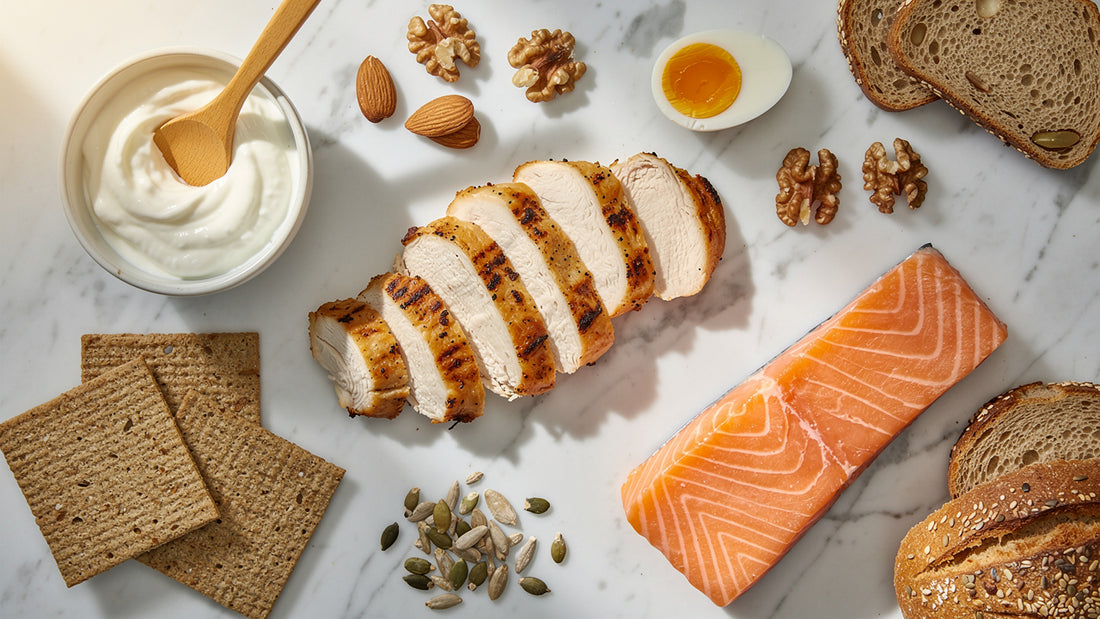
Dietary patterns also contribute. Periods of reduced calorie intake, such as intermittent fasting, trigger mild stress responses that push cells to make more NAD+ and activate sirtuins. Many of the lifespan gains seen in fasting animals appear to run through this pathway. A steady intake of NAD+ precursors from food adds to that base. Turkey, chicken, fish, eggs, dairy, whole grains, nuts, and seeds all provide forms of vitamin B3 and the amino acid tryptophan, which the body can turn into NAD+.
Even with strong habits, however, age-related changes in NAMPT and CD38 limit how far lifestyle can go on its own after midlife. This is where targeted supplementation comes in. Nicotinamide (NAM) is one option, since it is the direct product of NAD+ use and can be recycled. Nicotinamide riboside (NR) converts into NAD+ through a short path and has human data behind it. Nicotinamide mononucleotide (NMN) sits one step away from NAD+ in the salvage pathway and is the focus of many animal and human studies.
Synchronicity Health’s Enhanced NMN provides this direct precursor base in a form aligned with current research. Even so, precursor-only plans tend to work on the “supply” side alone. They pour more material into the system but do not address the increased consumption by PARPs and CD38 or the slower recycling caused by lower NAMPT. To support NAD+ for longevity in a deeper way, delivery method and enzyme balance both matter.
Why Delivery Method Changes Everything
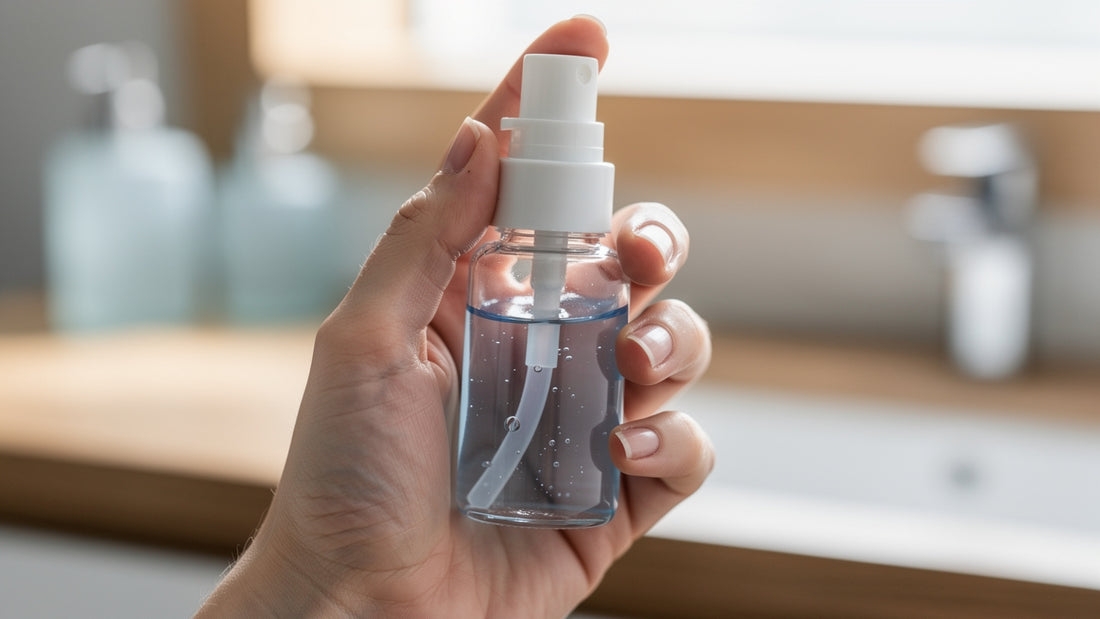
How NAD+ support gets into the body can change its impact just as much as what form is used. Oral NAD+ itself is poorly absorbed, since the molecule is large, unstable, and broken down in the gut.
Nasal delivery takes a different route. An NAD+ spray is absorbed through the lining of the nose instead of being swallowed like a capsule, so some of each dose skips digestion, and it is designed for high bioavailability. Nasal NAD+ reaches the bloodstream quickly.
Compared with IV therapy, nasal delivery offers another advantage. IV NAD+ can be effective, but it is expensive and time-consuming, often costing hundreds or thousands of dollars over a series of clinic visits. Nasal NAD+ spray offers a daily, at-home format with no needles or clinic visits. For people serious about NAD+ for longevity, that combination of high delivery and real-world convenience is hard to match.
Synchronicity Health: A Systems-Based Approach to NAD+ for Longevity

The science makes one point very clear. To make real progress on NAD+ for longevity, it is not enough to send in more precursors and hope for the best. A better plan supports supply, improves delivery into the body, and respects the enzymes that burn through and rebuild the NAD+ pool. Synchronicity Health was created around that systems view.
At the center is the Synchronicity Health NAD+ Nasal Spray. This is the flagship tool for daily NAD+ support. Because it is absorbed through the lining of the nose instead of being swallowed like a capsule, some of each dose skips digestion, and it is designed for high bioavailability. NAD+ supports the cellular systems behind mental clarity, steady energy, recovery, stamina, and mood. Individual responses vary. Our Longevity Stack combines NAD+ Nasal Spray, Enhanced NMN and Glutathione Nasal Spray.
Enhanced NMN sits beside the spray as a strong internal base. NMN feeds the salvage pathway directly, giving cells the raw material they need to rebuild NAD+ from the inside. Taken together, the spray and NMN form a two-sided plan, with one arm supplying fast systemic support and the other feeding long-term rebuilding inside cells.
Synchronicity Health’s Sync Stacks then layer in extra partners to match specific goals. The Longevity Stack combines NAD+ Nasal Spray, Enhanced NMN, and Glutathione for cellular energy and antioxidant support. The Metabolic Stack pairs Berberine Blend, Enhanced NMN, and OEA for blood sugar and metabolic goals. Every stack is built around the same idea, align supply, delivery, and consumption with what the research on NAD+ and aging actually shows.
All Synchronicity Health products are built to a clean-label standard grounded in aging biology and metabolic health. Formulas are made with third-party tested ingredients, checked for purity and potency, with every ingredient amount listed plainly on the label and no hidden proprietary blends. For many health-focused professionals and biohackers, this combination of research insight, strong delivery methods, and clear testing provides a grounded path toward NAD+ for longevity without the price tag of regular IV visits.
Safety, Side Effects, and How to Choose a Quality NAD+ Supplement
NAD+ precursors and related support products have shown a good safety profile for most healthy adults when used as directed in studies. Some people may notice mild side effects, especially at higher doses. These can include nausea, stomach discomfort, headaches, lightheaded feelings, loose stools, muscle cramps, or warm flushing of the skin with certain niacin forms. Such effects are usually dose-related and tend to settle when the dose is lowered or taken with food.
Certain groups should have a detailed medical discussion before starting any strong NAD+ support. People with a current or past cancer diagnosis need careful guidance, since fast-growing cells can also use extra energy. Those with serious liver disease should be cautious, because the liver processes many supplements. Pregnant and breastfeeding individuals should wait unless their own clinician recommends use, since long-term data in these groups is limited. Anyone planning long-term, higher-dose protocols should work with a knowledgeable practitioner who can monitor lab work and overall health.
People who take prescription medications should also ask about possible interactions, especially if they use drugs that affect the liver, immune system, or blood pressure. Sharing supplement plans with a primary care clinician or specialist helps avoid surprises.
Choosing a well-made product is just as important as picking the right form. The supplement field is not regulated like prescription drugs, so quality can vary widely. A few simple checks can protect both health and wallet:
- Independent testing: A good NAD+ product comes with third-party testing from an independent lab, and the company makes lab reports easy to see. These reports confirm that the bottle contains the stated ingredients and doses and that heavy metals or other contaminants are below safety limits. Clear access to this information helps a person feel confident about what is going into the body.
- Transparent labeling: Honest brands spell out every active ingredient and its amount on the label. They do not hide behind vague proprietary blends that list many items without telling how much of each is present. That level of clarity allows both users and clinicians to match doses to the research, avoid unexpected interactions, and keep track of what actually works.
- Good manufacturing practice: Manufacturing standards matter. Look for brands that follow Good Manufacturing Practices and can describe their quality controls in plain language. It is wise to focus on companies with a track record rather than outlets that appear overnight and make big promises without sharing details.
- Realistic claims and pricing: Be wary of products that promise overnight changes or use scare tactics about aging. NAD+ support is about steady, cellular-level gains, not instant fixes. It is also smart to question both very low prices, which may reflect weak raw materials, and extremely high prices that are not backed by added value such as better delivery or strong testing. Synchronicity Health was built around clean labels and third-party tested ingredients, while offering advanced options such as NAD+ spray at a fair price.
Conclusion
NAD+ sits at the crossroads of energy, repair, and inflammation control. When levels fall, as they often do by midlife, nearly every major system in the body feels the strain. The science now shows that this decline is not fixed. It is driven by specific enzymes and pathways, and those can be supported. That is why NAD+ for longevity has moved from lab curiosity to a serious focus for people who care about performance and long-term health.
The story of NAD+ and inflammation follows the same lines. Chronic, low-grade inflammatory signals burn through NAD+, while low NAD+ makes it harder to shut those signals off. Breaking that loop can mean better recovery, steadier energy, clearer thinking, and a slower rise in biological age markers.
The most effective plans bring together smart lifestyle habits, the right precursors, and delivery methods that actually reach the bloodstream, all while respecting how the NAD+ network really works. Synchronicity Health’s clean-label NAD+ Nasal Spray, Enhanced NMN, and Sync Stacks were designed with that systems view in mind. The science of aging has moved to the cellular level, and NAD+ is one of its key levers. The real question is how well that lever is being used day to day. Alongside NAD+ support, our Urolithin A + Spermidine Capsules pair urolithin A, which supports mitophagy, with spermidine, studied for its role in autophagy.
Sources
- Elhassan YS et al. Nicotinamide riboside augments the aged human skeletal muscle NAD+ metabolome and induces transcriptomic and anti-inflammatory signatures. Cell Reports, 2019. PubMed
- Zhou B et al. Boosting NAD level suppresses inflammatory activation of PBMCs in heart failure. Journal of Clinical Investigation, 2020. PubMed
- Martens CR et al. Chronic nicotinamide riboside supplementation is well-tolerated and elevates NAD+ in healthy middle-aged and older adults. Nature Communications, 2018. PubMed
- Freeberg KA et al. Dietary supplementation with NAD+-boosting compounds in humans: current knowledge and future directions. Journals of Gerontology Series A, 2023. PubMed
- Li W et al. CD38: an important regulator of T cell function. Biomedicine and Pharmacotherapy, 2022. PubMed
FAQs
Question 1: What is NAD+ and what does it do for the body?
NAD+ is a coenzyme found inside every cell, where it helps turn food into ATP, the main energy currency. It also serves as a required partner for repair enzymes that look after DNA, epigenetic patterns, and inflammatory balance. With enough NAD+, cells stay more energetic, resilient, and able to fix damage, which is why NAD+ for longevity is such an active research area.
Question 2: How is NAD+ linked to inflammation?
Research links the two in several ways. Higher NAD+ supports SIRT1, which helps keep NF-κB and other pro-inflammatory pathways under better control. At the same time, better NAD+ status can reduce the stress that keeps CD38 overactive, easing one of the main drains on the NAD+ pool. Human studies have already shown that a few weeks of NAD+ precursor intake can lower inflammatory cytokines in older adults, which fits the model of NAD+ and inflammation.
Question 3: What is the best way to take NAD+ for maximum absorption?
Direct oral NAD+ is not absorbed very well because it is broken down in the gut and processed heavily by the liver. Nasal delivery with NAD+ spray lets some of each dose skip digestion and is designed for high absorption, making it a strong choice for daily at-home use. IV therapy can also deliver high levels but is far more costly and time-consuming.
Question 4: How long does it take for NAD+ supplementation to work?
Timing depends on the form used, the delivery route, and the person’s starting point. NAD+ nasal sprays are absorbed through the lining of the nose, so the compound reaches the bloodstream quickly. Long-term gains in NAD+ for longevity come from steady daily support plus strong lifestyle habits.
Question 5: Is NAD+ supplementation safe for long-term use?
Current research suggests that NAD+ precursors are safe for most healthy adults at standard doses, with only mild side effects for a minority of users. Anyone planning ongoing, higher-dose protocols should work with a clinician. People with a history of cancer, serious liver disease, or those who are pregnant or breastfeeding should get medical advice before starting. Choosing products made with third-party tested ingredients and clear labels, such as those from Synchronicity Health, adds another layer of safety for long-term use.
Featured in this article
NAD+ Nasal SpraySupports cellular energy, focus and healthy aging. A needle-free alternative to NAD+ IV.
Shop NAD+ Nasal SprayThird-party tested ingredients. Vegan, non-GMO, made in the USA.


Leave a comment
All comments are moderated before being published.
This site is protected by hCaptcha and the hCaptcha Privacy Policy and Terms of Service apply.