
Introduction
Most people think of mood as something that lives only in the mind. Yet for people who wake up tired, feel wired but tense at night, and push through flat, low-energy days, energy at the cellular level is part of the picture. That is where NAD+ for mood comes into the picture.
Nicotinamide adenine dinucleotide (NAD+) is a tiny coenzyme present in every cell, constantly helping mitochondria turn food into energy. When NAD+ drops, cells run on low power. The brain, which demands a huge share of that power, may then show it as brain fog, low motivation, nervousness, and flattened mood. So the question is not only which neurotransmitter is “off,” but also whether the brain even has the energy to keep its chemistry in balance.
This article walks through what current science says about NAD+ and mental health. You will see how low NAD+ in key brain regions can produce stress-related and low-mood behavior in animals, how raising NAD+ changes those patterns, and what that might mean for humans. You will also see why delivery method matters, and how Synchronicity Health’s clean-label NAD+ Nasal Spray and Sync Stacks aim to give NAD+ for mood support at home, without IV clinic pricing. By the end, you will be able to decide whether targeting cellular energy belongs in your own mood and stress strategy.
NAD+ is one piece of the picture. Among plant extracts, saffron has a growing body of human trials for mood; our saffron supplement guide covers them, and our Saffron Mood and Calm Capsules (28 mg saffron extract with 200 mg L-theanine per serving) have a waitlist open. Saffron grading, standardized extracts and the amounts used in human studies are covered on our saffron extract reference page.
Key Takeaways
- NAD+ is a central energy coenzyme for the brain, and low levels are tightly linked to low-mood and stress-related behavior in animals. When cells cannot make enough ATP, mood regulation, focus, and resilience often suffer. This makes NAD+ for mood a serious scientific topic, not just a passing trend.
- Depleted NAD+ disrupts dopamine, serotonin, and norepinephrine while driving up stress hormones through the HPA axis. That mix pushes the brain toward tension, low mood, and poor stress control. Restoring NAD+ helps move those systems back toward balance in preclinical studies.
- NAD+ precursors such as NMN and NR raise cellular NAD+ and shift anhedonia, behavioral despair, nervousness, and cognitive problems in stressed animals. These behavioral changes track with healthier neurotransmitter levels and better brain plasticity markers. Researchers are now asking how these findings on NAD+ for mood apply to people.
- Delivery method matters. Intranasal NAD+ is designed for high bioavailability: it is absorbed through the lining of the nose instead of being swallowed like a capsule, so some of each dose skips digestion. That is why Synchronicity Health focuses on intranasal delivery for a faster onset.
- Synchronicity Health’s NAD+ Nasal Spray and Sync Stacks combine intranasal NAD+, NMN capsules, and mitochondrial allies for a systems-level approach. When paired with sleep, movement, and nutrition, this gives a practical way to support energy, stress resilience, and mood from the cellular level up.
You cannot separate mood from cellular energy. A tired brain struggles to think clearly, regulate emotions, and handle stress.

Featured in this article
NAD+ Nasal SpraySupports cellular energy, focus and healthy aging. A needle-free alternative to NAD+ IV.
Shop NAD+ Nasal SprayThird-party tested ingredients. Vegan, non-GMO, made in the USA.
What Is NAD+ And Why Does It Matter For Your Brain?
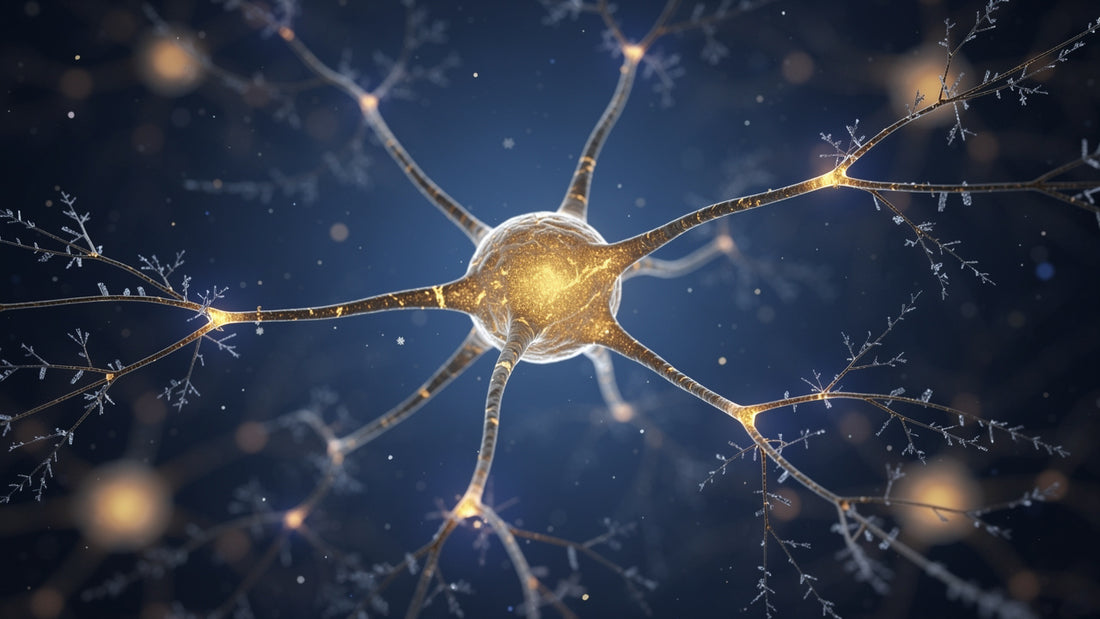
NAD+ is a coenzyme made from vitamin B3 that sits at the center of your cell’s energy pathways. It cycles between two forms, NAD+ and NADH, passing electrons along the mitochondrial electron transport chain. This electron flow drives the production of ATP, the molecule your cells use as their main fuel. Without adequate NAD+, that chain slows, and ATP output falls.
Mitochondria supply more than 90 percent of the body’s ATP. Every thought, heartbeat, memory, and muscle contraction depends on that stream of energy. NAD+ feeds over five hundred enzyme-driven reactions, not only in energy metabolism but also in DNA repair, antioxidant defense, and cell signaling. When NAD+ is steady, cells can repair damage, manage inflammation, and keep their internal environment stable. When NAD+ falls, that balance starts to tilt.
The brain is especially sensitive to these shifts. It makes up only a small fraction of body weight, yet uses roughly a third of available energy. Neurons must keep long axons charged, fire signals quickly, and reset themselves in milliseconds. That takes immense ATP. If NAD+ drops, the brain is one of the first organs to feel the pinch, and NAD+ for mood becomes more than an abstract idea.
NAD+ also activates sirtuins such as SIRT1, proteins involved in gene expression, stress resistance, and neuronal plasticity. These pathways influence how brain cells adapt to experience, repair themselves, and respond to stress hormones. Age, chronic stress, poor sleep, processed food, and toxins all speed up NAD+ loss. Research suggests that by about age forty, NAD+ may already be down by around forty percent.
By age 40, NAD+ levels may have already dropped by 40 percent, quietly weakening brain energy, mood stability, and stress resilience. This sets the stage for the next question: what actually happens in the brain when NAD+ falls too low?
The Neurological Connection: How Low NAD+ Affects Stress And Mood
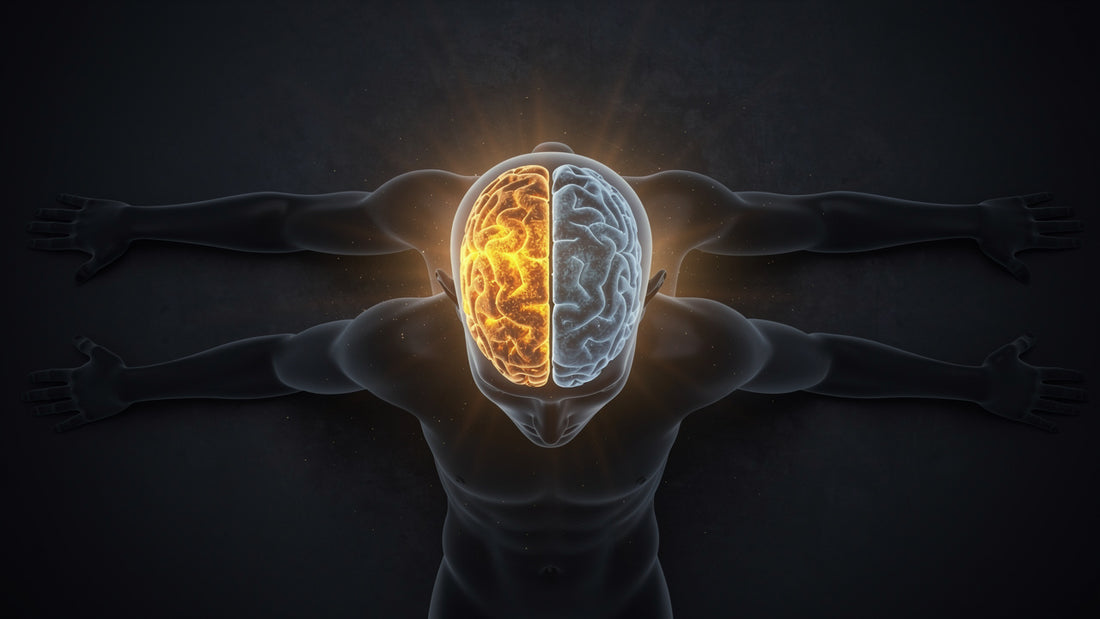
To see how NAD+ connects to mood, researchers zoomed in on the enzyme NAMPT. NAMPT runs the salvage pathway, the main route your body uses to recycle nicotinamide back into NAD+. Think of NAMPT as the rate-limiting gatekeeper; when it slows, NAD+ production drops. Problems with this pathway have been linked with metabolic changes and brain aging.
One key brain region for mood is the prefrontal cortex (PFC). The PFC helps regulate emotion, plan behavior, and control impulses. In people with persistent low mood and stress, this area often shows structural and functional changes. Scientists asked a sharp question here: what happens if NAD+ is selectively reduced only in the PFC?
In the Namptflox/flox mouse model, researchers shut down NAMPT in the PFC while leaving the rest of the brain largely intact. As expected, NAD+ in that region dropped by roughly 40 to 60 percent. Behavior changed across several tests:
- Forced Swimming and Tail Suspension tests: mice stopped trying to escape sooner, a pattern read as behavioral despair.
- Sucrose Preference Test: they lost interest in sweetened water, a clear signal of anhedonia.
- Open Field Test: NAD+-depleted mice avoided the center and moved less, a classic stress-related behavior.
- Novel Object Recognition Test: they did not show normal curiosity for a new object, pointing to weaker recognition memory.
- Social interaction and dominance tests: less social engagement and lower dominance when paired with normal mice.
A single, surgical reduction of NAD+ in the PFC was enough to mimic a full picture of low mood and stress-related behavior.
Corticosterone, the main stress hormone in rodents, also climbed in these animals. That rise mirrors the chronically activated HPA stress axis seen in people with persistent low mood. Because SIRT1 depends on NAD+, lower NAD+ in the PFC also likely dampens SIRT1-linked mood pathways in regions such as the nucleus accumbens.
A quick side-by-side view highlights how important NAD+ in the PFC appears to be.
|
NAD+ Status In PFC |
Behavioral And Stress Outcomes |
|---|---|
|
Healthy NAD+ |
Normal sucrose interest, active escape behavior, steady movement, normal sociability, balanced stress hormones |
|
Low NAD+ |
Anhedonia, behavioral despair, stress-related avoidance, weaker memory, social withdrawal, elevated corticosterone |
When you look at this table, it becomes easier to see why many researchers now view NAD+ for mood as a core biological target, not a fringe idea.
NAD+ And Neurotransmitters: The Dopamine, Serotonin, And Norepinephrine Link
Three brain messengers come up again and again in mood research. Serotonin shapes well-being and emotional stability. Dopamine drives motivation, reward, and focus. Norepinephrine keeps you alert and supports attention and energy. Together, these monoamines hold a large share of the mood puzzle.
In the NAMPT knockout mice, lowering NAD+ in the PFC did not just lower one of these transmitters. Levels of dopamine, norepinephrine, and serotonin all dropped. That is a striking pattern, because it shows that NAD+ sits upstream from several mood systems at once. Instead of nudging one chemical, NAD+ supports the energy and enzyme function the brain needs to make and recycle all three.
Research on NAD+ for mood looks at the metabolic layer: whether the neuron has enough ATP and raw material to make transmitters in the first place. When NAD+ is restored, the cell’s own machinery for building and balancing transmitters has the energy to run again.
NAD+ also interacts with the BDNF-CREB pathway, another key mood axis. CREB is a transcription factor that, when phosphorylated, turns on genes for brain-derived neurotrophic factor (BDNF). BDNF supports neuron survival, growth, and synaptic strength. In NAD+-depleted animals, the ratio of active pCREB to total CREB falls, which weakens BDNF signaling.
In the Chronic Unpredictable Mild Stress (CUMS) rat model, supplementing with nicotinamide riboside (NR) shifted that pattern back. NR raised NAD+, restored dopamine in the PFC, and raised both BDNF and the pCREB/CREB ratio in the PFC and hippocampus. In plain terms, adding back NAD+ helped the brain rebuild the circuit-level plasticity that supports learning, stress adaptation, and mood.
Instead of asking whether serotonin or dopamine is “broken,” it may be more useful to ask whether the neuron has the energy and raw materials it needs. That is the heart of NAD+ for mood.
What Preclinical Research Shows About NAD+ And Mood-Related Behavior
Knowing that low NAD+ can trigger mood problems is only half the story. The more practical question is whether raising NAD+ can help move those patterns back toward normal. Here the CUMS model is helpful. In this setup, animals face a rotating series of mild stressors over weeks, such as tilted cages, light changes, or brief isolation. No single stressor is extreme, but together they create a lasting state of low mood and stress-related behavior.
In CUMS animals, researchers see the same themes found in human chronic stress:
- Sucrose preference falls, showing anhedonia.
- Immobility in the Forced Swimming Test rises, signaling behavioral despair.
- Time spent in the open arms of the Elevated Plus Maze shrinks, a strong marker of stress-related behavior.
- Open Field activity drops, echoing low drive and fatigue.
In the brain, NAMPT expression and NAD+ content fall, while stress hormones climb.
When these stressed rats receive NR in their drinking water for several weeks, the pattern shifts:
- They regain interest in sucrose, suggesting pleasure response is returning.
- They spend less time immobile in the Forced Swimming Test, as if they have more will and energy to keep trying.
- In the Elevated Plus Maze, they explore the open arms longer and farther, a sign of a calmer state.
- In the Open Field, they move more, echoing better motivation and drive.
Cognition changes as well. CUMS harms performance on the Novel Object Recognition Test, where healthy rats prefer to explore a new object over a familiar one. After NR supplementation, that preference returns. The animals behave more like never-stressed controls, pointing to recovered memory and cognitive flexibility.
Under the microscope, the brain tells the same story. NR restores NAMPT expression in both PFC and hippocampus, raises NAD+ in the PFC, and increases BDNF and the pCREB/CREB ratio in both regions. Corticosterone comes back down, and dopamine rises toward normal. The entire stress-response network appears to reset toward a healthier state.
In people, an older open-label report from the Birkmayer Institute described NADH, the reduced form of NAD+, in people with low mood. It did not use a placebo group.
Taken together, these findings suggest that NAD+ for mood is more than theory. In stressed animals, boosting NAD+ does not just make them “feel” better. It rebuilds the cellular and molecular architecture that supports stable mood, clear thinking, and better stress handling.
How To Raise NAD+ Levels For Mood And Stress Support

If the goal is steady NAD+ for mood and healthy aging, the next question is how to raise and maintain NAD+ in real life. There are several routes, each with trade-offs in cost, speed, and practicality.
IV NAD+ delivers NAD+ straight into the bloodstream, skipping digestion altogether. Bioavailability is close to complete. The downside is clear: it is expensive, time-intensive, and clinic-based. For most busy professionals and parents, regular IV visits do not fit.
Oral NAD+ precursors such as NMN and NR take a different path. They enter through the gut, move through the liver, and then feed into the salvage pathway that makes NAD+. High-quality capsules are convenient and form a strong base for daily support. Some of the dose gets lost during digestion and first-pass metabolism, so total delivery to cells is lower than IV, but steady use still raises NAD+ over time.
Intranasal NAD+ offers a practical middle path that changes the equation for NAD+ for mood. Synchronicity Health’s NAD+ Nasal Spray is absorbed through the lining of the nose instead of being swallowed like a capsule, so some of each dose skips digestion. This route is designed for high bioavailability without needles or chair time. It is designed for a faster onset.
Synchronicity Health extends this with Sync Stacks. These stacks combine the NAD+ Nasal Spray with NMN capsules and mitochondrial allies such as Cordyceps mushroom. The idea is simple: support NAD+ supply, support recycling, and support the mitochondria that use it, all at once. A clean-label, research-based standard grounded in aging biology guides these formulations, and every product is made with third-party tested ingredients.
Lifestyle remains part of the picture. To support your body’s own NAD+ production:
- Move regularly. Exercise raises NAMPT and supports natural NAD+ production.
- Eat for mitochondrial health. Diets with ample B vitamins, quality protein, and fewer ultra-processed foods reduce stress on mitochondria.
- Use time-restricted eating wisely. Intermittent fasting windows can nudge sirtuins into action, which also depend on NAD+.
- Protect sleep. Deep, regular sleep is one of the strongest natural supports for brain energy and mood.
Together with Synchronicity Health’s intranasal and oral stack, these habits help keep the NAD+ for mood engine running.
A quick comparison can help frame your options:
|
Method |
Bioavailability |
Convenience |
Cost Level |
Best Use Case |
|---|---|---|---|---|
|
IV NAD+ |
Near 100 percent |
Low, clinic sessions |
High |
Fast repletion, occasional intensive reset |
|
Oral NMN / NR |
Moderate |
High, at home |
Moderate |
Daily base support for long-term NAD+ |
|
Intranasal NAD+ Spray |
High (estimated) |
Very high, at home |
Moderate |
Faster-onset support without clinic visits |
|
Sync Stacks (Spray + NMN + Allies) |
High, systems-level |
High, guided protocol |
Moderate-high |
Comprehensive cellular, mood, and performance strategy |
Who Should Consider NAD+ For Mood And Stress Support?
Not everyone needs the same level of NAD+ for mood support, but several groups are more likely to benefit. These often include:
- Adults over their mid-thirties. Around this time, natural NAD+ decline speeds up. Complaints such as brain fog, lower drive, flat mood, and weaker stress tolerance become common. For many, this is as much about falling NAD+ and mitochondrial strain as it is about “getting older.”
- People under chronic stress. High-pressure jobs, family demands, poor sleep, and constant notifications can keep the HPA axis switched on. That state pushes cortisol up and drains NAD+ faster.
- Those with ongoing low mood, stress, or fatigue who want to address the cellular energy piece alongside the care they already receive. This does not replace therapy or medical care. NAD+ for mood support uses a coenzyme the body already makes.
- Biohackers and performance-minded individuals. For them, NAD+ optimization is part of running the brain and body closer to peak. Mitochondrial function is one of several factors studied in stress resilience and mental energy.
- Athletes and heavy exercisers. Hard training puts big energy demands on cells. NAD+ supports the cellular energy that recovery draws on.
Safety matters. NAD+ and its precursors have good safety records in human studies, especially at doses used in consumer products. Even so, anyone who is pregnant, nursing, managing significant medical conditions, or taking prescription drugs should talk with a healthcare professional before starting. Sensitive people often do best by starting with a lower dose and building up.
Persistent fatigue, emotional flatness, or stress-related brain fog have many possible causes, so talk with a healthcare professional rather than assuming low NAD+ is the reason.
NAD+ And Traditional Mood Care: A Foundational Approach
If you already work with a clinician on persistent low mood or worry, through talk therapy, medication or both, keep that care in place. Prescribed medicines should never be stopped or changed without medical guidance.
NAD+ has been studied for its role in brain cell energy. It feeds the mitochondria that keep neurons alive, lets enzymes build neurotransmitters, and powers DNA repair and antioxidant systems. When you support NAD+ for mood, you are supporting the base conditions that any other approach relies on.
NAD+ is also not a foreign chemical the body has never seen. It is a coenzyme your cells already make and use all day. That does not mean it is trivial or risk-free, but it does help explain why many people tolerate NAD+ support well.
The Birkmayer Institute’s older open-label NADH work shows that this idea has been under study for decades. Modern preclinical work with NAMPT knockouts and CUMS models adds more detailed mechanisms, and researchers continue to study NAD+ for mood in people.
The most helpful way to see NAD+ is as everyday support for cellular energy, not as a substitute for professional care. If you are working with a clinician on your mood, keep them informed about any supplement you add. Synchronicity Health designs its NAD+ Nasal Spray and Sync Stacks as part of a daily routine alongside sleep, movement, and stress habits.
NAD+ supports the cellular energy base; it is not a substitute for your mental health plan.
Conclusion
Mood and stress are not only questions of thoughts and feelings. They are also questions of cellular power. Research now shows that when NAD+ in key brain regions drops, animals slide into patterns that look very much like persistent low mood and worry in people: anhedonia, behavioral despair, avoidance, weaker memory, social withdrawal, and heightened stress hormones. At the same time, NAD+ loss disturbs dopamine, serotonin, norepinephrine, and the BDNF-CREB pathway that keeps neurons flexible and resilient.
Raising NAD+ through precursors such as NMN and NR shifts many of these changes in preclinical models. Animals regain pleasure response, show more effort in the face of stress, explore rather than hide, and recover cognitive function. Under the surface, NAMPT expression, NAD+ levels, neurotransmitters, BDNF, and stress hormones all move back toward healthier ranges. An early open-label human report points in the same direction, which is why NAD+ for mood remains an active field of research.
For those who want to act on this science now, delivery method matters. High-cost IV infusions are no longer the only way to reach strong bioavailability. Synchronicity Health’s NAD+ Nasal Spray provides a high-bioavailability, at-home option, while NMN capsules and Sync Stacks add daily building blocks and mitochondrial support. Every formula is built to a clean-label standard and made with third-party tested ingredients, so health-focused readers can feel confident about what they are using.
Steady daily use works best when paired with smart sleep, nutrition, and movement habits. If you are ready to support your brain from the cell outward, explore Synchronicity Health’s Sync Stacks or talk with your clinician about whether NAD+ for mood support fits alongside your broader plan.
Sources
- Wang J et al. Potential therapeutic effects of NAMPT-mediated NAD biosynthesis in depression in vivo. Brain Sciences, 2022. PubMed
- Camacho-Pereira J et al. CD38 dictates age-related NAD decline and mitochondrial dysfunction through an SIRT3-dependent mechanism. Cell Metabolism, 2016. PubMed
- Martens CR et al. Chronic nicotinamide riboside supplementation is well-tolerated and elevates NAD+ in healthy middle-aged and older adults. Nature Communications, 2018. PubMed
Featured in this article
NAD+ Nasal SpraySupports cellular energy, focus and healthy aging. A needle-free alternative to NAD+ IV.
Shop NAD+ Nasal SprayThird-party tested ingredients. Vegan, non-GMO, made in the USA.
FAQs
Can NAD+ Supplements Help With Stress?
Animal studies give a clear signal that they can. When stressed or genetically altered animals receive support that raises NAD+, their stress-related behavior in tests such as the Elevated Plus Maze and Open Field drops. These shifts come along with lower corticosterone, healthier dopamine and serotonin levels, and stronger BDNF-CREB signaling in key brain regions. NAD+ is best seen as cellular support alongside standard care. Synchronicity Health’s intranasal NAD+ offers a convenient way to add this cellular energy layer. Our products are not intended to diagnose, treat, cure or prevent any disease.
How Long Does It Take For NAD+ To Improve Mood?
Timeframes vary, based on starting NAD+ levels, delivery method, and lifestyle. The Synchronicity Health NAD+ Nasal Spray supports mental clarity and steady energy. Intranasal delivery has a faster onset than oral-only formats because it is absorbed through the lining of the nose instead of being swallowed like a capsule. Consistency matters, since NAD+ repair is a gradual cellular process, not a quick stimulant effect.
What Is The Best Form Of NAD+ Supplement For Mood Support?
Effectiveness depends heavily on how the product enters the body. IV therapy gives full absorption but is costly and clinic-bound. Oral NMN and NR are easy to use and support long-term NAD+, yet some of the dose is lost during digestion and liver processing. Intranasal NAD+, such as Synchronicity Health’s NAD+ Nasal Spray, offers high bioavailability and reaches the bloodstream quickly. For full NAD+ for mood support, Sync Stacks pair the spray with NMN and Cordyceps for a coordinated protocol.
Is NAD+ Safe To Take For Mood And Stress?
NAD+ and its precursors are natural to human biology and have strong safety records in published human studies at typical doses. Synchronicity Health products add another layer of reassurance through a clean-label formulation standard and third-party testing for purity and potency. That said, any supplement that changes metabolism deserves respect. People who are pregnant, breastfeeding, dealing with serious medical issues, or taking prescription drugs should discuss NAD+ with a clinician first. Those who tend to react strongly to supplements often do best starting with a lower dose.
Can NAD+ Replace Prescription Mood Medications?
NAD+ should not replace prescription medications unless a healthcare professional directs that change. It is not a stand-alone answer and is not meant to be a quick fix. A better way to see NAD+ for mood is as a base layer that supports cellular energy, neurotransmitter production, and stress pathways. That base can work alongside therapy and medication. Always involve your prescribing clinician before adding or changing anything in your mental health plan. For more information, check out our blog.


Leave a comment
All comments are moderated before being published.
This site is protected by hCaptcha and the hCaptcha Privacy Policy and Terms of Service apply.