
Introduction
Picture a high performer in their early forties. Mornings used to feel sharp and fast. Names came easily, complex projects felt simple, and long meetings were no problem. Now there is a slow, dull fog by midday, more coffee does less, and focus slips just when it is needed most. If that sounds familiar, you are not alone.
Stress, screens, and poor sleep often take the blame. Yet inside every neuron sits a quieter factor that has just as much influence. That factor is NAD+ (nicotinamide adenine dinucleotide). People who care about peak mental performance now ask a very specific question more often than ever before: how NAD+ affects brain health, focus, and long-term clarity.
NAD+ acts as a master coenzyme in every cell. In the brain it feeds energy production, turns on repair enzymes, and keeps inflammation under control. Research shows NAD+ levels fall with age, and that drop is not small. In animal studies, NAD+ in the hippocampus, a key memory center, falls by almost 40 percent between youth and middle age. That shift lines up with slower recall, more mental fatigue, and faster brain aging.
This article explains how NAD+ for brain function works at a cellular level, what happens to focus and memory when NAD+ runs low, and what current science says about raising brain NAD+ in a smart way. It also looks at advanced delivery methods such as intranasal NAD+, and how Synchronicity Health’s clean-label NAD+ Nasal Spray offers a needle-free alternative to IV at home. By the end, it will be clearer how NAD+ for focus fits into a broader strategy for sharper thinking today and stronger brain health for decades.
Key Takeaways
- NAD+ fuels neuronal energy and repair. NAD+ is a central coenzyme that powers ATP production, supports DNA repair, and activates protective enzymes in neurons. When NAD+ stays high, brain cells run their “engines” cleanly and repair daily damage before it builds up. That is the core link behind how NAD+ affects brain function in daily life.
- Age lowers NAD+ in the brain. NAD+ levels decline with age because consumption rises and production falls. This drop shows up as more brain fog, slower word recall, and less steady focus under stress. Supporting NAD+ for brain health targets a root cause rather than just masking symptoms with more caffeine or short-term stimulants.
- NAD+ supports key cellular defenses. Important cellular defenses depend on adequate NAD+, including sirtuin activity, mitophagy, and control of neuroinflammation. When NAD+ is low, damaged mitochondria pile up, inflammatory pathways stay switched on, and neurons lose resilience. Raising NAD+ for focus often goes hand in hand with calmer mood and better mental stamina.
- Intranasal NAD+ is absorbed through the nose. Oral NAD+ precursors help, yet they often face limits at the blood-brain barrier. Synchronicity Health’s NAD+ Nasal Spray is absorbed through the lining of the nose instead of being swallowed like a capsule, so some of each dose skips digestion, and it is designed for high bioavailability to support clarity, attention, and energy.

Featured in this article
NAD+ Nasal SpraySupports cellular energy, focus and healthy aging. A needle-free alternative to NAD+ IV.
Shop NAD+ Nasal SprayThird-party tested ingredients. Vegan, non-GMO, made in the USA.
What Is NAD+ And Why Does Your Brain Need It?
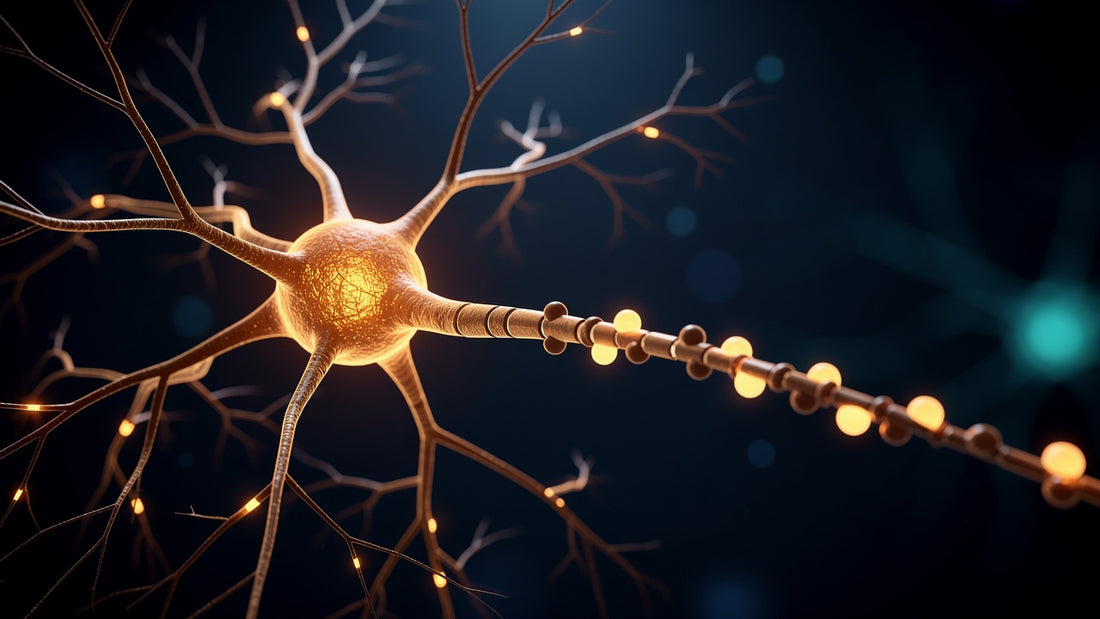
NAD+ is a small molecule with a very large job. It sits at the center of cellular metabolism, shuttling electrons during reactions that turn food into ATP, the main energy currency in cells. During glycolysis and the TCA cycle, NAD+ accepts electrons to form NADH, which then feeds the mitochondrial electron transport chain so neurons can make the ATP they burn every second.
NAD+ also serves as raw material for enzymes that sense stress, repair DNA, and shape how cells age. Sirtuins use NAD+ to adjust gene expression and support mitochondrial health. PARP enzymes pull from the same NAD+ pool when they rush to fix DNA breaks. CD38 and SARM1 are other NAD+-consuming enzymes that influence calcium signaling and axonal survival. All of them compete for a limited supply, so the level of NAD+ affects which pathways dominate.
PQQ is studied in cells and animals for a related job, supporting the growth of new mitochondria; our PQQ guide covers the evidence, and our Citicoline and PQQ Brain Energy Capsules combine 20 mg PQQ with citicoline and ergothioneine (join the waitlist).
The brain depends on this molecule more than almost any other organ. It makes up about two percent of body weight yet burns roughly twenty percent of total energy at rest. Neurons need constant ATP to fire, reset ion gradients, and maintain synapses. When NAD+ drops, ATP output falls, oxidative stress rises, and the first signs often show up as trouble with focus, mental endurance, and multitasking.
A healthy NAD+ to NADH ratio signals efficient metabolism and enough redox “capacity” to handle stress. To keep that ratio in range, cells rely on three NAD+ synthesis routes:
- De novo (kynurenine) pathway: starts from tryptophan.
- Preiss-Handler pathway: uses nicotinic acid.
- Salvage pathway: recycles nicotinamide and nicotinamide riboside and is the main maintenance route in adult tissues.
An enzyme called NAMPT controls the speed of this salvage pathway and becomes a major rate-limiting step as we age. In simple terms, NAD+ is both the fuel and the mechanic for the brain’s engine, so any long-term plan to support focus and memory needs to consider how NAD+ affects brain function at this basic level.
How NAD+ Powers Focus, Memory, And Cognitive Performance
Mental performance is not abstract. It rests on hard biology inside neurons. When NAD+ stays high, mitochondria produce clean energy, synapses adapt and strengthen, and the brain handles long workdays with less strain. When NAD+ runs low, every one of those systems loses ground.
Cognition is energy-intensive; when neuronal metabolism falters, thinking is often the first thing people notice.
NAD+, Mitochondria, And Brain Energy
Neurons are long-lived and rarely replaced, so each cell must maintain its own energy system for decades. They rely heavily on mitochondria, which supply a steady stream of ATP for firing action potentials, recycling neurotransmitters, and keeping ion pumps active. NAD+ sits at the entry point of this system by turning into NADH, which donates electrons to the electron transport chain.
High NAD+ levels also activate the SIRT1-PGC-1α pathway. SIRT1 uses NAD+ to switch on PGC-1α, a regulator that signals cells to create new mitochondria and recycle damaged ones through mitophagy. This balance keeps a pool of young, efficient mitochondria ready to support attention, working memory, and quick mental shifts. It is one of the key channels through which NAD+ for brain energy shows up as sharper focus in daily life.
With age, falling NAD+ blunts this pathway. Mitochondria become fewer, more damaged, and less able to buffer calcium or manage oxidative stress. Cells can slip into a “pseudohypoxic” state, where signaling shifts as if oxygen were low even when it is not. People notice this as:
- Mid-afternoon crashes and fading motivation
- Trouble holding complex ideas in mind
- A sense that mental gears grind more than they glide
NAD+, Synaptic Plasticity, And Memory Formation
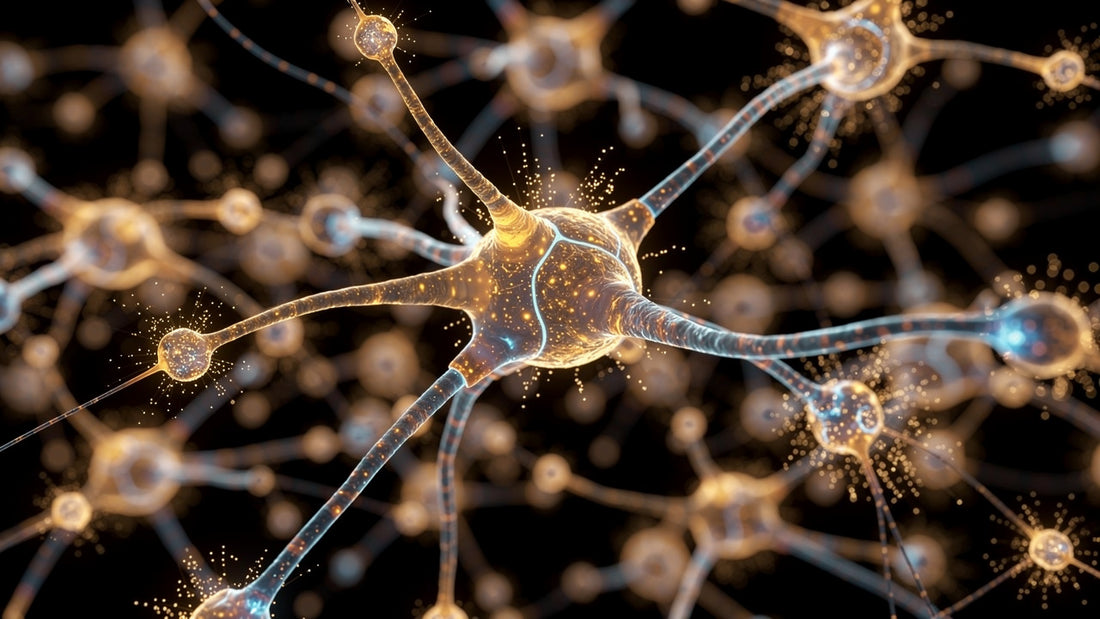
Learning and memory rely on synaptic plasticity, the brain’s ability to adjust the strength and number of connections between neurons. Long-term potentiation (LTP) is a lasting increase in synaptic strength after repeated activation and is widely studied as a cellular model of memory. Both LTP and structural changes in synapses demand steady ATP supplies and precise gene regulation.
SIRT1, a major NAD+-dependent enzyme, influences synaptic plasticity in several ways. It supports neurite outgrowth, shapes synapse structure, and alters the expression of genes needed for memory consolidation. When NAD+ drops, SIRT1 activity falls, and these adaptive processes slow down. That is one reason how NAD+ affects brain memory networks in such a direct way.
Animal studies bring these ideas to life. In a rat model of chronic cerebral hypoperfusion, which mimics reduced brain blood flow, LTP in the hippocampus became impaired and memory performance sank. Regular NAD+ supplementation restored LTP and improved maze performance, which suggests that raising NAD+ can bring plasticity back online even under stress.
The de novo NAD+ pathway, known as the kynurenine pathway, also links NAD+ metabolism to key neurotransmitters. Tryptophan in this pathway feeds into glutamate and acetylcholine systems, which drive alertness, learning speed, and attention. When this pathway tilts toward toxic intermediates and away from balanced NAD+ production, signaling can swing between over-excited and sluggish. Supporting healthy NAD+ for brain chemistry helps keep that balance near the middle, where focus feels steady rather than scattered. Acetylcholine itself is made from choline, a nutrient covered in our guide to choline supplements.
The Age-Related NAD+ Decline And What It Means For Your Brain
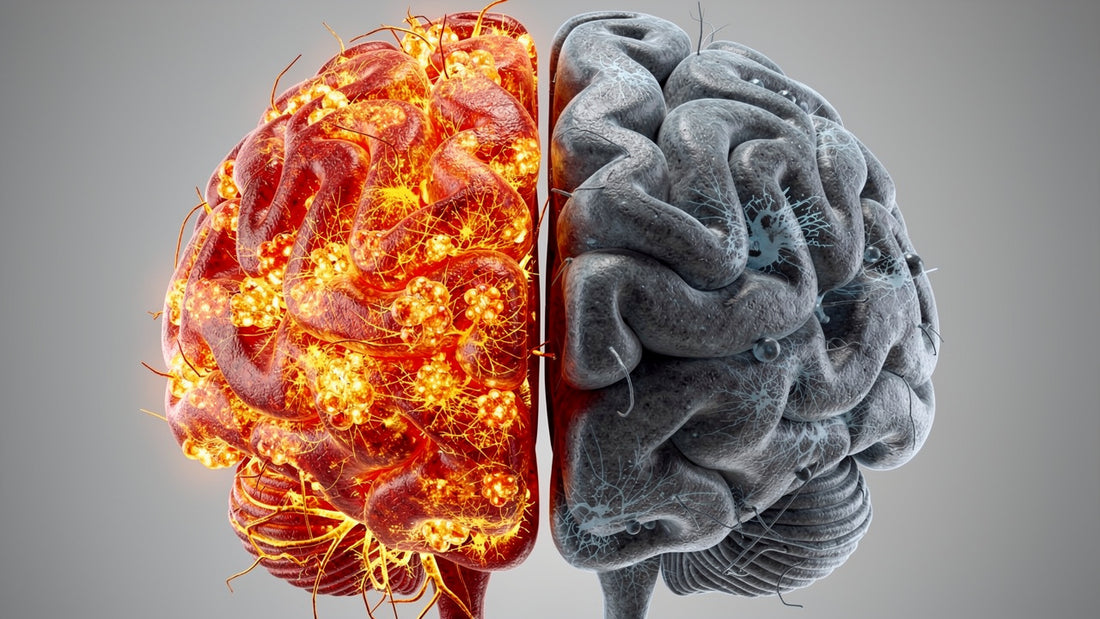
From the outside, age-related cognitive change can look vague, yet at the cellular level one of the clearest patterns is a steady slide in NAD+ levels. Measurements in human brains with magnetic resonance spectroscopy show that total NAD(H) and the NAD+ to NADH ratio fall with each decade.
This decline does not happen for a single reason. One driver is higher NAD+ consumption. As DNA damage builds up with age, the repair enzyme PARP1 spends more time active and pulls heavily from the NAD+ pool. At the same time, expression of CD38, a major NAD+-breaking enzyme on immune and glial cells, rises in older tissues. Together they drain NAD+ faster than young brains can replace it.
On the production side, the salvage pathway weakens. Levels of extracellular NAMPT, a form of the NAMPT enzyme that circulates in blood and supports NAD+ synthesis in distant tissues, fall in both aged mice and older humans. With less support from eNAMPT and more drain from PARP1 and CD38, neurons gradually slide into a state of chronic NAD+ shortage.
|
Factor |
Young Brain |
Aging Brain |
|---|---|---|
|
NAD+ Levels |
High and flexible |
Markedly lower overall |
|
PARP1 Activity |
Balanced |
Persistently elevated |
|
CD38 Expression |
Relatively low |
Significantly higher |
|
eNAMPT Levels |
Supportive for synthesis |
Noticeably reduced |
|
Mitochondrial Quality |
Many healthy mitochondria |
More damaged, fewer efficient ones |
|
Cognitive Resilience |
Strong stress tolerance |
Easier fatigue and fog |
These shifts ripple outward. Lower NAD+ means weaker mitochondrial function, more reactive oxygen species, and less effective cleanup of damaged proteins and organelles. Neuroinflammation tends to rise, neurogenesis slows, and neurons lose their ability to bounce back after insults. For a busy professional, that can feel like constant “background lag” in thinking, poor recall of recent details, and less reliable focus under time pressure.
Genetic experiments highlight how direct this connection is. When researchers lowered NAMPT only in the hippocampus of young mice, the animals developed memory problems that looked like old age. When those same mice received the NAD+ precursor NMN, their cognitive performance improved. This makes a strong case that supporting NAD+ for brain function is not just a side project. It targets a main control knob on how fast or slow cognitive aging shows up.
NAD+ Depletion And Brain Aging: The Deeper Stakes
For people who care about long-term brain health, the story does not stop at normal aging. A growing body of research shows that NAD+ depletion appears again and again in animal and cell studies of serious age-related brain changes. The triggers differ, yet many of them converge on the same metabolic failure centered on NAD+.
- In animal and cell models of age-related memory loss, brain samples show markedly lower NAD+ levels. Exposure to amyloid-beta reduces neuronal NAD+ and stresses mitochondria. In these models, raising NAD+ with precursors restored mitophagy so damaged mitochondria no longer piled up. In several models, these changes go along with better performance on memory tests and more new neurons in the hippocampus.
Human research is moving in the same direction. Clinical trials in progress test NR and other NAD+ precursors for brain aging, with early work already showing that these compounds are safe and raise blood NAD+ in older adults. Larger trials now aim to see whether those biochemical shifts translate into slower decline or better function. For anyone aiming to stack the deck against future brain aging, paying attention to how NAD+ affects brain resilience makes strong sense.
For how NAD+ fits alongside better-studied focus aids such as creatine and bacopa, see our guide to the best supplements for focus and concentration.
How To Restore Brain NAD+ Levels And Supplementation Strategies That Actually Work
Knowing that NAD+ drops with age raises a natural question: what is the smartest way to raise it, especially in the brain? Lifestyle measures such as regular exercise, time-restricted eating, and good sleep habits help, yet many people look for targeted support that fits modern schedules. That is where NAD+ precursors and advanced delivery forms come in, including options that Synchronicity Health has built into its Sync Stack system.
NAD+ Precursors: NMN, NR, And Nicotinamide
Direct oral NAD+ is not very effective because the molecule is large and does not enter cells easily. Instead, most supplements focus on precursors, the smaller building blocks that cells convert into NAD+ inside the salvage pathway. Three of the most discussed are NMN, NR, and nicotinamide:
- NMN (nicotinamide mononucleotide) sits one step away from NAD+ in the salvage route. In many animal studies, NMN raised tissue NAD+ and improved measures of insulin sensitivity, vascular health, and cognitive function. It appears especially helpful for hippocampal function in models of age-related memory decline, where it restored performance toward youthful levels.
- NR (nicotinamide riboside) converts into NMN and then into NAD+. Human trials in middle-aged and older adults show that oral NR is well tolerated over weeks to months and raises blood NAD+. In brain-focused models, NR reduced neuroinflammation, promoted mitophagy, and supported new neuron growth, which helps explain why NAD+ for brain health draws so much interest in the longevity community.
- Nicotinamide (NAM, vitamin B3) is widely used by the body through the same salvage pathway. It supports NAD+ production but at high doses can inhibit sirtuins, which may matter for people who focus heavily on sirtuin-driven longevity strategies. A shared challenge for all three precursors is that oral forms may raise systemic NAD+ yet still face limits at the blood-brain barrier. That gap has driven research interest in other delivery routes, including the nose.
How Synchronicity Health's NAD+ Nasal Spray Is Absorbed
Synchronicity Health designed its NAD+ Nasal Spray as a different way to take NAD+. The nasal spray places NAD+ on the nasal mucosa, so it is absorbed through the lining of the nose instead of being swallowed like a capsule, and some of each dose skips digestion. From there it is absorbed into the bloodstream, and researchers are studying whether some may travel along nerve pathways toward the brain.
This intranasal route changes how NAD+ is absorbed. Synchronicity Health’s NAD+ Nasal Spray is designed for high bioavailability. It supports clarity, focus, and steady mental energy. In practice it feels less like a spike from a stimulant and more like turning the lights back on in the background systems that power thought.
Key aspects of Synchronicity Health’s NAD+ Nasal Spray include:
- Clean-label formulation built to a transparent, research-based standard
- Third-party tested ingredients for potency and purity
- Designed for high bioavailability to support focus and mental energy
- Integrated into Sync Stacks alongside NMN Capsules and mitochondrial allies such as Cordyceps mushroom
Quality and safety sit at the center of the design. That combination speaks directly to health-conscious professionals and biohackers who want science-aligned support rather than guesswork. For those who want a deeper protocol, the spray fits into Synchronicity Health’s Sync Stacks, where it pairs with NMN Capsules and mitochondrial allies to support focus, recovery, and performance from several angles at once.
Compared with IV NAD+ sessions at clinics, intranasal delivery offers a practical at-home option at a fraction of the cost and without repeated appointments. For many people it has become a favorite way to put NAD+ for focus and brain resilience into daily life in a consistent, sustainable way.
Some people pair NAD+ with lion’s mane, a mushroom studied for nerve growth factor; our guide to NAD+ nasal spray and lion’s mane covers how the two fit together.
Beyond Focus: NAD+ And Long-Term Brain Health

Acute focus on a busy workday is important, yet NAD+ also matters for how the brain holds up over years. Its influence reaches into DNA repair, inflammation control, stem cell health, and cellular aging, which together shape long-term neurological outcomes.
Key long-term brain processes supported by healthy NAD+ include:
- DNA repair and genome maintenance
- Control of neuroinflammation
- Neural stem cell activity and neurogenesis
- Management of senescent glial cells
Neurons accumulate DNA damage over time from normal metabolism and environmental exposures. PARP1 detects strand breaks and uses NAD+ to build poly(ADP-ribose) chains that call in repair proteins. SIRT1 and SIRT6, which also depend on NAD+, change chromatin structure so repair crews can reach damaged sites. When NAD+ runs low, this coordinated response weakens, PARP1 can overreact and drain what remains, and unrepaired damage lingers. Supporting NAD+ helps keep this balance in a safer range, where both repair and protection have enough fuel.
Chronic, low-grade neuroinflammation is another major thread in brain aging. Over-active microglia and astrocytes release cytokines and reactive oxygen species that erode synapses over time. Higher NAD+ supports mitophagy, which clears damaged mitochondria that often act as inflammation triggers. It also dampens activation of the NLRP3 inflammasome and shifts microglia away from a destructive profile toward one that better supports tissue health. Several studies in animal models of memory impairment show lower inflammatory markers and calmer microglia after NAD+ support.
NAD+ also shapes how the brain renews itself. Adult neural stem cells in the hippocampus rely on healthy mitochondria and balanced redox status. In aged mice, nicotinamide riboside boosted NAD+, revived stem cell activity, and led to more new neurons. At the same time, NAD+ support appears to slow the build-up of senescent glial cells, which otherwise secrete inflammatory factors and drive CD38 expression higher in nearby cells. This short circuit, where senescence causes NAD+ loss and NAD+ loss feeds more senescence, weakens when NAD+ stays higher.
Healthy brain aging depends less on avoiding damage and more on how well neurons repair and adapt to it.
In short, NAD+ does not just fuel the brain today; it supports the structure and wiring that tomorrow’s thinking will rely on.
Lifestyle plays a steady role here as well. Exercise raises NAMPT expression, supports mitochondrial health, and nudges NAD+ upward. Periods of fasting and consistent sleep schedules support sirtuin activity and repair pathways. When these habits combine with targeted tools like Synchronicity Health’s NAD+ Nasal Spray and Sync Stacks, the result is a much stronger base for both present-day focus and long-term neurological resilience.
Conclusion
NAD+ is far more than another supplement buzzword. It is a central coenzyme that touches almost every part of brain biology, from how neurons make ATP to how they repair DNA and adapt their synapses. As research continues, it becomes harder to ignore how strongly NAD+ affects brain performance across age ranges.
With age, NAD+ declines because consumption rises and production falters. That change contributes to weaker mitochondrial function, higher oxidative stress, more neuroinflammation, and slower neurogenesis. For people who want sharp thinking now and over the years ahead, this makes NAD+ a logical focus.
The encouraging news is that NAD+ is not fixed. Precursors like NMN and NR, along with lifestyle shifts, can raise levels in many tissues. Newer delivery forms, such as nasal sprays absorbed through the lining of the nose, add another layer, especially for those who care most about NAD+ for focus and mental clarity. Synchronicity Health’s NAD+ Nasal Spray gives a clean-label, high-bioavailability option made with third-party tested ingredients that brings robust support into everyday life, with Sync Stacks offering a structured way to pair NAD+ with other mitochondrial allies.
The science points in a clear direction. NAD+ sits at the heart of how the brain produces energy, stays flexible, and repairs itself over time. The real question now is not whether NAD+ matters, but whether the brain receives the steady NAD+ support it needs to perform well for many years ahead.
For calm, sharp concentration in one routine, the Focus Stack pairs the Clarity, Theanine and NAC nasal sprays.
Sources
- Zhu XH et al. In vivo NAD assay reveals the intracellular NAD contents and redox state in healthy human brain and their age dependences. Proceedings of the National Academy of Sciences, 2015. PubMed
- Yoshida M et al. Extracellular vesicle-contained eNAMPT delays aging and extends lifespan in mice. Cell Metabolism, 2019. PubMed
- Martens CR et al. Chronic nicotinamide riboside supplementation is well-tolerated and elevates NAD+ in healthy middle-aged and older adults. Nature Communications, 2018. PubMed
- Zu Y et al. The NAMPT enzyme employs a switch that directly senses AMP/ATP and regulates cellular responses to energy stress. Molecular Cell, 2025. PubMed
- Magee JC et al. Synaptic plasticity forms and functions. Annual Review of Neuroscience, 2020. PubMed
FAQs
Before starting any new supplement program, especially one as powerful as NAD+ support, it helps to clear up the most common questions. The answers below summarize current knowledge and show how Synchronicity Health’s approach fits into the wider scientific picture.
Does NAD+ Actually Cross The Blood-Brain Barrier?
Oral NAD+ itself does not move easily across the blood-brain barrier because of its size and charge. The brain mainly relies on precursors such as NMN, NR, and nicotinamide, which enter through specific transporters and then convert into NAD+ inside brain cells. Intranasal delivery takes a different route: NAD+ is absorbed through the lining of the nose instead of being swallowed like a capsule, and researchers are studying whether some may travel along nerve pathways toward the brain. Synchronicity Health’s NAD+ Nasal Spray uses this route and is designed for high bioavailability.
How Long Does It Take For NAD+ Supplementation To Improve Focus And Mental Clarity?
Timing varies with age, baseline NAD+ status, and delivery method. Intranasal NAD+, including Synchronicity Health’s NAD+ Nasal Spray, is absorbed through the lining of the nose, so it has a faster onset than oral precursors. Oral precursors depend on digestion and conversion steps before they can raise NAD+. Consistent use, along with good sleep, movement, and nutrient-dense food, helps NAD+ support build over time.
What Is The Difference Between NMN And NAD+ For Brain Health?
NMN is a direct precursor that cells convert into NAD+ through the salvage pathway, especially when NAMPT activity is strong. NAD+ itself does the work inside mitochondria, sirtuins, and repair enzymes, yet it rarely enters neurons intact from the gut. In practice, NMN and NR raise NAD+ from the inside, while intranasal NAD+ is absorbed through the lining of the nose instead of being swallowed like a capsule. Synchronicity Health includes NMN Capsules inside its Sync Stacks to work alongside the NAD+ Nasal Spray as two complementary ways to support NAD+.
Are There Any Risks Or Side Effects Associated With NAD+ Supplementation?
Human studies so far show that NR and NMN are generally well tolerated at common doses in healthy adults, with mild digestive upset as the most frequent complaint. The larger safety question relates to cancer, since fast-dividing cells also need NAD+ to support their growth. Some researchers suggest caution for people with active cancer or very high cancer risk until more data appears. Choosing clean-label products made with third-party tested ingredients, such as those from Synchronicity Health adds reassurance about purity, dosing accuracy, and thoughtful design.
Can NAD+ Support Memory As You Age?
NAD+ supports brain energy; it is not a treatment for age-related memory loss. That said, animal and cell studies have looked at how higher NAD+ affects mitophagy, brain inflammation markers, and memory tasks. Clinical trials now test whether NAD+ precursors can shift biomarkers or slow decline in people. For now, NAD+ support is best seen as part of a broader brain resilience strategy that also includes sleep, movement, metabolic health, and mental engagement.
Featured in this article
NAD+ Nasal SpraySupports cellular energy, focus and healthy aging. A needle-free alternative to NAD+ IV.
Shop NAD+ Nasal SprayThird-party tested ingredients. Vegan, non-GMO, made in the USA.


Leave a comment
All comments are moderated before being published.
This site is protected by hCaptcha and the hCaptcha Privacy Policy and Terms of Service apply.