

Introduction
Two tiny molecules sit at the center of almost every biohacking conversation about longevity and high performance. Scroll any forum and the debate over NAD+ vs Glutathione shows up fast, often treated like a winner-takes-all choice.
On the surface, that makes sense. NAD+ is often described as the cell’s fuel, while glutathione is called the body’s master antioxidant. One seems to promise clean, steady energy and sharper focus. The other is praised for antioxidant protection, immune strength, and glowing skin. Add the fact that both NAD+ and glutathione drop sharply with age, and it is easy to feel pressure to pick the “right” one.
The problem is that “Which is better?” is the wrong question. At the cellular level, NAD+ and glutathione run on different tracks, yet they connect through shared chemistry. One powers the engine. The other protects that engine from the exhaust. For anyone focused on longevity, cognitive performance, or replacing IV therapy with at-home options, that difference matters a lot.
This guide walks through what NAD+ and glutathione are, how they work, how aging drains both, and how they compare for specific goals like energy, brain power, antioxidant protection, skin, and recovery. It also explains why supporting both together, especially through nasal sprays like those from Synchronicity Health, may be one of the smartest ways to support cellular health without living at an IV clinic.
Key Takeaways
Before diving into the science behind NAD+ vs Glutathione, it helps to see the big picture first. The points below give a quick map of what the rest of the article explains in more depth.
- NAD+ acts as the main energy coenzyme inside cells, while glutathione works as the master antioxidant. They are not trying to do the same job, so one is not simply “better” than the other. Thinking of NAD+ as fuel and glutathione as a shield gives a simple way to remember the difference.
- Both NAD+ and glutathione fall sharply with age, which leaves cells tired and more exposed to oxidative stress. NAD+ is especially linked to energy, brain function, and DNA repair, while glutathione shines for antioxidant protection, immune support, and skin appearance. When people compare NAD+ vs Glutathione, they are really comparing different tools that serve different needs.
- The strongest strategy is to support both molecules at the same time rather than choosing only one. Their chemistry is directly connected through the NADPH pathway, so good NAD+ status helps recycle glutathione, and strong glutathione levels protect NAD+. Advanced nasal delivery, like Synchronicity Health’s NAD+ Nasal Spray and Glutathione Nasal Spray, is absorbed through the lining of the nose and offers a needle-free alternative to IV, without clinic visits.

Featured in this article
NAD+ Nasal SpraySupports cellular energy, focus and healthy aging. A needle-free alternative to NAD+ IV.
Shop NAD+ Nasal SprayThird-party tested ingredients. Vegan, non-GMO, made in the USA.
NAD+ vs Glutathione at a Glance
Short answer: NAD+ is a coenzyme in every cell that helps turn food into energy, and glutathione is the antioxidant cells make to neutralize free radicals. NAD+ is the fuel and glutathione is the shield, so neither is simply better, and each supports the other.
| NAD+ | Glutathione | |
|---|---|---|
| What it is | A coenzyme (nicotinamide adenine dinucleotide) found in every living cell | A tripeptide made from cysteine, glycine and glutamic acid |
| Main job | Shuttles electrons to make ATP and fuels sirtuins and PARP repair enzymes | Neutralizes free radicals and supports the liver's processing of drugs, alcohol and pollutants |
| With age | Levels fall; muscle may lose 15 to 65 percent | Synthesis may be close to 45 percent lower in older adults |
| Leads for | Day-to-day mental performance, steady energy, DNA repair, long-term healthy aging | Antioxidant protection and skin appearance |
| How they connect | NAD+ pathways help supply the NADPH that recycles glutathione | Glutathione limits the DNA damage that burns through NAD+ |
| Our nasal spray | NAD+ Nasal Spray | Glutathione Nasal Spray: glutathione and alkaline water only, 35 mg, 100 mg or 170 mg per 2-spray serving |
For more on each, see what NAD+ is and why it declines with age and our guide to glutathione nasal spray benefits and daily use.
What Are NAD+ And Glutathione Understanding The Cellular Powerhouses
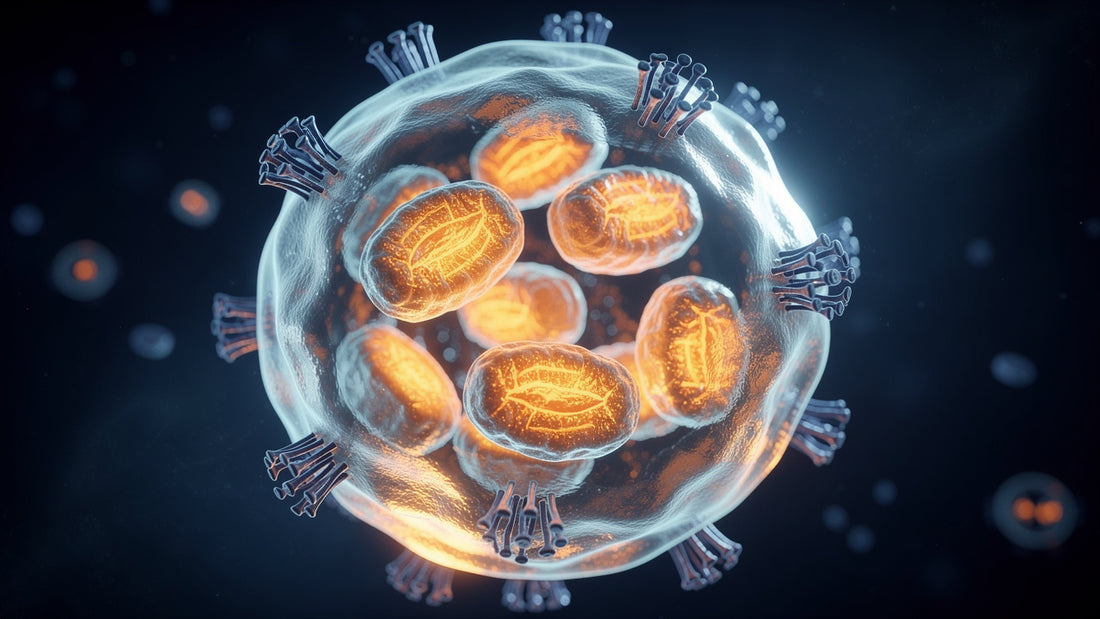
At the most basic level, NAD+ and glutathione are small molecules that keep cells alive, clean, and functioning under stress. They are both made inside the body, yet their jobs are very different.
NAD+ stands for nicotinamide adenine dinucleotide. It is a coenzyme found in every living cell, first described more than a century ago. In simple terms, NAD+ shuttles electrons during the reactions that turn food into ATP, the energy currency cells use to do work. It cycles between an oxidized form, NAD+, and a reduced form, NADH, passing electrons into the mitochondrial electron transport chain and driving ATP production.
Glutathione is a tripeptide built from three amino acids: cysteine, glycine, and glutamic acid. Cells make it themselves and keep it in surprisingly high concentrations. Glutathione’s main job is to neutralize reactive oxygen species, the free radicals that form during normal metabolism and from outside stressors like pollution, alcohol, and infection. That is why it earns the nickname master antioxidant in research and biohacking circles. Glycine, one of those three building blocks, is covered on our glycine reference page.
Where NAD+ behaves like a battery that powers cellular reactions, glutathione behaves like a shield that absorbs and clears damage. NAD+ supports energy and repair; glutathione focuses on protection. Both are essential, both are limited, and both trend downward with age.
“Glutathione is one of the most important molecules in all of biology.”
Dr. John P. Richie Jr., Penn State University
Because of their central roles, scientists and performance-focused consumers have zeroed in on ways to raise NAD+ and glutathione. That interest now includes not only oral supplements, but also IV infusions and newer options such as NAD+ Spray and Glutathione Spray, especially in nasal form.
How NAD+ And Glutathione Work Core Functions And Mechanisms
Understanding the NAD+ vs Glutathione question means looking under the hood. These two molecules do not compete for the same role. They drive separate systems that keep cells energized, repaired, and safe under pressure.
Healthy aging is less about one magic molecule and more about keeping multiple cellular systems working together.
NAD+ The Engine Behind Energy, DNA Repair, And Longevity Proteins
Every time a cell breaks down carbs or fats for fuel, NAD+ is there moving electrons. During glycolysis, the Krebs cycle, and fatty acid oxidation, NAD+ accepts electrons and becomes NADH. NADH then donates those electrons to the mitochondrial electron transport chain, creating the gradient that powers ATP synthesis. Not by accident, mitochondria hold two to four times more NAD+ than other parts of the cell.
NAD+ also powers sirtuins, often called longevity proteins. These enzymes help regulate DNA repair, inflammation, metabolism, and even sleep-wake rhythms. Sirtuins can only work when enough NAD+ is present, so falling NAD+ levels mean weaker control over processes tied to aging and recovery.
Another major NAD+ user is the PARP family of enzymes. PARPs rush in when DNA strands break and start the repair process. That repair uses NAD+ as its fuel, and research in human tissue links heavy PARP activity during aging to faster breakdown of NAD+. When NAD+ is already low, that kind of stress can leave cells short on the energy and repair they need.
Researchers often watch the NAD+/NADH ratio as a sign of metabolic health. A healthy ratio supports strong ATP production and responsive signaling, which is why so many healthy aging strategies now include some form of NAD+ support, from precursors like NMN and NR to options such as NAD+ Nasal Spray.
For practical purposes, higher NAD+ status tends to support:
- Steadier physical and mental energy
- Better tolerance for metabolic stress (heavy meals, travel, long workdays)
- More efficient repair after intense exercise or illness
Glutathione The Master Antioxidant
While NAD+ keeps energy flowing, glutathione keeps that energy from burning holes in the machinery. Every time mitochondria create ATP, they also create reactive oxygen species. Glutathione steps in to neutralize these unstable molecules before they can damage DNA, proteins, or cell membranes.
Glutathione works in both its reduced form, called GSH, and its oxidized form, called GSSG. GSH donates an electron to a free radical, turning that radical into a safer compound and turning GSH into GSSG. Cells then recycle GSSG back into active GSH. The balance between the two forms is tracked as the GSH/GSSG ratio. Healthy cells keep this ratio very high, often above 100, which signals a strong antioxidant defense. Mushrooms are a food source of both glutathione and ergothioneine; our ergothioneine reference page covers that research and how the body takes ergothioneine up.
Beyond direct antioxidant work, glutathione plays a core part in the liver’s clearance pathways. There, enzymes called glutathione S-transferases attach glutathione to drug byproducts, heavy metals, and pollutants. That link makes those compounds more water-soluble, so the body can move them out through bile or urine. Without steady glutathione support, these clearance pathways slow down.
The recycling step from GSSG back to GSH depends on an enzyme named glutathione reductase, which requires NADPH to work. That tie back to NAD+ metabolism matters when thinking about NAD+ vs Glutathione. The fuel system that builds NADPH and the shield system that uses glutathione are wired together at a deep level.
In simple terms, glutathione helps:
- Neutralize free radicals created during normal metabolism
- Support the liver’s processing of drugs, alcohol, and pollutants
- Protect immune cells as they release their own oxidative weapons
How Aging Depletes Both The Dual Decline You Need To Know
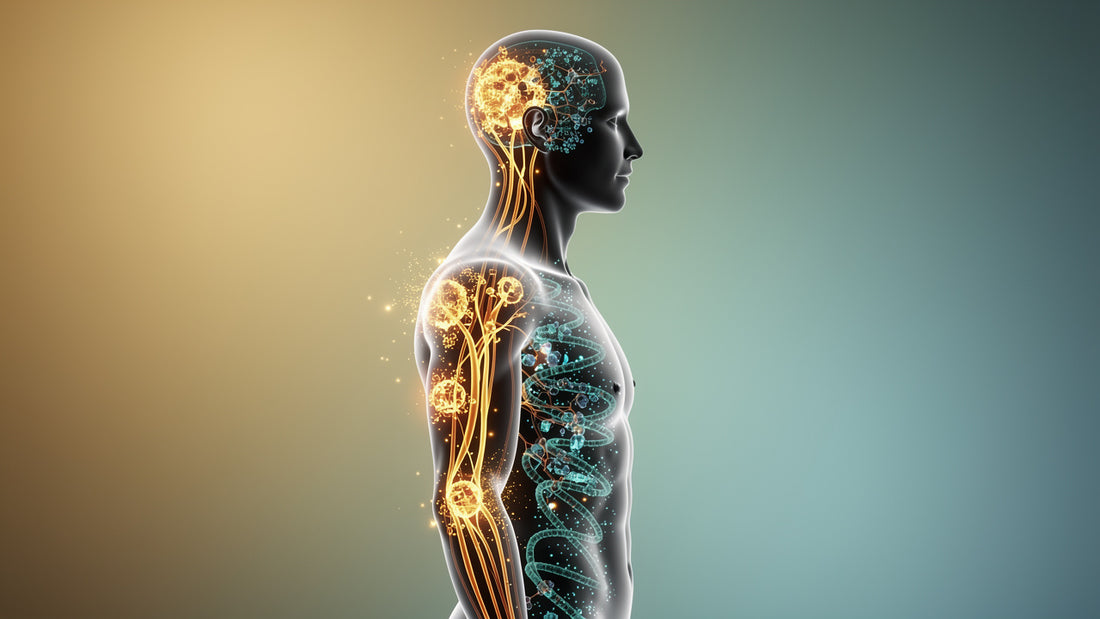
From the outside, aging can feel like lower energy, slower recovery, and more “random” aches. At the cellular level, a big piece of that picture is the steady drop in both NAD+ and glutathione.
Research in human tissue shows that NAD+ levels fall with age. Muscle tissue may lose 15 to 65 percent, and brain tissue often shows a 10 to 25 percent decline over adult life. Leading researcher Dr. Shin-Ichiro Imai has called this slide in NAD+ an Achilles’ heel of aging, because it weakens both nuclear and mitochondrial function.
Glutathione does not just drop in total amount; the body also gets slower at making more of it. Older adults may have glutathione synthesis rates that are close to 45 percent lower than younger people. The older adults in that study also had higher markers of oxidative stress. In practical terms, that means far less antioxidant reserve at exactly the time when cells face more oxidative stress.
Tissue-level data paint the same picture. Liver glutathione can fall by 35 to 50 percent, and brain glutathione may drop by at least 50 percent over the adult lifespan. When this happens alongside a steep decline in NAD+, cells lose both the engine that powers repair and the shield that blocks damage.
The table below highlights this dual decline side by side.
|
Metric |
NAD+ Decline |
Glutathione Decline |
|---|---|---|
|
Overall level drop |
Levels fall with age in human tissue |
About 30 to 50 percent in key tissues |
|
Synthesis or production |
Pathways for making and recycling NAD+ become less efficient |
Synthesis rate slows by roughly 45 percent |
|
Brain status |
About 10 to 25 percent lower levels in brain tissue |
At least 50 percent lower glutathione in the brain |
|
Key ratio change |
Shifts in the NAD+/NADH balance |
Lower glutathione with higher oxidative stress in older adults |
Think of aging as the slow loss of cellular power and protection at the same time.
For anyone comparing NAD+ vs Glutathione, this data shows the real issue is not choosing one. It is how to raise a system that is losing power and protection together.
NAD+ Vs Glutathione Head To Head Comparison By Health Goal
Most people are not asking about NAD+ vs Glutathione in a vacuum. They care about sharper focus at work, fewer crashes in the afternoon, better workouts, or slower aging. The best choice depends on the main goal, and in many cases a thoughtful mix of both molecules wins.
Cognitive Performance And Mental Clarity
The brain is an energy-hungry organ, so it is no surprise that NAD+ takes the lead here. Neurons rely on strong mitochondrial output to keep firing quickly and cleanly. When NAD+ is abundant, those mitochondria can produce ATP efficiently, which supports better signal speed, memory formation, and focus.
NAD+ also feeds sirtuins that help protect brain cells, guide repair, and support healthy brain aging. NAD+ Nasal Spray supports steady energy for the same reason.
Glutathione still matters for the brain, because oxidative stress is deeply involved in brain aging. Higher brain glutathione levels are linked with better long-term brain health. Yet raising glutathione tends to protect the brain rather than giving the same direct, sharp lift in day-to-day performance.
For clarity, memory, and mental stamina, NAD+ sits in the top position. In the NAD+ vs Glutathione comparison for cognition:
- NAD+ is the main driver of day-to-day mental performance
- Glutathione provides background protection for long-term brain health
Immune Defense And Inflammation
When the priority is antioxidant protection and immune strength, glutathione becomes the star. The liver depends on glutathione to bind many common pollutants and drug byproducts. Without enough glutathione, phase-two clearance pathways slow, and reactive compounds can build up instead of being excreted.
Immune cells also produce large amounts of reactive oxygen species during normal immune activity. Glutathione protects these cells from their own weapons, keeping them working longer and with less collateral damage. This is one reason people often reach for glutathione support during heavy travel or times of high stress.
NAD+ does play a background role by supplying energy for immune activity, but it does not drive antioxidant defense the way glutathione does. Synchronicity Health Glutathione Nasal Spray provides glutathione for daily antioxidant support.
So in the NAD+ vs Glutathione match-up for antioxidant support, glutathione clearly leads. NAD+ still helps in the background, but glutathione is the main tool for antioxidant support and a healthy inflammatory response.
Athletic Performance And Recovery

Athletes and dedicated exercisers stress both their energy systems and their antioxidant systems. Here, NAD+ and glutathione support different phases of performance.
During and after intense exercise, oxidative stress and metabolic byproducts like lactic acid rise sharply. Glutathione helps buffer these shifts by neutralizing free radicals, supporting pH balance in muscles, and calming local inflammation. Research suggests glutathione can limit drops in intermuscular pH and help clear metabolic acidosis, which lines up with users who feel less soreness and faster bounce-back when they keep glutathione levels high.
NAD+ works more on the long game. By supporting mitochondrial function in muscle cells and helping maintain muscle stem cell activity, NAD+ can support endurance, power, and recovery quality over time. NAD+ Nasal Spray supports the cellular energy that hard training draws on.
Synchronicity Health builds on this by offering Sync Stacks that pair NAD+ Nasal Spray with Enhanced NMN, Glutathione Nasal Spray, and options like NAC Nasal Spray. That makes it easier for athletes to combine NAD+ vs Glutathione rather than choosing a single lane.
For performance and recovery, the most effective approach is to use both:
- Use glutathione around heavy training blocks to help with immediate cleanup and soreness.
- Use NAD+ consistently to support deeper muscle health, mitochondrial density, and long-term resilience.
Healthy Aging And Skin Health

Healthy aging is where many people first hear about NAD+ vs Glutathione, and once again the two molecules work on different timelines.
Glutathione often gives quicker, more visible skin results. Clinical work shows that even modest daily doses can reduce hyperpigmentation, even out skin tone, and soften fine lines. This fits its role as a shield against oxidative stress, which is a major driver of skin dullness and uneven color. Glutathione is also one of the antioxidants skin cells rely on.
NAD+ focuses more on the deep, behind-the-scenes side of aging. By supporting PARP-driven DNA repair and sirtuin-driven epigenetic control, NAD+ helps cells fix damage, keep their identity, and maintain healthy mitochondria. These effects show up over longer timelines as better overall vitality, slower functional decline, and stronger tissue repair.
So for cosmetic goals, glutathione often wins the short-term race. For long-term healthspan and cellular aging, NAD+ is essential. In practice, many people choose both: glutathione for the mirror, NAD+ for the decades.
The Synergistic Secret Why NAD+ And Glutathione Are Better Together
The deeper the science goes, the clearer it becomes that NAD+ vs Glutathione is a false choice. The body is wired so that these two molecules support and protect each other.
The most direct link runs through NADPH, a cousin of NADH that carries reducing power used for antioxidant defense. An enzyme called glutathione reductase needs NADPH to recycle oxidized glutathione, GSSG, back into its active form, GSH. The basic reaction turns NADPH and GSSG into NADP+ and two fresh GSH molecules ready to neutralize more free radicals.
Where does that NADPH come from? A lot of it flows from pathways that depend on healthy NAD+ status, including the pentose phosphate pathway. Inside mitochondria, an NAD+-dependent sirtuin named SIRT3 activates enzymes that pump out NADPH specifically to feed glutathione recycling. When NAD+ is low, this support weakens, and glutathione defenses can sag even if total glutathione levels look normal.
The relationship also runs in the other direction. Glutathione shields DNA from oxidative hits that would otherwise trigger intense PARP activity. Since PARPs burn through NAD+ during repair, strong glutathione defenses help preserve NAD+ for energy and longevity pathways instead of constant damage control. In other words, glutathione guards the NAD+ pool as well as the rest of the cell.
A helpful way to picture it is a factory:
- Raising NAD+ is like upgrading the engines so the factory can produce more.
- Raising glutathione is like expanding the cleanup crew that catches and neutralizes waste before it can corrode the equipment.
Power without cleanup would damage the factory; cleanup without power would never reach full capacity.
This is the core idea behind Synchronicity Health’s approach. Rather than pushing one side of NAD+ vs Glutathione, the brand focuses on balancing fuel and shield. Sync Stacks that combine Clarity Nasal Spray, NMN, and Glutathione Nasal Spray let users support this synergy in a daily, repeatable way.
When both systems are supported, the benefits tend to stack up:
- Immune cells have the energy and antioxidant support they need.
- The liver can run clearance pathways more effectively.
- The brain gets both ATP for function and glutathione for protection.
- Muscles handle hard training with stronger output and cleaner recovery.
If you want both, the Longevity Stack pairs NAD+ Nasal Spray and Glutathione Nasal Spray with Enhanced NMN capsules in one bundle. To compare NMN, an NAD+ precursor, with glutathione directly, our guide to NMN vs glutathione explains their different jobs and whether to take both.
Delivery Methods Matter Nasal Sprays Vs. Oral Supplements Vs. IV Therapy
Delivery method is another part of the picture, and it is a big part of why NAD+ Spray and Glutathione Spray have gained so much attention in performance circles.
The Bioavailability Problem With Oral Supplements
Standard oral NAD+ does not survive digestion well. Stomach acid and enzymes tend to break it apart before much can pass into the bloodstream. This is why most oral products use NAD+ precursors such as NMN or NR that the body can convert into NAD+. At doses between about 250 and 1,000 milligrams per day for NMN, and up to around 2,000 milligrams per day for NR, studies show blood NAD+ can rise by 40 to 90 percent or more.
Oral glutathione has its own hurdles. With standard capsules, an early study found that a single 3 g dose did not raise blood glutathione, while a 6 month trial of daily oral glutathione did raise glutathione stores in blood and cells. Newer formats aim to improve on this. Liposomal glutathione wraps the molecule in a fat layer to protect it, and research has shown around a 40 percent rise in whole-blood glutathione within two weeks.
To sum up, when people compare supplements or weigh NAD+ vs Glutathione benefits, how those molecules are delivered matters as much as the dose on the label.
Why IV Therapy Is Not The Only Answer
IV therapy sidesteps the gut and liver completely, putting NAD+ or glutathione straight into the bloodstream for near-perfect absorption. NAD+ IV often raises plasma levels many times higher than oral routes can reach, and glutathione IV offers similar direct access.
The tradeoff is cost, time, and comfort. NAD+ IV sessions often range from 400 to 1,500 dollars each, and glutathione IV can still run 75 to 300 dollars per visit. Sessions may take two to four hours and usually involve a series of appointments, plus maintenance visits. Some people also feel flushing, nausea, or chest tightness during NAD+ IV drips, though these effects usually pass within hours.
For most busy professionals, parents, or athletes, regular IV appointments are difficult to maintain. This has opened the door for delivery systems that offer at-home convenience.
Synchronicity Health Nasal Spray A Needle-Free Alternative Accessible Every Day
Intranasal delivery sits in the middle ground between IV and oral routes. When a compound is sprayed into the nose, it is absorbed through the lining of the nose instead of being swallowed.
Synchronicity Health’s NAD+ Nasal Spray is designed around this idea. For users, that means support for cellular energy, DNA repair, and sirtuin activity without clinic visits.
The Glutathione Nasal Spray follows the same logic. Glutathione is absorbed through the lining of the nose instead of being swallowed. A closer look at glutathione nasal spray vs injections shows how the two routes differ in absorption and daily practicality.
All Synchronicity Health products are clean-label and made with third-party tested ingredients, with every active ingredient and dose listed on the label. The company’s Sync Stacks let people combine NAD+ Nasal Spray, Enhanced NMN, Glutathione Nasal Spray, and targeted options like NAC, B12, or melatonin nasal sprays. In practice, this brings robust NAD+ vs Glutathione strategies into daily life at a fraction of IV therapy cost.
Consistency beats intensity when it comes to cellular support.
Comparing ways to take either one? See the best glutathione supplement by form and our glutathione injections guide for glutathione, and the NAD+ injections and IV guide for NAD+.
Conclusion
When people first hear about NAD+ vs Glutathione, it often sounds like a choice. Pick the “right” molecule, and everything from energy to skin to lifespan falls into place. The science tells a different story.
NAD+ acts as the engine for energy metabolism, DNA repair, and longevity proteins. Glutathione acts as the shield that handles free radicals, pollutants, and immune stress. Both fall sharply with age. When they drop together, cells have less power and less protection, which shows up as fatigue, slower recovery, higher inflammation, and faster visible aging.
Instead of asking which is better, a better question is how to support both systems in a smart, sustainable way. NAD+ leads for cognitive performance, steady energy, DNA repair, and deeper support for healthy aging. Glutathione leads for antioxidant protection, immune resilience, and fast cosmetic changes in skin tone and clarity. Their chemistry connects through NADPH and PARP activity so tightly that raising one while ignoring the other leaves potential on the table.
Synchronicity Health builds on this science with a Sync Stack approach that combines NAD+ Nasal Spray, Glutathione Nasal Spray, and NMN in clean-label products made with third-party tested ingredients. For biohackers, busy professionals, and athletes who want robust support without IV clinic schedules, this offers a practical way to support both fuel and shield every day.
To move from theory to action, explore Synchronicity Health’s NAD+ Nasal Spray, Glutathione Nasal Spray, and Sync Stacks, and work with a trusted clinician to build a personal cellular optimization plan that fits real life.
Sources
- Minich DM, Brown BI. A Review of Dietary (Phyto)Nutrients for Glutathione Support. Nutrients. 2019. PubMed 31484368
- Sekhar RV, et al. Deficient synthesis of glutathione underlies oxidative stress in aging and can be corrected by dietary cysteine and glycine supplementation. Am J Clin Nutr. 2011. PubMed 21795440
- Yu W, Dittenhafer-Reed KE, Denu JM. SIRT3 protein deacetylates isocitrate dehydrogenase 2 (IDH2) and regulates mitochondrial redox status. J Biol Chem. 2012. PubMed 22416140
- Sinha R, et al. Oral supplementation with liposomal glutathione elevates body stores of glutathione and markers of immune function. Eur J Clin Nutr. 2018. PubMed 28853742
- Massudi H, et al. Age-associated changes in oxidative stress and NAD+ metabolism in human tissue. PLoS One. 2012. PubMed 22848760
- Witschi A, et al. The systemic availability of oral glutathione. Eur J Clin Pharmacol. 1992. PubMed 1362956
- Richie JP, et al. Randomized controlled trial of oral glutathione supplementation on body stores of glutathione. Eur J Nutr. 2015. PubMed 24791752
FAQs
Even after digging into the science behind NAD+ vs Glutathione, it is normal to have a few practical questions. The answers below cover the topics that come up most often for health-focused professionals and biohackers.
Can You Take NAD+ And Glutathione At The Same Time
Yes, taking NAD+ and glutathione together is not only safe for most people but also supported by basic biochemistry. NAD+ pathways help generate NADPH, which is needed to recycle glutathione back into its active form. At the same time, strong glutathione defenses protect the body’s NAD+ pool from being burned up by constant DNA repair. Synchronicity Health’s Sync Stacks are built around this logic by pairing NAD+ Nasal Spray and Glutathione Nasal Spray. As always, it is wise to discuss any new regimen with a healthcare professional who knows your history.
What Is The Best Delivery Method For NAD+ And Glutathione Supplements
The best method is the one that delivers enough of the compound to your cells while still fitting your budget and schedule. IV therapy offers close to 100 percent absorption but is costly and time-consuming. Standard oral capsules often give low bioavailability, especially for direct NAD+ or basic glutathione powders. Advanced oral formats such as liposomal or sublingual products improve this, but still run through the digestive system. High-quality nasal sprays, like Synchronicity Health’s NAD+ Nasal Spray and Glutathione Nasal Spray, are absorbed through the lining of the nose and offer at-home convenience, making them an appealing middle path for sustained use.
How Quickly Do NAD+ And Glutathione Supplements Start Working
Responses vary from person to person. Consistent use of a Glutathione Spray supports daily antioxidant defenses. NAD+ effects tend to build over time as cellular pools replenish and sirtuins and repair enzymes have more fuel. NAD+ Nasal Spray and effective precursors support the cellular energy behind steady focus.
Is Glutathione Or NAD+ Better For Healthy Aging
Both support healthy aging, but they act on different layers. Glutathione works mainly by limiting oxidative damage, which can lead to brighter skin, fewer dark spots, and a more rested look in the short term. NAD+ works deeper by feeding DNA repair, mitochondrial function, and longevity proteins, which supports long-term healthspan more than quick cosmetic changes. The strongest healthy aging plans usually support both, pairing NAD+ Nasal Spray or NMN with Glutathione Nasal Spray. This way, cells get both better repair and better protection.
Are There Any Side Effects Of NAD+ Or Glutathione Supplements
Glutathione is generally well tolerated when used at standard doses, especially in nasal or liposomal forms, though anyone with specific sulfur sensitivities should speak with a clinician first. NAD+ given by IV can cause temporary flushing, nausea, or chest pressure during the drip, which usually fades after the session. Oral and nasal NAD+ options, such as Synchronicity Health’s NAD+ Nasal Spray, tend to be easier to tolerate. People who are pregnant, nursing, or living with conditions such as asthma, sulfite sensitivity, or serious kidney or liver disease should work closely with a medical professional before starting any new NAD+ vs Glutathione protocol.
What Is NAD And Glutathione
NAD+ is a coenzyme in every living cell that helps turn food into ATP, the energy cells run on. Glutathione is a tripeptide that neutralizes free radicals, which is why it is called the master antioxidant. Both are made inside the body, and both trend downward with age.
Does NAD+ Help Recycle Glutathione
Yes. The enzyme glutathione reductase needs NADPH to turn used glutathione (GSSG) back into its active form (GSH), and much of that NADPH comes from pathways that depend on healthy NAD+ status. Inside mitochondria, the NAD+-dependent sirtuin SIRT3 activates enzymes that supply NADPH for this recycling.
What Is In Synchronicity Health's Glutathione Nasal Spray
Glutathione and alkaline water only, in 35 mg, 100 mg or 170 mg per 2-spray serving, made with third-party tested ingredients. Benefits build with consistent daily use: months 1 to 2 can bring early changes, and 3 months and beyond is where the full benefit builds.
Featured in this article
NAD+ Nasal SpraySupports cellular energy, focus and healthy aging. A needle-free alternative to NAD+ IV.
Shop NAD+ Nasal SprayThird-party tested ingredients. Vegan, non-GMO, made in the USA.


Leave a comment
All comments are moderated before being published.
This site is protected by hCaptcha and the hCaptcha Privacy Policy and Terms of Service apply.