

Introduction
The signs show up quietly at first. Clothes feel tighter, afternoon crashes hit harder, and workouts that used to lean out the body now barely move the scale. Calories are tracked, steps are logged, caffeine goes up… yet metabolism feels like it is stuck in low gear.
This is where NAD+ for metabolism comes into focus. Nicotinamide adenine dinucleotide, or NAD+, is not another trendy supplement category. It is a coenzyme found in every living cell, sitting at the center of energy production, DNA repair, and metabolic signaling. When scientists talk about the engines inside mitochondria, they are really talking about how well NAD+ for metabolism is working.
NAD+ levels tend to fall with age. That drop changes how every cell handles fuel. Less NAD+ for metabolism often means slower fat burning, more blood sugar swings, and a body that seems to resist change even when lifestyle looks “perfect” on paper.
This article walks through how NAD+ controls metabolism, why levels fall, and what the research says about restoring it. It also looks at why delivery method matters, and how advanced options like NAD+ Nasal Spray from Synchronicity Health (built on a clean-label standard) help bring robust NAD+ for metabolism support into daily life at home. By the end, it becomes much clearer how to support the body’s metabolic engine from the inside out.
Key Takeaways
- NAD+ sits at the center of cellular energy production, which means NAD+ for metabolism affects how well the body turns food into ATP, burns fat, and stays resilient under stress. When this coenzyme falls, energy and metabolic flexibility fall with it.
- Age, inflammation, poor sleep, stress, and ultra-processed diets all drain NAD+, and levels tend to fall with age. This drop presses on metabolism from many angles, from mitochondrial slowdowns to reduced insulin sensitivity.
- Restoring NAD+ for metabolism through a mix of lifestyle habits and high-bioavailability support such as NAD+ Nasal Spray can support steadier energy, better fat handling, and healthier blood sugar control over time.

Featured in this article
NAD+ Nasal SpraySupports cellular energy, focus and healthy aging. A needle-free alternative to NAD+ IV.
Shop NAD+ Nasal SprayThird-party tested ingredients. Vegan, non-GMO, made in the USA.
What Is NAD+ And Why Does It Control Your Metabolism?
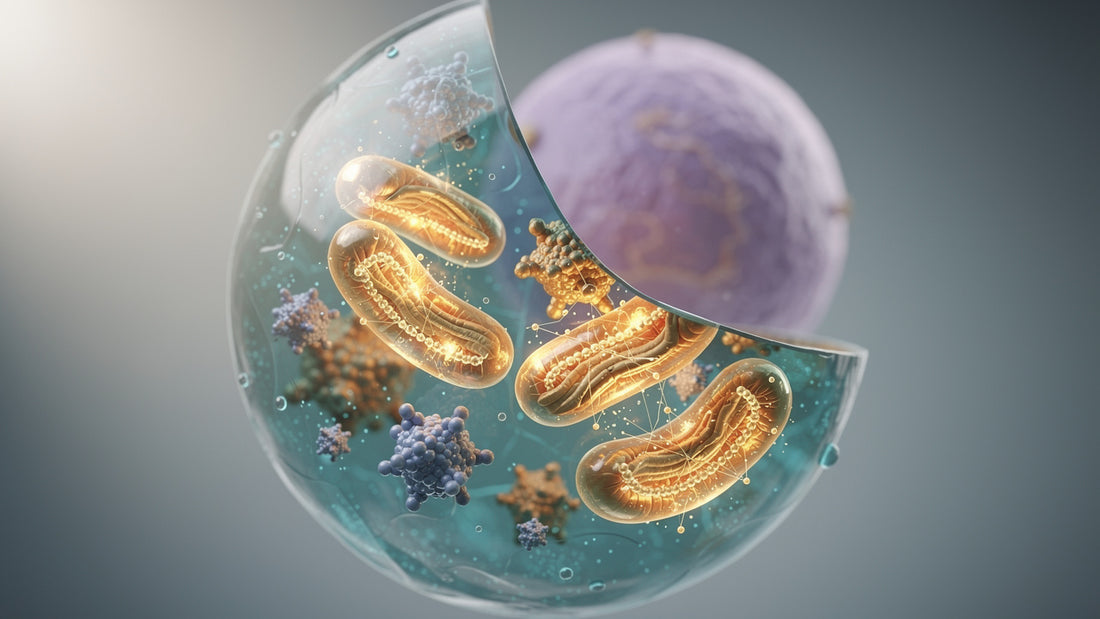
NAD+ is a small molecule with a huge job. Every cell in the body relies on it to move electrons during energy production and to support enzyme systems that control repair, stress response, and aging. When people talk about NAD+ for metabolism, they are talking about how this one coenzyme shows up in almost every step of turning food into usable fuel.
NAD+ plays two main roles that matter for metabolism.
First, its redox function. NAD+ flips between an oxidized form (NAD+) and a reduced form (NADH). In glycolysis, the TCA cycle, and fatty acid oxidation, enzymes strip electrons off carbohydrates and fats and hand them to NAD+, turning it into NADH. NADH then donates those electrons into the electron transport chain so mitochondria can make ATP. If NAD+ for metabolism is low, this electron “shuttle” slows, and so does ATP output.
Second, its signaling function. Over three hundred enzymes use NAD+ as a co-substrate. These include sirtuins that help control longevity pathways, PARPs that repair DNA, and CD38, which regulates immune signaling while also breaking down NAD+. Every time these enzymes act, they consume NAD+. That means NAD+ for metabolism is always pulled between energy production and repair work.
A key detail is the NAD+/NADH ratio. A high ratio signals low cellular energy and pushes catabolic pathways to burn more fuel. A low ratio signals a “reductive” state where burning slows and metabolic pathways become sluggish. This ratio is one reason NAD+ for metabolism is such a useful concept: it is not just the amount of NAD+, but how it sits relative to NADH.
There is also NADPH, formed when NAD+ is phosphorylated. NADPH powers antioxidant systems and anabolic reactions like fatty acid and cholesterol synthesis. In high-demand tissues such as muscle and liver, strong NADPH support keeps oxidative damage down so mitochondria can keep producing energy.
A quick comparison helps make this clear.
|
Form |
Role |
|---|---|
|
NAD+ (Oxidized) |
Accepts electrons in glycolysis, TCA, and fat oxidation and signals energy demand inside the cell |
|
NADH (Reduced) |
Donates electrons into the electron transport chain so mitochondria can make ATP |
|
NADP+ / NADPH |
Supports antioxidant defense and biosynthesis so metabolically active tissues stay protected while they burn fuel |
When this network runs well, NAD+ for metabolism keeps energy steady, fat burning active, and repair systems responsive.
Why NAD+ Levels Decline, And What Is Draining Yours
The body does not hold NAD+ at a fixed level. It is made, broken down, and recycled every moment. The problem is that NAD+ levels fall with age in human tissue. For someone who cares about NAD+ for metabolism, that is a major hit to cellular energy and resilience.
Three main enzyme families pull hardest on NAD+:
- PARPs are DNA repair enzymes that sense strand breaks. Sun exposure, toxins, and daily oxidative stress cause tiny bits of DNA damage. PARPs rush in and use large amounts of NAD+ to build chains of ADP-ribose that call in repair teams. When damage is frequent, PARP activity stays high, and nuclear NAD+ drains faster than the body replaces it. Over time this steady demand takes a toll on NAD+ for metabolism in other pathways.
- CD38 is a powerful NADase that lives on cell surfaces, especially on immune cells. It breaks NAD+ and even some precursors like NMN into smaller pieces. With age and inflammation, CD38 expression rises sharply. That makes CD38 one of the biggest enemies of healthy NAD+ for metabolism in midlife and beyond.
- Sirtuins are often described as longevity guardians. They help control mitochondrial function, fat oxidation, circadian rhythm, and more. Sirtuins also use NAD+ whenever they act. When stress is high and repair demands grow, sirtuins pull harder on NAD+. This creates an internal tug-of-war where the same NAD+ for metabolism is needed for both energy output and deep repair.
Lifestyle can push this system in the wrong direction:
- Ultra-processed diets and chronic caloric surplus promote inflammation and lower the activity of NAMPT, the enzyme that recycles nicotinamide back into NAD+.
- Sleep timing matters because NAMPT and NAD+ follow a 24-hour rhythm driven by the body’s clock genes (shown in mice).
- Chronic psychological stress and toxin exposure add DNA damage, driving PARPs and CD38 even harder.
On top of that, aging brings “inflammageing.” Senescent cells, which no longer divide but still secrete inflammatory molecules, send out a mix of signals called the SASP. These signals tell nearby immune cells to ramp up CD38. In this state, NAD+ for metabolism in tissues like muscle and liver is eaten away by immune-driven NADase activity, which then causes more mitochondrial stress and even more senescence.
Synchronicity Health designs its Sync Stacks with this whole picture in mind. The goal is not only to feed NAD+ for metabolism with precursors, but also to support the enzymes and tissues that keep the NAD+ pool from draining too quickly, especially through CD38 and PARP activity.
Your daily choices do not just add or subtract calories. They change how fast your cells burn through their limited NAD+ supply.
NAD+, Metabolism, And Body Composition: The Cellular Connection

Weight regulation is often framed as simple math, but anyone who has hit a plateau knows there is more at work. At the cellular level, NAD+ for metabolism is one of the main levers that decides whether fuel becomes ATP, heat, or stored fat.
How NAD+ Drives Fat And Glucose Metabolism
Fat cannot be burned without NAD+. During beta-oxidation, each two-carbon unit sliced from a fatty acid chain requires NAD+ to accept electrons and turn into NADH. That NADH then feeds the electron transport chain so mitochondria can produce ATP. When NAD+ for metabolism is low, this process stalls. Fatty acids may be partially oxidized or diverted into storage instead of being fully burned.
Glucose pathways tell the same story. Glycolysis depends on NAD+ at a key step where glyceraldehyde-3-phosphate is turned into 1,3-bisphosphoglycerate. The TCA cycle then relies on multiple NAD+-dependent enzymes to keep spinning. Depleted NAD+ for metabolism slows both stages, which can show up as higher blood sugar after meals, more “carb crashes,” and lower exercise capacity.
Sirtuins connect NAD+ to gene-level control of these pathways:
- SIRT1 in the nucleus activates PGC-1α, a master regulator of mitochondrial biogenesis and fat oxidation genes.
- SIRT3 in mitochondria deacetylates and activates enzymes in the TCA cycle and antioxidant systems.
When NAD+ for metabolism falls, these sirtuins lose power. Mitochondria become fewer and less efficient, and oxidative stress rises.
Low NAD+ can even push cells into a “pseudohypoxic” state. Reduced SIRT1 activity allows HIF-1α to stay active even when oxygen is normal. That pushes metabolism away from efficient mitochondrial respiration and toward less efficient glycolysis. In practice, this pattern links low NAD+ for metabolism with weight gain, fatigue, and poor exercise response.
NAD+ Depletion And Insulin Sensitivity
Reduced insulin sensitivity is one of the clearest signs that metabolism has slipped out of balance. Here again, declining NAD+ for metabolism plays a central role, especially in adipose tissue, liver, and skeletal muscle.
In fat tissue, chronic inflammation lowers NAMPT, which is the rate-limiting enzyme in the main NAD+ recycling pathway. Less NAMPT means less NAD+. Fat cells under this kind of stress release more free fatty acids into the bloodstream and send out disrupted signals through adipokines. Those changes make liver and muscle less responsive to insulin. Over time, this pattern drives higher fasting glucose and easier fat storage.
Similar patterns show up in the liver and muscle. When NAD+ for metabolism falls, mitochondrial function declines, fat builds up in liver cells, and muscle loses some of its ability to handle glucose cleanly. Oxidative stress grows, which feeds more PARP activation and even more NAD+ drain.
Animal studies help show what happens when NAD+ for metabolism is restored. Supplementing precursors such as NMN or NR in high-fat diet models often limits excess body weight gain, improves glucose tolerance, and restores insulin sensitivity. Much of this effect comes from revived sirtuin activity and better mitochondrial function.
Human data, while younger, points in the same direction. In a well-known study of postmenopausal women with above-normal blood sugar, 250 milligrams per day of NMN for ten weeks significantly improved muscle insulin sensitivity and insulin signaling. Body weight did not change much, which fits the idea that NAD+ for metabolism is a condition setter rather than a stand-alone fat burner.
In clinical settings, NMN raised NAD+ levels and improved insulin sensitivity without acting like a stimulant or quick-fix diet pill. It supported how cells handled fuel instead of forcing weight change from the outside.
Key metabolic consequences of low NAD+ for metabolism include several patterns that many people recognize in daily life:
- Mitochondria make less ATP per unit of food, which shows up as lower day-long energy and slower workout recovery even when training volumes stay the same.
- Cells shift toward storing fuel rather than burning it, leading to easier fat gain around the waist and more difficulty leaning out with standard diet and exercise plans.
- Blood sugar becomes more erratic, with higher post-meal spikes and deeper crashes, because tissues respond less cleanly to insulin signals and cannot take up glucose as efficiently.
Supporting NAD+ for metabolism does not replace healthy habits, but it helps those habits work the way they are supposed to inside the cell. For a ready-made routine, the Metabolic Sync Stack brings several of these supports together.
For everyday habits that raise the calories your body burns, such as strength training, protein and sleep, see our guide on how to boost metabolism naturally.
NAD+ Delivery Methods: Why Bioavailability Is Everything

For NAD+ support, the form that actually reaches cells is what matters. A gram of a poorly absorbed capsule can easily do less for NAD+ for metabolism than its label suggests.
Oral NAD+ itself is unstable in the gut and breaks down before much can be absorbed. Oral precursors such as NMN and NR are better studied, yet a large share is converted into nicotinamide by gut bacteria and the liver before reaching the bloodstream. Estimates suggest that only a fraction of many capsule doses ends up as effective NAD+ for metabolism in target tissues. For how the nasal route compares, see how NAD+ nasal spray is absorbed.
IV therapy offers nearly full bioavailability. NAD+ goes straight into the bloodstream, and levels spike quickly. Many high performers use IV sessions for this reason. The tradeoff is time, cost, and the need for a clinic visit, which makes IV therapy a poor fit as a daily foundation for NAD+ for metabolism.
Intranasal delivery changes that balance. The nasal mucosa has a dense network of blood vessels. When a fine mist of NAD+ reaches this tissue, it is absorbed through the lining of the nose instead of being swallowed like a capsule, so some of each dose skips digestion. That is why the spray is designed for high bioavailability when supporting NAD+ for metabolism.
A simple comparison is helpful.
|
Delivery Method |
Estimated Bioavailability |
Speed Of Effect |
Practicality |
|---|---|---|---|
|
Oral Capsules With NMN Or NR |
Lower than IV; precursors go through gut and liver processing and must be converted to NAD+ |
Slower, building over hours as digestion and conversion occur |
Very convenient and easy to stack with other supplements |
|
IV Infusion Of NAD+ |
Close to full entry into the bloodstream during an infusion session |
Fast, with noticeable effects during and right after a drip |
Less practical due to high cost, travel, and time in a clinic chair |
|
NAD+ Nasal Spray |
Designed for high bioavailability through intranasal absorption |
Designed for a faster onset; reaches the bloodstream quickly |
Highly practical, as it can be used at home in seconds |
Synchronicity Health’s NAD+ Nasal Spray is built around this principle. It is designed for a faster onset, so NAD+ for metabolism support reaches the bloodstream quickly. Use it daily and track how you feel over several weeks.
This nasal spray pairs well with Synchronicity Health’s Enhanced NMN, which lays a steady precursor base across the day. Together, they support NAD+ for metabolism from both ends, with precursors building supply and nasal NAD+ designed for a faster onset and high bioavailability. Sync Stacks then layer in mitochondrial allies such as Cordyceps for goals like endurance or recovery.
The Synchronicity Health Approach: Building Your NAD+ Network
Most NAD+ products focus on pouring more precursors into the system. That helps, but if NAD+ is being rapidly broken down by CD38, PARPs, and chronic stress, it is like filling a bucket full of holes. Synchronicity Health takes a systems view of NAD+ for metabolism, aiming to support the whole network rather than a single node.
The first pillar is to increase supply with Enhanced NMN. NMN feeds the main salvage pathway the body already uses to make most of its NAD+. This gives tissues a steady, daily stream of building blocks for NAD+ for metabolism without overwhelming methylation or causing flushing.
The second pillar is to optimize delivery with NAD+ Nasal Spray. Instead of relying only on gut absorption, this spray is absorbed through the lining of the nose, so some of each dose skips digestion. It is designed for high bioavailability for NAD+ for metabolism support at home, without clinic-based IV sessions.
The third pillar is to reduce unnecessary demand. Sync Stacks are built to support healthy inflammatory balance and mitochondrial resilience, which help keep PARP and CD38 activity from staying constantly high. When those enzymes calm down, the same amount of NAD+ for metabolism stretches further and supports more energy output rather than being burned off in constant repair mode.
The fourth pillar is to support mitochondrial function itself. Ingredients such as Cordyceps and other mitochondrial allies help the inner machinery that uses NAD+. When mitochondria run smoothly, cells gain more ATP out of each unit of NAD+ for metabolism, which matters for endurance, recovery, and mental stamina.
Synchronicity Health builds on this framework with targeted Sync Stacks:
- Focus Stack pairs Clarity, Theanine, and NAC nasal sprays. This is geared toward sharper thinking, clean focus, and steadier mental energy during long workdays.
- Longevity Stack combines NAD+ Nasal Spray, Enhanced NMN, and Glutathione. It suits athletes and high performers who push cardiovascular limits, supporting cellular energy, antioxidant defenses, and recovery between intense sessions.
- Metabolic Stack combines Berberine Blend, Enhanced NMN, and OEA. It is built for people focused on body composition and steady daily energy, supporting healthy blood sugar and metabolism alongside NAD+ for metabolism.
All products are formulated to a clean-label standard grounded in aging biology and metabolic health. Products are made with third-party tested ingredients, checked for identity, purity, and potency. For someone serious about NAD+ for metabolism over the long term, that level of scientific care offers real peace of mind.
Supplements should support biology, not fight it. The best results come when products work with your cellular machinery instead of trying to overpower it.
Synchronicity Health also stresses that supplements work best on top of strong habits. The idea is simple: build a solid foundation, then use precision tools to help that foundation pay off faster and more reliably.
Lifestyle Strategies That Amplify NAD+ For Metabolism

No supplement can fully outwork a lifestyle that drains NAD+ faster than it can be made. The most durable gains in NAD+ for metabolism come when daily habits support synthesis, recycling, and protection.
- Exercise and movement may be the single most effective natural booster. Both aerobic and resistance training raise NAMPT in muscle, which is the main recycling gatekeeper for NAD+. Regular Zone 2 cardio sessions, where breathing is deeper but still controlled, drive mitochondrial biogenesis and make NAD+ for metabolism more efficient. Strength training builds lean mass, which raises resting energy use and gives more tissue where NAD+ can turn fuel into power.
- Sleep and circadian alignment matter more than many people realize. The same CLOCK and BMAL1 proteins that keep time in the brain also turn NAMPT on and off in a daily rhythm. A steady sleep schedule, morning light, and dark, quiet nights help keep NAD+ for metabolism cycling the way it was designed.
- Dietary patterns set the metabolic stage every day. Caloric restriction and time-restricted eating boost NAD+ by mimicking light fasting, which naturally pushes cells to make more NAD+ and use it more efficiently. Whole-food, anti-inflammatory eating keeps oxidative damage and chronic inflammation lower, which means less PARP and CD38 pressure on NAD+ for metabolism. Foods like edamame, mushrooms, lean meats, fish, milk, and green vegetables provide modest amounts of NAD+ precursors such as tryptophan and NR as a gentle background layer.
- Stress management and toxin reduction protect NAD+ from needless burn. High stress turns on pathways that damage DNA and raise inflammatory cytokines, which in turn stimulate PARPs and CD38. Alcohol, smoking, and heavy intake of ultra-processed foods add to this pressure. Dialing back these inputs and adding practices such as breath work, walking outside, or mindfulness sessions keeps more NAD+ for metabolism available for energy instead of constant damage control.
Habits are the scaffolding that hold your metabolism up. NAD+ support works best when it rests on strong sleep, movement, and nutrition.
The best NAD+ strategy is a layered one. Build NAD+ hygiene with sleep, exercise, and food first, then add precision support such as Enhanced NMN and NAD+ Nasal Spray to support those habits.
What The Research Says: Clinical Evidence On NAD+ And Metabolism

Animal studies of NAD+ for metabolism are strongly encouraging. Raising NAD+ in mice often improves insulin sensitivity, limits diet-induced weight gain, and supports cardiovascular and brain health. The human story is newer and more complex, but a clear pattern is beginning to appear.
For NMN, early human trials show promising metabolic effects. Oral NMN raises blood NAD+ metabolites and appears safe at standard doses. In a widely cited trial in postmenopausal women with above-normal blood sugar, ten weeks of 250 milligrams per day of NMN significantly improved muscle insulin sensitivity and insulin signaling. Muscle started to handle glucose more like that of younger, healthier individuals. However, body weight and body fat did not shift much over that short window, which matches the idea that NAD+ for metabolism improves the quality of metabolism rather than acting as a direct fat-loss trigger.
NR has an even larger human data set. Multiple trials using one to two grams per day show that NR reliably raises NAD+ levels in blood cells and is well tolerated over months. Some studies in older adults report modest drops in systolic blood pressure and arterial stiffness, hinting at benefits for vascular health. Other work in men with excess body weight and reduced insulin sensitivity found that while NR raised blood NAD+, it did not significantly improve insulin sensitivity or mitochondrial function over a twelve-week period. That gap between blood levels and tissue-level results points toward bioavailability and tissue targeting as key factors for NAD+ for metabolism in people.
A simple overview helps clarify.
|
Precursor |
Population |
Key Finding |
|---|---|---|
|
NMN at 250 milligrams per day |
Postmenopausal women with above-normal blood sugar |
Increased muscle insulin sensitivity and insulin signaling without major weight loss changes over ten weeks |
|
NR at one to two grams per day |
Healthy older adults |
Raised NAD+ in blood and showed modest improvements in blood pressure and arterial stiffness in some studies |
|
NR at similar doses |
Men with excess body weight and reduced insulin sensitivity |
Raised NAD+ in blood but did not show clear gains in insulin sensitivity or muscle mitochondrial function in the trial window |
How should this be read?
- The safety profile of NAD+ precursors is strong at studied doses.
- NAD+ for metabolism clearly matters inside tissues such as muscle and liver, and the form and route affect how much reaches them.
- Bioavailability and route of administration affect how much of each dose reaches circulation.
This is one reason Synchronicity Health focuses on high-bioavailability routes such as NAD+ Nasal Spray and on stacks that support both supply and demand. As more human trials on NMN, NR, and other forms report results over the next few years, the picture of how best to use NAD+ for metabolism will keep sharpening. For now, the weight of the evidence supports using NAD+ as a precision tool to support insulin sensitivity, vascular function, and cellular energy as part of a bigger health plan.
For NAD+ for metabolism, delivery method is not a footnote. It shapes how much of each dose reaches circulation.
Conclusion
Metabolic slowdown is often blamed on age or willpower, but at the cellular level it usually starts with a quieter shift. As NAD+ levels fall, everything from ATP production to DNA repair and circadian timing becomes less efficient. In that context, NAD+ for metabolism is not a buzz phrase. It is a direct description of how this coenzyme shapes energy, fat handling, and long-term health.
The most effective strategy works from both sides. On the supply side, Enhanced NMN and high-bioavailability options such as NAD+ Nasal Spray support NAD+ for metabolism from the supply side. On the demand side, Sync Stacks and lifestyle choices work together to ease the everyday stressors that drive PARPs, CD38, and other heavy NAD+ consumers.
Supplementation is not a shortcut around movement, real food, or sleep. Instead, it is a precision tool that helps those efforts pay off by restoring the cellular machinery underneath them. For health-conscious professionals and biohackers who care about metabolic performance, Synchronicity Health offers a clean-label approach built on third-party tested ingredients to support NAD+ for metabolism with careful attention to detail, at home and on a daily rhythm.
Your metabolism is not broken. It may simply be running low on its most essential coenzyme. Exploring Synchronicity Health’s NAD+ Nasal Spray, Enhanced NMN, and Sync Stacks is a practical way to begin rebuilding NAD+ for metabolism from the inside out.
Sources
- Li W, et al. CD38: An important regulator of T cell function. Biomed Pharmacother. 2022. PubMed 35834988
- Verdin E. NAD+ in aging, metabolism, and neurodegeneration. Science. 2015. PubMed 26785480
- Gomes AP, et al. Declining NAD+ induces a pseudohypoxic state disrupting nuclear-mitochondrial communication during aging. Cell. 2013. PubMed 24360282
- Yoshino M, et al. Nicotinamide mononucleotide increases muscle insulin sensitivity in prediabetic women. Science. 2021. PubMed 33888596
- Massudi H, et al. Age-associated changes in oxidative stress and NAD+ metabolism in human tissue. PLoS One. 2012. PubMed 22848760
- Nakahata Y, et al. Circadian control of the NAD+ salvage pathway by CLOCK-SIRT1. Science. 2009. PubMed 19286518
FAQs
Does NAD+ Directly Cause Weight Loss?
NAD+ does not burn fat on its own, and it is not a replacement for healthy eating or activity. Its role is to support the cellular machinery that decides whether fuel is stored or burned. Research is looking at whether restoring NAD+ for metabolism improves mitochondrial function, insulin signaling and fat oxidation. In one trial, NMN improved muscle insulin sensitivity without changing body weight, so think of it as support alongside exercise, sleep, and balanced nutrition.
What Is The Best Form Of NAD+ Supplement For Metabolism?
The best form is the one that reaches cells in meaningful amounts. Oral NMN and NR are the most studied and do raise NAD+ levels, but much of each dose is lost in the gut and liver. Intranasal delivery with NAD+ Nasal Spray lets some of each dose skip digestion and offers high bioavailability for NAD+ for metabolism support. Many people prefer Sync Stacks that combine Enhanced NMN, NAD+ Nasal Spray, and mitochondrial allies.
How Long Does It Take To Feel The Metabolic Benefits Of NAD+ Supplementation?
NAD+ Nasal Spray is absorbed through the lining of the nose, so it reaches the bloodstream quickly. Changes in mitochondrial function and insulin sensitivity, where they occur, are measured over weeks rather than days. Research trials often run eight to twelve weeks, which is a realistic window to expect measurable metabolic changes.
Can NAD+ Help With Energy Crashes And Metabolic Fatigue?
Yes, this is one of the main reasons people explore NAD+ for metabolism. NAD+ sits at the center of ATP production, so when levels are low, energy tends to dip sharply in the afternoon and after meals. Enhanced NMN and NAD+ Nasal Spray are designed to support NAD+ levels, alongside regular meals, sleep and movement. Track how your energy feels over several weeks.
Is NAD+ Supplementation Safe For Long-Term Use?
Current human studies on NMN and NR show good safety profiles at standard doses over months. Synchronicity Health’s products are formulated to a clean-label standard, with doses aligned to research and ingredient combinations chosen to support NAD+ for metabolism without unnecessary stress on other pathways. All products are made with third-party tested ingredients, checked for identity, purity, and potency. As always, it is wise to discuss any NAD+ for metabolism protocol with a healthcare provider, especially when other medications or conditions are present.
Featured in this article
NAD+ Nasal SpraySupports cellular energy, focus and healthy aging. A needle-free alternative to NAD+ IV.
Shop NAD+ Nasal SprayThird-party tested ingredients. Vegan, non-GMO, made in the USA.


Leave a comment
All comments are moderated before being published.
This site is protected by hCaptcha and the hCaptcha Privacy Policy and Terms of Service apply.