

Introduction
The first time someone sees an 8:1 mushroom extract label, it often feels like reading a math problem instead of a supplement panel. The number looks impressive, the marketing sounds exciting, but what it actually means for focus, energy, or recovery is not always obvious. Many people just assume it means “stronger” and hope for the best.
In simple terms, an 8:1 mushroom extract means eight parts raw mushroom are concentrated into one part extract. The process strips away water and indigestible fiber so that beta-glucans, hericenones, erinacines, and other active compounds become more concentrated and easier for the body to use. This is why many serious lifters, endurance athletes, and knowledge workers favor concentrated lion’s mane extract or cordyceps extract instead of plain mushroom powders.
The catch is that the ratio is only one piece of the story. Source material, extraction method, standardization, and third-party testing are what separate a well-made 8:1 mushroom extract from one that looks good on a label but delivers very little. Synchronicity Health leans into that full picture with clean-label mushroom blends made from third-party tested ingredients with every amount listed on the label rather than marketing claims.
By the end of this guide, the 8:1 label will feel simple. You will know exactly what the ratio means, how it affects potency, how to compare lion’s mane and cordyceps products, and how to spot brands that handle quality like a science instead of a slogan.
Key Takeaways
- An 8:1 mushroom extract uses eight grams of raw mushroom to create one gram of concentrated extract. This means a much denser amount of active compounds in a smaller serving, so research-level intakes become realistic without swallowing a dozen capsules.
- The ratio by itself does not promise real results or clinical strength. What matters just as much is whether the product uses fruiting bodies instead of grainy mycelium and whether the extraction method actually pulls out the right compounds. Quality brands explain these details clearly.
- Dual extraction with hot water and ethanol pulls both water-soluble and fat-soluble compounds from mushrooms. When this process is paired with fruiting body sourcing and independent lab testing, the 8:1 label starts to mean something concrete instead of just marketing spin.
- The best manufacturers standardize their extracts, publish Certificates of Analysis (COAs), and test every batch for identity, potency, and purity. These practices give confidence that an 8:1 lion’s mane extract or cordyceps extract will perform the same way every time.

Featured in this article
ForageLion's Mane, Cordyceps, Reishi and more for focus, energy, and daily balance.
Shop ForageThird-party tested ingredients. Vegan capsules.
What "8:1 Extract" Actually Means: The Ratio Decoded
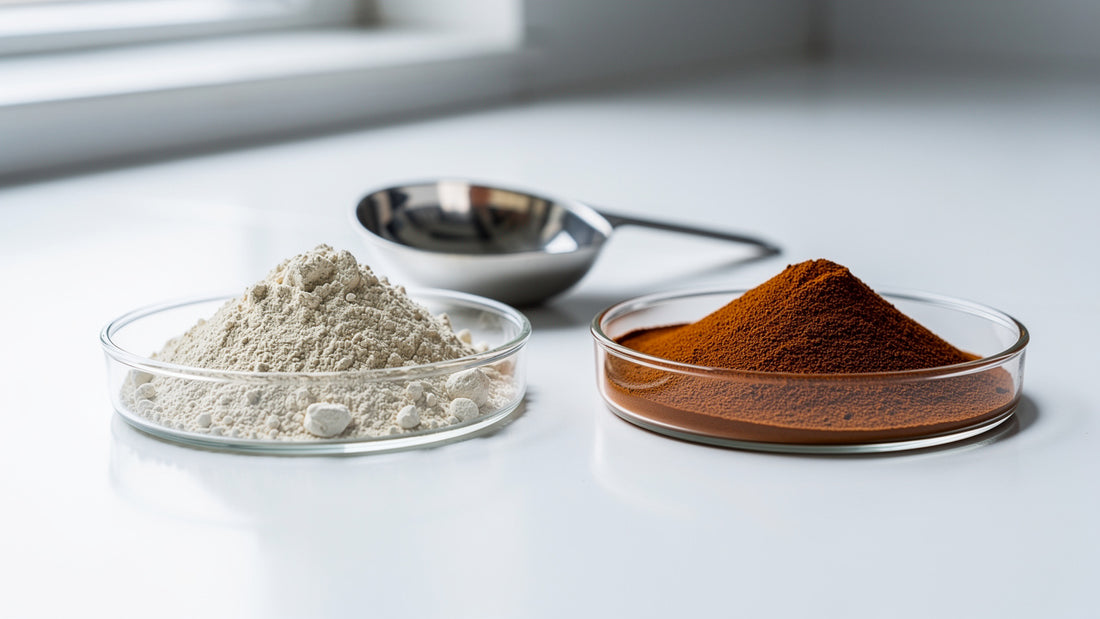
When a supplement label says 8:1, it is describing a concentration step, not a mysterious formula. An 8:1 mushroom extract means that eight grams of dried mushroom material go through extraction to produce one gram of finished extract powder. The missing seven grams are mostly water, fiber, and cell wall material that the body does not use well.
Mushroom cell walls contain a tough, fibrous substance called chitin. Extraction works like a controlled pre-digestion step. Heat, pressure, and sometimes ethanol crack open those walls so that beta-glucans, triterpenes, hericenones, and erinacines become far more accessible.
At a basic level, the process looks like this:
- Start with eight grams of dried mushroom (fruiting body, in the best case).
- Run the material through hot water, ethanol, or both to pull out target compounds.
- Remove the solvents and dry what remains into one gram of concentrated extract.
By discarding water and indigestible fiber, the process compresses the active chemistry of the mushroom into a smaller volume. The gram of 8:1 mushroom extract in a capsule is not equal to one gram of plain powder. It behaves more like eight grams of carefully processed mushroom with the nonessential bulk removed.
For a concrete example, think about lion’s mane. Swallowing 500 milligrams of an 8:1 lion’s mane extract is similar, from a compound perspective, to taking around four grams of raw lion’s mane powder. That difference in density is what lets serious users reach research-style intakes without swallowing handfuls of capsules.
There is an important nuance, though. The 8:1 number tells you how much raw material went in. It does not tell you:
- Whether that material was the most active part of the mushroom
- Whether the right extraction method was used
- Whether the finished extract actually contains high levels of the compounds people care about
The ratio is the start of a quality discussion, not the finish.
The Source Material Problem: Fruiting Body vs. Mycelium on Grain
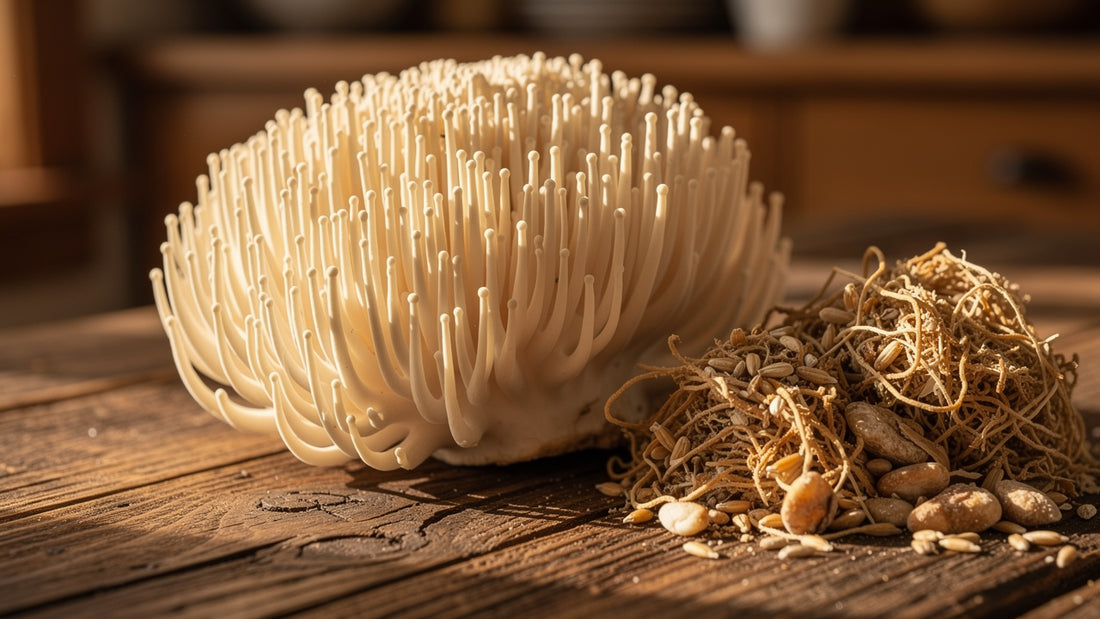
Two products can both say “8:1 extract” on the label and still perform very differently. One of the biggest reasons is the part of the fungus used for extraction. Most mushroom supplements come from either the fruiting body or from mycelium grown on grain.
The fruiting body is the classic mushroom shape seen above ground, with a cap and stem. This part of the organism is where many of the most interesting compounds concentrate. For lion’s mane extract that often means hericenones tied to nerve growth. For reishi and cordyceps extract, that means rich beta-glucans and triterpenes that affect immune balance, stress resilience, and energy.
Mycelium, on the other hand, is the root-like network that spreads through soil or grain. In commercial production it is often grown on a bed of rice, oats, or another grain. When harvested for supplements, the producer may dry and grind the full mix of mycelium and grain. That means a large portion of the powder is plain starch rather than mushroom chemistry.
This creates a hidden problem. An 8:1 extract made from mycelium on grain concentrates the grain as well as the mushroom. The ratio still reflects eight grams of starting material into one gram of extract, but much of that “material” may be rice flour instead of beta-glucans or hericenones. On paper, it looks strong. In real use, it can fall flat.
A side-by-side view helps clarify the difference.
|
Factor |
Fruiting Body Extract |
Mycelium on Grain |
|---|---|---|
|
Bioactive Compound Density |
High |
Low to moderate |
|
Therapeutic Compound Source |
Mushroom tissue |
Diluted with grain |
|
Traditional Medicinal Use |
Yes |
No |
|
Preferred for 8:1 Extracts |
Yes |
No |
For someone who cares about clean inputs and measurable outcomes, “100% fruiting body” on the label is a very helpful phrase. If that wording is missing, it is fair to ask why.
When reviewing labels, simple checks include:
- Look for clear wording such as fruiting body extract or whole fruiting body.
- Be cautious with phrases like mycelium biomass or myceliated grain when there is no mention of fruiting bodies.
- Scan the supplement facts for grains (rice, oats, sorghum) listed where you would expect mushroom actives.
Synchronicity Health centers its mushroom blends on high-quality, standardized extracts sourced for active compound content, because the point is not just to use mushrooms, but to use the parts that move the needle.
How Extraction Methods Determine What You Are Actually Getting
Once the right part of the mushroom is selected, the next question is how the active chemistry is pulled out. Extraction is not one single process. Different techniques pull out different families of compounds, which is why two products with the same 8:1 ratio can still feel completely different in real use.
Some compounds in mushrooms dissolve easily in hot water. Others prefer alcohol. A modern, well-designed mushroom extract respects that chemistry instead of relying on a single shortcut method. For people investing in nootropic or performance stacks, this detail often separates a noticeable 8:1 mushroom extract from one that barely registers.
In practice, extraction choices decide:
- Which compounds make it into the final product
- How concentrated those compounds are
- How easily they absorb and act in the body
The solvent chooses the constituents, and that fits mushroom extracts perfectly: water and alcohol each pull different chemistry from the same raw material.
Single Extraction vs. Dual Extraction
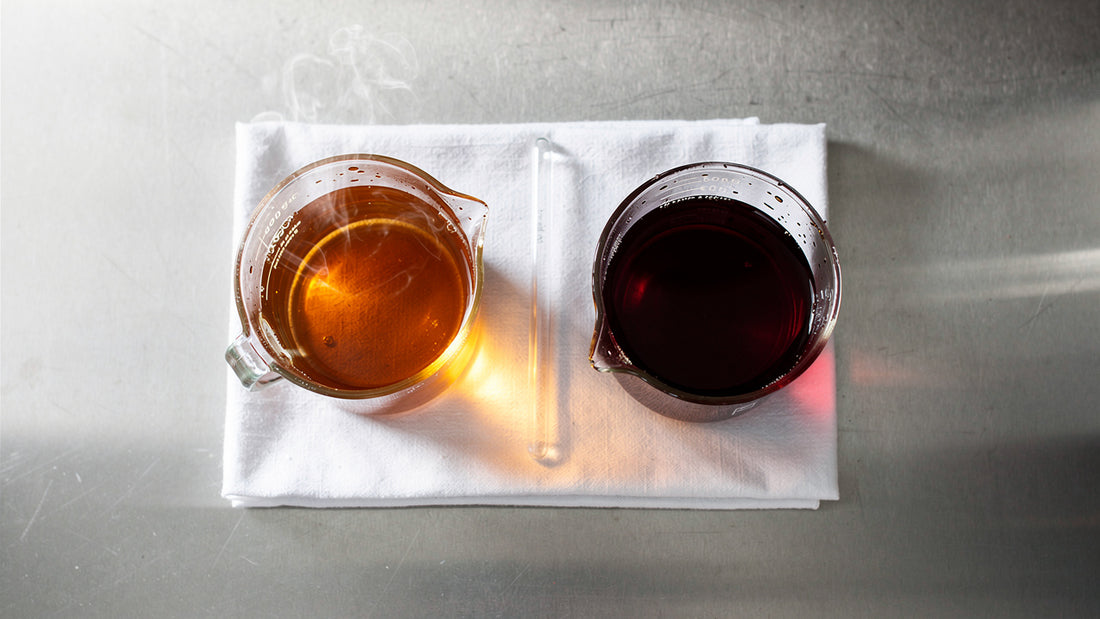
Single extraction usually means hot water and nothing else. This method is especially good at freeing beta-glucans, which are long chains of sugars studied for their effects on immune cells. A straight hot water extract can work well for general immune support, but it will leave many fat-loving compounds behind.
Ethanol extraction takes the opposite path. Using alcohol as a solvent helps unlock fat-soluble compounds like triterpenes, sterols, and key nootropic molecules. In lion’s mane, that includes hericenones and erinacines. These are some of the very compounds linked with nerve growth factor (NGF) support and long-term brain health, so leaving them behind is a missed opportunity.
Dual extraction brings both worlds together:
- First, producers run a hot water extraction to pull beta-glucans and other water-soluble compounds.
- Then they run an ethanol extraction on the same material to gather the fat-soluble chemistry.
- The two extracts are concentrated and blended back into one powder or liquid.
When a dual-extracted 8:1 lion’s mane extract is done well, it more closely reflects the whole mushroom, with more of its compounds per gram. For a serious stack, that fuller profile covers both the water-soluble and the fat-soluble compounds in the same daily dose.
Bioactive Compounds Worth Knowing: Beta-Glucans, Hericenones, and Erinacines
A few names come up again and again in mushroom science, and understanding them makes supplement labels easier to read. They are the reason extraction choices matter so much.
- Beta-glucans are water-soluble polysaccharides found across many medicinal mushrooms, including reishi, lion’s mane, and cordyceps. They are studied for how they interact with immune cells and support a balanced immune response. Hot water extraction focuses heavily on these compounds.
- Hericenones live mainly in the fruiting body of lion’s mane. These small molecules can cross into the brain and encourage production of nerve growth factor. NGF plays a central role in the growth and maintenance of neurons, which ties hericenones to memory, learning, and long-term brain resilience.
- Erinacines are closely related compounds that show up more in lion’s mane mycelium, although well-made fruiting body extracts can still contain them. Like hericenones, they are linked with NGF stimulation and healthy nerve signaling. Together, these molecules give lion’s mane its reputation as a premier nootropic mushroom.
- Triterpenes from reishi and cordyceps bring another layer. Many of these are alcohol-soluble and support stress response, oxygen use, and mitochondrial energy production. For a cordyceps extract aimed at athletic performance, pulling out these compounds with ethanol is especially important.
When a label describes the extraction method clearly, it becomes easier to know whether those compounds are likely present in real amounts, or if the product is only delivering part of the mushroom’s potential.
The Cognitive Science Behind 8:1 Lion's Mane Extract: NGF, Neuroplasticity, and Brain Health
Lion’s mane sits in a special category among mushrooms because its most interesting effects center on the brain and nervous system. An 8:1 lion’s mane extract does not work like a quick stimulant. Instead, it nudges the body to support deeper structural processes that play out over weeks.
The key player here is nerve growth factor (NGF). NGF is a protein that helps neurons grow, repair, and stay alive. Hericenones and erinacines from lion’s mane extract can stimulate natural NGF production in the brain. Think of this less like turning on a light switch and more like supplying extra building materials to a construction crew.
NGF directly supports neuroplasticity, which is the brain’s ability to form new connections and reorganize older ones. Every time a new skill is practiced or a new memory is formed, small structural changes occur in neural networks. Higher NGF support tends to make those changes easier, which can translate into smoother learning and better recall over time.
The brain keeps changing throughout life. Lion’s mane is interesting because research links its compounds to that plasticity at the chemical level.
A well-made 8:1 mushroom extract built around lion’s mane is used to support steady focus during long work sessions, word recall, afternoon mental clarity, and an even mood under pressure.
There is also a long-term angle. Oxidative stress and chronic inflammation are two factors that wear down neurons as people age. Lion’s mane extract carries antioxidant compounds that help support brain cells as you age. Combined with NGF support, this gives the mushroom a dual role for both current performance and long-term brain health.
Research has looked at these mechanisms in several ways. Preclinical work has shown lion’s mane compounds helping neurons extend new branches. Human trials have found measurable improvements in cognitive tests after weeks of consistent use compared with placebo. Results are not instant, though. The benefits of an 8:1 lion’s mane extract build with daily intake as NGF levels and structural changes accumulate.
Beyond Lion's Mane: Cordyceps Extract and the Power of Mushroom Synergy
While lion’s mane shines for brain support, cordyceps has earned a following for energy, stamina, and recovery. Applying the same 8:1 concept to cordyceps gives a concentrated way to support physical performance without relying only on caffeine or heavy stimulants.
Cordyceps extract contains compounds such as cordycepin and adenosine that influence how the body uses oxygen and produces cellular energy. Many athletes and active professionals use cordyceps to support endurance and work capacity. An 8:1 mushroom extract here means more of those compounds per capsule, which fits well into structured training or demanding life schedules.
Cordyceps is studied for its support of:
- Endurance during cardio sessions
- Work capacity before fatigue sets in
- Recovery between efforts and workouts
There are also adaptogenic effects in how cordyceps interacts with stress response systems, which can support resilience during demanding periods even outside the gym.
The most interesting results often appear when mushrooms are combined. Lion’s mane extract supports focus, learning, and long-term brain function. Cordyceps extract supports energy production and endurance. Reishi is studied for the stress response and sleep and supports immune balance. Used together as part of a deliberate stack, the mix covers more ground than a single mushroom.
Synchronicity Health builds on this idea in Forage, which combines reishi, lion’s mane, cordyceps and other mushroom extracts in one blend, with every amount listed on the label. Adaptogens such as rhodiola are a separate category, covered in our other guides. The goal is simple: bring lion’s mane, cordyceps and reishi together in one daily serving made with third-party tested ingredients.
How to Evaluate Quality: What to Look For Beyond the Ratio
Standing in front of a shelf filled with mushroom products, it is tempting to grab the bottle with the highest ratio and the boldest claims. For serious users, that approach rarely delivers. A smarter method is to use the 8:1 label as just one step in a quality checklist.
Key areas to review include:
-
Testing Practices
Responsible brands test every batch in-house for identity and potency before anything is bottled. That means verifying that the ingredient really is lion’s mane or cordyceps, and that the extract reaches the active compound levels listed on the label. This internal step should then be backed by testing from independent labs. -
Third-Party Verification
Independent labs that hold ISO or similar accreditations bring an unbiased view. They screen for:- Heavy metals like lead and mercury
- Pesticide residues
- Microbiological contamination
- Solvent leftovers from the extraction process
They also confirm that key compounds such as beta-glucans fall within the promised range. The results go into a Certificate of Analysis (COA), which ties directly to each production batch.
-
Standardization Of Active Compounds
A standardized extract is produced so that each batch contains the same percentage range of active compounds. Without this, one bottle of 8:1 mushroom extract might feel strong, while the next feels weak even at the same dose. For anyone trying to mirror research intake ranges or build a precise stack, that variation is not acceptable. -
Manufacturing Standards And Clean Formulas
It is worth looking for:- cGMP-compliant manufacturing facilities
- FDA registration for the site where the product is made
- Markers such as vegan, gluten-free, lactose-free, and non-GMO when they matter for your diet
These details often reflect a more careful sourcing and production philosophy, not just a marketing angle.
Synchronicity Health leans into this full framework. Products are made with third-party tested ingredients, and every ingredient amount is listed plainly on the label, so users can see exactly what is in their bottle. That same mindset shows up across the line, from mushroom blends to NAD+ nasal sprays. The shared idea is that real performance and healthy aging start with ingredients that are clean, consistent, and well documented.
Conclusion
The term 8:1 can look mysterious at first, but by now it should feel simple and practical. An 8:1 mushroom extract means that eight grams of dried mushroom become one gram of concentrated extract. That ratio signals a higher density of active compounds, yet it only has real value when paired with smart sourcing, thoughtful extraction, and strict testing.
The most important questions to ask go beyond the number:
- Was the extract made from fruiting bodies rather than grainy mycelium?
- Was a dual extraction used so both water-soluble and fat-soluble compounds made it into the final product?
- Are the active levels standardized and backed by batch-specific Certificates of Analysis from independent labs?
Synchronicity Health builds its mushroom and longevity products around those same questions. Clean-label formulations and third-party tested ingredients aim to deliver the kind of consistency needed for real-world cognitive support, performance, and healthy aging. With this understanding in hand, it becomes much easier to scan a label, skip the marketing noise, and choose an 8:1 lion’s mane extract or cordyceps extract that matches serious goals. For a place to start with our own formulas, browse our Best Sellers collection.
Sources
- Murphy EJ, et al. β-Glucan Metabolic and Immunomodulatory Properties and Potential for Clinical Application. J Fungi (Basel). 2020. PubMed 33322069
- Szućko-Kociuba I, et al. Neurotrophic and Neuroprotective Effects of Hericium erinaceus. Int J Mol Sci. 2023. PubMed 37958943
- Mori K, et al. Improving effects of the mushroom Yamabushitake (Hericium erinaceus) on mild cognitive impairment: a double-blind placebo-controlled clinical trial. Phytother Res. 2009. PubMed 18844328
Featured in this article
ForageLion's Mane, Cordyceps, Reishi and more for focus, energy, and daily balance.
Shop ForageThird-party tested ingredients. Vegan capsules.
FAQs
Is an 8:1 extract always better than a 4:1 or 10:1 extract?
Not always. A higher ratio only tells you that more raw material went into each gram of extract. If that material is mostly mycelium on grain or if the extraction method is weak, a 10:1 product can perform worse than a well-made 4:1 fruiting body extract. It is smarter to judge the ratio alongside sourcing, extraction details, standardization, and third-party test results.
How long does it take for an 8:1 lion's mane extract to work?
This extract works gradually rather than as a stimulant. The benefits tied to nerve growth factor and neuroplasticity build with daily intake. Consistency matters more than exact timing during the day. The active compounds build up gradually and support structural changes in the brain over time.
What is the difference between lion's mane extract and cordyceps extract?
Lion’s mane extract is best known for its effects on the brain and nervous system. Compounds like hericenones and erinacines support nerve growth factor, neuroplasticity, memory, and clear thinking. Cordyceps extract, on the other hand, is used more for energy and performance. Compounds such as cordycepin and adenosine help support oxygen use, mitochondrial output, and endurance. Many performance-focused people pair the two, using lion’s mane for mental performance and cordyceps for physical stamina.
How can someone verify the quality of an 8:1 mushroom extract before buying?
A few simple checks go a long way:
- Look for a clear statement that the product uses only fruiting bodies instead of mycelium on grain.
- Confirm that the brand explains its extraction method and, for lion’s mane, that dual extraction is used.
- Check whether a recent Certificate of Analysis from an independent lab is available for the exact batch number.
- Look for cGMP and FDA registration for the manufacturing facility, and avoid products hiding behind vague proprietary blends.
If a company cannot show testing and sourcing details, that is an easy sign to look elsewhere.


Leave a comment
All comments are moderated before being published.
This site is protected by hCaptcha and the hCaptcha Privacy Policy and Terms of Service apply.