
Introduction
Imagine waking up and realizing that the “battery level” inside every cell has quietly slipped. That is close to what happens as NAD+ levels fall with age. For anyone who wants to increase NAD+ naturally, that hidden drop helps explain why energy, focus, and recovery do not feel the same as they used to.
NAD+ (nicotinamide adenine dinucleotide) is a master coenzyme found in every living cell. It helps turn food into ATP energy, supports DNA repair, and powers longevity enzymes like sirtuins. When the NAD+ pool shrinks, the body still works, but it does so with less efficiency, more cellular wear and tear, and slower repair.
This decline shows up as fatigue, brain fog, stubborn weight gain, weaker workouts, and faster visible aging. The encouraging news is that this is not just “getting older.” Research now shows clear ways to increase NAD+ naturally through diet, fasting, exercise, sleep, smart habits, and targeted supplementation.
This guide walks step by step through those methods, from food and lifestyle upgrades to advanced tools like Enhanced NMN capsules and NAD+ nasal spray. Synchronicity Health designs clean-label NAD+ support for those who want more than lifestyle alone. By the end, you will have practical ways to start rebuilding NAD+ and support sharper thinking, steadier energy, and slower cellular aging.
Think of NAD+ as the cell’s “energy currency.” The more you have available, the easier it is for cells to repair damage and keep you feeling sharp.
Key Takeaways
- NAD+ is central to energy and repair. It supports ATP production, DNA repair, and longevity signaling, yet levels fall with age. This drop is driven by more DNA damage, higher CD38 activity from chronic inflammation, and weaker NAMPT activity, which slows recycling. Addressing these drivers makes it possible to increase NAD+ naturally instead of accepting low energy as a fixed fact.
- Lifestyle choices matter. Diet, intermittent fasting, exercise, high-quality sleep, and controlled heat or cold exposure all help boost NAD+ production and improve the NAD+/NADH ratio. Specific plant compounds such as apigenin, quercetin, and proanthocyanidins can also protect the existing NAD+ pool by slowing the enzymes that break it down. These approaches work together and are stronger when used as a stack rather than in isolation.
- Delivery route is key. Oral NAD+ boosters like NR and NMN raise blood NAD+ but face digestion and liver barriers that limit how much reaches cells. Synchronicity Health’s clean-label Enhanced NMN Capsules support the salvage pathway from within, while the NAD+ Nasal Spray is absorbed through the lining of the nose instead of being swallowed. A multi-pronged stack that combines lifestyle upgrades with these tools offers at-home NAD+ support at a fraction of IV clinic costs.

Featured in this article
NAD+ Nasal SpraySupports cellular energy, focus and healthy aging. A needle-free alternative to NAD+ IV.
Shop NAD+ Nasal SprayThird-party tested ingredients. Vegan, non-GMO, made in the USA.
What Is NAD+ and Why Does It Decline With Age?
NAD+ is a small molecule with a huge job. It sits at the heart of energy metabolism, shuttling electrons during glycolysis, the Krebs cycle, and the mitochondrial electron transport chain so cells can turn nutrients into ATP. At the same time, NAD+ acts as a signaling currency for enzymes that control DNA repair, stress resistance, inflammation, and how quickly cells age.
Three main enzyme families depend on NAD+:
- Sirtuins use NAD+ to remove chemical tags from proteins, which affects DNA repair, inflammation control, and circadian rhythm.
- PARPs are first responders to DNA damage and spend large amounts of NAD+ to mark and repair broken DNA strands.
- CD38, found mostly on immune cells, breaks down NAD+ to produce calcium-signaling molecules and becomes more active with age and inflammation.
The body rebuilds NAD+ through three pathways:
- The de novo pathway starts with the amino acid tryptophan.
- The Preiss-Handler pathway uses niacin (nicotinic acid).
- The most important route is the salvage pathway, which recycles nicotinamide, NR, and NMN back into NAD+. This salvage route is controlled by the enzyme NAMPT, which acts like a tap that sets how much NAD+ the cell can make from used parts.
As the years pass, three forces pull NAD+ down:
- DNA damage builds up from normal metabolism and environmental stress, which keeps PARPs switched on and draining NAD+.
- Chronic, low-grade inflammation pushes CD38 activity higher, so more NAD+ gets broken down on immune cells.
- Falling NAMPT expression means the salvage pathway slows and cannot refill the NAD+ pool as quickly.
As NAD+ levels fall with age, that shortfall can affect how you think, move, and recover. Understanding these mechanisms is the first step in learning how to increase NAD+ naturally with smart food choices, daily habits, and targeted supplements. To see where food precursors enter the picture, read how NAD+ is made.
How to Increase NAD+ Naturally Through Diet
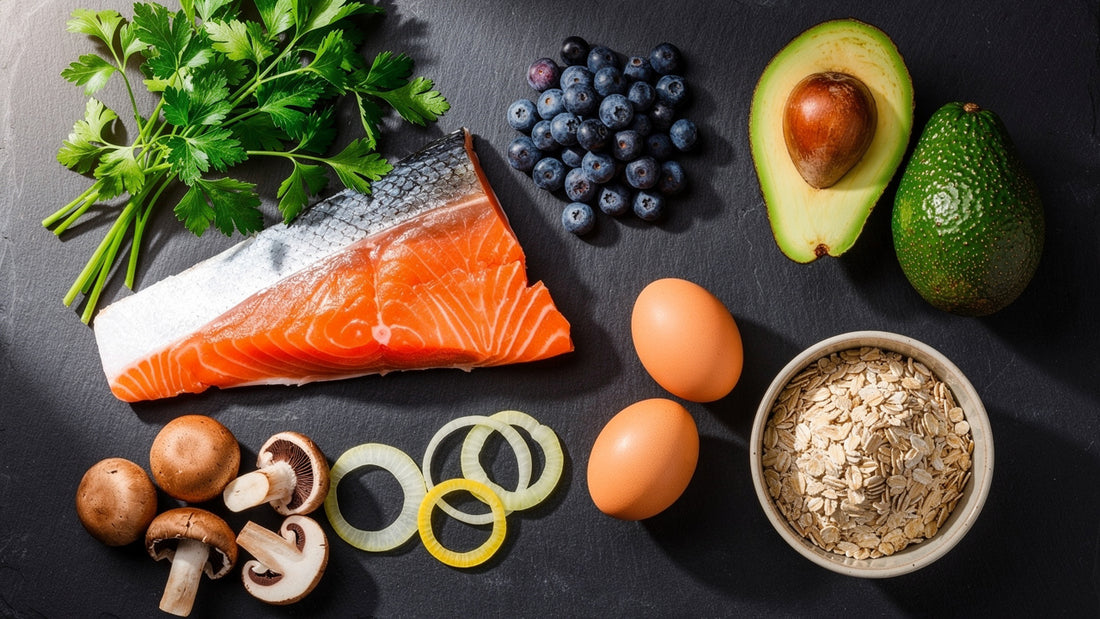
Food cannot deliver NAD+ itself, because the molecule is too large and unstable to survive digestion. Instead, the body relies on smaller building blocks called precursors, plus antioxidants and plant compounds that protect the NAD+ already present. When eating patterns cover both sides of this equation, more raw materials and less unnecessary drain, it becomes much easier to increase NAD+ naturally.
The body mainly relies on vitamin B3 forms (niacin and nicotinamide), tryptophan, NR, and NMN to refill NAD+. Animal foods tend to provide more concentrated amounts, while plant foods bring antioxidant and phytonutrient support. A well-designed diet can blend both, giving steady NAD+ support without extreme restriction or complicated tracking.
NAD+ Precursor Foods and Their Pathways
Different foods feed different NAD+ pathways, and that mix matters. Fueling several routes at once gives cells more flexibility and resilience. The table below summarizes key food groups, their active precursors, and how they support NAD+ status.
|
Food Group |
Active Precursor |
Primary Pathway Supported |
Key Benefit |
|---|---|---|---|
|
Whole Cow’s Milk & Dairy |
Nicotinamide Riboside (NR) |
Salvage Pathway |
Direct, efficient building block for NAD+ recycling. |
|
Oily Fish (Salmon, Tuna, Sardines) |
Niacin, Tryptophan |
Preiss-Handler, De Novo |
Strong base for steady NAD+ and energy. |
|
Lean Meats (Turkey, Chicken) |
Tryptophan, Niacin |
De Novo, Preiss-Handler |
Supplies amino acids and B3 for daily production. |
|
Eggs & Hard Cheeses |
Tryptophan |
De Novo |
Supports liver-based NAD+ synthesis. |
|
Tofu & Soy Products |
Plant Tryptophan |
De Novo |
Helps vegans and vegetarians keep NAD+ pathways active. |
|
Peanuts & Whole Grains (Oats, Brown Rice) |
Niacin (B3) |
Preiss-Handler |
Feeds recycling and general metabolic function. |
|
Cremini Mushrooms |
Vitamin B3 |
Preiss-Handler |
Highly available B3 that your body can use right away. |
|
Green Vegetables (Broccoli, Edamame, Avocado) |
Trace NMN, Antioxidants |
Salvage |
Light NMN input plus protection for the existing NAD+ pool. |
Building meals around these foods does more than move a lab value. It supports:
- Steady ATP production
- Smoother blood sugar control
- Better recovery from stress and exercise
Over weeks and months, this quiet background support stacks up and makes it easier to increase NAD+ naturally without feeling restricted.
How Much NAD+ Support Is Actually in Food?
It helps to know the scale. Food supplies the building blocks for NAD+ in useful amounts, but the direct precursors NMN and NR appear only in traces:
- Fatty fish: sockeye salmon and canned tuna provide around 8 mg of niacin per serving. Choose salmon, sardines and anchovies often, and keep tuna to about once a week to limit mercury.
- Turkey breast: a three-ounce cooked serving has roughly 180 mg of tryptophan and about 3 mg of niacin, feeding two NAD+ pathways at once.
- Milk: contains nicotinamide riboside (NR), plus niacinamide and tryptophan.
- Cremini mushrooms: one cup provides close to a quarter of the daily value for niacin.
- Nutritional yeast: usually fortified with a generous dose of niacin, and easy to sprinkle on vegetables, pasta or popcorn.
- Broccoli, avocado, tomato and edamame: contain NMN, but only about 0.25 to 1.9 mg per 100 grams. Raw beef and shrimp contain even less, about 0.06 to 0.42 mg per 100 grams.
Those NMN amounts are tiny next to the 250 mg a day used in human NMN trials, which is why food works best as a steady foundation rather than a way to push NAD+ levels sharply higher.
Phytonutrients That Protect Your NAD+ Pool
Raising production is only half of the strategy. It is just as important to slow the enzymes that chew through NAD+ all day long, especially PARP-1 and CD38. Specific plant compounds help soften that drain, acting like gentle “brakes” on overactive enzymes.
- Apigenin often comes from parsley and chamomile tea and is one of the best-known natural CD38 inhibitors. Animal research suggests apigenin may help keep CD38 from breaking NAD+ down so quickly. Making parsley-heavy salads or drinking chamomile in the evening is a simple way to bring this compound into daily life.
- Quercetin appears in yellow onions, capers, and apples and can influence both PARP-1 and CD38. When quercetin levels rise in the blood, these enzymes tend to use less NAD+, leaving more available for energy and repair work. Regular servings of onions and apples give a realistic, food-based way to support this effect.
- Luteolin is present in oregano, radicchio, and chrysanthemum tea and stands out as a strong CD38 inhibitor. It combines antioxidant benefits with direct action on the NAD+ drain, which makes it especially valuable for people dealing with chronic inflammation. Using these herbs and teas in cooking or evening routines adds quiet NAD+ protection in the background.
- Cyanidin and kuromanin give blackberries, red cabbage, purple corn, and hibiscus tea their deep colors. These anthocyanins also help reduce CD38 activity, so less NAD+ is broken down during immune signaling. Colorful produce rich in these pigments supports both vascular health and NAD+ conservation at the same time.
- Proanthocyanidins show up in apples, wild blueberries, and cacao powder and can lower PARP-1 and CD38 expression in animal models. The amounts used in studies translate to what a person might get from a single apple or a serving of berries and cocoa. These compounds not only feed antioxidant defense, they also keep the NAD+ “drain” from staying wide open.
These phytonutrients do not replace precursors, but they make each unit of NAD+ last longer. In practice, they help increase NAD+ naturally by cutting waste, which can feel like better energy and recovery even before lab numbers change. For how much NMN is actually in everyday food, see NMN foods, and for food sources of resveratrol, see resveratrol foods.
How Fasting and Caloric Restriction Boost NAD+
Intermittent fasting and caloric restriction rank among the fastest ways to nudge NAD+ metabolism in a better direction. When food intake pauses or drops, cells read this as an energy shortage and shift into a more efficient, repair-focused mode. That shift runs straight through NAD+.
During fasting, ATP levels dip slightly and the AMP/ATP ratio rises, which activates the energy sensor AMPK. Once switched on, AMPK increases NAMPT expression, so the salvage pathway starts turning nicotinamide back into NAD+ more aggressively. At the same time, the NAD+/NADH ratio improves because NADH falls as fewer calories move through the mitochondria.
This improved ratio matters as much as the total NAD+ level. NADH competes with NAD+ at sirtuin binding sites and acts like a brake on those enzymes. When fasting lowers NADH, sirtuins such as SIRT1 gain more room to work even before the absolute NAD+ pool climbs. That change leads to more DNA repair, better mitochondrial quality control, and higher autophagy, the process that clears damaged cellular parts.
Practical fasting patterns do not need to be extreme:
- A simple 16:8 schedule, with a 16-hour fast and an 8-hour eating window, fits well into many busy lives.
- Some people work with steady caloric restriction of about 20 to 30% below maintenance intake under medical guidance, which has strong data for lifespan and healthspan in multiple species.
Both methods help increase NAD+ naturally by putting cells into a mild, controlled stress that trains them to become more efficient.
Tip: Start with a 12-hour overnight fast (for example, 7 p.m. to 7 a.m.), then gradually lengthen the fasting window if it feels comfortable and your clinician agrees.
Combining intermittent fasting with Synchronicity Health’s NAD+ Nasal Spray or Enhanced NMN capsules may create a synergistic effect, because the body receives more raw material at the same time that enzyme systems are primed to recycle it.
Fasting does not just give the digestive system a break; it sends a survival signal that turns on NAD+-linked longevity machinery inside the cell.
Fasting is also linked with autophagy, the process cells use to recycle worn-out parts; see our guide to autophagy for what human research shows about when it starts.
Exercise as an NAD+ Booster

Physical training is one of the most reliable ways to increase NAD+ naturally and support healthier aging. Every time muscles contract under load, they demand a surge of ATP, which pushes NAD+ and NADH back and forth at high speed. This stress forces cells to boost their recycling systems.
During hard exercise, NAD+ converts to NADH to keep ATP flowing, and that temporary imbalance triggers the body to make more NAD+. Skeletal muscle responds by raising NAMPT expression, which accelerates the salvage pathway and restores NAD+ from nicotinamide. Studies in both humans and animals show that regular training can counter age-related drops in NAMPT and improve NAD+ recycling capacity.
Higher NAD+ in muscle does more than power workouts. It supports mitochondrial biogenesis, the process of building new mitochondria, which improves endurance and metabolic flexibility. These local changes spread systemwide as well, helping with blood sugar control, cardiovascular health, brain function, and inflammation control. Over time, exercise becomes one of the most dependable levers to keep NAD+ metabolism youthful.
Different training styles contribute in complementary ways:
- Steady aerobic work (brisk walking, running, cycling) provides a consistent signal that the body needs better energy handling.
- Resistance training adds the benefit of more lean muscle, which is a major sink for glucose and a strong site for NAD+ turnover.
- High-intensity interval training (HIIT) creates brief peaks of metabolic stress that place extra demand on NAD+ recycling through NAMPT and the salvage pathway.
For most adults, a good starting target is three to five workouts per week that mix aerobic and resistance work, with one or two sessions using HIIT intervals. Even short blocks of intervals, such as 30 seconds of hard effort followed by 90 seconds of easy movement, can move the needle.
Tip: If you are returning to exercise, focus on consistency for the first month, two or three realistic sessions per week beat one “perfect” workout that leaves you too sore to continue.
Exercise is the only free NAD+ booster that also builds muscle, supports the heart, and extends healthspan at the same time.
Sleep, Circadian Rhythm, and NAD+ Optimization

NAD+ levels do not stay flat across the day. They rise and fall in a pattern tightly linked to the body’s internal clock, which means sleep quality and light exposure directly shape how well the body can increase NAD+ naturally. At the center of this timing system are the CLOCK and BMAL1 proteins, which control the daily expression of many genes.
One of their key targets is NAMPT, the enzyme that drives the NAD+ salvage pathway. NAMPT activity climbs during the dark phase and falls during the light phase, which helps match NAD+ production to times when repair and maintenance are most active. When sleep is short, irregular, or pushed to odd hours, this rhythm breaks down, NAMPT expression falls, and the NAD+ pool shrinks.
Circadian disruption also reduces insulin sensitivity and raises inflammation and oxidative stress, all of which push PARP and CD38 to use more NAD+. Over time, this combination speeds biological aging in tissues ranging from the brain to fat and liver. Protecting sleep and circadian rhythm is therefore one of the simplest, high-impact ways to support NAD+ without any pills or powders.
Practical steps make a clear difference:
- Get 10 to 20 minutes of natural morning sunlight to help set the brain’s master clock.
- Go to bed and wake up at similar times each day so NAMPT and other enzymes have a stable schedule.
- Reduce bright blue light from screens in the hour or two before bedtime so melatonin can rise.
- Aim for seven to nine hours of quality sleep most nights to give the body enough time for repair and NAD+ cycling.
Your sleep schedule is not just about feeling rested; it controls the timing of your internal NAD+ factory. When the clock drifts, cellular energy production drifts with it.
Thermal Stress: How Saunas and Cold Plunges Raise NAD+

Short bouts of heat and cold are another way to increase NAD+ naturally using the concept of hormesis, where mild stress triggers greater resilience. Both saunas and cold plunges can send a strong signal to NAD+ pathways in a matter of minutes.
Heat exposure in a sauna raises body temperature and triggers a heat-shock response. This state increases the NAD+/NADH ratio, in part by lowering NADH as metabolism shifts. It also activates NMNAT, the enzyme that carries out the final step in NAD+ synthesis, and supports higher SIRT1 activity. Regular sauna use links with better cardiovascular health, lower blood pressure, and support for long-term brain health, benefits that align closely with healthier NAD+ metabolism.
Cold exposure works differently but points to the same goal. When the body enters cold water, brown adipose tissue switches on and begins nonshivering thermogenesis, burning stored fuel to produce heat. This process demands large amounts of NAD+, so NAMPT and related enzymes ramp up to keep up with the workload. Over time, this can improve insulin sensitivity, lower liver fat, and reduce inflammatory markers.
Many people do well with:
- Sauna sessions lasting 15 to 20 minutes at 80 to 100°C, three to five times per week, as tolerated and cleared by a clinician.
- Cold exposure starting with 2 to 5 minute plunges or cold showers at 10 to 15°C several times weekly.
Controlled thermal stress acts like a training signal for your cells, and NAD+ is one of the main molecules that carries that signal into long-term adaptation.
Lifestyle Habits That Deplete NAD+ (And How to Avoid Them)
Trying to increase NAD+ naturally without changing harmful habits is like pouring water into a tub with the drain wide open. Certain common behaviors push PARP, CD38, and other NAD+-using enzymes into constant overdrive, so even strong precursor intake cannot keep up.
High-fat, high-sugar diets, especially those based on processed foods, flood mitochondria with more fuel than they can process cleanly. This overload shifts the NAD+/NADH ratio toward NADH, increases reactive oxygen species, and causes more DNA damage. In response, PARP-1 switches on and consumes large amounts of NAD+ to keep up with repair, which drains the pool that could have supported sirtuins and healthy metabolism.
Excess body fat adds another layer to the problem. In enlarged fat tissue, sirtuin and NAMPT expression drop while PARP and CD38 rise, creating a perfect storm for NAD+ loss. Research shows that weight loss can undo many of these changes, with higher SIRT1 and NAMPT and lower PARP activity. This means that even moderate, sustained fat loss supports NAD+ health in a deep, structural way.
Alcohol is another major drain. The liver needs NAD+ to run alcohol dehydrogenase and acetaldehyde dehydrogenase, the enzymes that clear ethanol. Frequent drinking shifts large amounts of NAD+ into NADH and leaves less available for energy production and repair. Chronic intake locks this pattern in place, speeding cellular aging in the liver and beyond.
To make this practical, it helps to remember a few behavior patterns to minimize:
- Processed foods and refined sugars often combine high calories with low nutrient density, which pushes the body toward energy overload without giving enough vitamins or antioxidants. This state raises oxidative stress and keeps PARP-1 active, so more NAD+ is burned for DNA repair instead of longevity signaling. Shifting toward whole foods, fiber, and balanced meals calms this stress and lets NAD+ support healthier processes.
- Excess alcohol intake, even at levels many consider “moderate,” forces the liver to spend large amounts of NAD+ just to keep up with processing alcohol. Over time, this chips away at the pool needed for normal metabolism and can blunt the gains from other NAD+ boosting habits. Cutting back on weekly drinks eases that load on the liver.
- Irregular sleep patterns disturb the circadian control of NAMPT and NAD+ production, leading to lower baseline levels across the week. Late nights followed by early mornings also raise cortisol and inflammatory signals, which increases CD38 activity and NAD+ breakdown. Protecting consistent sleep and regular bedtimes therefore supports NAD+ from two sides at once.
- Sedentary behavior deprives the body of the energy demand that would normally trigger higher NAMPT and stronger NAD+ recycling. Long hours of sitting also worsen insulin resistance and inflammation, which pull NAD+ in the wrong direction. Even short activity breaks, such as five minutes of walking every hour, help reintroduce the metabolic signals that support NAD+.
- Chronic unmanaged stress raises cortisol and inflammatory cytokines, both of which can increase CD38 expression. This stress also harms sleep and encourages comfort eating, which further depletes NAD+. Regular relaxation practices, therapy support, or mindfulness training help break this cycle and preserve more NAD+ for repair and performance.
Tip: Pick one “NAD+ drain” to address first, such as late-night snacking or excess alcohol, rather than trying to fix everything at once. Small, steady progress is far more sustainable.
Addressing these drains often brings a faster sense of improvement than any supplement by itself. When the tub is not constantly leaking, every other method to increase NAD+ naturally works far better.
NAD+ Supplements: NMN, NR, and the Bioavailability Problem
Diet and lifestyle form the base of NAD+ health, but many people also want the extra push that comes from supplements. The most studied NAD+ boosters are nicotinamide riboside (NR), nicotinamide mononucleotide (NMN), nicotinic acid, and nicotinamide. Each feeds the salvage or Preiss-Handler pathways in a slightly different way.
- NR converts efficiently to NMN and then to NAD+ through the salvage route, and human studies show clear rises in blood NAD+ after NR intake.
- NMN sits one step closer to NAD+ and also increases levels in both animals and people. Synchronicity Health’s NMN Capsules use this route to give cells a strong precursor base, chosen and dosed to a clean-label standard grounded in aging biology research.
- Nicotinic acid, the classic niacin form, travels mainly through the Preiss-Handler pathway and has a long safety record, but higher doses can cause intense flushing.
- Nicotinamide is widely used as a supplement and in multivitamins, yet very high doses may strain the methylation system that clears it from the body. That strain can affect DNA and protein methylation if intake is excessive.
All oral supplements face the same basic challenge: bioavailability. Once swallowed, they must survive the harsh environment of the gut, compete for transporters, and pass through the liver before reaching the rest of the body. For many NAD+ precursors, this processing limits how much of each capsule reaches tissues.
Most people tolerate these compounds well, but mild nausea, stomach upset, or headaches sometimes appear, especially at higher doses or when taken on an empty stomach. Research on long-term use in humans is still growing, so it is wise to stay within reasonable ranges and work with products that clearly state doses and test for purity. The relationship between NAD+ and cancer is also complex, and high NAD+ levels in existing tumors might favor growth, so anyone with a cancer history should work closely with their clinician. Our NAD+ safety guide covers who should not take NAD+.
Because absorption and safety matter so much, supplement quality is not optional. Synchronicity Health’s NAD+ Nasal Spray and Enhanced NMN capsules are clean-label, made with third-party tested ingredients, and labeled with full transparency.
The supplement itself is only half the equation; how much your body absorbs and uses decides whether you see real gains or just create expensive urine.
For people who would rather not swallow capsules, another option is a spray absorbed through the lining of the nose.
Why Delivery Method Matters: The Case for NAD+ Nasal Spray
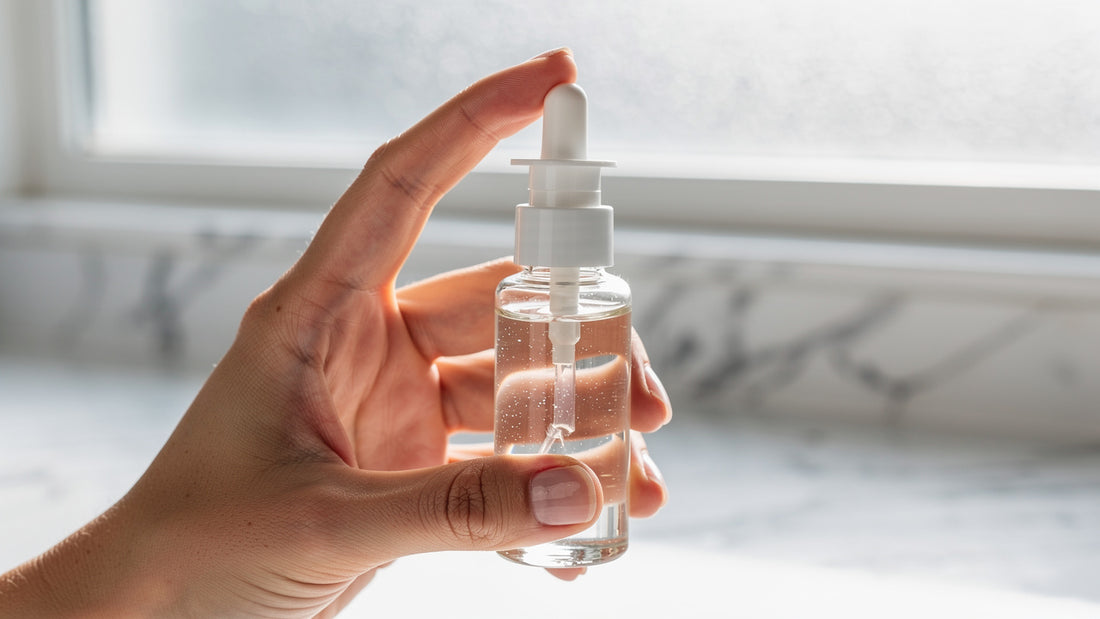
When the goal is to increase NAD+ naturally, how a compound enters the body is as important as what it is. Oral capsules remain useful for baseline support, but they run into digestion and liver barriers that limit bioavailability. Synchronicity Health also offers a different route: nasal delivery.
The nasal lining, covered in our guide to intranasal delivery and bioavailability, has a rich blood supply. Sprays applied there are absorbed through the lining of the nose instead of being swallowed like a capsule. Synchronicity Health’s NAD+ Nasal Spray uses this route.
It is a needle-free option for people who would rather not swallow capsules. It is not a stimulant: NAD+ is a coenzyme involved in cellular energy production.
Many people compare nasal delivery to IV NAD+ therapy from clinics:
- IV can approach 100% bioavailability and is helpful for intense, short-term protocols.
- It comes with high costs (often $500-$1,000 or more per session) and requires hours in a chair with medical staff.
- In contrast, Synchronicity Health’s NAD+ Nasal Spray is absorbed through the lining of the nose and fits into a morning routine at home.
This makes nasal spray well suited for daily maintenance, especially after any IV series.
A major strength of Synchronicity Health’s approach is the standard applied at the formulation stage. A clean-label, research-based standard grounded in metabolism and aging guides dosing, ingredient choice, and stacking logic, so products support the full NAD+ network rather than pushing a single pathway blindly. The Stacks system pairs the NAD+ Nasal Spray with NMN Capsules and options like Glutathione Nasal Spray, Melatonin Nasal Spray, and Cordyceps for focus, recovery, sleep, or athletic performance.
Quality and safety underpin every step. All products are made with third-party tested ingredients, verified for identity, purity, and potency, with fully transparent labels.
Unlike quick-hit stimulants that only block fatigue signals, Synchronicity Health’s NAD+ support works with the cellular machinery behind energy production.
|
Delivery Method |
Bioavailability |
Convenience |
Cost |
CNS Access |
Best For |
|---|---|---|---|---|---|
|
Oral NMN/NR Capsules |
Varies by form |
High |
Low-Moderate |
Indirect |
Daily precursor baseline support |
|
IV NAD+ Therapy |
Around 100% |
Very Low |
Very High ($500-$1,000+ per session) |
Systemic |
Short-term, high-dose clinic protocols |
|
NAD+ Nasal Spray (Synchronicity Health) |
Absorbed through the nasal lining |
High |
Moderate |
Varies |
Daily brain and energy optimization at home |
NAD+ levels may not change with age in the same way for everyone. For what the research shows in women and in men, see NAD+ benefits for women and men.
Conclusion
NAD+ sits at the center of cellular energy, repair, and resilience, and its age-related decline touches nearly every system in the body. The encouraging part is that raising and protecting this coenzyme does not require a single quick fix. It calls for a layered plan that makes biology work in your favor.
The foundation rests on daily choices. Precursor-rich foods, colorful phytonutrients, intermittent fasting, regular exercise, quality sleep, and brief heat or cold exposure all help increase NAD+ naturally while slowing the enzymes that waste it. Cleaning up high-sugar diets, heavy alcohol intake, poor sleep, and chronic stress closes the drain so that every other step works better.
On top of that base, targeted support can go much further. NMN and NR supplements, especially when made with third-party tested ingredients, give cells the raw materials they need. Synchronicity Health’s Enhanced NMN capsules and NAD+ Nasal Spray bring rigorous thinking into daily life, with Stacks that match specific goals like focus, recovery, or performance.
Long-term health is rarely about a single choice; it is about thousands of small decisions that nudge your biology in a better direction.
Your cells already hold the machinery to create clean, sustainable energy and to repair themselves more effectively. They simply need the right inputs and signals. Whether the first step is swapping in precursor-rich foods, adding a 16:8 fast, starting a training plan, or trying the NAD+ Nasal Spray, the key is to start. Exploring Synchronicity Health’s Stacks can help turn those steps into a coherent plan for long-term NAD+ support and better everyday performance.
Sources
- Kellenberger E et al. Flavonoids as inhibitors of human CD38. Bioorganic and Medicinal Chemistry Letters, 2011. PubMed
- Garten A et al. Physiological and pathophysiological roles of NAMPT and NAD metabolism. Nature Reviews Endocrinology, 2015. Nature Reviews Endocrinology
- Igarashi M et al. Chronic nicotinamide mononucleotide supplementation elevates blood nicotinamide adenine dinucleotide levels and alters muscle function in healthy older men. npj Aging, 2022. PubMed
- de Guia RM et al. Aerobic and resistance exercise training reverses age-dependent decline in NAD+ salvage capacity in human skeletal muscle. Physiological Reports, 2019. PubMed
- Conze D et al. Safety and metabolism of long-term administration of NIAGEN (nicotinamide riboside chloride) in a randomized, double-blind, placebo-controlled clinical trial of healthy overweight adults. Scientific Reports, 2019. PubMed
FAQs
What Is the Fastest Way to Increase NAD+ Naturally?
The fastest lifestyle methods to increase NAD+ naturally are high-intensity exercise and intermittent fasting, because both quickly raise NAMPT activity and improve the NAD+/NADH ratio. HIIT sessions and a 16:8 fasting schedule can change cellular signaling within days. Some people pair these habits with Synchronicity Health’s NAD+ Nasal Spray, which is absorbed through the lining of the nose, as part of a plan for mental clarity and energy.
What Foods Are Highest in NAD+ Precursors?
Several everyday foods make it easier to increase NAD+ naturally by supplying key precursors:
- Cow’s milk and other dairy products provide NR for the salvage pathway.
- Salmon, tuna, sardines, turkey, chicken, peanuts, and cremini mushrooms bring niacin and tryptophan, which feed the Preiss-Handler and de novo pathways.
- Eggs, hard cheeses, tofu, and other soy foods also support tryptophan-based synthesis.
- Vegetables such as broccoli, edamame, avocado, and cucumber carry trace NMN, while onions, parsley, and berries add CD38-inhibiting phytonutrients that help conserve the NAD+ already in place.
Is NAD+ Nasal Spray Better Than Oral NMN Supplements?
NAD+ nasal spray and oral NMN capsules play different but complementary roles in a smart NAD+ plan. Oral NMN supplements, like Synchronicity Health’s NMN Capsules, give a strong precursor base for the salvage pathway and work well as a daily foundation. The NAD+ Nasal Spray is absorbed through the lining of the nose instead of being swallowed and is used once or twice daily to support focus, mood, and energy. Many people use a stack that combines both, covering long-term cellular support and cognitive benefits together.
Does Alcohol Really Deplete NAD+?
Yes, alcohol use can significantly lower NAD+ levels, especially in the liver. To break down ethanol, the liver uses alcohol dehydrogenase and acetaldehyde dehydrogenase, and both enzymes need NAD+ as a cofactor. Each step converts NAD+ to NADH and lowers the NAD+/NADH ratio, which stresses mitochondria and slows other NAD+-dependent processes. When drinking becomes frequent, this pattern turns into a constant drain on NAD+, which can speed cellular aging and blunt the benefits of efforts to increase NAD+ naturally.
Can You Get Enough NAD+ From Food Alone?
For many younger, healthy adults who sleep well and stay active, a diet rich in NAD+ precursor foods gives the body what it needs to keep making NAD+. As people get older, or when stress, poor sleep or heavy training add up, food alone may not keep pace with the natural decline, and some people choose to add NMN, NR or another NAD+ product on top of a good diet.
Are There Any Risks to Increasing NAD+ Levels?
For most healthy adults, raising NAD+ with food, lifestyle, and well-designed supplements is safe and helpful, especially when doses stay within reasonable ranges. The main concerns involve very high or poorly supervised intake of certain precursors. Large amounts of nicotinamide may strain the body’s methylation capacity, and research on long-term NR and NMN use in humans is still developing. The connection between NAD+ and cancer is also complex, so anyone with a cancer history should work closely with their clinician. Synchronicity Health addresses these issues by using clean-label doses, third-party testing, and clear labeling, giving a science-based way to increase NAD+ naturally while keeping risk low.
Featured in this article
NAD+ Nasal SpraySupports cellular energy, focus and healthy aging. A needle-free alternative to NAD+ IV.
Shop NAD+ Nasal SprayThird-party tested ingredients. Vegan, non-GMO, made in the USA.


Leave a comment
All comments are moderated before being published.
This site is protected by hCaptcha and the hCaptcha Privacy Policy and Terms of Service apply.